A World of Variety: Understanding the Different Volcanic Stone Types
17 . Des, 2025
When we talk about volcanic stone types, we're referring to the entire range of igneous rocks formed from the cooling and solidification of magma or lava. The specific type that forms depends on the lava's chemical composition, the speed of cooling, and the gas content. The most common volcanic stone types include basalt, andesite, rhyolite, and pumice. Basalt is a dense, fine-grained, dark-colored stone, often seen as the classic black volcanic stone. It's extremely durable and is commonly used for cobblestones, building veneers, and aggregates. Andesite and Rhyolite are lighter in color (gray, pink, tan) and have slightly different mineral compositions. Puimsteen and scoria are the lightweight, frothy members of the family, full of gas bubbles—this is the quintessential lava volcanic stone. Then there's obsidian, a volcanic glass that cools so quickly it forms a smooth, glossy, and often jet-black rock, sometimes referred to as black volcanic crystal in decorative contexts. Understanding these basic volcanic stone types is key. A dense basalt is perfect for a high-traffic patio where strength is needed. A porous scoria is ideal for a garden bed to improve drainage. Knowing the differences allows you to match the stone's inherent properties—density, porosity, hardness, color—to your specific need, whether that's construction, landscaping, filtration, or decoration.
The Versatile Workhorse: Endless Uses for Vulkaniese klip
Volcanic stone, in its broadest sense, is one of humanity's oldest and most reliable building and decorative materials. Its use spans millennia, from the roads of ancient Rome to modern landscape designs. The general category of volcanic stone is prized for its innate durability, resistance to weathering, and natural, earthy aesthetic. In construction and hardscaping, it's used as a durable aggregate in concrete, as paving stones, wall veneers, and riprap for erosion control. Its hardness ensures it lasts for generations with minimal maintenance. In landscaping, volcanic stone is a star. Larger boulders serve as dramatic focal points. Crushed stone of various sizes is used for decorative ground cover, pathways, and dry river beds. Its natural porosity allows for some water permeability, and its dark color provides a beautiful contrast to green plants and flowers. Beyond the visible, volcanic stone has functional roles. Its abrasive quality makes it useful in manufacturing processes like stone-washing denim. In water and air filtration, certain porous types provide a vast surface area for beneficial bacteria to colonize, helping to purify water in ponds, aquariums, and even some industrial systems. As a 100% natural material, volcanic stone is also an eco-friendly choice, requiring minimal processing compared to synthetic alternatives. When you choose volcanic stone, you're selecting a piece of geological history that is as practical as it is beautiful.
Sleek and Sophisticated: The Appeal of Black Volcanic Stone
For a modern, elegant, and timeless look, black volcanic stone is the premier choice. Typically, this refers to fine-grained basalt. Its deep, uniform black or dark gray color provides a sleek, matte finish that brings a touch of sophistication and contrast to any setting. The visual power of black volcanic stone lies in its simplicity and ability to make other colors pop. In architecture and interior design, it's used for striking floor tiles, kitchen countertops (when polished), bathroom cladding, and fireplace surrounds. Its heat resistance makes it perfect for hearths. In polished form, it can achieve a mirror-like shine, rivaling more expensive granites. In exterior landscaping, black volcanic stone is incredibly popular. Black Mexican beach pebbles, for example, are a landscaping staple for creating clean, defined borders, filling planters, or covering drainage areas. Crushed black basalt is used for contemporary driveways and pathways. As decorative mulch, it doesn't fade, decompose, or attract pests like wood mulch, providing a permanent, low-maintenance ground cover that suppresses weeds and retains soil moisture. The density of black volcanic stone also means it stays in place better than lighter materials. Whether you're designing a Zen garden, a modern courtyard, or simply want to add bold accents to your flower beds, black volcanic stone delivers a dramatic, polished look that requires almost no upkeep.
The Lightweight Powerhouse: Benefits of Lava Volcanic Stone
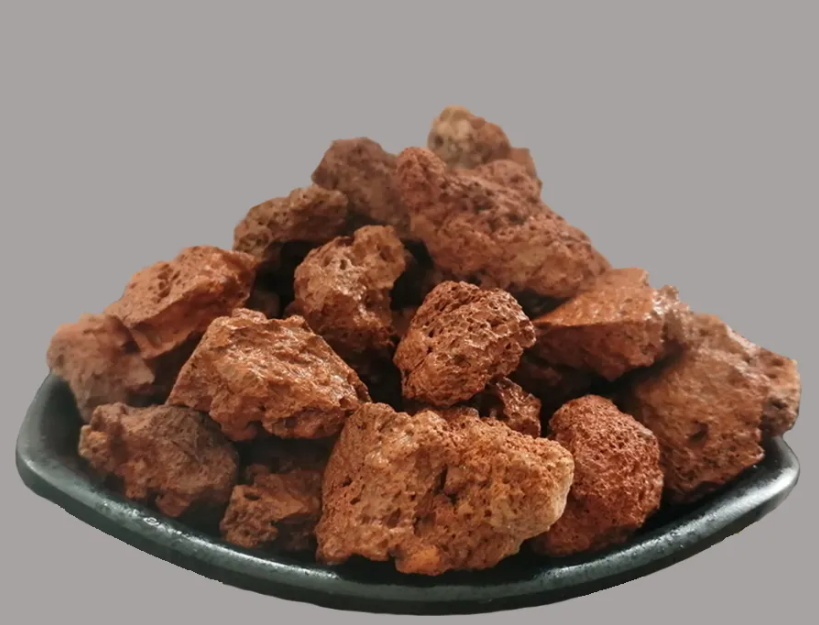
Lava volcanic stone is the porous, lightweight cousin in the volcanic family. Scientifically, it's often scoria or vesicular basalt. This is the stone that is literally frozen foam, riddled with countless air pockets (vesicles) from trapped volcanic gases. This unique structure gives lava volcanic stone its standout properties. First, it's extremely lightweight, making it easy and cost-effective to transport and handle compared to solid stone. Second, it's highly porous, which translates to excellent drainage and aeration. This makes it a superstar in horticulture. Mixed into soil, it prevents compaction, allows roots to breathe, and helps regulate moisture—holding some water while letting excess drain away. It's a key ingredient in potting mixes for succulents, orchids, and other plants that hate "wet feet." Its rough texture and neutral pH make it ideal. In aquatics and aquascaping, lava volcanic stone is invaluable. Its porous surface provides a perfect home for beneficial nitrifying bacteria, which are essential for breaking down waste in fish tanks and ponds. Aquarists also use it to build dramatic, natural-looking underwater landscapes. Furthermore, its insulating properties are utilized in green building as a component in lightweight, insulating concrete blocks. For gardeners, pond keepers, and eco-builders, lava volcanic stone is a functional, natural, and sustainable material that solves multiple problems at once.
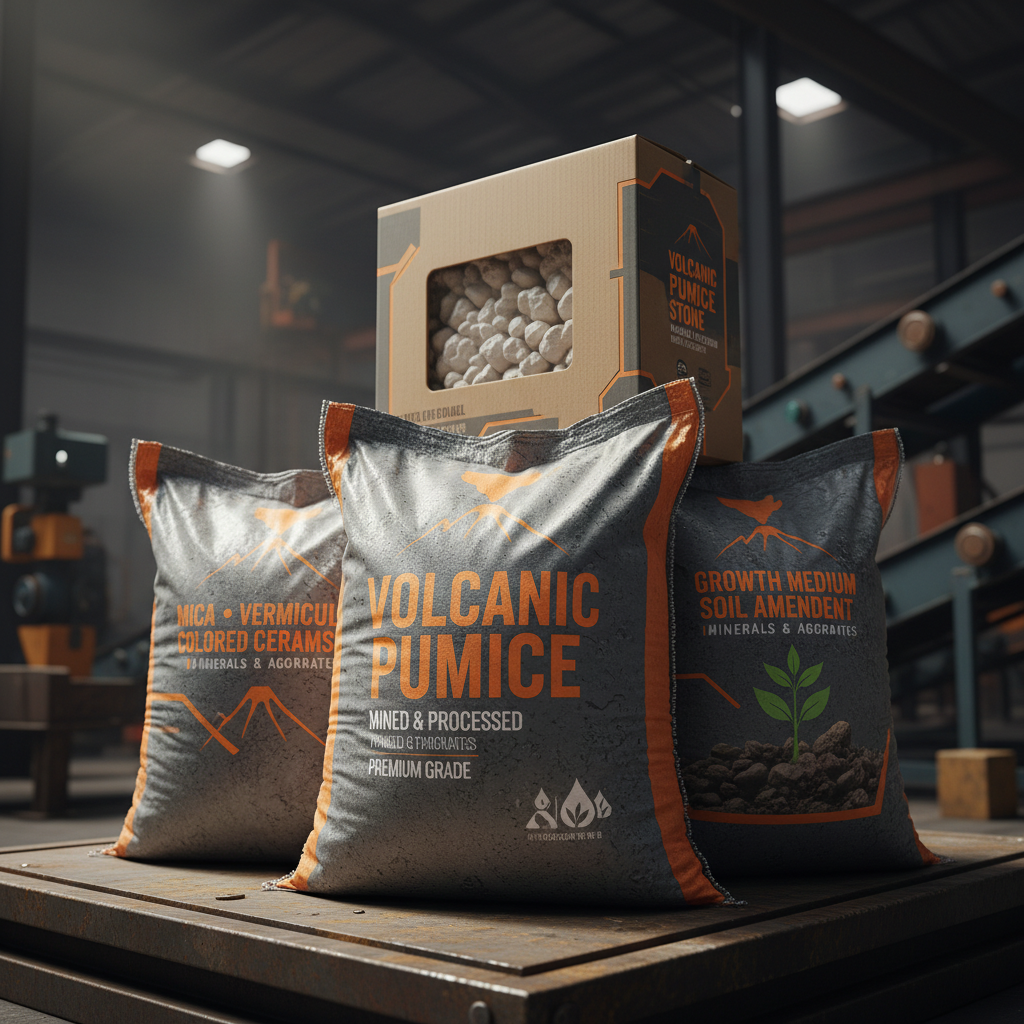
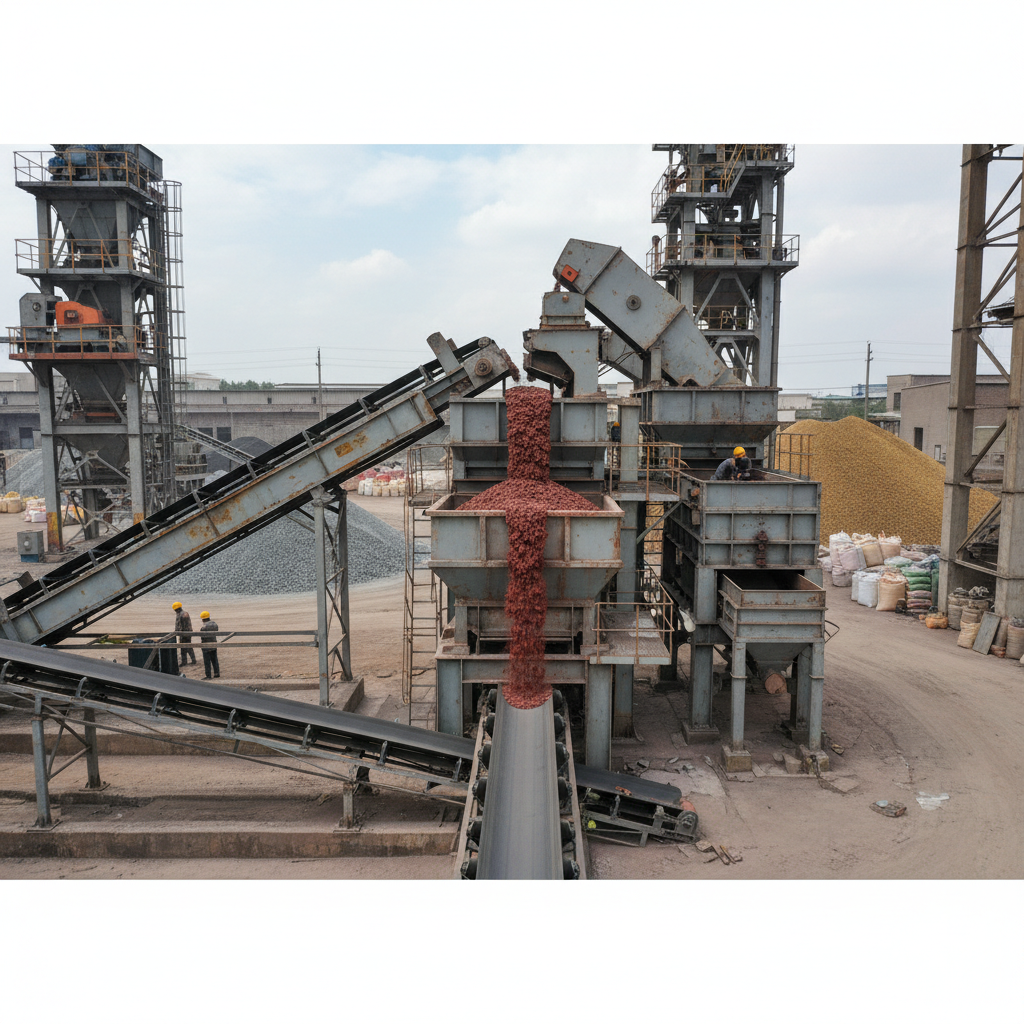
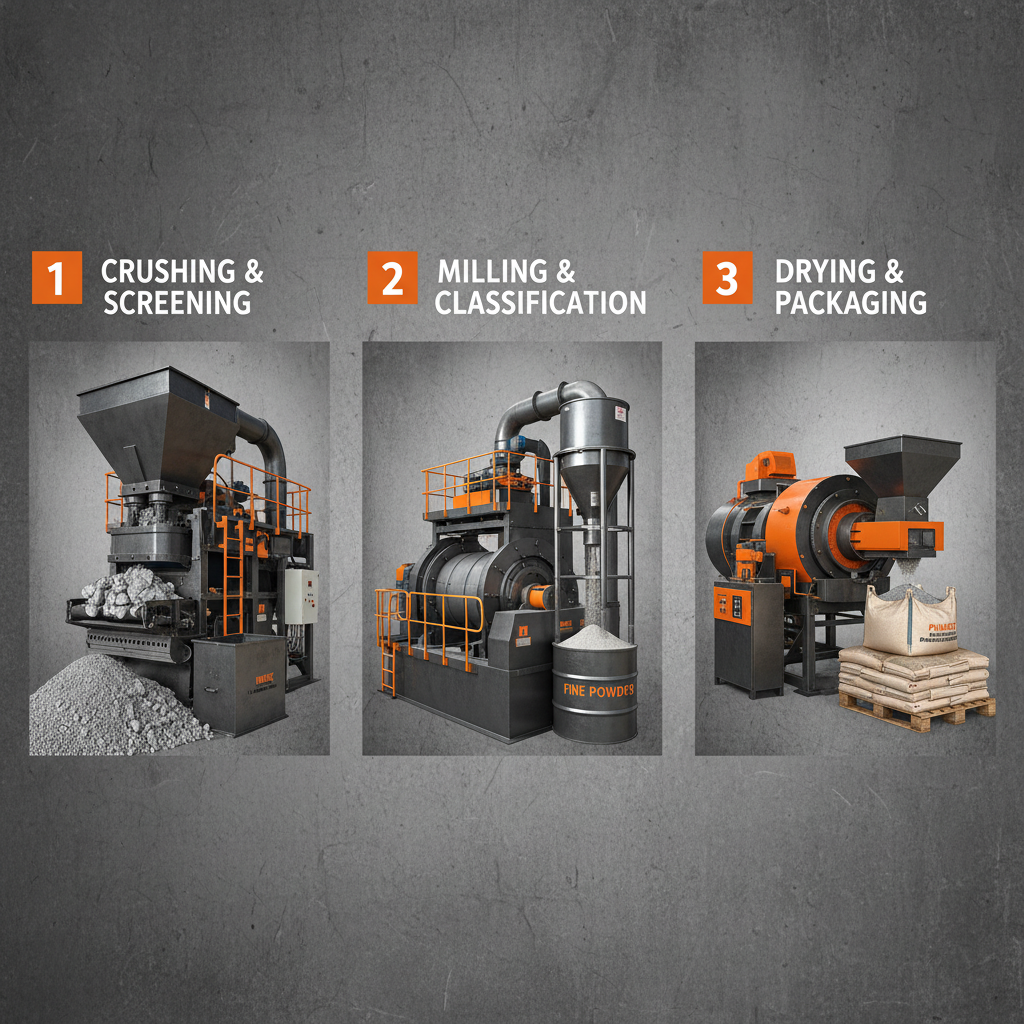
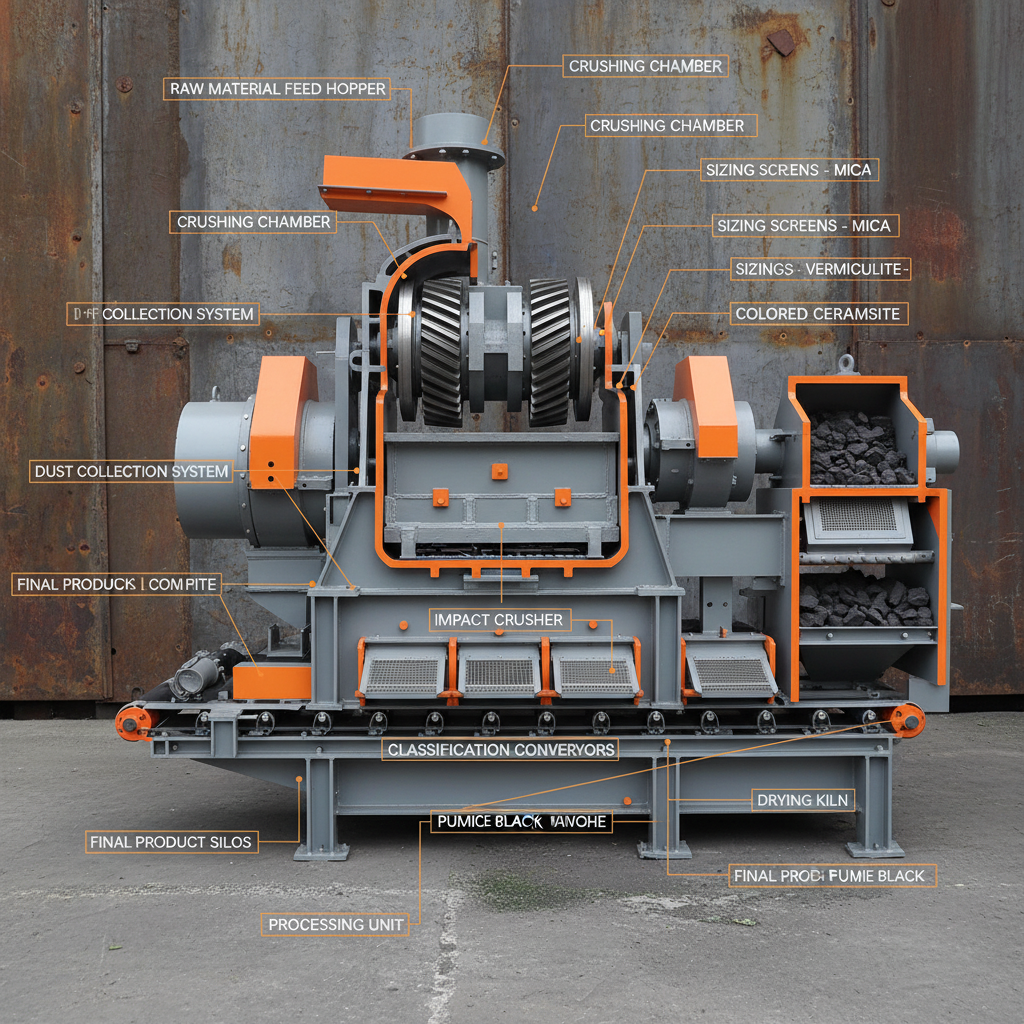
To harness the true benefits of volcanic stone, sourcing from a reputable supplier with access to quality deposits is crucial. The characteristics of volcanic stone types can vary significantly based on their geological origin. We specialize in providing authentic, high-grade volcanic stone products, sourced from rich volcanic regions. Our product line encompasses the full spectrum: from the dense, elegant black volcanic stone perfect for hardscaping, to the porous, horticultural-grade lava volcanic stone, and even decorative specimens that showcase the crystalline beauty some call black volcanic crystal. We understand that different applications demand different specifications. A landscaping contractor needs consistent size and color in bulk. A hobbyist aquarist needs a porous, aquarium-safe stone. A designer seeks perfectly flat tiles or striking boulders. We process the raw stone—crushing, screening, tumbling, and cutting—to create products tailored for these specific uses. Our commitment is to provide more than just rock; we provide the right stone solution. Whether you're building a patio, creating a succulent garden, designing a water feature, or sourcing aggregate, we offer the natural durability, beauty, and functionality of genuine volcanic stone, backed by reliable supply and expert knowledge to help you choose the perfect type for your project.
Ready to build, design, or grow with the unparalleled qualities of volcanic stone? Don't settle for imitations or unsuitable materials. Whether your vision calls for the sleek sophistication of black volcanic stone, the functional porosity of lava volcanic stone, or the general durability of volcanic stone, we have the perfect natural solution.Visit our website now to explore our extensive catalog of volcanic stone types. Browse our galleries for inspiration, check technical specifications for different grades and sizes, and use our convenient online tools to request a quote for your residential or commercial project. Our team is ready to assist you—from helping you calculate the amount you need to advising on the best stone for your specific climate and application.Embrace the timeless beauty and proven performance of stone forged by the Earth itself. Contact us today, and let's discuss how authentic volcanic stone can bring strength, style, and sustainability to your next project.
Volcanic Stone FAQs
What's the difference between black volcanic stone and lava volcanic stone?
Black volcanic stone (like basalt) is typically dense, solid, and fine-grained. It's heavy, very strong, and used for paving, walls, and decorative rock. Lava volcanic stone (like scoria) is the porous, "frothy" version. It's lightweight, full of holes, and used for drainage, soil aeration, filtration, and as a lightweight aggregate. They come from the same source but have very different structures and uses.
Can I use lava volcanic stone in my potted plants?
Absolutely! Lava volcanic stone is excellent for potted plants. Mix small chunks (1/4" to 1/2") into your potting soil to dramatically improve drainage and aeration, preventing root rot. It's especially good for succulents, cacti, orchids, and any plant that requires well-draining soil. You can also use a layer at the bottom of a pot (instead of pebbles) to improve drainage.
Is volcanic stone safe for my aquarium or pond?
Yes, but with an important caveat. You must use lava volcanic stone that is specifically sold for aquarium/pond use or that you have confirmed is inert. Some volcanic stones can alter water pH. The porous lava volcanic stone is ideal as it provides surface area for beneficial bacteria. Always rinse it thoroughly and test it in a bucket of water for a few days before adding it to your tank to ensure it doesn't change the water chemistry.
How do I clean black volcanic stone pavers or decor?
For general cleaning, sweep regularly and occasionally rinse with a garden hose. For stains or algae on exterior stone, a solution of water and white vinegar or a dedicated stone cleaner (always test in an inconspicuous area first) can be used. Avoid harsh acids or high-pressure washers on high settings, as they can etch or damage the stone's surface over time. Its dark color generally hides dirt well.
Why choose volcanic stone over other landscaping rocks?
Volcanic stone offers unique advantages. Black volcanic stone provides a unmatched modern, sleek look. Lava volcanic stone is incredibly lightweight, making it easier to spread than heavier rocks. All volcanic stone types are extremely durable, weather-resistant, and won't decompose. It's a natural, long-lasting, and low-maintenance material that adds both function and dramatic natural beauty to any landscape.