- Afrikaans
- Albanian
- Arabic
- Belarusian
- Bengali
- Czech
- Danish
- Dutch
- English
- Finnish
- French
- Galician
- German
- Greek
- Hebrew
- Hungarian
- Indonesian
- irish
- Italian
- Japanese
- Javanese
- kazakh
- Khmer
- Rwandese
- Korean
- Kyrgyz
- Lao
- Latin
- Latvian
- Lithuanian
- Malay
- Maltese
- Mongolian
- Myanmar
- Norwegian
- Persian
- Polish
- Portuguese
- Romanian
- Russian
- Serbian
- Slovak
- Spanish
- Swedish
- Tagalog
- Thai
- Turkish
- Ukrainian
- Vietnamese
- Welsh
As advanced industries demand materials that can withstand high temperatures, offer chemical stability, and deliver consistent purity, fused sand has become a critical component across manufacturing sectors. From electronics to aerospace, the transformation of raw quartz into fused silica sand or quartz sand glass forms the foundation of many high-tech processes. The journey from glass of sand to ultra-pure materials reflects not only scientific precision but also the growing need for high-performance solutions in a competitive, technology-driven world.
Fused Silica Sand: The Backbone Of High-Temperature Applications
Fused silica sand is created by melting high-purity glass silica sand or quartz at extreme temperatures, then rapidly cooling it to form a non-crystalline, amorphous structure. The result is a highly durable and stable material known for its resistance to thermal shock and minimal thermal expansion.
This makes fused silica sand ideal for applications in precision casting, semiconductor moldings, and even the lining of furnaces. Industries like metallurgy and electronics prefer fused sand for its consistency and purity, essential for maintaining production integrity at elevated temperatures. Moreover, fused silica sand is non-reactive with most chemicals, further widening its range of industrial uses.
As the demand for durable, non-porous materials grows, fused sand is gaining popularity in additive manufacturing (3D printing), optical components, and high-spec engineering projects.
From Glass Silica Sand To Quartz Sand Glass: Precision And Purity
The source of high-quality fused sand often starts with glass silica sand, which contains a high percentage of silicon dioxide (SiO₂). This natural sand is refined and heated to create quartz sand glass—a dense, clear, and heat-resistant material frequently used in laboratory glassware, lighting components, and fiber optics.
Quartz sand glass offers excellent transparency, low thermal expansion, and high dielectric strength, making it invaluable in industries requiring exact optical and electrical performance. Whether used in telescope lenses or semiconductor photomasks, the clarity and purity of glass silica sand influence every stage of the transformation into functional, reliable components.
Even glass of sand, a poetic way to describe the transformation from granular raw material into gleaming sheets of glass, reveals the importance of material science in shaping modern technologies.
Hot Sands Glass And Glasses Sand: Innovation In Design And Art
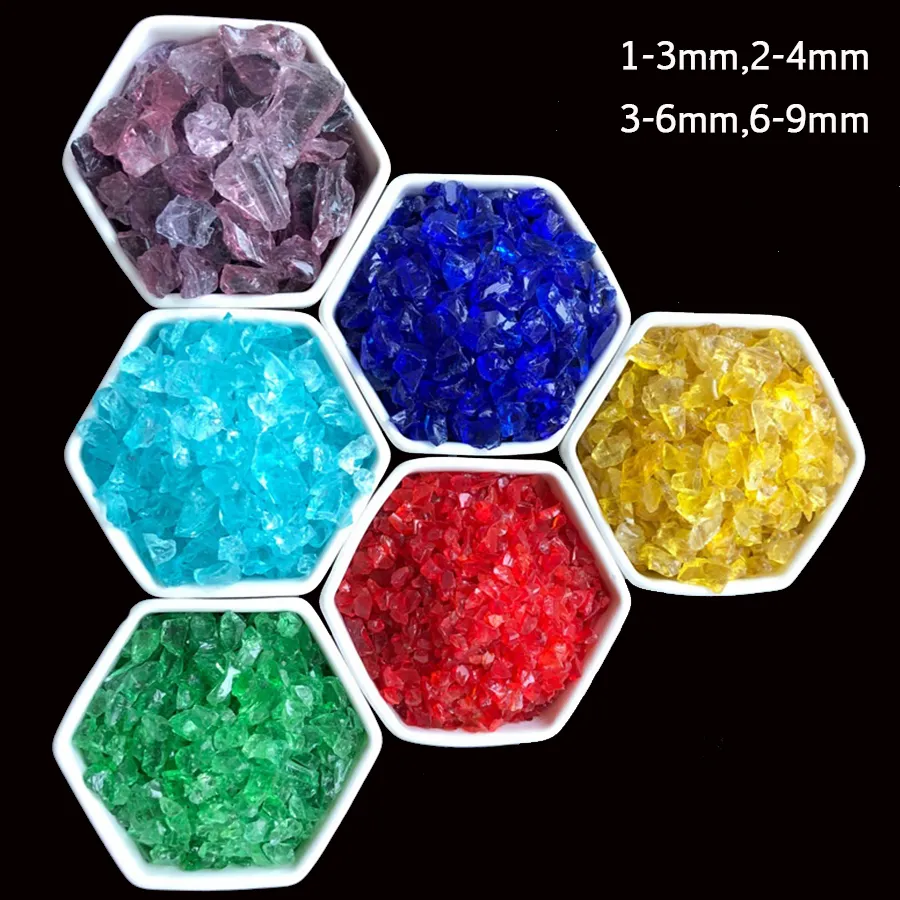
Outside the industrial realm, hot sands glass refers to the artistic side of molten glass, where glasses sand is transformed through intense heat into unique, handcrafted works. Glassblowers and artisans use glass silica sand or recycled glass as the base material, heating it to over 1,000°C and manipulating it into vases, sculptures, and architectural pieces.
These creative applications rely on the same thermal principles as industrial production but focus on form, color, and light reflection. Glasses sand, whether in powdered or granular form, serves as a foundation for both functional and decorative pieces. In this space, hot sands glass bridges tradition and innovation—where centuries-old techniques meet modern materials and tools.
This artistic expression still requires high-quality raw materials, such as fused sand or quartz sand glass, especially in applications like stained glass windows, UV-blocking coatings, or even architectural facades in smart cities.
From high-tech production lines to the fiery furnaces of glass studios, fused sand plays an essential role in transforming humble grains into extraordinary products. Whether in the form of fused silica sand, glass silica sand, or quartz sand glass, this material continues to power industries and inspire creativity.
As global industries evolve, so too does the demand for materials that balance purity, durability, and versatility. With options like hot sands glass, glass of sand, and glasses sand, we are reminded that even the most advanced technologies are built on the most elemental natural resources—transformed through knowledge, heat, and vision.

اخبار مرتبط