- Afrikaans
- Albanian
- Arabic
- Belarusian
- Bengali
- Czech
- Danish
- Dutch
- English
- Finnish
- French
- Galician
- German
- Greek
- Hebrew
- Hungarian
- Indonesian
- irish
- Italian
- Japanese
- Javanese
- kazakh
- Khmer
- Rwandese
- Korean
- Kyrgyz
- Lao
- Latin
- Latvian
- Lithuanian
- Malay
- Maltese
- Mongolian
- Myanmar
- Norwegian
- Persian
- Polish
- Portuguese
- Romanian
- Russian
- Serbian
- Slovak
- Spanish
- Swedish
- Tagalog
- Thai
- Turkish
- Ukrainian
- Vietnamese
- Welsh
Field Notes on Batu Putih: specs, sourcing, and real-world performance
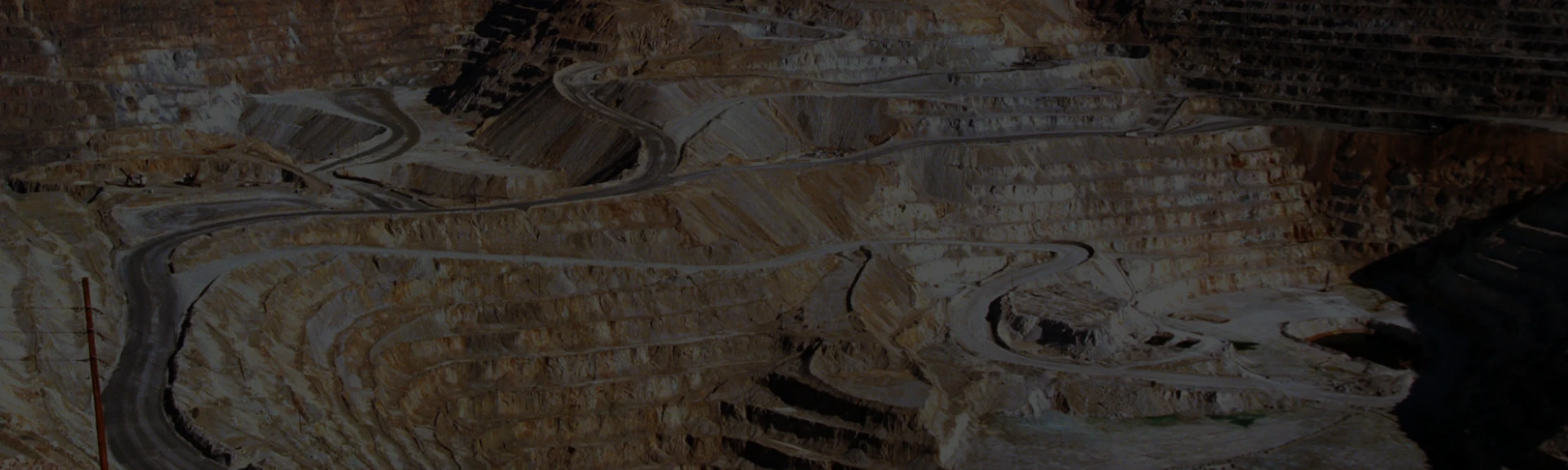
I’ve walked the quarries above Lubai Mountain Village, South Yanchuan, Lingshou County, Shijiazhuang, Hebei. Cool mornings, pale rock, and the quiet clatter of screens. That’s where this aggregate begins. In a market tilting toward brighter, low-maintenance finishes, Batu Putih has become the go-to for terrazzo, resin floors, roof gardens, and those Instagrammable courtyards every hotel is chasing. To be honest, the reason is simple: consistent color, easy compaction, and predictable performance if you vet your vendor.
Origin, material profile, and the trend line
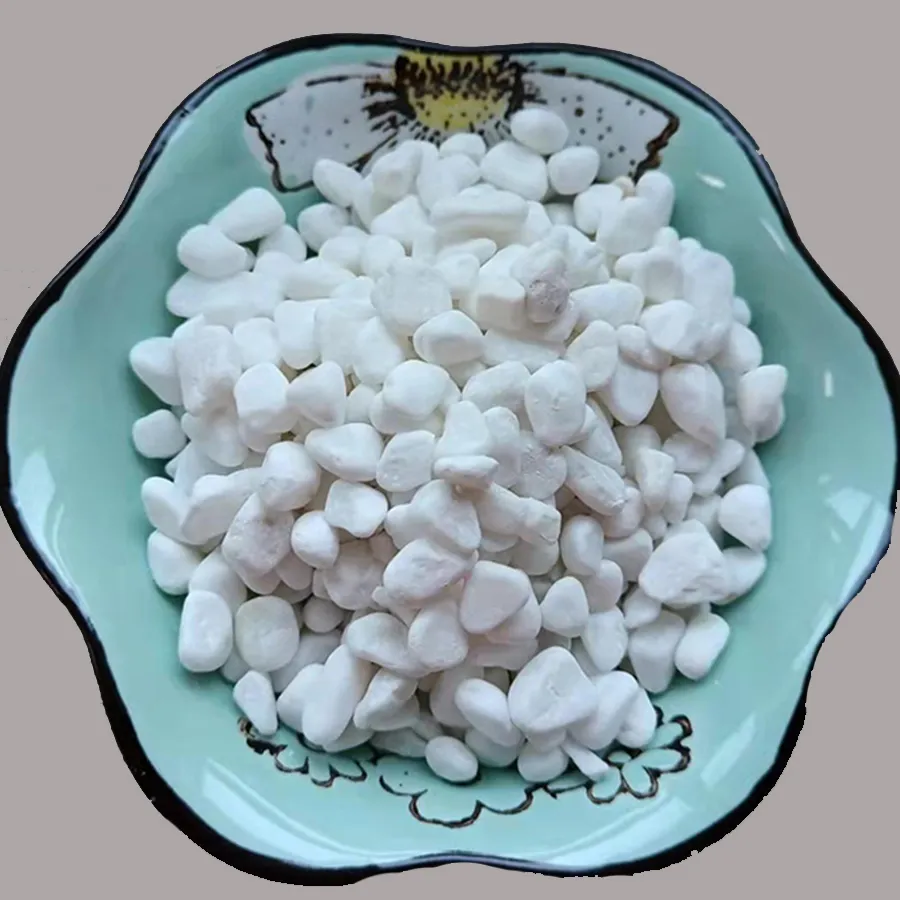
Origin: Lubai Mountain Village, South Yanchuan, Lingshou County, Shijiazhuang City, Hebei, China. The deposit here yields a clean calcitic base—what many buyers casually call marble aggregate. In practice, Batu Putih is washed, graded, and kiln-dried for predictable results in mixes and decorative beds. Demand is climbing in precast benches, exposed-aggregate panels, and permeable paving; architects want brightness without glare, and maintenance teams want stone that brushes clean after a storm.
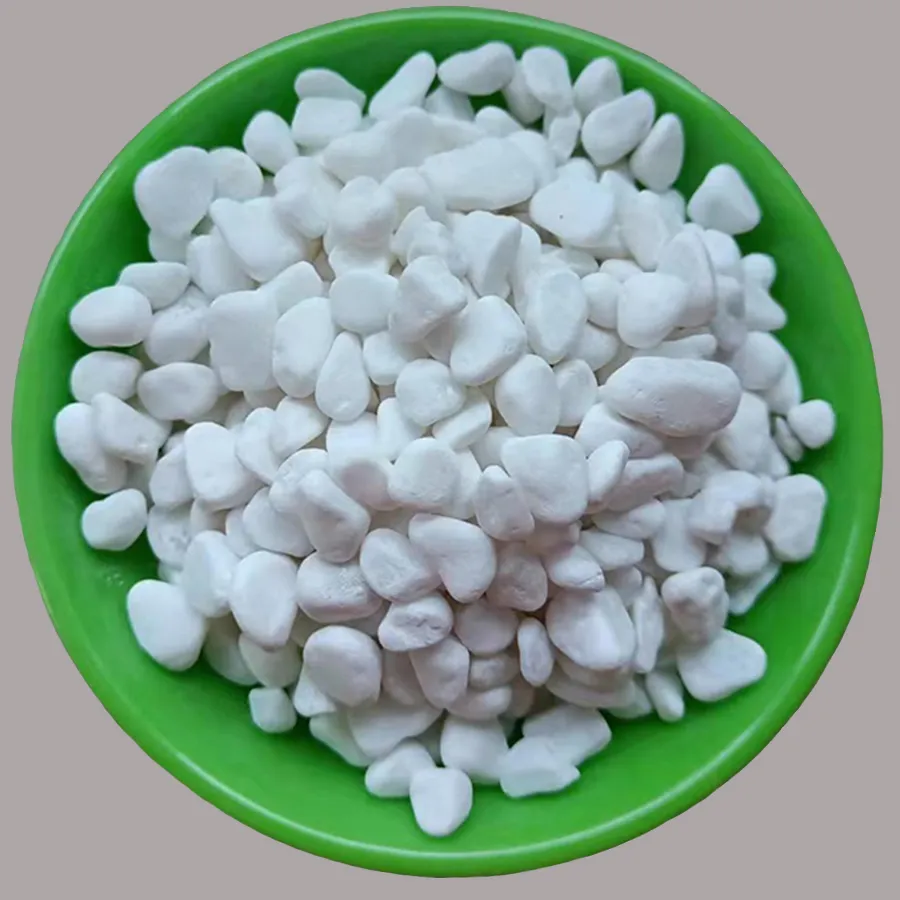
Key specifications (typical, real-world use may vary)
| Parameter | Typical value | Notes |
|---|---|---|
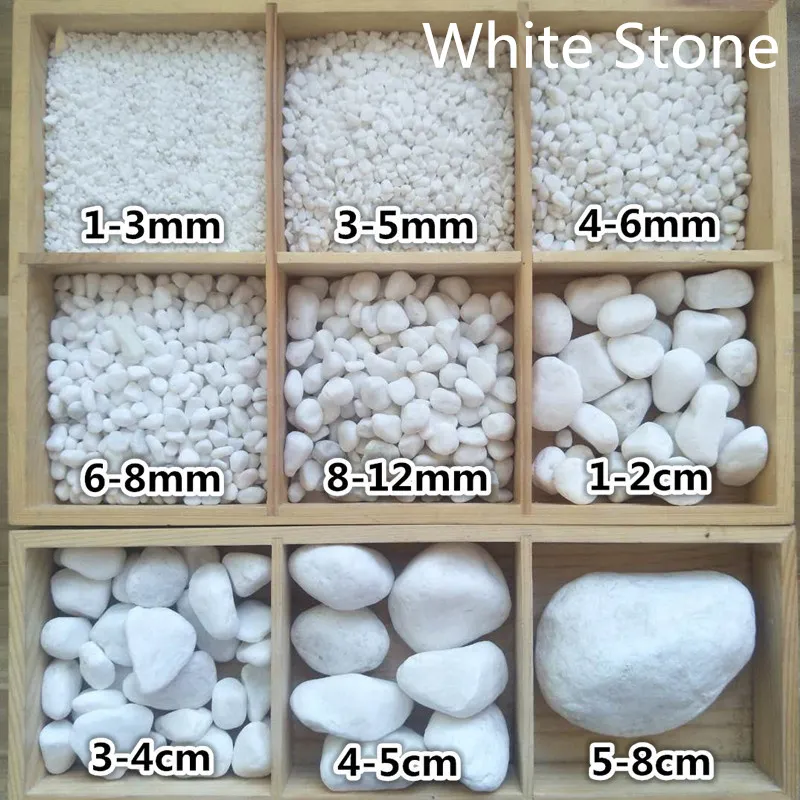
| Grain size range | 1–80 mm | Screened per order; tighter bands on request |
| Color | White (L ≈ 90–94) | Instrumental Lab color; field appearance depends on binder |
| Chemistry | CaCO3 ≥ 95% | Calcitic base, low Fe; cosmetic-grade look |
| Hardness | Mohs ≈ 3 | Gentle on polishing pads; easy to cut |
| Water absorption (ASTM C97) | ≈ 0.3–0.6% | Batch COA provided |
| Compressive strength (ASTM C170) | ≈ 90–120 MPa | Crushed marble aggregate |
| Bulk density | 1.50–1.65 t/m³ | Loose, dry |
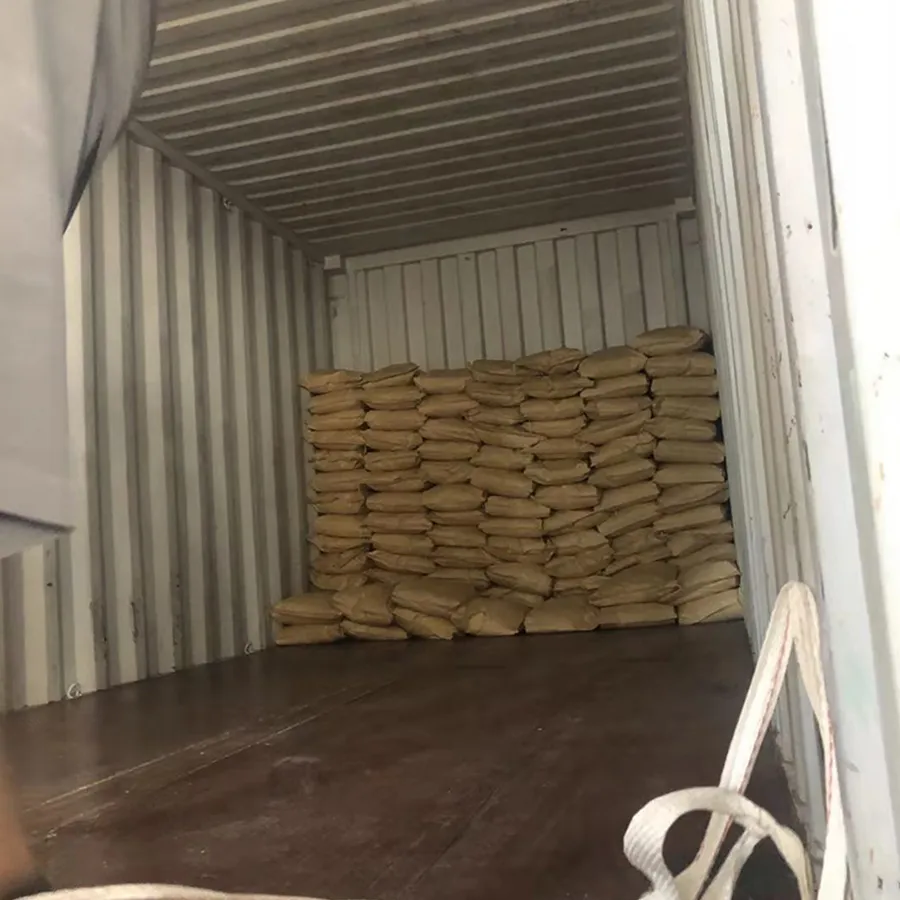
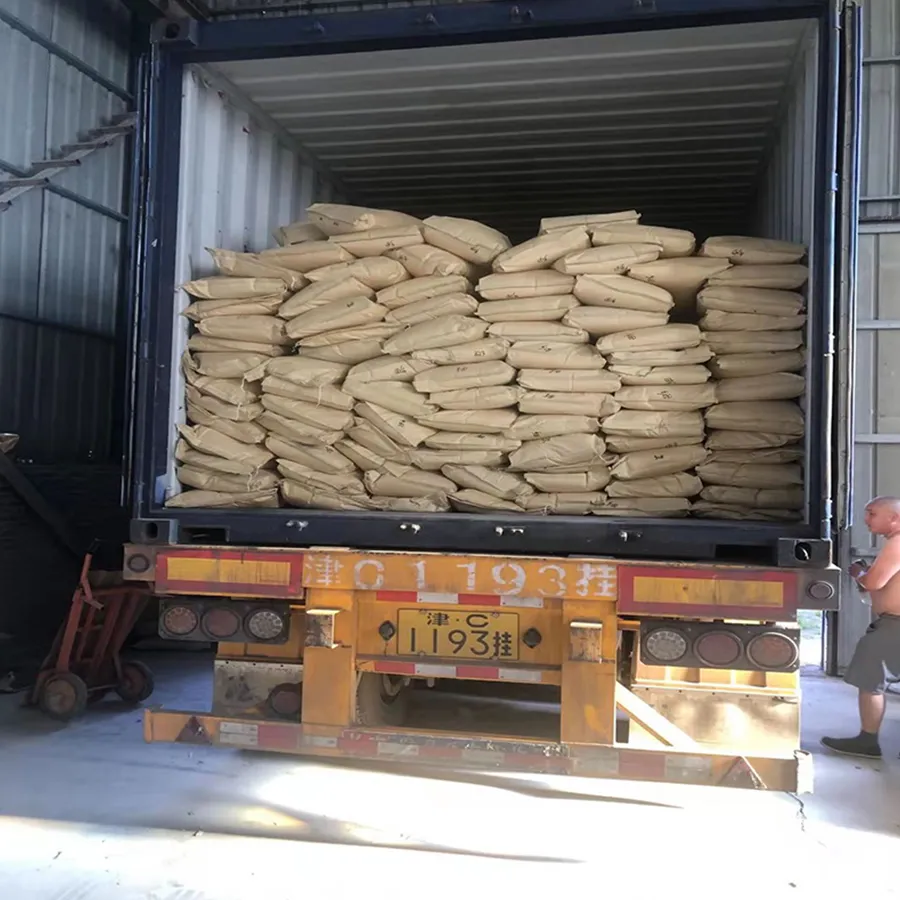
| Packaging | 25 kg bags, 1 t big-bags, bulk | Heat-sealed, palletized |
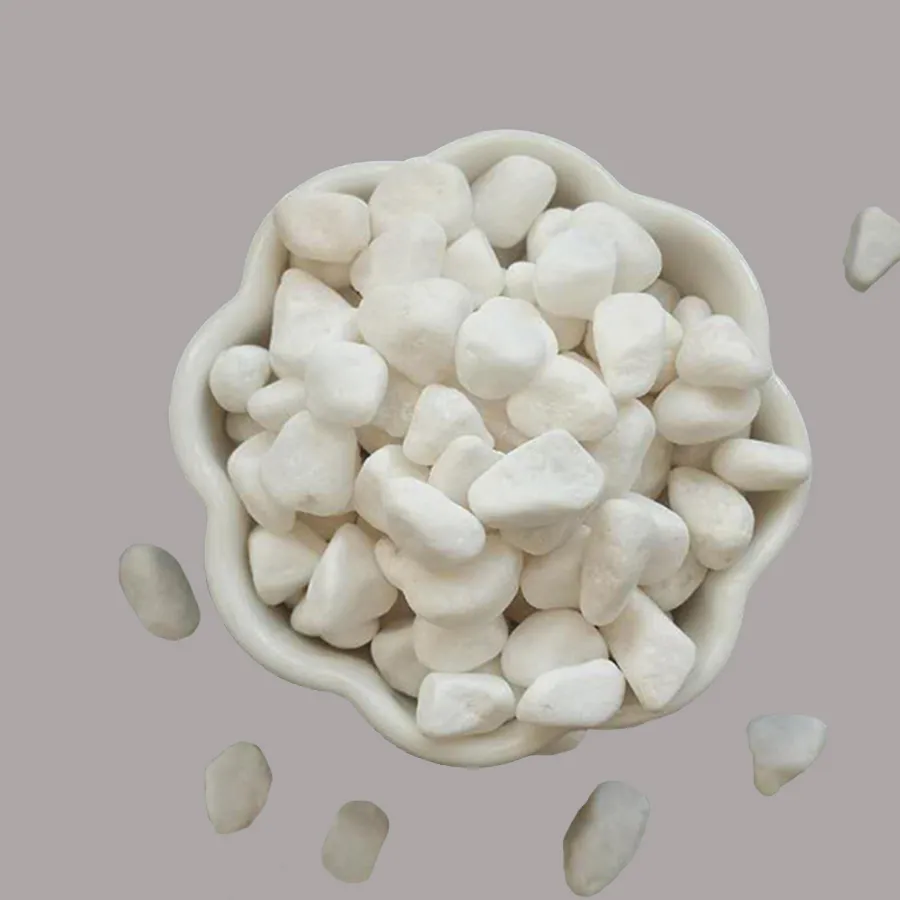
Process flow, QC, and service life
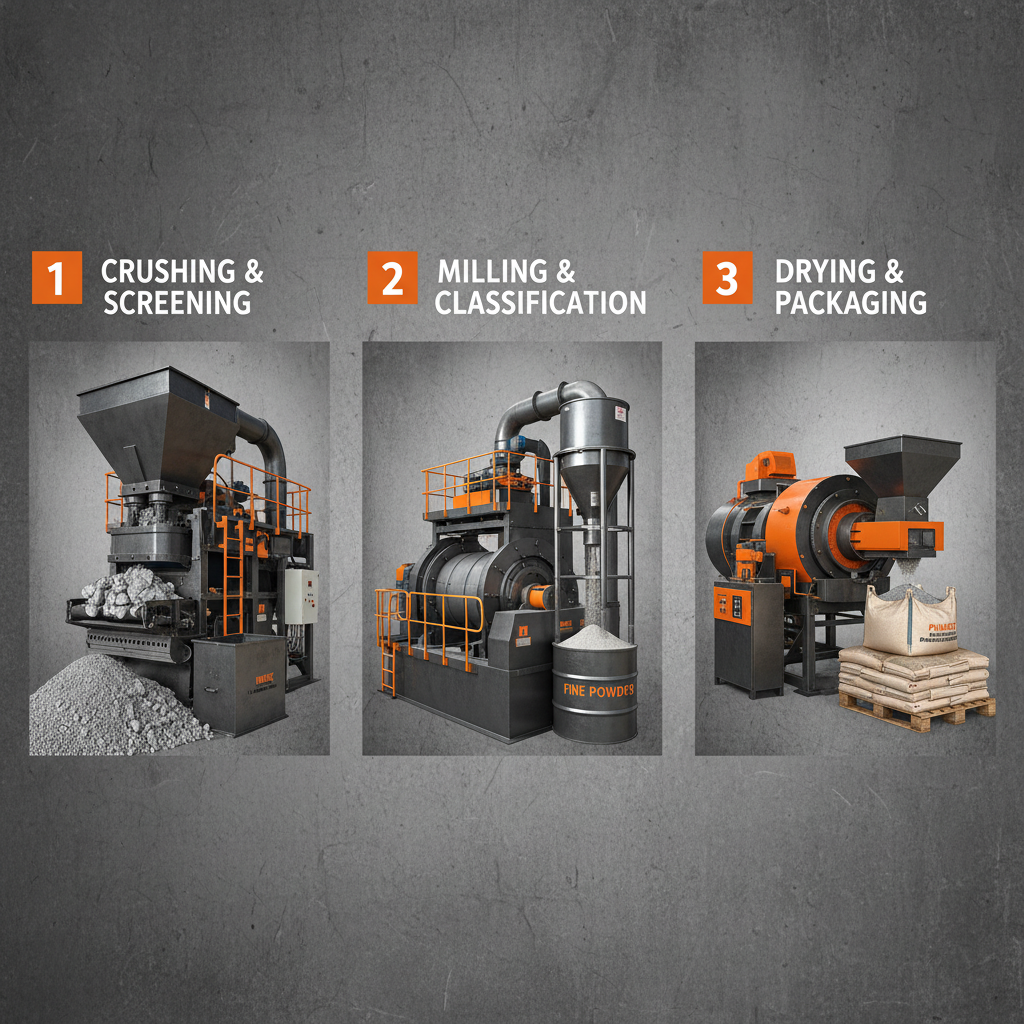
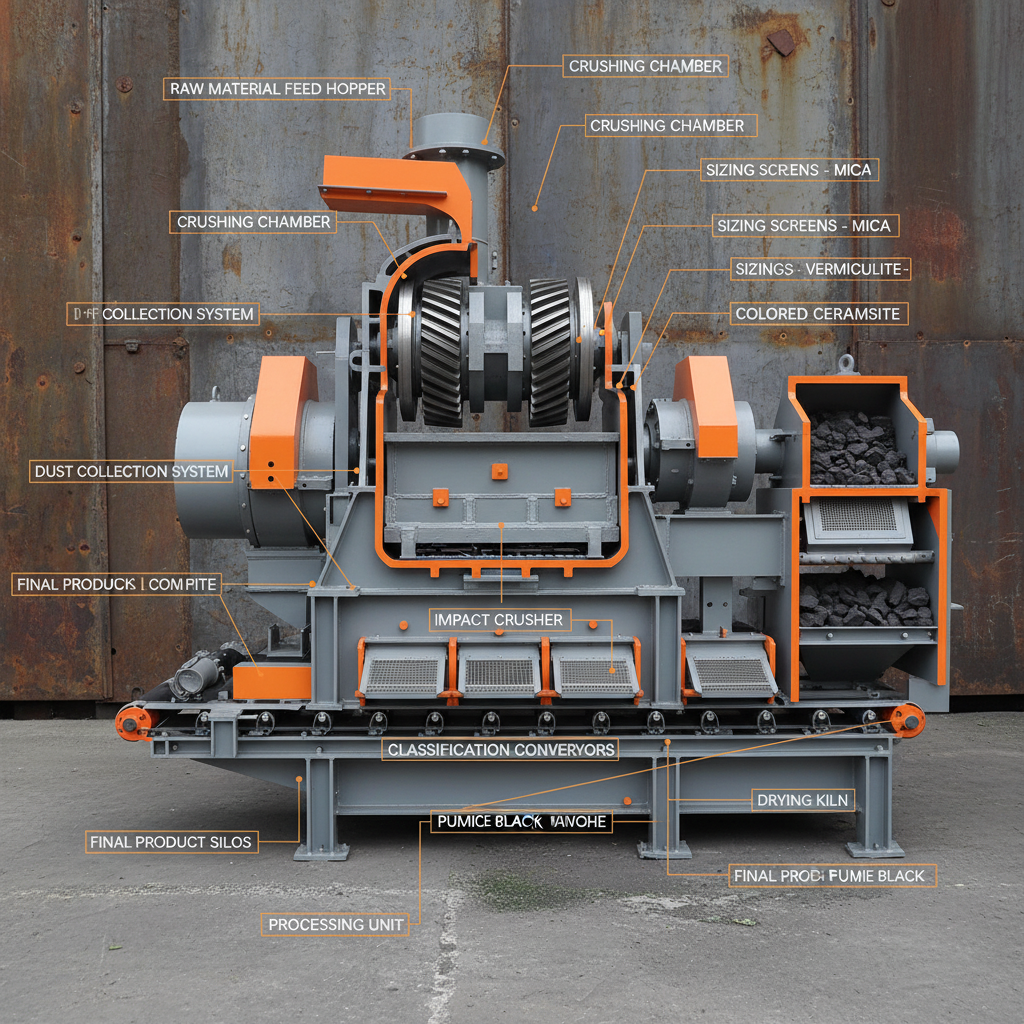
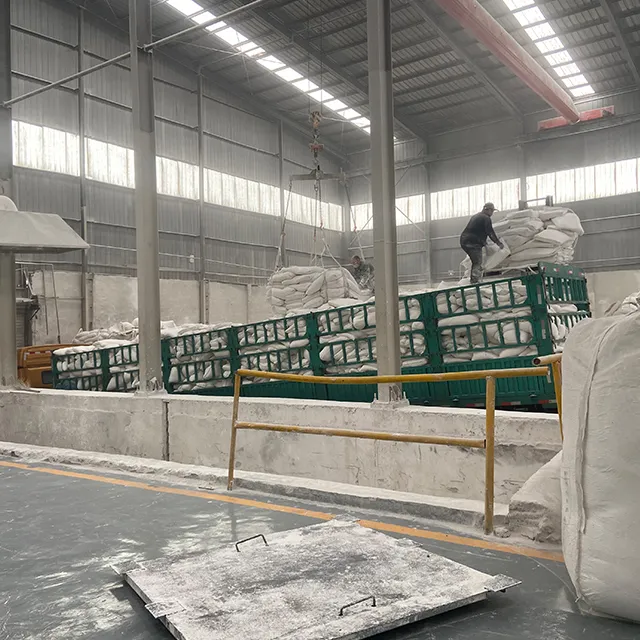
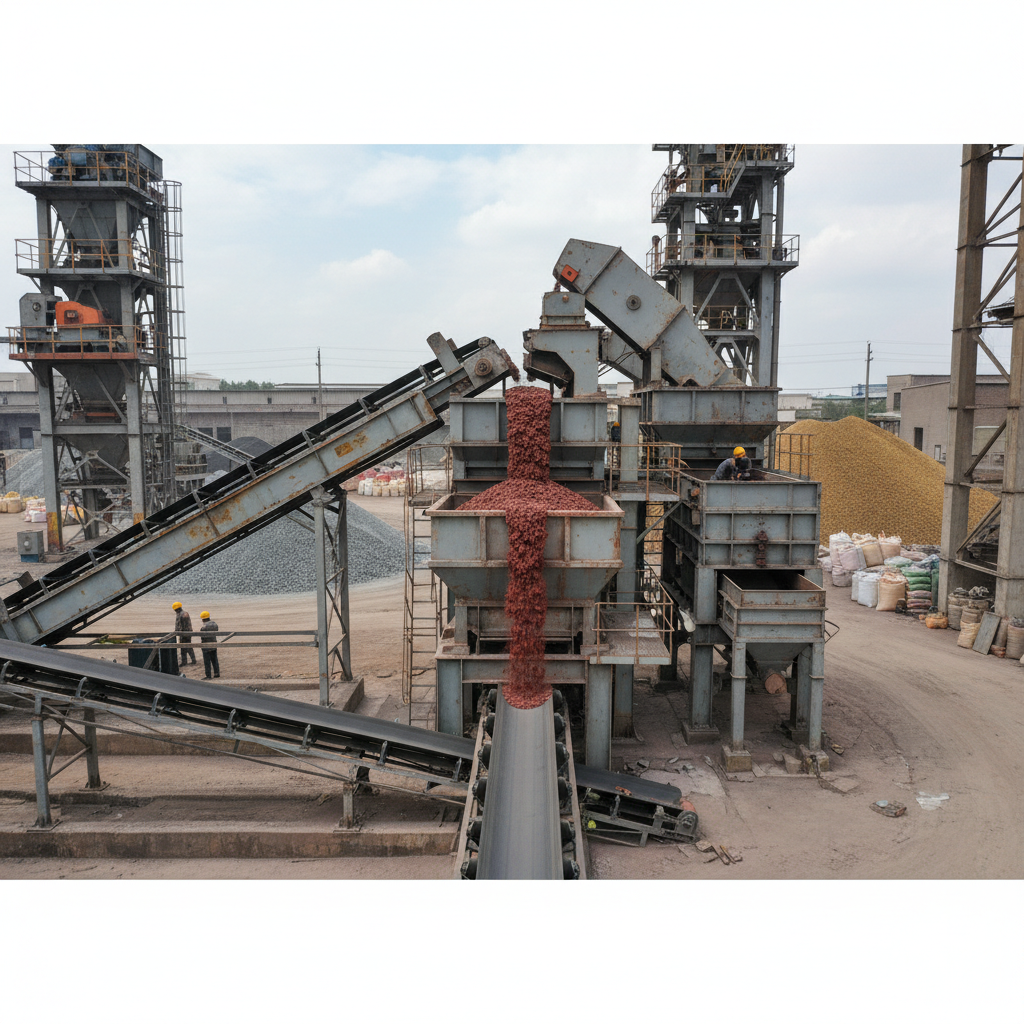
Materials: quarry-select blocks → primary crush → multi-deck screening (1–3–5–10–20–40–80 mm) → high-pressure washing → optical sorting → kiln drying → anti-dust conditioning → bagging.
Methods and tests: sieve analysis (ASTM C136), water absorption and density (ASTM C97), compressive strength (ASTM C170), freeze–thaw for slabs/units reference (EN 12371), radioactivity compliance (GB 6566 A-class), whiteness and L spectro readings. Typical service life: outdoors 8–15 years in landscaping beds (with seasonal washing), interior terrazzo/resin floors 20+ years. Actually, heavy urban soot can dull any white aggregate; a mild alkaline wash restores brightness.
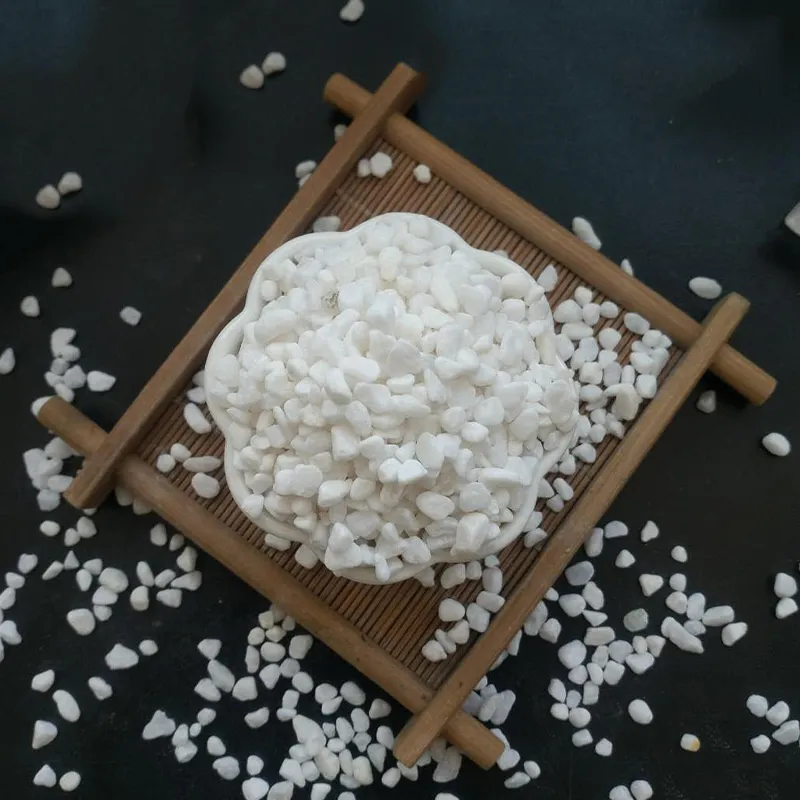
Where it’s used (and a few candid notes)
- Terrazzo and epoxy floors: Batu Putih pops with small black fleck or mirror chips.
- Exposed aggregate precast: benches, planters, facade panels.
- Landscape beds and pathways: cools visual temperature; low glare at dusk.
- Roof gardens and reflective toppings: helps with SRI targets.
- Water features: fine, though calcitic stones can raise pH—test if you keep koi.
Many customers say the color holds surprisingly well through two winters; I’ve seen some patios that looked photo-ready after a quick rinse.
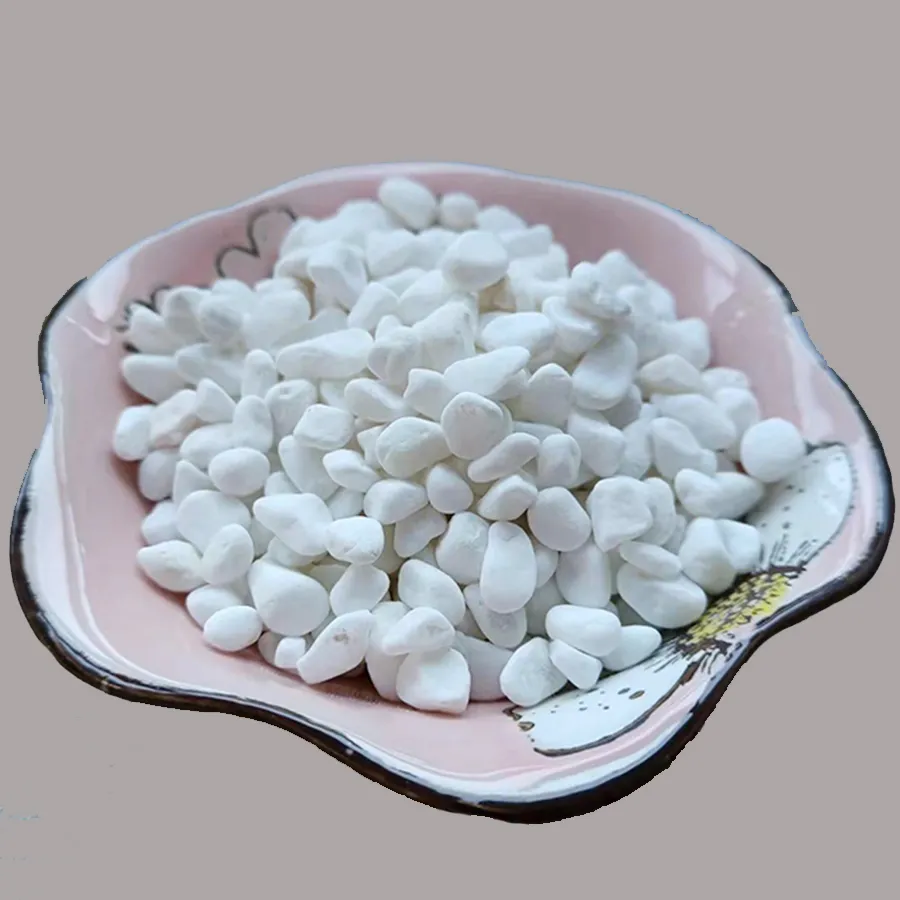
Vendor comparison (practical buying factors)
| Vendor | Quarry control | Color consistency | Custom sizing | Lead time | Certs |
|---|---|---|---|---|---|
| Baifeng Mining (Hebei) | Yes | High (L tracking) | Wide; 1–80 mm bands | 15–25 days | COA, ISO 9001 |
| Generic Importer A | No | Medium | Limited | 35–45 days | Supplier COA |
| Regional Quarry B | Yes | Medium–High | Moderate | 20–30 days | ISO 9001/14001 |
Customization
Size curves (e.g., 1–3, 3–5, 5–10 mm), rounded vs. angular, extra washing for epoxy-grade, silane-compatible surface conditioning, kiln-dry ≤ 0.2% moisture, and low-dust packing. MOQs typically start at 20 t, but sample pallets are doable. If you need ultra-white for gallery floors, ask for the high-L batch with tighter optical sorting—worth the extra dollar, I guess.
Case studies and feedback
Batu Putih 3–5 mm in a hotel lobby terrazzo (UAE): after 18 months, housekeeping reported ≈12% lower stain-removal time versus mixed-color aggregate; gloss retention stayed above 70 GU. Riverside park pathway (East China): 10–20 mm landscaping grade, two freeze–thaw winters, no spalling; brightness restored with quarterly wash. As always, prep and binder matter more than marketing.
Compliance and documentation
Typical export batches ship with COA (C97/C170 data), sieve curves (C136), EN 12371 freeze–thaw reference, GB 6566 A-class radioactivity statement, and ISO 9001 QMS. If your spec calls for EPD or CE for stone units, ask early—paperwork takes time. Final note: keep samples sealed; Batu Putih can pick up ambient dust and skew your lab’s whiteness read.
Citations
- ASTM C97/C97M – Standard Test Methods for Absorption and Density of Natural Stone
- ASTM C170/C170M – Standard Test Method for Compressive Strength of Dimension Stone
- EN 12371 – Natural stone test methods: Frost resistance
- GB 6566-2010 – Limits of radionuclides in building materials (China)
- ISO 9001 – Quality management systems
Pawarta sing gegandhengan