- Afrikaans
- Albanian
- Arabic
- Belarusian
- Bengali
- Czech
- Danish
- Dutch
- English
- Finnish
- French
- Galician
- German
- Greek
- Hebrew
- Hungarian
- Indonesian
- irish
- Italian
- Japanese
- Javanese
- kazakh
- Khmer
- Rwandese
- Korean
- Kyrgyz
- Lao
- Latin
- Latvian
- Lithuanian
- Malay
- Maltese
- Mongolian
- Myanmar
- Norwegian
- Persian
- Polish
- Portuguese
- Romanian
- Russian
- Serbian
- Slovak
- Spanish
- Swedish
- Tagalog
- Thai
- Turkish
- Ukrainian
- Vietnamese
- Welsh
Introduction to Petroleum Coke and Calcined Petroleum Coke
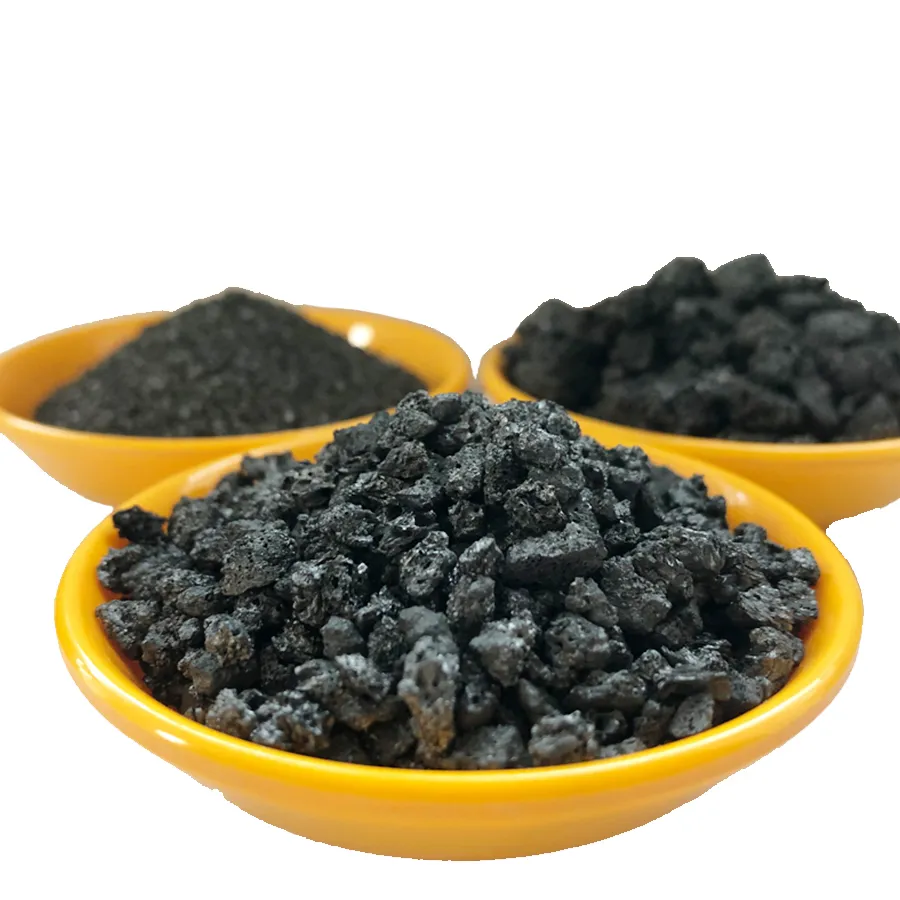
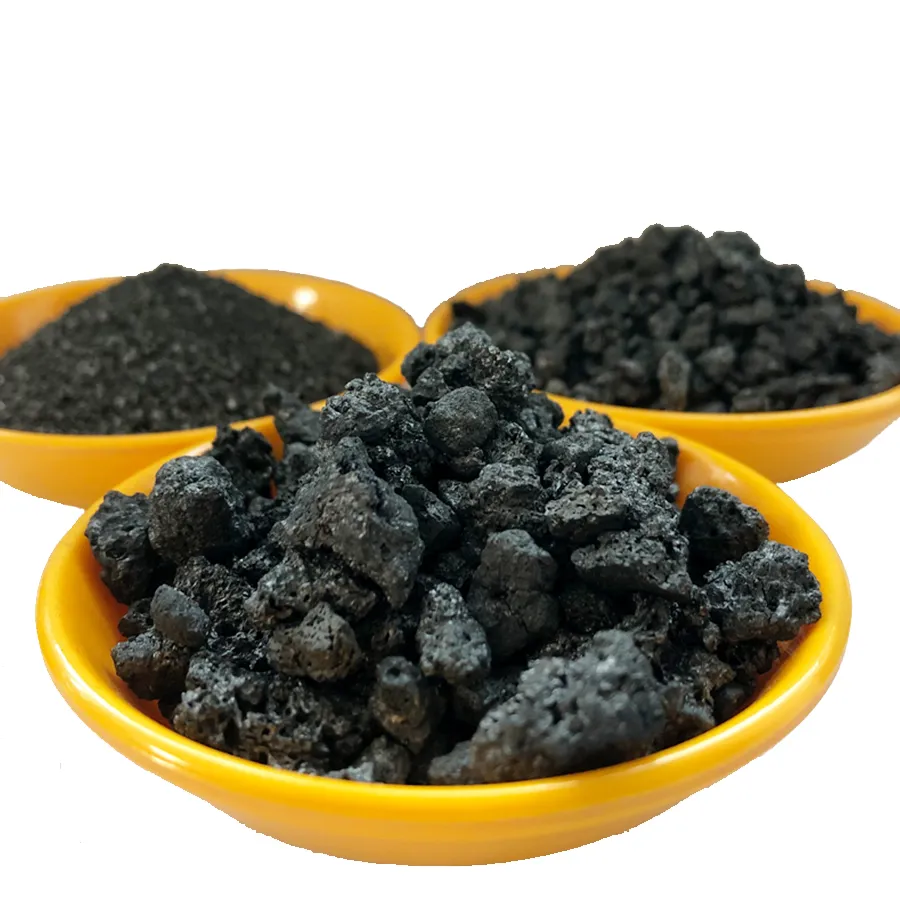
In the intricate landscape of industrial raw materials, ປິໂຕລຽມໂຄ້ກ/ຄາຊີນີນ ເປໂຕຣລຽມໂຄກ stands as a critical carbonaceous solid, a byproduct of the oil refining process. Its distinct properties, particularly high carbon content and low ash, position it as an indispensable component across various heavy industries. Petroleum coke, often referred to as green coke, is directly obtained from delayed coking units. Its subsequent thermal treatment, known as calcination, transforms it into Calcined Petroleum Coke (CPC), significantly enhancing its purity, electrical conductivity, and mechanical strength. This material is paramount for applications demanding high-grade carbon, driving processes in metallurgy, chemicals, and energy sectors globally.
Understanding the nuanced differences and specific applications of green coke versus its calcined counterpart is essential for optimizing industrial processes and ensuring product quality. From anode production for aluminum smelting to recarburizers in steel manufacturing, the integrity and precise specifications of this material directly impact operational efficiency and end-product performance. Our expertise lies in delivering premium-grade solutions tailored to the exacting demands of modern industrial enterprises.
Manufacturing Process Flow
The production of ປິໂຕລຽມໂຄ້ກ/ຄາຊີນີນ ເປໂຕຣລຽມໂຄກ involves a highly controlled, multi-stage thermochemical process, starting from the heaviest fractions of crude oil.
1. Green Petroleum Coke Production (Delayed Coking)
- Raw Materials: The primary feedstock is vacuum residue, the heaviest fraction derived from crude oil distillation, characterized by high carbon content and various impurities.
- Heating: The vacuum residue is preheated in a furnace to approximately 480-520°C (896-968°F), ensuring it is in a near-liquid state.
- Coking Drums: The hot feedstock is then fed into large, refractory-lined coking drums. Under carefully controlled temperature and pressure, heavy hydrocarbons undergo thermal cracking and polymerization reactions. This process converts the heavy liquid into lighter hydrocarbon vapors, which are removed, and a solid carbonaceous material—green petroleum coke—is deposited within the drum.
- Cooling & Decoking: Once a drum is full of green coke, it is switched offline for cooling (quenched with water or steam) and then decoked. Decoking typically involves hydraulic jet cutting, where high-pressure water streams are used to cut and remove the solid coke from the drum.
- Crushing & Sizing: The decoked green coke is then transported to a crushing and sizing unit to achieve the desired particle size distribution for subsequent handling or calcination.
2. Calcined Petroleum Coke (CPC) Production (Calcination)
Calcination is a crucial thermal upgrading process for green petroleum coke, transforming it into CPC with enhanced properties essential for specialized applications.
- Kiln Feeding: Green coke is fed into a rotary kiln or a shaft kiln, both specifically engineered for high-temperature processing. The machinery for these kilns often involves precision components manufactured using advanced CNC machining, forging, and specialized casting techniques to withstand extreme thermal and mechanical stresses, ensuring a long service life and reliable operation.
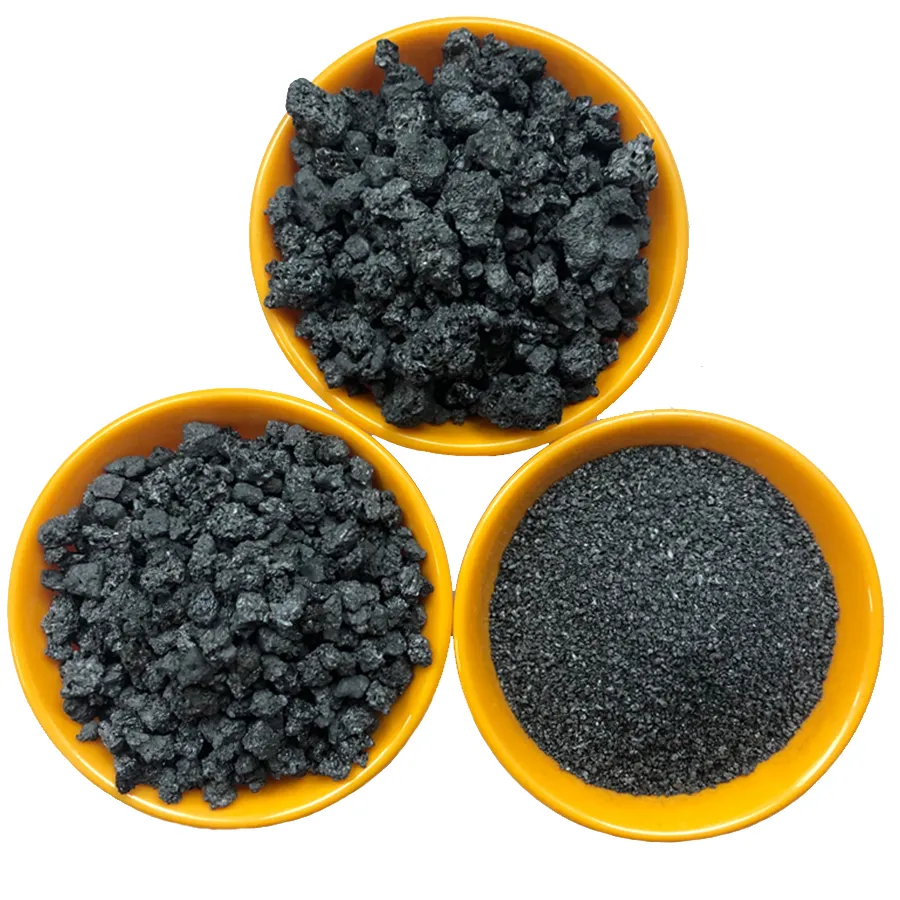
- Thermal Treatment: Inside the kiln, the green coke is subjected to extreme temperatures, typically ranging from 1200°C to 1400°C (2192-2552°F), in a low-oxygen environment. This process drives off residual volatile matter (moisture, hydrocarbons), significantly increases the material's bulk density, enhances its structural integrity, and critically, reduces its electrical resistivity.
- Cooling: After calcination, the hot CPC is rapidly cooled in a dedicated cooler (e.g., rotary cooler) to prevent re-oxidation and ensure safe handling.
- Grinding & Screening: The cooled CPC may undergo further crushing, grinding, and screening to achieve the precise particle size distribution required by end-users.
Testing Standards and Quality Assurance
Throughout both stages, rigorous quality control measures are implemented. Samples are regularly tested to ensure compliance with international standards such as ASTM D480 (Standard Test Methods for Sampling and Analysis of Petroleum Coke) and ISO 15528. These tests evaluate parameters like sulfur content, ash content, volatile matter, moisture, fixed carbon, real density, and electrical resistivity. Our commitment to these standards guarantees product consistency and reliability. The service life of the resulting ປິໂຕລຽມໂຄ້ກ/ຄາຊີນີນ ເປໂຕຣລຽມໂຄກ, when integrated into applications like aluminum anodes, is directly influenced by its initial purity and structural integrity, which our stringent manufacturing process ensures.
Industry Trends and Market Dynamics
The market for ປິໂຕລຽມໂຄ້ກ/ຄາຊີນີນ ເປໂຕຣລຽມໂຄກ is continually evolving, driven by global industrial growth, environmental regulations, and technological advancements. Key trends include:
- Growing Demand from Aluminum Industry: The primary driver for CPC demand remains the global aluminum industry, particularly for anode production in electrolytic aluminum smelting. As urbanization and industrialization accelerate, so does the demand for aluminum, directly impacting the CPC market.
- Environmental Regulations and Low-Sulfur CPC: Stringent environmental regulations worldwide are pushing for lower sulfur emissions. This has led to an increasing preference and demand for low-sulfur ປິໂຕລຽມໂຄ້ກ/ຄາຊີນີນ ເປໂຕຣລຽມໂຄກ, driving refiners to process lighter, sweeter crudes or invest in desulfurization technologies.
- Feedstock Volatility: The supply and pricing of petroleum coke are inherently linked to crude oil refining operations and global oil prices. Fluctuations in crude oil supply, refinery utilization rates, and shifts in crude slate (e.g., preference for lighter crudes) directly impact the availability and cost of green coke feedstock.
- Technological Advancements in Calcination: Continuous research and development in calcination technology focus on improving energy efficiency, reducing emissions, and enhancing the quality consistency of CPC. Innovations aim to achieve tighter control over key parameters like electrical resistivity and real density.
- Circular Economy and Carbon Footprint: There's a growing industry focus on sustainability and reducing the carbon footprint associated with both coke production and its end-use applications. This includes exploring waste heat recovery in calcination and optimizing electrode consumption in aluminum smelting.
Technical Specifications and Parameters
The performance of ປິໂຕລຽມໂຄ້ກ/ຄາຊີນີນ ເປໂຕຣລຽມໂຄກ in industrial applications is dictated by a precise set of technical parameters. Our products are rigorously tested to meet or exceed industry benchmarks. Below are typical specifications for both green petroleum coke and calcined petroleum coke.
Typical Green Petroleum Coke Specifications
| Parameter | Unit | Typical Range | ASTM Test Method |
|---|---|---|---|
| Sulfur Content | % (wt) | 0.5 - 5.0 | D4294 |
| Ash Content | % (wt) | 0.1 - 0.5 | D3174 |
| Volatile Matter | % (wt) | 8.0 - 15.0 | D3175 |
| Moisture Content | % (wt) | 0.5 - 8.0 | D3173 |
| Fixed Carbon | % (wt) | 78.0 - 90.0 | D3172 |
| HGI (Hardgrove Grindability Index) | Index | 30 - 60 | D409 |
Typical Calcined Petroleum Coke (CPC) Specifications
| Parameter | Unit | Typical Range | ASTM Test Method |
|---|---|---|---|
| Sulfur Content | % (wt) | 0.3 - 4.5 | D4294 |
| Ash Content | % (wt) | 0.05 - 0.3 | D3174 |
| Volatile Matter | % (wt) | 0.05 - 0.5 | D3175 |
| Moisture Content | % (wt) | 0.05 max | D3173 |
| Real Density (g/cm³) | g/cm³ | 2.03 - 2.10 | D2638 |
| Electrical Resistivity | µΩ·m | 500 - 650 | D6120 |
| Fixed Carbon | % (wt) | 98.5 - 99.5 | D3172 |
These parameters are critical in determining suitability for various applications. For instance, low sulfur and low volatile matter are paramount for anode-grade CPC, directly impacting the energy efficiency and environmental profile of aluminum production. High real density indicates a well-graphitized structure, while specific electrical resistivity is crucial for electrode performance.
Application Scenarios and Technical Advantages
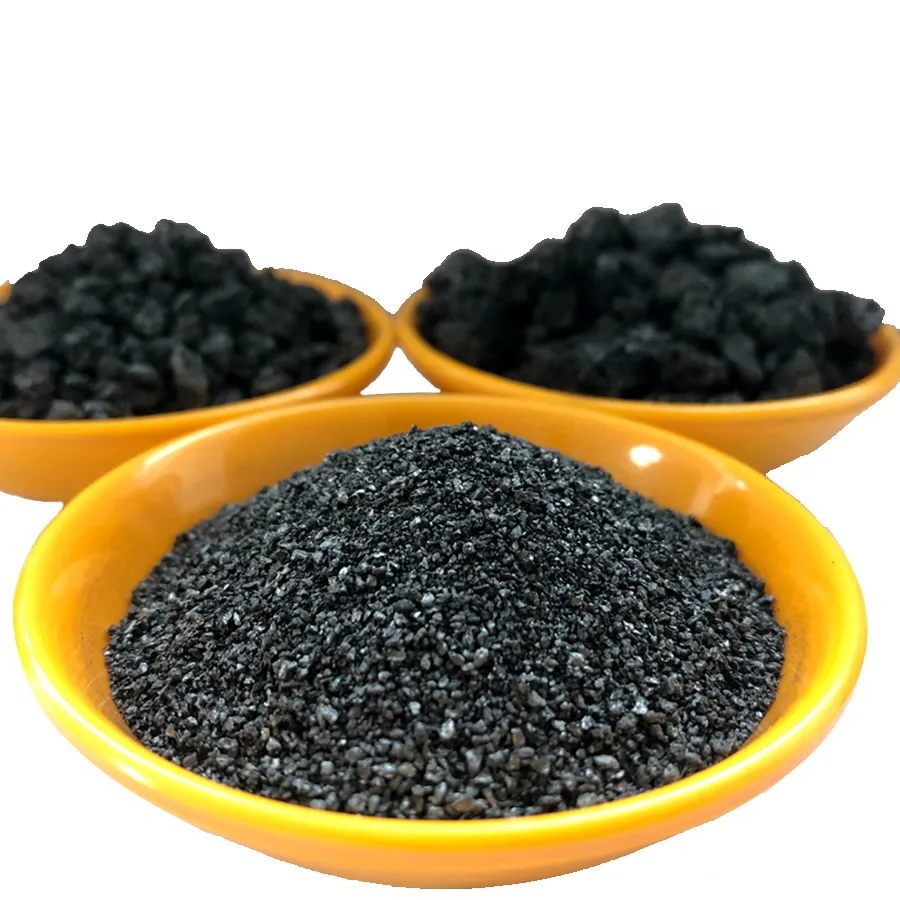
The versatility and unique properties of ປິໂຕລຽມໂຄ້ກ/ຄາຊີນີນ ເປໂຕຣລຽມໂຄກ make it indispensable across a spectrum of heavy industries. Its primary advantages stem from its high carbon content, low impurity profile, and tailored electrical and physical characteristics post-calcination.
Target Industries and Key Applications:
- Aluminum Industry (Primary Anode Material): CPC is the fundamental raw material for manufacturing pre-baked anodes and cathode blocks used in the Hall-Héroult process for aluminum smelting. Its high electrical conductivity, low ash, and low volatile matter ensure efficient electrolytic reduction of alumina, maximizing energy saving and minimizing anode consumption. The longevity of these anodes, often several weeks, is directly proportional to the quality and consistency of the CPC used.
- Steel Industry (Recarburizer/Carbon Raiser): Both green petroleum coke and CPC are utilized as recarburizers or carbon additives in electric arc furnaces (EAFs) and induction furnaces. They are crucial for adjusting the carbon content in steel alloys, improving mechanical properties, and acting as a foaming agent for slag management, which contributes to energy saving by reducing heat loss.
- Chemical Industry (Titanium Dioxide, Silicon Carbide, Fertilizers): Certain grades of petroleum coke serve as a carbon reductant in the production of titanium dioxide (TiO2), silicon carbide (SiC), and as a feedstock for various chemical derivatives. The controlled impurity levels are vital to prevent contamination in sensitive chemical processes.
- Graphite Electrode Manufacturing: High-purity CPC is a key ingredient in the production of graphite electrodes, which are essential for electric arc furnaces in steelmaking and other high-temperature industrial applications. The excellent electrical properties and thermal shock resistance imparted by quality CPC are critical for electrode performance and service life.
- Energy Sector (Fuel): High-sulfur green petroleum coke, unsuitable for anode-grade applications, is widely used as a fuel in cement kilns, power plants, and industrial boilers, providing an efficient energy source due to its high calorific value.
Technical Advantages:
- High Carbon Purity: Offers a consistent and concentrated source of carbon, essential for reduction processes and material composition.
- Low Ash Content: Minimizes undesirable impurities in end products, enhancing material quality and reducing waste.
- Controlled Electrical Resistivity (CPC): Crucial for efficient electrical conduction in electrodes and anodes, directly translating to energy saving in electrolysis and arc furnaces.
- Excellent Thermal Stability: Withstands high temperatures without significant degradation, critical for its performance in furnaces and kilns.
- Density and Mechanical Strength: Calcination improves the real density and mechanical strength of coke, making it more durable and resistant to erosion or corrosion in demanding environments like electrode wear.
- Predictable Reactivity: Consistent quality ensures predictable reaction kinetics, optimizing process control and yield in chemical and metallurgical applications.
Vendor Comparison and Baifeng Mining's Differentiators
Selecting the right supplier for ປິໂຕລຽມໂຄ້ກ/ຄາຊີນີນ ເປໂຕຣລຽມໂຄກ is paramount for maintaining consistent product quality and operational efficiency. While many vendors exist, Baifeng Mining distinguishes itself through a commitment to unparalleled quality, bespoke solutions, and robust technical support.
Key Differentiators of Baifeng Mining:
- Consistent Quality Assurance: We employ stringent quality control protocols at every stage, from feedstock selection to final product inspection. Our adherence to international standards (e.g., ISO 9001, ASTM) ensures that every batch of ປິໂຕລຽມໂຄ້ກ/ຄາຊີນີນ ເປໂຕຣລຽມໂຄກ consistently meets or exceeds specified parameters, minimizing process deviations for our clients.
- Technical Expertise & Support: Our team comprises seasoned metallurgists and chemical engineers who provide comprehensive technical assistance, aiding clients in material selection, application optimization, and troubleshooting to enhance their processes.
- Reliable Supply Chain: With established long-term partnerships with reputable refineries and robust logistics networks, we ensure a stable and timely supply of materials, mitigating supply chain risks for our customers.
- Customized Product Development: Recognizing that standard specifications may not always align with unique operational requirements, we specialize in developing customized coke grades. This includes tailoring sulfur content, volatile matter, ash, and particle size distribution to precise client needs.
- Competitive Value: By optimizing our production processes and supply chain, we offer superior quality products at competitive price points, ensuring excellent value for investment without compromising performance.
- Environmental Compliance: We prioritize sustainable practices and ensure that our products and processes comply with evolving environmental regulations, supporting our clients' own sustainability goals.
Choosing Baifeng Mining means partnering with a supplier dedicated to fostering long-term success through superior product quality, technical partnership, and operational reliability.
Customized Solutions
At Baifeng Mining, we understand that standard product specifications for ປິໂຕລຽມໂຄ້ກ/ຄາຊີນີນ ເປໂຕຣລຽມໂຄກ may not always perfectly align with the specific operational parameters or end-product requirements of every client. Our expertise extends beyond standard offerings to provide fully customized solutions designed to optimize your processes and enhance performance.
Our customization capabilities include:
- Tailored Chemical Composition: Adjusting sulfur content (e.g., ultra-low sulfur for specialty alloys), ash percentage, or volatile matter to meet precise purity requirements for sensitive applications like nuclear graphite or high-purity chemical production.
- Optimized Physical Characteristics: Customizing particle size distribution (PSD) for specific furnace designs or mixing processes, ensuring optimal packing density, reactivity, and dust control. This could range from fine powders to specific granular sizes.
- Enhanced Electrical Properties: Fine-tuning the calcination process to achieve specific electrical resistivity targets for specialized electrode or anode applications, crucial for efficiency in demanding electrochemical processes.
- Logistics and Packaging Solutions: Offering bespoke packaging options, from large bulk shipments to specific bag sizes, and designing optimized logistics plans to ensure timely and cost-effective delivery to challenging locations.
- Collaborative R&D: Partnering with clients on research and development projects to innovate new coke grades or refine existing ones for emerging applications or to address specific performance challenges.
Our technical team works closely with clients through a consultative approach, analyzing operational data, identifying critical parameters, and developing a tailored ປິໂຕລຽມໂຄ້ກ/ຄາຊີນີນ ເປໂຕຣລຽມໂຄກ solution that integrates seamlessly into their production chain. This commitment to customization ensures maximum operational efficiency and superior product outcomes.
Application Case Studies
Our track record of successful implementations underscores our capability to deliver high-performance ປິໂຕລຽມໂຄ້ກ/ຄາຊີນີນ ເປໂຕຣລຽມໂຄກ solutions.
Case Study 1: Optimizing Anode Performance for a Major Aluminum Smelter
A leading global aluminum producer faced challenges with inconsistent anode quality, leading to higher consumption rates and increased energy expenditure in their electrolytic cells. Their existing CPC supplier struggled to maintain precise sulfur and volatile matter content, directly impacting anode density and reactivity.
- Challenge: Inconsistent CPC quality impacting anode service life and energy efficiency.
- Solution: Baifeng Mining engaged with the client's technical team, conducting a thorough analysis of their anode production process and performance metrics. We then supplied a customized low-sulfur, ultra-low volatile matter CPC with tightly controlled real density and electrical resistivity, adhering to strict ISO 9001 quality protocols.
- Results: Over a six-month trial period, the smelter observed a 7% reduction in anode consumption per ton of aluminum produced and a 3% improvement in overall cell energy efficiency. This translated to significant operational cost savings and a reduced carbon footprint, validating our product's superior consistency and performance.
Case Study 2: Enhancing Carbon Addition in Specialty Steel Production
A specialty steel manufacturer required a highly reactive, low-ash carbon additive for precise carbon adjustment in their high-strength low-alloy (HSLA) steel production. Traditional recarburizers resulted in inconsistent carbon pickup and increased slag formation, affecting product purity and production costs.
- Challenge: Inconsistent carbon pickup and excessive slag with existing carbon additives.
- Solution: We developed a finely ground green petroleum coke, optimized for a specific particle size distribution and reactivity, with guaranteed minimal ash and moisture content. This bespoke solution was designed for rapid dissolution and efficient carbon transfer in the client's induction furnaces.
- Results: The client experienced a 12% improvement in carbon recovery rate, leading to reduced material consumption. Slag volume was concurrently decreased by 15%, reducing refractory wear and disposal costs. This allowed for tighter control over steel chemistry and enhanced the metallurgical properties of their HSLA steels.
Quality Assurance and Certifications
Baifeng Mining is committed to delivering ປິໂຕລຽມໂຄ້ກ/ຄາຊີນີນ ເປໂຕຣລຽມໂຄກ of the highest quality, ensuring consistent performance and reliability for our industrial partners. Our rigorous quality management system is certified under ISO 9001, providing a framework for continuous improvement and customer satisfaction.
- ISO 9001 Certification: Our manufacturing and supply processes adhere to the internationally recognized ISO 9001:2015 standard for quality management systems, guaranteeing systematic control over product quality and consistency.
- ASTM & International Standards Compliance: All products undergo comprehensive testing in accredited laboratories, utilizing methodologies specified by ASTM International (e.g., ASTM D480, D3174, D3175) and other relevant international standards, to verify chemical and physical properties.
- Traceability: Each batch of our ປິໂຕລຽມໂຄ້ກ/ຄາຊີນີນ ເປໂຕຣລຽມໂຄກ is fully traceable from raw material sourcing through to final delivery, ensuring transparency and accountability.
- Partnerships: We proudly serve as a trusted supplier to leading global aluminum producers, major steel groups, and chemical manufacturers, a testament to our consistent product quality and service reliability garnered over decades of operation.
Our dedication to quality and adherence to authoritative references are the cornerstones of the trust our clients place in us.
Trustworthiness: FAQ, Lead Time, Warranty & Support
At Baifeng Mining, transparency and client satisfaction are paramount. We aim to build enduring relationships based on trust and reliable service.
Frequently Asked Questions (FAQ)
- Q1: What is the primary difference between Petroleum Coke and Calcined Petroleum Coke?
A1: Petroleum Coke (green coke) is the raw product directly from delayed coking, containing higher volatile matter and moisture. Calcined Petroleum Coke (CPC) undergoes a high-temperature calcination process to remove these volatiles, increasing its carbon purity, real density, and electrical conductivity, making it suitable for anode-grade applications.
- Q2: How do you ensure consistent sulfur content in your CPC products?
A2: Consistency in sulfur content is achieved through meticulous selection of crude oil feedstock with known sulfur profiles and stringent monitoring during the delayed coking and calcination processes. Advanced analytical techniques, including XRF and combustion analysis, are employed at multiple stages to verify compliance with specifications.
- Q3: Can Baifeng Mining provide samples for pilot testing?
A3: Yes, we understand the importance of validating material compatibility. We offer representative samples of our ປິໂຕລຽມໂຄ້ກ/ຄາຊີນີນ ເປໂຕຣລຽມໂຄກ grades for pilot testing and detailed analysis. Please contact our sales team to discuss your specific requirements and sample availability.
- Q4: What is the typical lead time for an order?
A4: Standard lead times for our products typically range from 2 to 4 weeks, depending on the grade, quantity, and current production schedule. For urgent requirements, we offer expedited options and recommend contacting our logistics team for precise scheduling.
Lead Time and Fulfillment
We maintain robust inventory levels and efficient logistics partnerships to ensure reliable and timely delivery of ປິໂຕລຽມໂຄ້ກ/ຄາຊີນີນ ເປໂຕຣລຽມໂຄກ globally. Our dedicated logistics team works closely with clients to coordinate shipments, managing everything from bulk vessel charters to container111ized freight, ensuring that your material arrives as scheduled.
Warranty Commitments
Baifeng Mining warrants that all ປິໂຕລຽມໂຄ້ກ/ຄາຊີນີນ ເປໂຕຣລຽມໂຄກ products delivered will conform to the agreed-upon technical specifications and quality parameters at the point of shipment. In the unlikely event of any material non-conformance, we are committed to promptly investigating the issue and, if a valid claim is established, offering replacement material or a suitable credit, in accordance with our standard terms and conditions.
Customer Support Information
Our customer support extends beyond product delivery. We provide dedicated account managers who serve as your single point of contact, supported by a team of technical experts ready to assist with any operational or technical queries.
- Technical Assistance: Our engineers offer pre-sales consultation and post-sales technical support to help optimize product application and troubleshoot challenges.
- Responsive Communication: We are committed to prompt responses, ensuring that your inquiries and concerns are addressed efficiently.
- Global Reach, Local Support: With a global network, we aim to provide tailored support that understands local market dynamics and operational nuances.
For immediate assistance or to connect with our team, please visit our website or use the contact information provided.
References
- "Petroleum Coke: Its Production, Properties, and Uses" – BP Statistical Review of World Energy, various editions.
- "Aluminum Smelting Technology" – Edited by Christian Binder, published by Wiley-VCH.
- "ASTM International Standards for Carbon and Graphite Products" – ASTM Committee D02 on Petroleum Products, Liquid Fuels, and Lubricants.
- "The Carbon Industry: Evolution, Technologies, and Markets" – Journal of Carbon Research, various articles.