- Afrikaans
- Albanian
- Arabic
- Belarusian
- Bengali
- Czech
- Danish
- Dutch
- English
- Finnish
- French
- Galician
- German
- Greek
- Hebrew
- Hungarian
- Indonesian
- irish
- Italian
- Japanese
- Javanese
- kazakh
- Khmer
- Rwandese
- Korean
- Kyrgyz
- Lao
- Latin
- Latvian
- Lithuanian
- Malay
- Maltese
- Mongolian
- Myanmar
- Norwegian
- Persian
- Polish
- Portuguese
- Romanian
- Russian
- Serbian
- Slovak
- Spanish
- Swedish
- Tagalog
- Thai
- Turkish
- Ukrainian
- Vietnamese
- Welsh
Unlocking the Importance of Limestone Factories in Today's World
Limestone factories might not be the household name in heavy industry, but their global impact is quietly profound. Essentially, these factories process limestone — a key mineral — into products used worldwide, from construction to environmental applications. Why does it matter so much? Because limestone is vital for everything from cement for infrastructure to soil treatment and even steel production. Understanding how limestone factories operate and why they're strategically important offers insight not just into industrial processes but also into environmental sustainability and economic development on multiple continents.Quick takeaway: Limestone factories serve as essential cogs in global infrastructure and industry, underpinning economies and environmental strategies alike.
Global Footprint: Why Limestone Factories Are Critical Today
Take a moment to consider the scale: the World Bank estimates that construction materials, including limestone-derived cement, support nearly 70% of global infrastructure projects. According to the United Nations Environment Programme (UNEP), limestone processing has both environmental challenges and opportunities to boost sustainability. But the bigger picture is this — populations grow, cities expand, and the need for durable, affordable building materials surges. Limestone factories answer that call. Yet, there's a challenge: as countries push for greener policies, limestone factories must innovate to reduce CO₂ emissions — cement production alone accounts for roughly 8% of global carbon output ([UNIDO](https://www.unido.org)). This forces a rethink in how these factories operate without compromising output or quality.Quick takeaway: The global surge in demand for limestone-related products meets rising environmental scrutiny, pushing factories to balance production and sustainability.
What Exactly Are Limestone Factories?
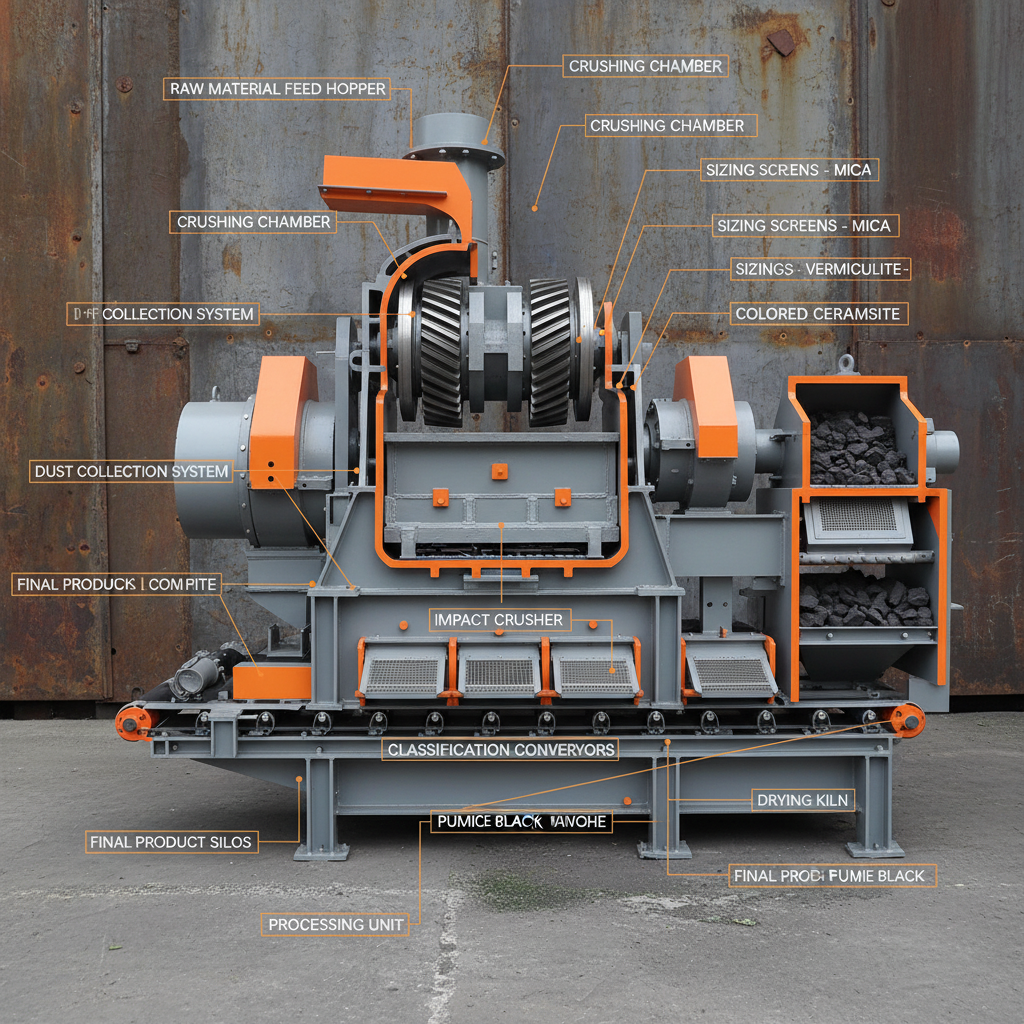
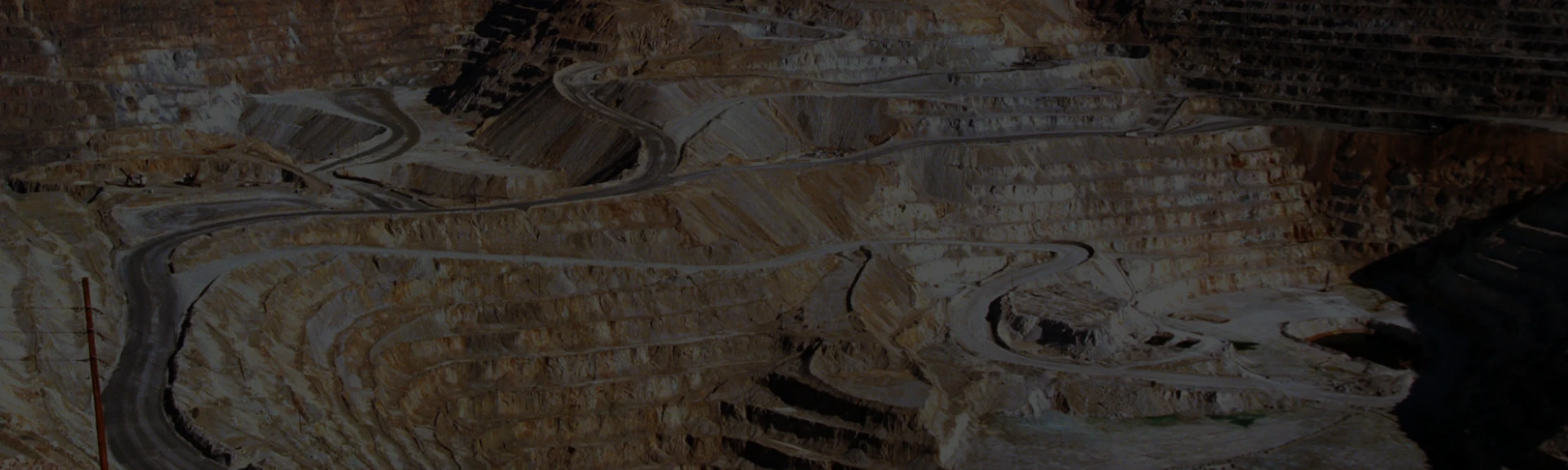
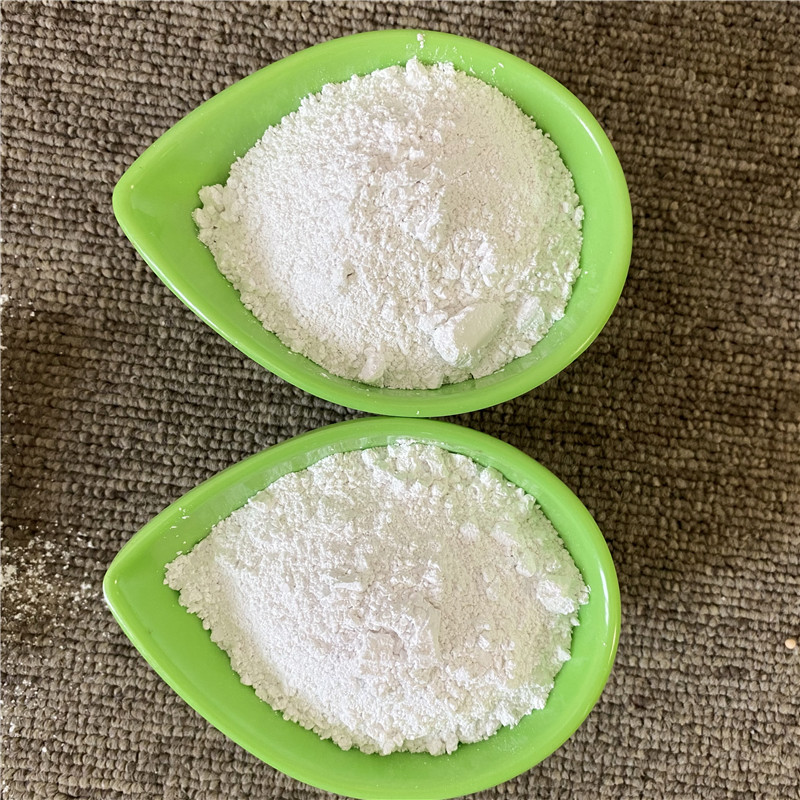
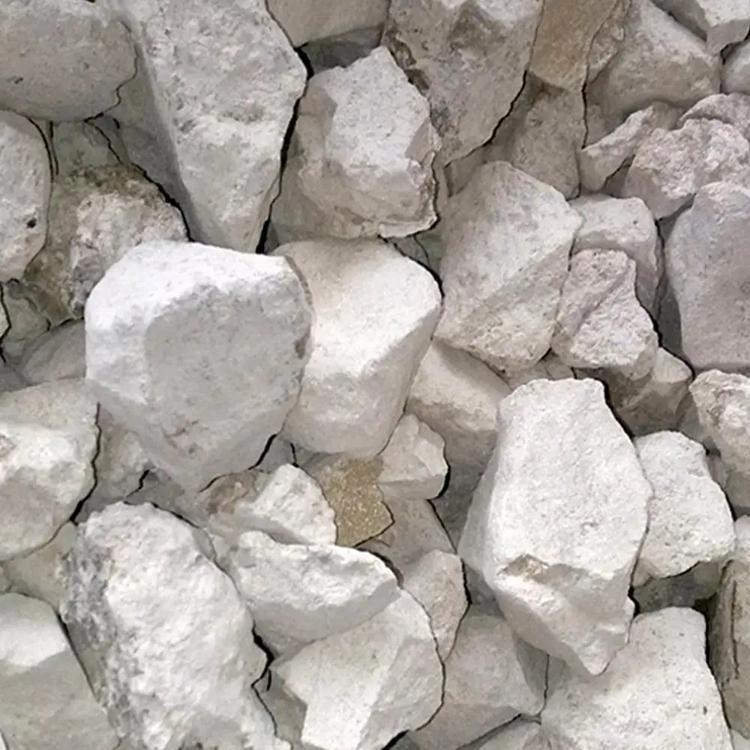
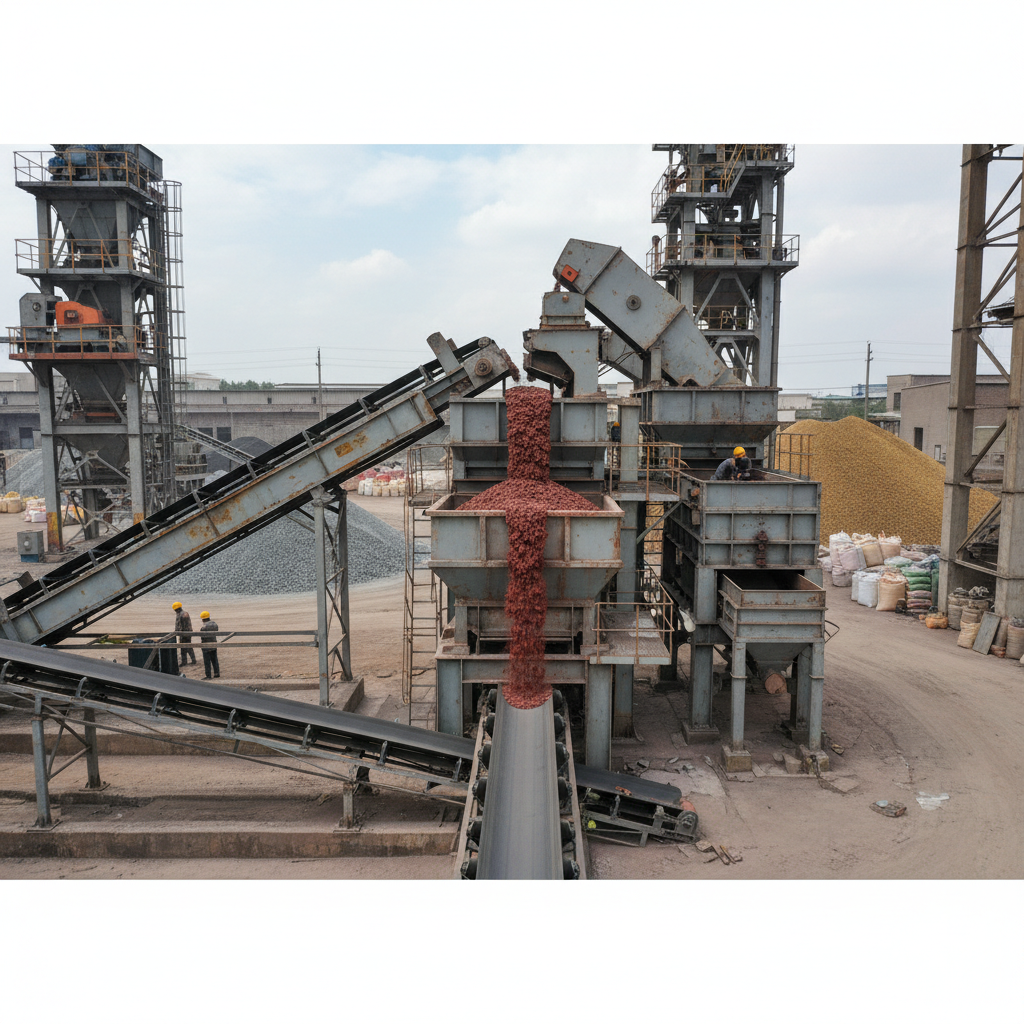
In simple terms, limestone factories are industrial facilities where raw limestone is quarried, crushed, and processed into various forms—powder, aggregates, and materials like quicklime or cement. These facilities form a backbone of modern construction, agriculture, and chemical industries. Think of them as the "factories of rock" — turning natural stones into essentials for roads, buildings, and even water purification. Oddly enough, their output isn’t just about buildings. In humanitarian projects, for example, lime-based treatments can improve soil for better crop yields — critical for regions battling food insecurity.Mini summary: Limestone factories transform raw mineral resources into versatile industrial materials, connecting natural geology with modern industry and social needs.
Core Aspects of Limestone Factory Operations
1. Raw Material Quality and Sourcing
The type and purity of limestone extracted directly affect the end product's quality. Different factories might specialize in high-calcium or dolomitic limestone depending on demand.2. Processing Technology
From crushing to calcination, modern plants employ rotary kilns and automated controls to ensure consistent output and cut emissions. Innovations like carbon capture are slowly taking root.3. Scalability and Capacity
Factories vary from small modular setups to massive industrial complexes handling hundreds of tons daily. Scalability influences flexibility for addressing regional or global markets.4. Sustainability and Environmental Compliance
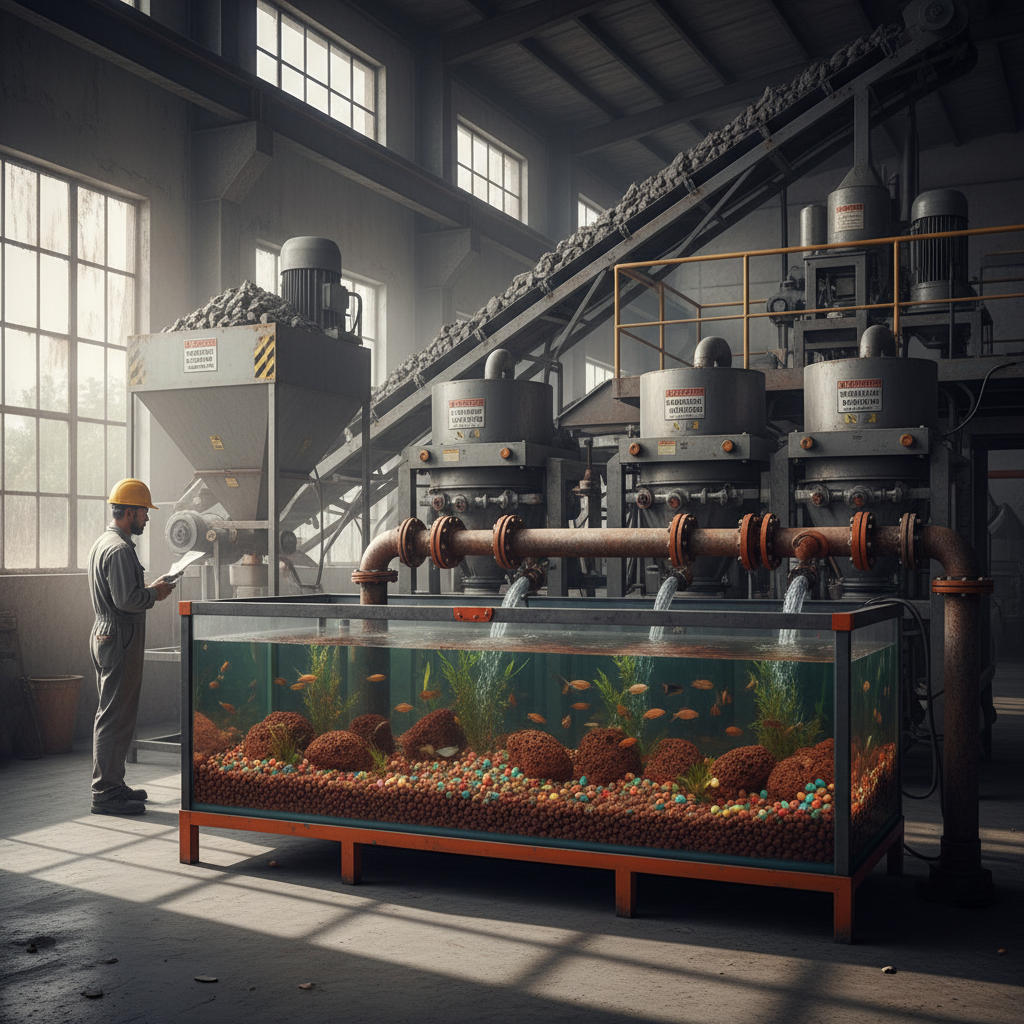
Dust control, energy efficiency, and waste management have become critical factors. Many factories integrate closed systems to reduce pollutant release.5. Cost Efficiency and Logistics
Efficient transport from quarries to factories and onward to consumers can make or break pricing competitiveness.Mini takeaway: Successful limestone factories combine quality raw materials with advanced processing and a keen eye on sustainability and cost.
Worldwide Applications and Real-World Use Cases
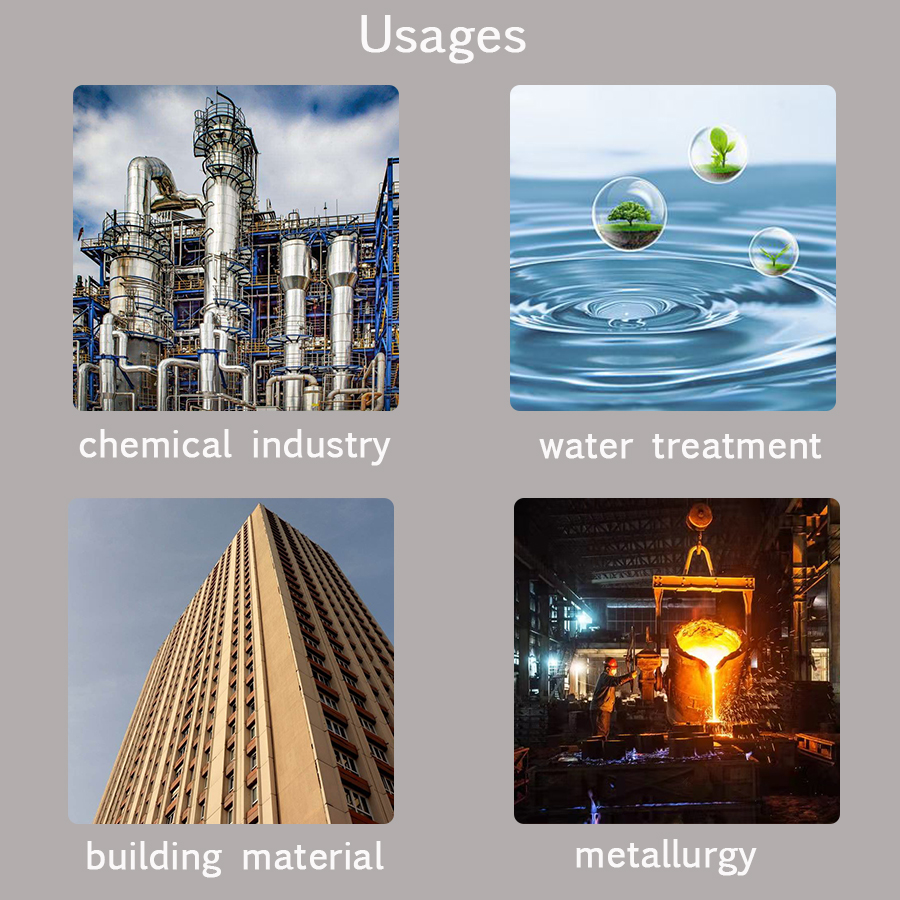
Around the world, limestone-based products underpin critical sectors:- Construction & Infrastructure: Cement, concrete, highway base layers.
- Steel Manufacturing: Limestone acts as a flux to remove impurities.
- Agriculture: Soil conditioning with lime enhances crop yields.
- Water Treatment: Limestone filters neutralize acidity and remove contaminants.
Mini takeaway: Limestone factories support diverse sectors globally, proving indispensable in both everyday life and crisis response.
Advantages & Long-Term Value of Limestone Factories
Limestone factories offer practical and strategic benefits:- Cost-effectiveness: Limestone is abundant and relatively inexpensive compared to alternative materials.
- Sustainability: New production methods aim to minimize carbon footprints with innovations like alternative fuels.
- Reliability: Consistent quality controls ensure product standards for major industries.
- Social Impact: Job creation in quarrying and processing regions supports local economies.
Mini takeaway: The long-term social and economic benefits of limestone factories stretch beyond simple industrial output to sustainability and community trust.
Future Trends and Innovations in Limestone Factory Operations
Limestone factories are slowly but surely embracing:- Green Energy Integration: Solar-powered calcination and waste-heat recovery systems.
- Digital Automation: AI and IoT for smarter production monitoring and predictive maintenance.
- Carbon Capture & Storage (CCS): Emerging methods to sequester CO₂ emissions directly from kiln exhaust.
- Material Innovations: Developing more reactive lime products to reduce quantities needed.
Mini takeaway: Innovation in limestone factories centers on reducing emissions while optimizing production efficiency and product quality.
Common Challenges and How They’re Overcome
Maintaining balance between volume and environmental impact remains a tough nut. Dust emissions, resource depletion, and high energy use persist as hurdles. Additionally, transporting bulky raw and finished products imposes costs and CO₂ emissions. Expert approaches to solutions include:- Deploying enclosed conveyors to limit dust.
- Using alternative raw materials blended with limestone to cut outputs.
- Recycling waste heat within plants to lower fossil fuel dependence.
- Optimizing logistics by situating factories closer to demand centers.
Mini takeaway: The industry's future hinges on innovation and sustainability, overcoming age-old operational challenges through technology and smarter logistics.
Product Specification Table: Typical Limestone Factory Output
| Specification | Value / Range |
|---|---|
| Raw Limestone Purity (CaCO₃) | 85% - 98% |
| Annual Production Capacity | 50,000 - 2,000,000 tons |
| Energy Consumption | 3.5 - 5.0 GJ/ton |
| CO₂ Emissions | 0.8 - 1.1 tons CO₂/ton product |
| Product Forms | Powder, aggregate, quicklime, hydrated lime |
Comparing Leading Limestone Factory Vendors
| Vendor | Annual Capacity (tons) | Sustainability Initiatives | Global Footprint | Innovation Focus |
|---|---|---|---|---|
| Baifeng Mining | 1,500,000 | Carbon capture pilot projects | Asia, Africa | Digital automation |
| Calcite Corp | 750,000 | Waste heat recycling systems | North America, Europe | Material efficiency |
| LimeTech International | 2,000,000 | Solar kiln integration | Global | Green energy adoption |
Frequently Asked Questions about Limestone Factories
Q1: How do limestone factories reduce their environmental impact?
Many limestone factories adopt technologies such as carbon capture, waste heat recovery, and using alternative fuels to reduce emissions. Additionally, dust control measures and closed-loop water systems help minimize environmental footprint.
Q2: What products come from limestone factories?
Limestone factories produce various products including crushed stone aggregates, cement raw materials, quicklime, hydrated lime, and pulverized limestone powder used across construction, agriculture, and steel manufacturing.
Q3: Are limestone factories energy efficient?
Energy consumption varies, but modern plants use advanced kilns and automation to optimize fuel use. Integration of renewable energy sources and waste heat recovery further boosts energy efficiency.
Q4: Can limestone factories be set up in remote areas?
Yes, modular and mobile limestone processing units can be installed near quarries or demand centers, reducing transportation costs and supporting timely supply in remote or developing regions.
Q5: How important is limestone quality for factory outputs?
Very important. The chemical composition, especially calcium carbonate content, determines the suitability for various industrial processes, impacting product performance and consistency.
Wrapping Up: Why Limestone Factories Matter More Than Ever
To wrap it up, limestone factories are not just about processing rock into construction materials. They reflect a critical juncture where heavy industry meets environmental responsibility. Their products shape cities and infrastructure, feed soils and refine metals, all while adapting to a future demanding cleaner, smarter manufacturing. If you’re curious about how these factories keep the world running and evolving, feel free to explore more about the innovations and offerings at limestone factories.— A small reflection from the crossroads of geology, industry, and sustainable progress.
References
Холбоотой мэдээ