Look, I’ve been on construction sites for, well, let’s just say a long time. And lately, everyone’s talking about calcium carbonate for sale. Not like it’s new – we’ve been using it forever – but the demand’s gone through the roof. Seems like every project, from road building to paint, wants the stuff. To be honest, it’s a little exhausting keeping up with the orders.
Have you noticed how many new suppliers are popping up? That’s always a red flag. A lot of them are cutting corners, selling you something that looks like calcium carbonate but… isn’t quite. It's tricky. You really need to know what you're looking at. I saw a batch last month, smelled faintly of something chemical, didn’t feel right. Sent it straight back.
It’s become essential. Simple as that.
The Rising Demand for Calcium Carbonate for Sale
Seriously, the jump in demand is…strange. It's not just one sector, it's everything. Roads, plastics, paper, even toothpaste! Seems like everyone’s rediscovered this stuff. I encountered this at a cement factory last time – they were scrambling to get enough GCC (Ground Calcium Carbonate) to meet their orders. The price has been going up steadily too.
And it's not just the big guys. Even small construction firms are using more of it. They're blending it into their mixes for cost savings, mostly. But you gotta be careful with that. Cheap calcium carbonate can mess with the strength and durability.
Understanding Calcium Carbonate: More Than Just White Powder
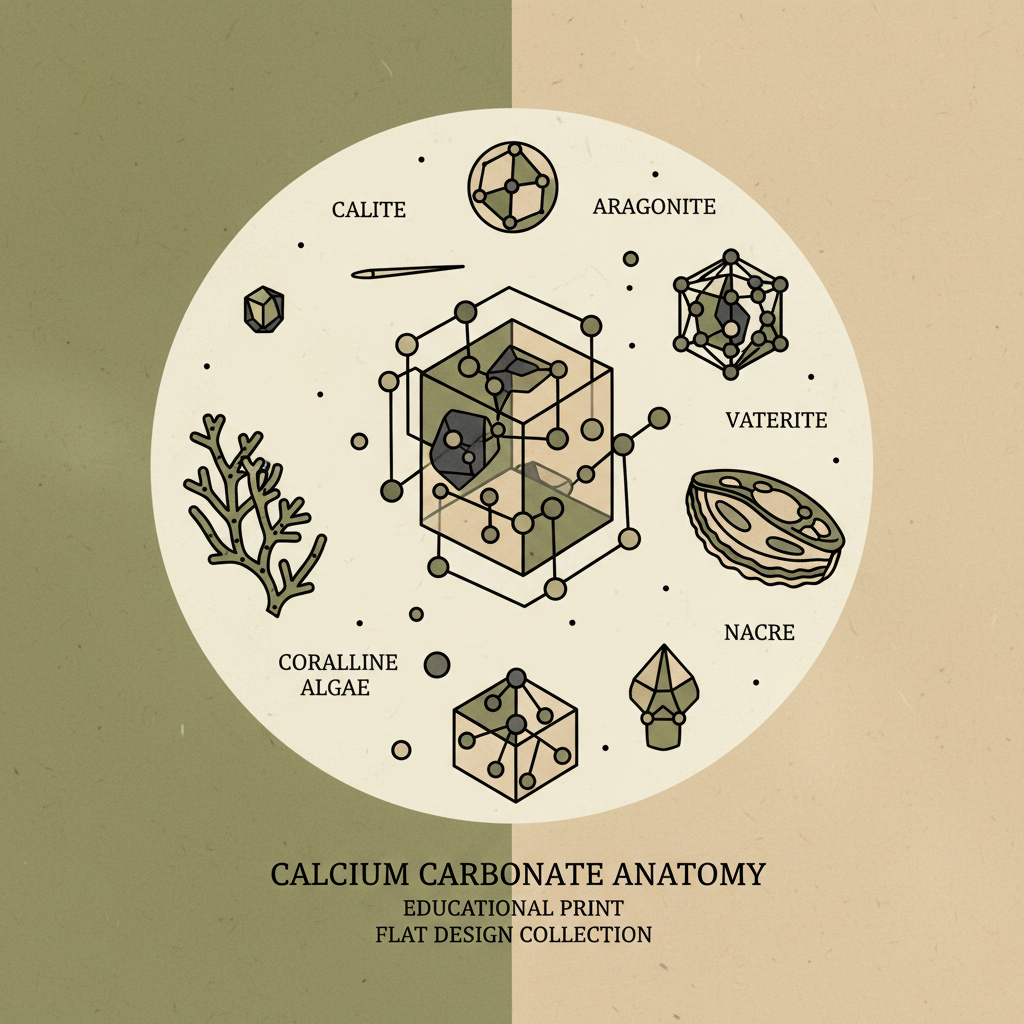
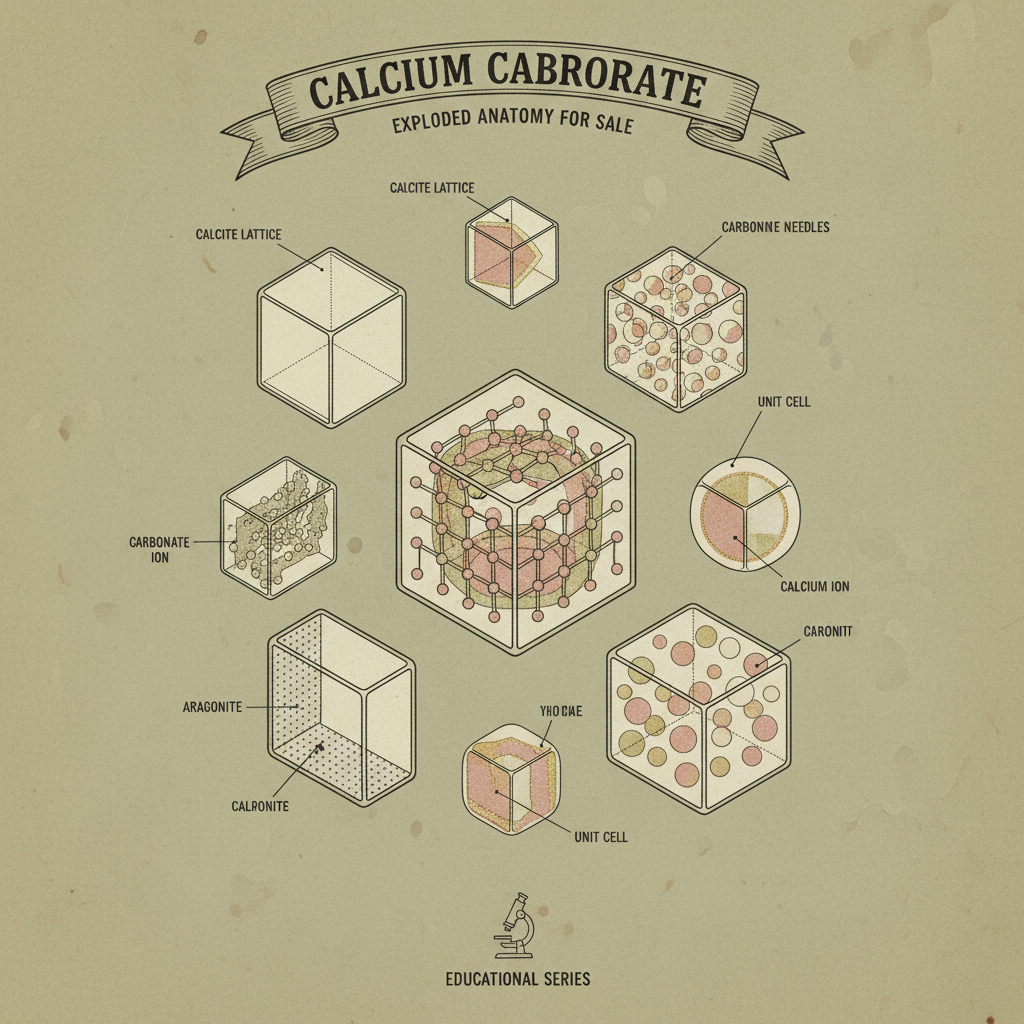
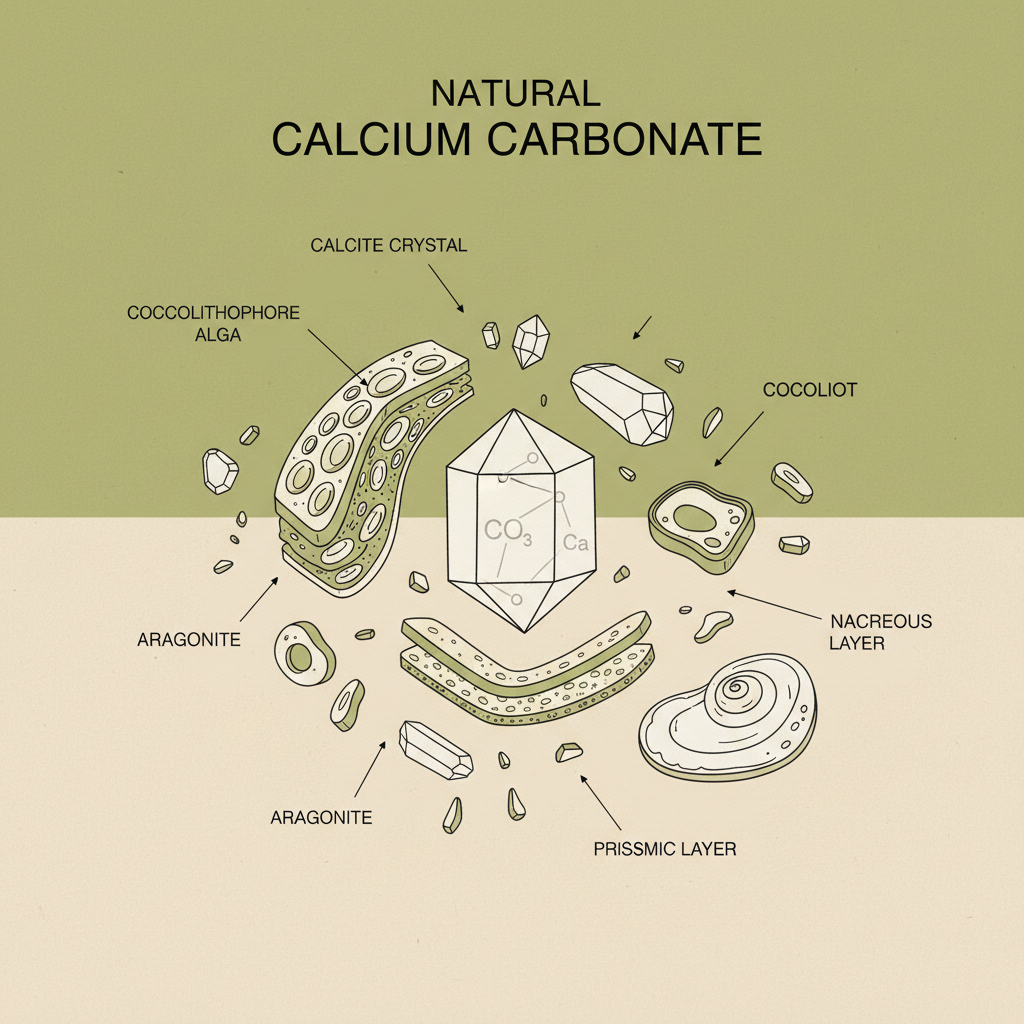
It’s basically chalk, right? But it’s way more complex than that. You’ve got different grades, different particle sizes, different sources… It's not all the same. PCC (Precipitated Calcium Carbonate) is different than GCC, and each has its own strengths. PCC is purer, more consistent, but more expensive. GCC is cheaper, but can have more impurities.
The feel is important. Good GCC feels smooth, almost silky. Bad GCC? Gritty, dusty. And the smell...a clean, slightly earthy smell is good. Anything chemical is a no-go. Anyway, I think understanding these basic differences is crucial when you're choosing what to buy.
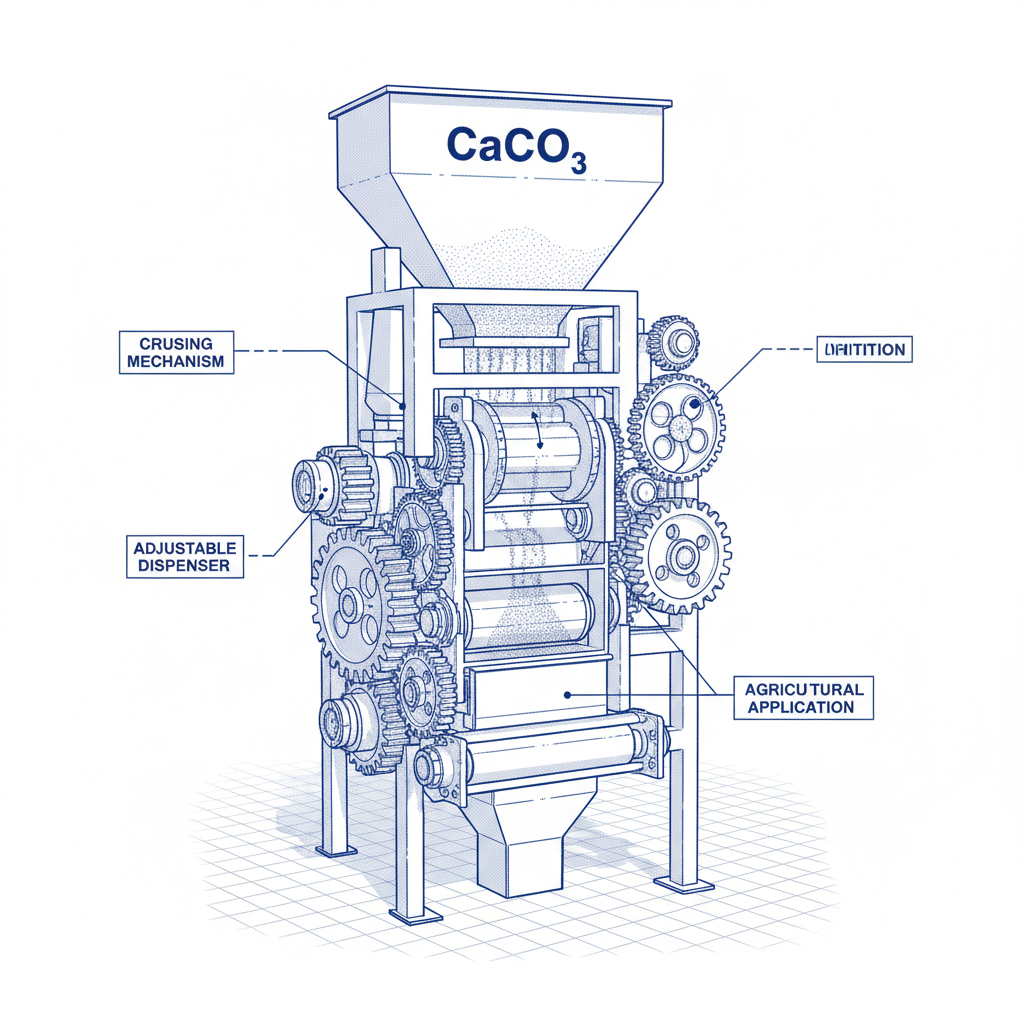
It’s a surprisingly versatile material. We're using it for everything, from filler in plastics to pH control in wastewater treatment. You’d be surprised how many industries rely on this stuff.
Key Factors Affecting Calcium Carbonate Quality
Durability is a big one. You want calcium carbonate that won’t break down over time. Particle size distribution is critical. Too coarse, and it’ll affect the finish. Too fine, and it won’t bond properly.
Whiteness is surprisingly important, especially for paint and coatings. Customers want bright, clean colors, and impurities can dull the finish. Purity is huge. You don't want unexpected additives messing with your formula. I once had a batch that contained traces of silica – nearly ruined an entire paint run.
Moisture content matters too. Too much moisture can cause clumping and reduce the effectiveness of the calcium carbonate. Handling and storage are key. Keep it dry, keep it sealed. Simple stuff, but people often overlook it.
Real-World Applications of Calcium Carbonate
Road construction, obviously. It’s a key component in asphalt mixes, improving strength and durability. Plastics – it's a filler, reducing costs and improving properties. Paper – it’s used as a coating, making the paper brighter and smoother.
Paint, like I said, is huge. It adds opacity and improves the finish. And then there's adhesives, sealants, rubber… the list goes on. Strangely enough, even in some food products, as a calcium supplement.
Calcium Carbonate Usage by Industry
Advantages and Disadvantages: A Practical Perspective
Cost, obviously. It’s cheap, compared to other fillers. That's why everyone's using it. Plus, it’s relatively easy to source. But don't let the low price fool you. You get what you pay for.
The biggest disadvantage? It’s heavy. Shipping costs can eat into any savings. And it can be abrasive, so you need to take precautions with handling equipment. Later… forget it, I won't mention it.
Customization and Specific Use Cases
You can get it ground to different particle sizes, treated with different coatings… It's surprisingly customizable. I had a client last year, a small plastic toy manufacturer, who wanted a specific shade of white. We worked with the supplier to adjust the PCC formulation to achieve it. Took a few tries, but we got there.
It all comes down to the application. If you're using it in a high-performance coating, you need a high-purity PCC. If you're just using it as a filler in a low-grade plastic, GCC will probably do just fine.
Testing and Quality Control: What Really Matters
Forget the lab tests. They’re useful, sure, but the real test is on the job site. How does it mix? How does it feel? Does it produce dust? Does it clump? Those are the things that matter.
We do basic sieve analysis to check particle size. We check moisture content with a simple moisture meter. And we do visual inspections – look for discoloration, impurities, anything that looks off. I once caught a supplier trying to pass off dolomite as calcium carbonate. It looked similar, but the hardness was completely different.
We also do basic performance tests. Mix it into a sample batch of whatever we're using it for, and see how it performs. Does it affect the strength? The viscosity? The finish? That’s the ultimate test.
Summary of Key Quality Control Checks for Calcium Carbonate
| Test Parameter |
Acceptable Range |
Testing Method |
Frequency |
| Particle Size (μm) |
2-10 (depending on application) |
Sieve Analysis |
Each Batch |
| Moisture Content (%) |
<0.5% |
Moisture Meter |
Each Batch |
| Whiteness (Relative) |
>85% |
Spectrophotometer |
Every 5 Batches |
| Purity (%) |
>98% CaCO3 |
Chemical Analysis |
Annually |
| Impurities (ppm) |
<50 ppm (Silica, etc.) |
ICP-MS |
Annually |
| Visual Inspection |
No discoloration, foreign matter |
Visual |
Each Batch |
FAQS
Good question! GCC (Ground Calcium Carbonate) is made by grinding natural limestone. It’s cheaper, but less pure and consistent. PCC (Precipitated Calcium Carbonate) is synthetically produced, resulting in higher purity and controlled particle size. Use PCC when you need precise control over properties, like in high-end coatings or plastics. Use GCC when cost is the primary concern and purity isn't as critical, like in some road construction applications. Honestly, it's all about balancing cost and performance.
Moisture is the enemy. Always store calcium carbonate in a dry, well-ventilated area. Use sealed containers to prevent moisture from getting in. If you’re storing it outside, cover it with a waterproof tarp. You can also add a small amount of anti-caking agent, but be careful – that can affect the properties of the final product. I've seen entire batches ruined by improper storage.
Silica is a big one, can mess with your mix. Magnesium carbonate is another, it can affect the reactivity. You also want to check for iron oxides, they can cause discoloration. A good supplier will provide a Certificate of Analysis (COA) listing the impurity levels. Always review that before you buy. I once got a batch with so much silica, it was unusable!
Generally, yes. It's a naturally occurring mineral. However, the extraction and processing can have environmental impacts. Look for suppliers who use sustainable mining practices and minimize waste. It’s also often used to reduce the use of other, more harmful materials in products, which is a big plus. It's not perfect, but it's generally a better choice than many alternatives.
For paint, you generally want a fine particle size, around 2-5 microns. This gives you good opacity and a smooth finish. Larger particles can make the paint grainy and reduce its durability. It really depends on the type of paint too. Acrylic paints typically require finer particles than alkyd paints. It's a bit of a balancing act, honestly.
You can’t get a precise measurement without a lab, but you can do some basic checks. Dissolve a small amount in vinegar – pure calcium carbonate will fizz vigorously. Look for any insoluble residue, which indicates impurities. Also, compare it to a known sample of high-purity calcium carbonate. The color and texture should be similar. It's not foolproof, but it can give you a quick indication of quality.
Conclusion
Look, at the end of the day, calcium carbonate for sale is a workhorse material. It’s cheap, versatile, and essential for a ton of industries. But it’s not a magic bullet. You need to understand the different grades, the potential impurities, and the proper handling procedures. You need to know what you’re buying and why.
Ultimately, whether this thing works or not, the worker will know the moment he tightens the screw. Don’t chase the lowest price, chase the quality. And find a supplier you can trust. That's my two cents. You can find some good options at calcium carbonate for sale.