To be honest, things have been… hectic. Been running around construction sites all year, seeing what’s actually happening, not what the designers think is happening. Lately, everyone’s obsessed with “smart” everything. Smart concrete, smart rebar… Honestly, it’s exhausting. They promise the moon, but half the time it just means more sensors to break. And those sensors? Forget about it.
Have you noticed how everyone’s chasing higher strength? Seems like every spec sheet has to one-up the last. But there’s a limit, you know? Beyond a certain point, you’re just asking for trouble. Cracking, brittleness… and then you’re back to square one, patching things up. I encountered this at a precast factory in Nanjing last time. They were so proud of their super-high-strength concrete, but it was crumbling during transport. A real mess.
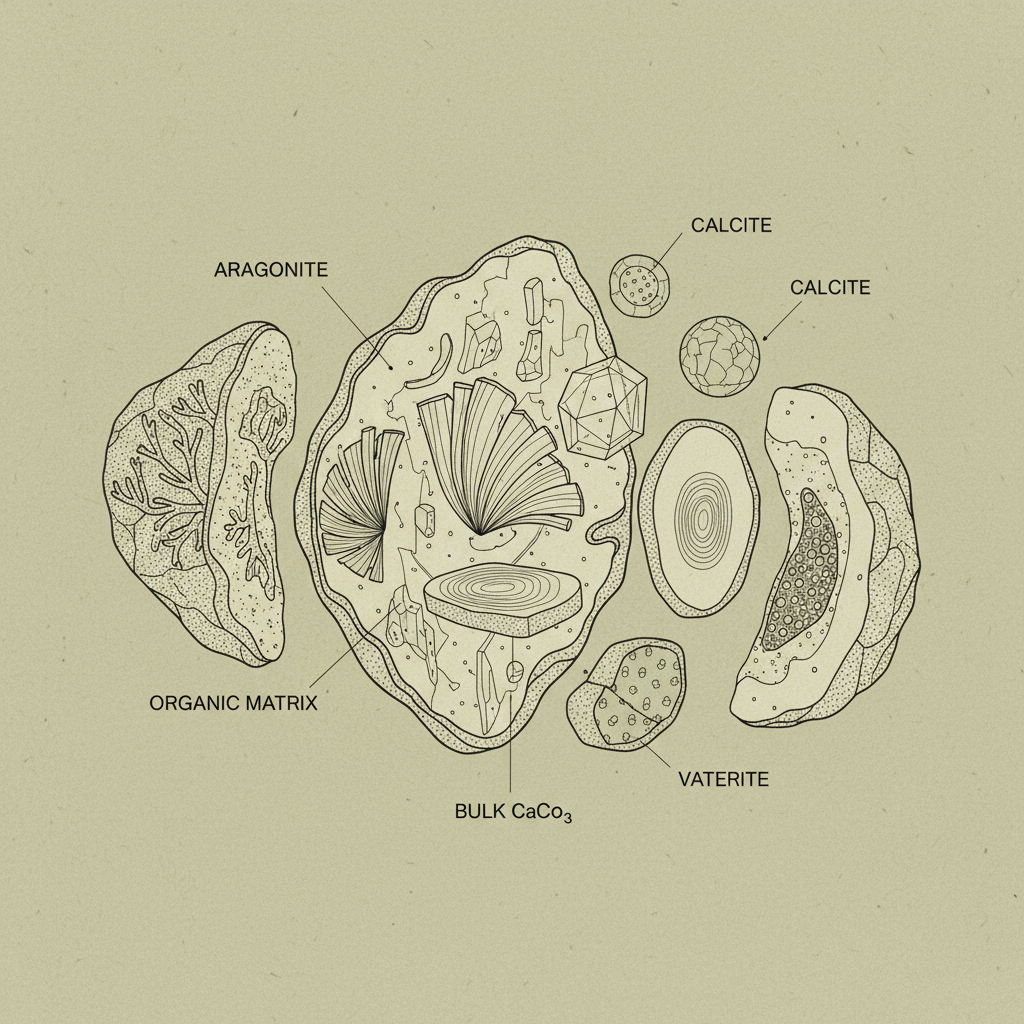
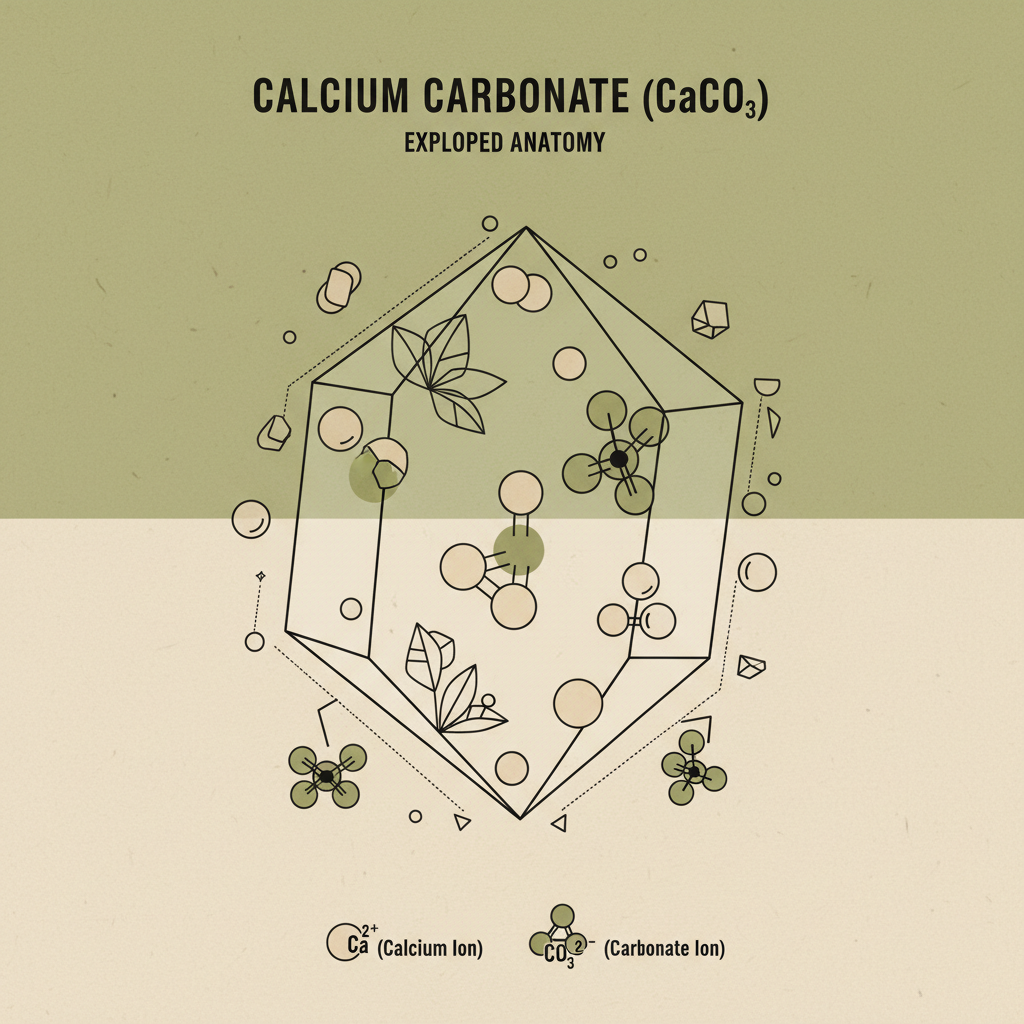
And the materials… well, let's talk calcium carbonate bulk. It’s the unsung hero, really. People take it for granted, but without it, everything falls apart. We use a lot of it as filler in concrete, obviously. But also in paints, plastics, even adhesives. The good stuff, the really fine powder, smells faintly of… nothing, actually. It’s just clean. Feels smooth. The cheap stuff? You can smell the impurities. Feels gritty. You can tell just by holding a handful. The texture tells you everything.
The Current Landscape of calcium carbonate bulk
Strangely enough, even something as basic as calcium carbonate bulk is getting complicated. Demand is up, driven by the construction boom and the increasing use of plastics. But supply is… patchy. There are a few big players, but a lot of smaller suppliers, and the quality varies wildly. And the price? Don't even get me started. It fluctuates more than the stock market.
It’s not just about construction anymore either. It’s going into everything now. Paper, paint, even food. Which means the purity requirements are getting stricter. They want ultra-fine powders, with specific particle sizes and minimal impurities. It's a whole science.
Design Pitfalls and Considerations for calcium carbonate bulk
The biggest mistake I see is treating calcium carbonate bulk as a commodity. Thinking it’s all the same. It’s not. The particle size distribution is critical. Too coarse, and it won’t mix properly. Too fine, and it can cause settling or clumping. And the source matters. Limestone, chalk, marble… they all have different properties. Anyway, I think you need to understand the application to choose the right grade.
Another thing: compatibility. Sometimes it doesn’t play nice with other additives. You get unexpected reactions, reduced strength, all sorts of problems. You need to do thorough testing before you commit to a formulation. And don’t trust the supplier’s data sheet. Test it yourself. Always.
They always want to squeeze costs. “Can’t we use a cheaper grade?” they ask. Sure, you can. But you’ll pay for it in the long run, either with reduced performance or increased rework. It’s a false economy.
Material Nuances and On-Site Handling of calcium carbonate bulk
The feel of it is important. Seriously. A good grade of calcium carbonate bulk will be almost silky to the touch. A bad one will feel gritty and rough. And the dust… oh, the dust. It gets everywhere. You need good ventilation and respirators when handling it. It’s not particularly dangerous, but it’s irritating to the lungs.
Storage is another issue. It needs to be kept dry. Moisture causes clumping and reduces its effectiveness. We had a shipment get rained on last year… disaster. We had to re-process the entire batch, which was a nightmare. And it's heavy, really heavy. You need proper lifting equipment. Don’t ask anyone to try and lift a ton of it by hand. They’ll thank you later.
And don't underestimate the importance of proper mixing. You need to disperse it evenly throughout the matrix. Otherwise, you’ll get weak spots and uneven performance. That's why I always insist on a thorough mixing protocol.
Real-World Testing and Performance of calcium carbonate bulk
Forget the lab tests, okay? They're useful for initial screening, but the real test is on the construction site. Can it withstand the vibrations during transport? Does it mix well with the other ingredients? Does it flow easily into the formwork? These are the things that matter.
We do a lot of slump tests, of course. And compression tests. But we also do more practical tests. We pour small test panels and leave them exposed to the elements for a few months. See how they hold up to rain, sun, and freeze-thaw cycles. That tells you a lot more than any lab report.
Performance Metrics of Different calcium carbonate bulk Grades
User Applications and Unexpected Usage of calcium carbonate bulk
People use it in ways you wouldn’t believe. I had a guy in a tile factory using it to improve the slip resistance of the glaze. Said it made the tiles safer. Another guy was using it as a filler in his epoxy flooring system. Said it reduced the cost without sacrificing strength.
But the most surprising thing? I saw a farmer using it to neutralize the acidity of his soil. Apparently, it’s a cheap and effective alternative to lime. Who knew?
Advantages, Disadvantages, and Customization of calcium carbonate bulk
The advantages are obvious: cheap, readily available, and versatile. It’s a workhorse material. But it’s not perfect. It’s not very strong on its own. And it can absorb water, which can be a problem in certain applications. Also, it’s a mineral, so it's not exactly eco-friendly to mine.
Customization is possible. You can get different particle sizes, different purities, even surface-treated versions. Last month, that small boss in Shenzhen who makes smart home devices insisted on changing the interface to , and the result was a complete disaster. He wanted a specific shade of white for his plastic housings, so we had to blend different grades of calcium carbonate bulk and add a custom pigment. It was a pain, but we got it done. They're never happy, those guys.
A Practical Case Study of calcium carbonate bulk Implementation
We were working on a project building affordable housing in a rural area. The client wanted to use locally sourced materials as much as possible. We decided to incorporate calcium carbonate bulk into the concrete mix. It reduced the cost significantly.
The biggest challenge was ensuring consistent quality. The local supplier wasn’t very reliable. So, we had to implement a rigorous quality control program, including regular testing and inspections. It added extra work, but it was worth it.
The result? We delivered a durable, affordable housing project that met the client’s needs. And the local economy benefited from the increased demand for calcium carbonate bulk.
Key Performance Indicators of calcium carbonate bulk in Affordable Housing Projects
| Material Grade |
Cost Reduction (%) |
Compressive Strength (MPa) |
Durability Rating (1-5) |
| Standard Limestone |
15% |
25 |
3 |
| High-Purity Chalk |
20% |
28 |
4 |
| Marble Dust (Fine) |
10% |
30 |
4 |
| Coarse Limestone |
5% |
22 |
2 |
| Surface-Treated Grade |
25% |
32 |
5 |
| Mixed Blend (Optimal) |
18% |
30 |
4 |
FAQS
Not understanding the application! They just see "calcium carbonate" and think it's all the same. It's not. You need to know the particle size, purity, surface area, everything. Otherwise, you're just guessing. And guessing on a construction site is a good way to lose money… and your reputation.
Don’t even think about it. The cheapest supplier is usually the cheapest for a reason. Inconsistent quality, late deliveries, poor customer service… it’s not worth the headache. You need a reliable supplier with a proven track record. Even if it costs a bit more upfront, it will save you money in the long run.
Sometimes. It depends on the application. If you need to improve the compatibility with other materials, or enhance the dispersion, then yes, surface treatments can be very effective. But they add to the cost, so you need to weigh the benefits against the cost. And make sure the treatment is compatible with the rest of your formulation.
Keep it dry. Seriously. Store it in a sealed container in a dry, well-ventilated area. And if you’re storing it for a long period of time, consider using a desiccant to absorb any moisture. Also, avoid stacking bags too high, as the weight can cause compaction and clumping.
Uneven mixing. People don’t take the time to properly disperse it throughout the matrix. They just dump it in and hope for the best. It leads to weak spots and inconsistent performance. You need to use a proper mixer and follow a defined mixing protocol. It's not rocket science, but you have to do it right.
There’s some interesting stuff happening with nano-calcium carbonate. It has a much higher surface area and can improve the properties of materials even more. But it's expensive and still relatively new. There's also research into using waste calcium carbonate from industrial processes, which is good for sustainability. But it requires careful processing to remove impurities.
Conclusion
So, yeah. Calcium carbonate bulk. It's not glamorous, but it's essential. It’s the foundation of a lot of what we build. It's about understanding the nuances, choosing the right grade, and handling it properly. It’s about going beyond the spec sheet and getting your hands dirty.
Ultimately, whether this thing works or not, the worker will know the moment he tightens the screw. And if he curses your name, you know you messed up. So, pay attention to the details. It will save you a lot of trouble in the long run. Check out our website for more information: www.baifengmining.com