Procuring high-purity industrial minerals requires a clear understanding of the variables that drive cost and quality. For many manufacturers in the ceramics, glass, and metallurgical sectors, the fluctuations in dolomite powder price are not merely line-item changes but critical factors that influence the overall production cost and the chemical stability of the end product.
The pricing of dolomite powder is rarely static; it is dictated by a complex interplay of raw material purity, the energy intensity of the milling process, and the logistical challenges of transporting heavy mineral loads from mining hubs to industrial centers. Understanding these drivers allows procurement managers to distinguish between low-cost fillers and high-performance mineral solutions.
This analysis explores the structural components of mineral pricing, the technical specifications that justify premium costs, and the strategic considerations for selecting a sustainable supply partner in the non-metallic mineral industry.


Dolomite, a calcium magnesium carbonate, serves as a foundational material across multiple industries. The market logic governing its price is primarily based on the accessibility of the deposit and the level of processing required to transform raw ore into a standardized powder. High-grade deposits located near transport hubs naturally command different pricing structures than remote, ultra-pure veins.
In the context of the non-metal mineral production areas of China, such as Lingshou County, the integration of extraction and processing allows for a more streamlined cost structure. When the distance between the mine and the Raymond mill is minimized, the volatility of the final powder price is significantly reduced.
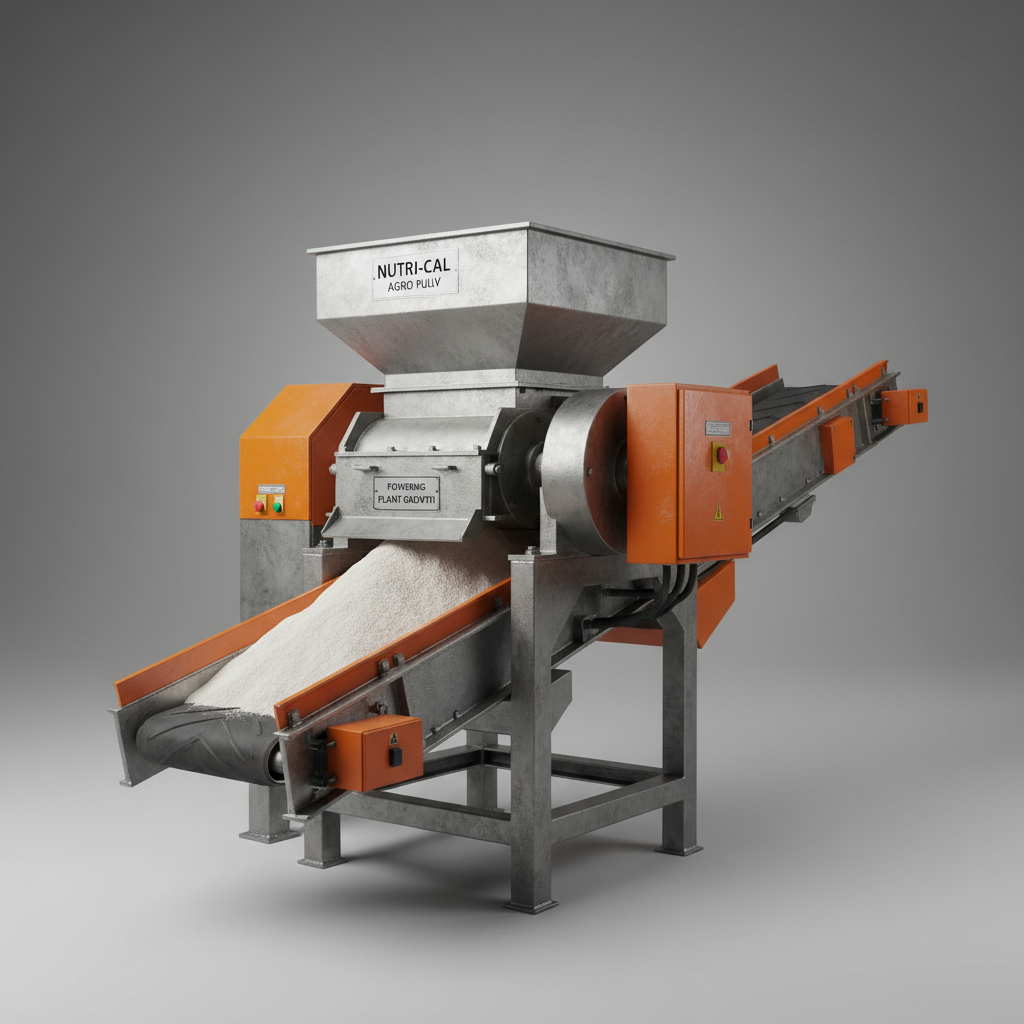
One of the most significant technical drivers of cost is the micronization process. Achieving a "superfine" grade requires advanced equipment such as airflow mills or Superfine Raymond Mills. The energy consumption associated with grinding minerals to a specific mesh size increases exponentially as the particle size decreases, directly impacting the quoted price.
Furthermore, chemical consistency is a primary value driver. For applications in metallurgical casting or specialized glass production, even a minor deviation in the magnesium-to-calcium ratio can lead to structural failure in the final product. Consequently, powders that undergo rigorous batch testing in professional laboratories carry a premium over generic grades.
Logistical efficiency also plays a role. The ability to maintain a consistent annual output—such as 200,000 tons—allows a producer to optimize shipping and warehouse costs, passing some of these efficiencies to the buyer through more stable, long-term contract pricing rather than volatile spot-market rates.
The relationship between purity and cost is non-linear. Moving from 95% purity to 98% purity may require a modest increase in processing, but reaching 99.9% purity often requires chemical leaching or advanced separation techniques, which can double or triple the production cost.
The true value of mineral powder is not found in the lowest unit price, but in the reduction of waste and failure rates during the industrial manufacturing process. High-purity inputs consistently lower the total cost of ownership.
For companies like Shijiazhuang Baifeng Mining Co., Ltd., leveraging geographical advantages in mineral-rich provinces enables the selection of the best raw materials at the source. This strategic positioning ensures that the high-purity requirements of international markets in North America and Europe are met without excessive cost inflation.
To evaluate the fairness of a dolomite powder price, procurement teams should utilize a relative value index. This index balances the cost of the material against its technical performance indicators, such as purity, particle size distribution, and moisture content.
By analyzing different grades of carbonates and silicates, buyers can determine if they are over-specifying their requirements. For instance, a gardening application does not require the same purity level as a high-temperature refractory material, and paying for the latter in the former scenario represents a significant inefficiency.
In a typical industrial setting, such as a glass manufacturing plant, the use of dolomite powder acts as a flux, reducing the melting temperature of the batch and improving the chemical durability of the finished glass. If the input material has inconsistent purity, the plant may experience higher energy consumption or an increase in defective batches, effectively negating any savings gained from a lower purchase price.
Similarly, in the production of rubber or ceramics, the particle size of the powder influences the surface finish and mechanical strength of the product. Utilizing a supplier with specialized equipment like rotary kilns and airflow mills ensures that the physical properties of the mineral remain constant across multiple shipments, which is essential for automated production lines.
The industry is shifting toward more sustainable and energy-efficient extraction methods. As environmental regulations tighten in major mining regions, the cost of compliance is being integrated into the mineral pricing. Producers who invest in early green-tech adoption are likely to maintain a competitive advantage in the long term.
Another emerging trend is the move toward customized mineral blends. Rather than providing a generic powder, advanced suppliers are working with clients to create specific mineral profiles—mixing carbonates, oxides, or silicates—to meet precise industrial needs. This shift transforms the supplier from a commodity vendor into a technical partner.
Digitalization of the supply chain, including real-time batch tracking and automated quality certification, is also reducing the "trust gap" in international trade. This allows buyers in the Middle East or Southeast Asia to procure minerals with confidence in the technical specifications without needing to perform redundant third-party testing on every shipment.
When deciding between multiple mineral suppliers, the decision should not be based on a single quote but on a holistic evaluation matrix. This includes assessing the supplier's production capacity, the robustness of their quality control laboratory, and their historical reliability in delivery timelines.
A supplier with over a decade of experience and a diversified product portfolio—spanning from mica and vermiculite to calcium carbonate—typically offers better stability. Their ability to leverage multiple production lines ensures that a failure in one line does not result in a total supply chain disruption for the client.
The following table provides a framework for evaluating the trade-offs between different procurement strategies based on typical industrial requirements.
| Priority Factor | Budget-Driven Sourcing | Quality-Driven Sourcing | Risk-Mitigated Sourcing |
|---|---|---|---|
| Price Sensitivity | Very High | Low to Moderate | Moderate |
| Purity Requirement | Standard / Generic | Ultra-High / Specific | Consistent / Verified |
| Supply Volume | Spot Purchases | Contract-Based | Multi-Source Strategy |
| Technical Support | Minimal | High / Collaborative | Standard Documentation |
| Lead Time Risk | High Volatility | Predictable | Very Low / Buffer Stock |
| Ideal Application | Basic Fillers | Precision Manufacturing | Critical Infrastructure |
The price is primarily driven by three factors: raw material purity, processing intensity, and logistics. High-purity ore requires more complex extraction and refining. Processing intensity refers to the energy needed to grind the mineral into a specific micron size (e.g., superfine vs. coarse). Finally, the distance from the mining site to the port or factory adds significant freight costs, which are reflected in the final quote.
Smaller particle sizes require more grinding cycles and specialized equipment like airflow mills. This increases energy consumption and wear-and-tear on machinery. Consequently, superfine powders command a higher price than coarse powders because of the increased operational cost per ton and the higher precision required for quality control during the milling process.
Not necessarily, but it requires careful vetting. A lower price may simply reflect a supplier's geographical advantage or efficient scale of production. However, it becomes a risk if the low price is achieved by sacrificing purity or consistency. In precision industries like ceramics or glass, inconsistent mineral inputs can lead to expensive production failures that far outweigh the initial savings on raw materials.
Industrial grade is typically used as a filler or in basic agricultural applications where strict chemical purity is less critical. Refractory grade dolomite must withstand extreme temperatures without decomposing or reacting, requiring much higher purity and specific mineral compositions. Because of these stringent requirements and the specialized processing involved, refractory grade powders are priced higher than industrial grades.
The best practice is to request a detailed Certificate of Analysis (CoA) for the specific batch and a sample for independent lab testing. You should verify the MgO and CaO content, the mesh size distribution, and the moisture level. Additionally, assessing whether the supplier has an in-house laboratory for batch testing ensures that the quality remains consistent throughout the entire contract duration.
Long-term trends include the increase in environmental compliance costs and the shift toward automation in mining. While automation may eventually lower labor costs, the initial capital investment and the cost of "green" mining practices are likely to keep a baseline price floor. Furthermore, the demand for ultra-high purity minerals in electronic and specialized chemical industries is driving the development of more expensive, high-tech refining processes.
Navigating the complexities of dolomite powder price requires a shift in perspective from seeing minerals as a commodity to seeing them as a technical component of the manufacturing process. The most successful procurement strategies prioritize the total cost of quality over the initial purchase price, recognizing that purity and consistency are the real drivers of operational efficiency.
By partnering with experienced producers who control the process from extraction to superfine milling, manufacturers can secure a stable supply chain and ensure that their end products meet the highest international standards. As the industry evolves toward higher precision and greater sustainability, the value of a reliable, technically capable mineral partner will only increase.