When sourcing materials for large-scale construction or industrial processing, the reliability of crushed limestone suppliers often determines the structural integrity and cost-efficiency of the entire project. Many procurement managers struggle to balance the need for strict chemical purity with the logistical demands of high-volume delivery. Finding a partner who understands the nuances of mineral processing—rather than just a raw material extractor—is critical for maintaining consistency across different production batches.
The impact of selecting the wrong grade of limestone can lead to significant setbacks, especially in specialized sectors like ceramics, glass manufacturing, or metallurgical casting. These industries require precise mineral compositions to ensure chemical stability and thermal resistance. By integrating limestone with other minerals such as Carbon, Carbonate, Clay, Feldspar, Mica, and The Silicate, manufacturers can achieve specific material properties that are essential for high-performance industrial applications.
This analysis explores the critical benchmarks for evaluating mineral providers and how to optimize the procurement process for non-metal minerals. By focusing on processing capabilities and quality control rigor, buyers can mitigate the risks of impurity and supply chain instability. For those seeking professional-grade mineral solutions, partnering with experienced crushed limestone suppliers ensures a seamless transition from raw resource extraction to refined industrial input.


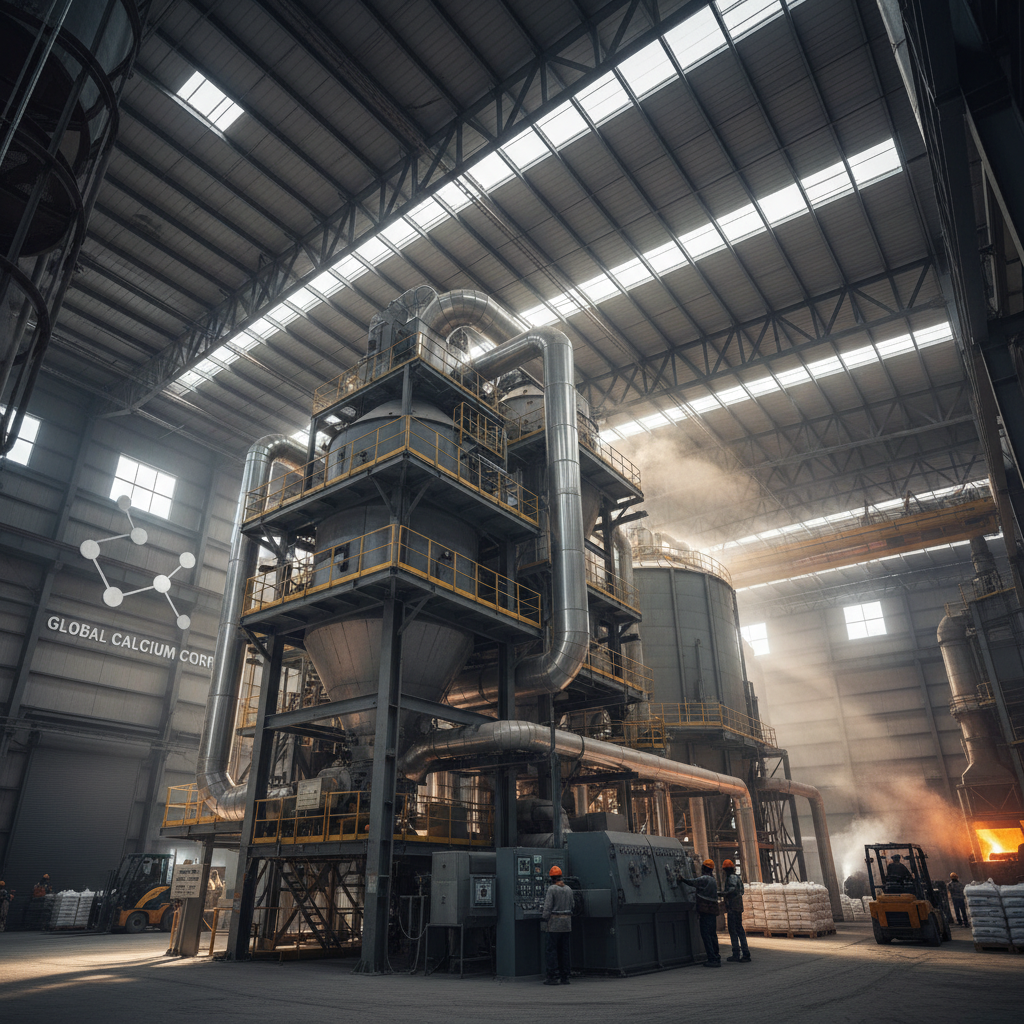
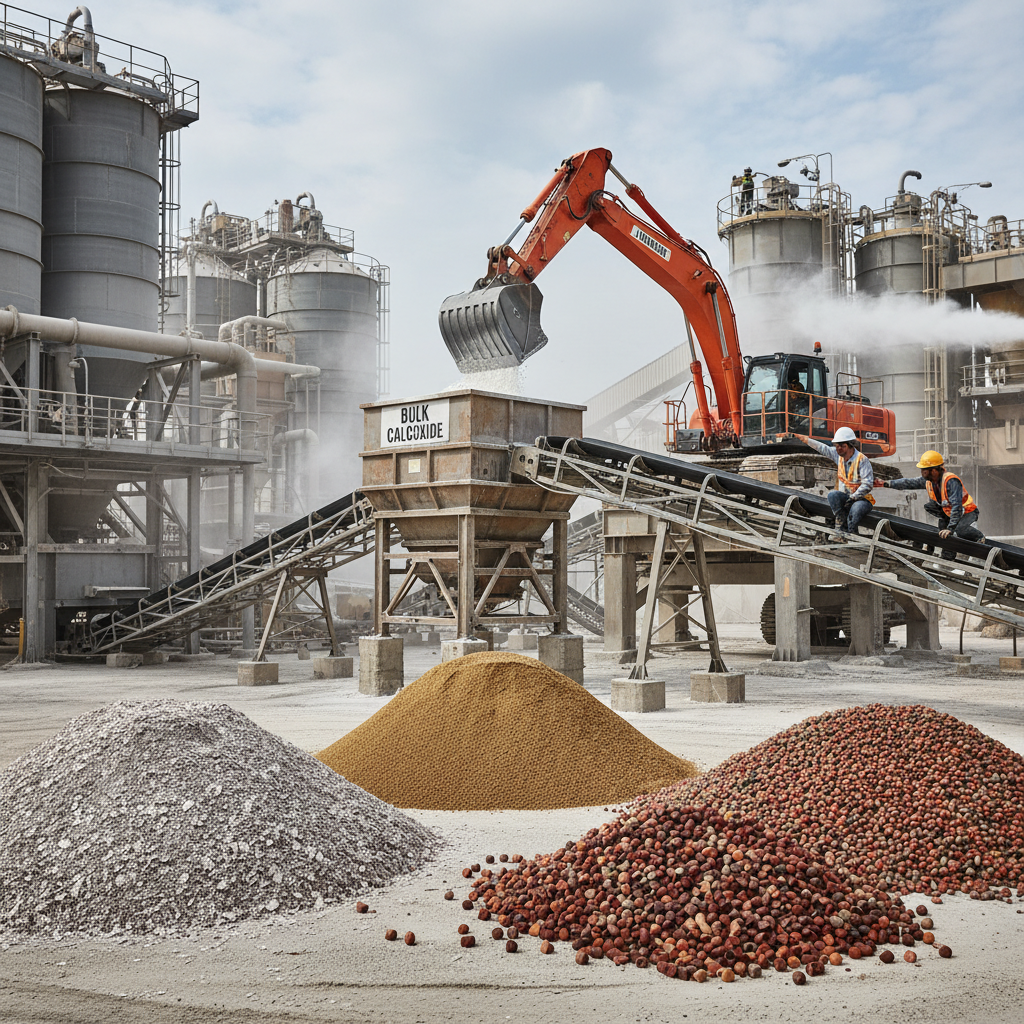
Limestone processing is more than simple crushing; it is a precise mechanical and chemical refinement process. The goal is to reduce raw mineral blocks into specific granular sizes—ranging from coarse aggregates to superfine powders—while preserving the chemical integrity of the calcium carbonate. Advanced equipment, such as Raymond mills and airflow mills, allow for precise particle size distribution, which is a non-negotiable requirement for high-end industrial applications.
For companies like Shijiazhuang Baifeng Mining Co.,Ltd, the integration of large-scale rotary kilns and specialized milling technology ensures that the output meets diverse industry standards. By controlling the crushing pressure and milling duration, suppliers can produce materials that vary in porosity and surface area, directly influencing how the mineral reacts in chemical processes or bonds in construction materials. This technical capability separates basic quarrying from professional mineral processing.
When evaluating potential partners, procurement teams must look beyond price and focus on three primary technical pillars: chemical purity, granulometric consistency, and moisture control. Chemical purity refers to the percentage of CaCO3 and the absence of deleterious elements like silica or iron oxides, which can contaminate glass or ceramic glazes. Granulometric consistency ensures that every ton delivered maintains the same particle size distribution, preventing irregularities in industrial mixtures.
The most reliable mineral suppliers utilize in-house laboratory testing for every batch. This rigorous quality control prevents the "batch-to-batch variance" that often plagues lower-tier suppliers, ensuring that industrial recipes remain stable and product yields remain predictable.
Moisture control is equally vital, as excessive humidity can lead to clumping during transport and inaccuracies in weighing. Professional processing facilities employ drying stages and specialized storage to ensure the material remains free-flowing. By verifying these benchmarks through independent lab reports, buyers can ensure that their raw material inputs do not introduce hidden costs through production failures or waste.
High-purity carbonates provide significant operational advantages by reducing the need for secondary refining. When a mineral is processed with high precision, it allows for lower additive usage in final products, thereby reducing the total cost of ownership. This is particularly evident in metallurgical casting and water treatment, where the reactivity of the limestone directly correlates to the efficiency of the purification process.
The economic value is further realized through the reduction of waste. Materials with consistent grading allow for a more predictable flow through automated feeders and mixers, minimizing downtime caused by equipment clogs or chemical imbalances. For a global operation, this reliability translates into a more stable production cycle and a higher ROI on raw material investment.
The application of crushed minerals varies widely based on the end-use environment. In the ceramics and glass industry, the focus is on the superfine nature of the powder to ensure a smooth finish and optical clarity. In contrast, the rubber and metallurgical sectors require specific grit sizes to enhance structural bonding or to act as an effective fluxing agent during smelting. Each scenario demands a unique balance of hardness, purity, and particle shape.
Infrastructure projects, such as road building and drainage, prioritize mechanical stability and load-bearing capacity. Here, crushed limestone is used as a base course, where the angularity of the crushed stone provides the necessary interlocking strength to support heavy loads. Understanding these distinct requirements allows suppliers to customize their milling and screening processes to match the specific operational needs of the client.
The mineral processing industry is shifting toward "smart refining," where real-time sensors monitor particle size and purity during the crushing process. This transition reduces the reliance on post-production sampling and allows for immediate adjustments to the mill speed or airflow. Such innovations are likely to lead to even tighter tolerances in mineral specifications, benefiting high-precision industries like electronics and specialty chemicals.
Sustainability is also becoming a primary driver. There is an increasing focus on reducing the energy footprint of rotary kilns and optimizing the logistics of mineral transport. We are likely to see more regional hubs that combine extraction and high-level refining to reduce the carbon cost of shipping raw, unrefined ores across continents.
Furthermore, the integration of recycled minerals into the production stream is a plausible direction. Developing methods to re-process mineral waste without sacrificing purity will be key to maintaining a sustainable supply of non-metal minerals while adhering to stricter global environmental regulations.
Procuring minerals on a global scale introduces risks related to lead times, shipping costs, and quality degradation during transit. To mitigate these, buyers should prioritize suppliers with diversified production lines and strategic geographical locations. Shijiazhuang Baifeng Mining Co.,Ltd, for instance, leverages its position in one of China's main non-metal mineral areas to optimize the path from quarry to port.
The challenge of "invisible costs"—such as customs delays or improper packaging—can be solved through professional export management. Using moisture-proof packaging and standardized bulk containers prevents material contamination. Establishing a transparent communication channel with 24-hour online service ensures that any logistical anomalies are addressed before they impact the production schedule.
Ultimately, the goal is to create a mutually beneficial partnership where the supplier acts as a technical consultant. By aligning the production schedule of the mineral plant with the consumption rate of the factory, companies can implement "just-in-time" delivery models, reducing warehouse costs and improving cash flow.
| Metric | Low-Tier Supplier | Professional Processor | Strategic Partner |
|---|---|---|---|
| Quality Control | Random Sampling | Batch Testing | Real-time Monitoring |
| Sizing Precision | Broad Ranges | Specified Grades | Custom Particle Size |
| Lead Time | Unpredictable | Standardized | Optimized/JIT |
| Purity Levels | Variable | Consistent | High-Precision/Ultra-Pure |
| Technical Support | None | Basic Specs | Application Guidance |
| Risk Mitigation | Low | Moderate | High/Comprehensive |
You should request a detailed Certificate of Analysis (CoA) for the current batch. A professional supplier will provide data on the percentage of calcium carbonate (CaCO3) and the levels of impurities like silica or iron. For critical applications, it is recommended to request a pre-shipment sample for independent laboratory verification to ensure the material meets your specific chemical requirements.
The primary difference is the particle size and the processing method. Crushed limestone refers to larger aggregates produced by primary and secondary crushers, typically used in construction. Limestone powder is the result of further milling (using Raymond or airflow mills) to create a superfine consistency, which is required for chemical reactions in glass, ceramics, and paint manufacturing.
Cost is primarily driven by the required purity level, the precision of the particle size distribution, and the logistics of transport. Higher purity requires more rigorous sorting and refining, which increases the price. Additionally, the volume of the order and the shipping method (bulk vs. bagged) significantly influence the final landed cost per ton.
Yes, professional processors can customize the material by adjusting the milling duration and screening process. Whether you need a specific grit for metallurgical flux or a superfine powder for rubber filling, the supplier can adjust the output to match your technical specifications, provided the raw mineral source supports those properties.
Excessive moisture can cause minerals to clump, making them difficult to process in automated feeders and potentially altering the chemical weight of the batch. Professional suppliers use drying kilns and moisture-proof packaging to maintain a low moisture percentage, ensuring the material remains free-flowing and chemically stable during long-distance shipping.
Look for a partner with integrated production capabilities, a dedicated quality control lab, and a proven track record of on-time delivery. A supplier that offers technical support and can scale production to meet your growth is far more valuable than one that competes solely on price. Transparency in batch testing and open communication are the hallmarks of a reliable partner.
Successful industrial production depends on the seamless integration of high-quality raw materials. Selecting the right crushed limestone suppliers requires a shift from viewing minerals as a commodity to viewing them as a technical component. By prioritizing chemical purity, granulometric precision, and rigorous batch testing, businesses can eliminate production volatility and reduce waste across their entire supply chain.
Whether you are operating in the ceramics, metallurgical, or construction sectors, the stability of your input materials is the foundation of your output quality. For those seeking professional mineral processing and reliable global supply, visiting www.baifengmining.com provides a path to sourcing high-purity minerals backed by industrial expertise and stringent quality assurance.