The global demand for high-performance thermal insulation and fire-resistant materials is driving a significant shift toward specialized mineral processing. In industrial engineering, the ability to manage extreme thermal gradients while maintaining structural integrity is critical, leading many procurement officers to seek a reliable vermiculite company that can guarantee precise mineral specifications.
The core challenge lies in the balance between thermal conductivity and fire resistance. For applications involving temperatures exceeding 1500°C, standard insulation often fails, necessitating materials like expanded vermiculite that offer low thermal conductivity (approximately 0.03 W/(m·K)) combined with high melting points. This technical requirement affects everything from metallurgical casting to specialized construction.
This analysis explores the engineering parameters of vermiculite, the critical role of mineral purity in thermal performance, and how to evaluate supplier capabilities. By examining the relationship between material science and industrial application, we provide a framework for selecting the right mineral solutions through www.baifengmining.com.


Vermiculite is a hydrous phyllosilicate mineral that undergoes a dramatic physical transformation when heated. The process of exfoliation occurs as the interlayer water is rapidly expelled, causing the mineral flakes to expand many times their original volume. This creates a cellular structure that is inherently lightweight and highly insulating.
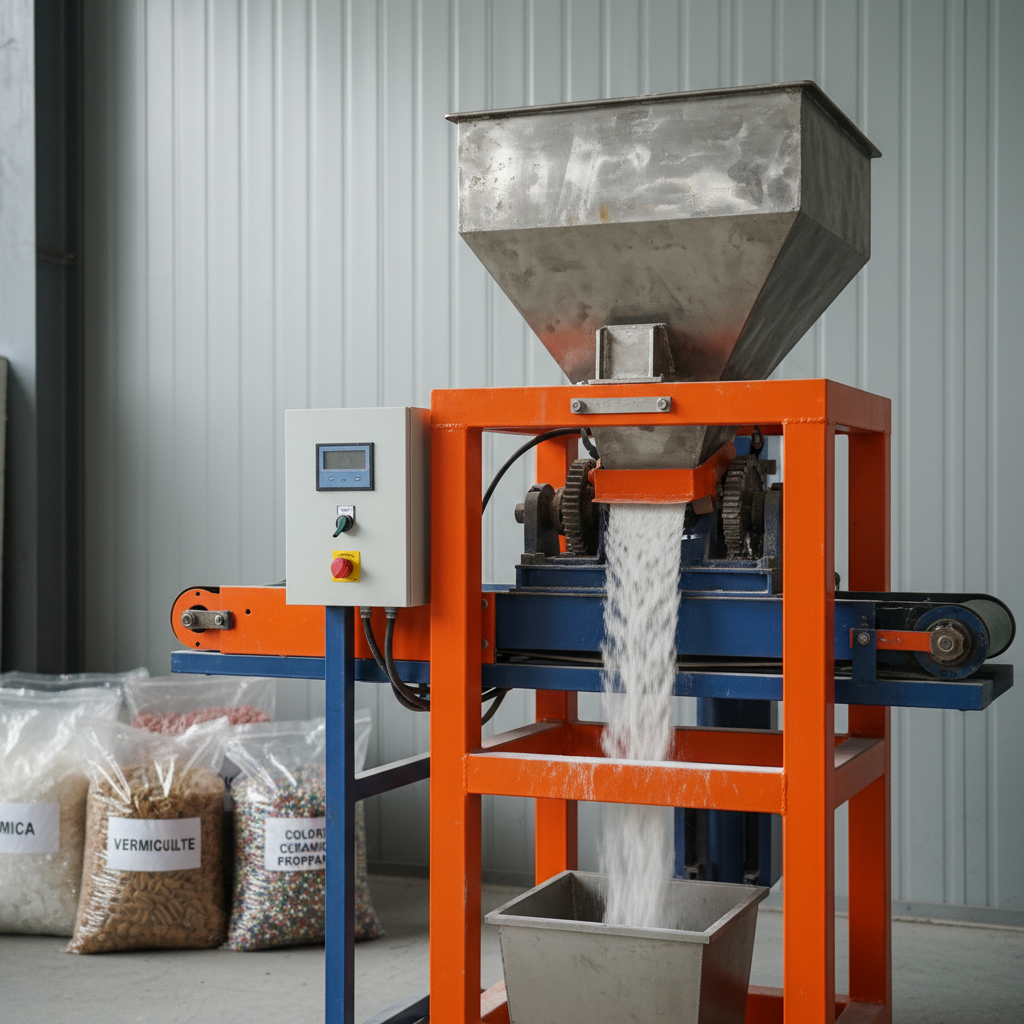
From a manufacturing perspective, controlling this expansion is vital. A professional vermiculite company utilizes specialized rotary kilns and temperature controls to ensure the resulting product has a uniform particle size and consistent air-void distribution.
When evaluating fire-resistant minerals, the fire resistance temperature is the primary benchmark. For high-end industrial grades, a resistance range of 1580~1770℃ is required. This capability allows the material to remain stable in environments where most organic or low-grade inorganic insulators would melt or volatilize.
Thermal conductivity is the second critical metric. A value of 0.03 W/(m·K) indicates an exceptional ability to inhibit heat transfer. In engineering terms, this low value means the material can effectively protect underlying structures from thermal shock and heat penetration during prolonged exposure to fire.
The synergy between these two parameters—extreme temperature stability and low conductivity—defines the material's effectiveness. Buyers must ensure that these specifications are verified through batch-testing in a laboratory setting to avoid failures in safety-critical applications.
In thermal management, there is an inverse relationship between the density of the mineral and its insulating capacity. As the expansion ratio of the vermiculite increases, the bulk density decreases, which typically lowers the thermal conductivity. However, excessively low density can compromise the mechanical strength of the insulation layer.
Moreover, the moisture absorption rate of the mineral can influence these properties. While expanded vermiculite is prized for its porosity, excessive water absorption can increase thermal conductivity, effectively bridging the air gaps that provide the insulation. Therefore, the grade selection must match the humidity of the deployment environment.
To compare different mineral configurations, engineers often use a normalized rating system. This allows for a quick assessment of how a specific material performs across multiple dimensions, such as thermal stability, weight efficiency, and chemical inertness.
The following data represents a relative engineering assessment of vermiculite compared to other common industrial minerals used in thermal shielding. These ratings reflect the effectiveness of the material in high-stress thermal environments.
In typical industrial deployment, expanded vermiculite is utilized as a loose-fill insulation or integrated into refractory concrete. In metallurgical casting, it serves as a thermal barrier that prevents heat loss from the melt, thereby improving energy efficiency and reducing the cooling rate of the metal.
For construction applications, such as fire-rated ceilings or walls, the material is often applied in a slurry form. Once dried, it creates a lightweight, non-combustible layer that significantly increases the fire-rating of the structure, meeting stringent international safety standards for commercial and industrial buildings.
The industry is moving toward "smart" mineral composites where expanded vermiculite is blended with other refractory oxides to create hybrid materials. These hybrids aim to combine the low thermal conductivity of vermiculite with the higher mechanical strength of alumina or silica-based ceramics.
Another emerging trend is the focus on sustainable sourcing and carbon-neutral processing. As environmental regulations tighten, a forward-thinking vermiculite company must optimize the energy consumption of its rotary kilns and implement more efficient raw material extraction methods.
Furthermore, we anticipate an increase in the use of mineral insulation in the energy sector, particularly for the thermal management of molten salt tanks in concentrated solar power (CSP) plants, where temperature stability and low conductivity are paramount.
Selecting the right mineral grade requires a systematic comparison of technical parameters against the specific needs of the application. A buyer must not only look at the fire resistance temperature but also consider how the material behaves under vibration or pressure.
The following matrix provides a framework for evaluating different vermiculite configurations. It distinguishes between basic industrial grades and precision-engineered versions used in high-performance aerospace or metallurgical settings.
By aligning the configuration type with the recommended use case, procurement teams can avoid over-specifying materials (which increases cost) or under-specifying (which risks system failure).
| Configuration Type | Thermal Conductivity | Fire Resistance | Recommended Use Case |
|---|---|---|---|
| Basic Grade | 0.05 - 0.08 W/(m·K) | Up to 1200°C | General Construction |
| Standard Industrial | 0.04 - 0.06 W/(m·K) | Up to 1500°C | Furnace Lining |
| Precision Thermal | 0.03 W/(m·K) | 1580 - 1770°C | Aerospace Shielding |
| High-Duty Refractory | 0.035 - 0.045 W/(m·K) | 1600°C+ | Metallurgical Casting |
| Lightweight Fill | 0.06 - 0.10 W/(m·K) | Up to 1000°C | Agricultural/Gardening |
| Custom Composite | Variable | Project Specific | Specialized R&D |
High-grade expanded vermiculite typically exhibits fire resistance temperatures ranging from 1580 to 1770°C. This makes it suitable for extreme environments like industrial kilns and metallurgical furnaces. However, the actual operating limit depends on the mineral purity and the presence of any binders used in the final installation.
Thermal conductivity (measured in W/(m·K)) determines the rate at which heat moves through the material. A low value, such as 0.03 W/(m·K), minimizes heat leakage from the interior of a furnace to the exterior. This reduces energy consumption and ensures the outer shell of the equipment remains at a safe temperature for operators.
Yes, vermiculite is frequently used as an aggregate in refractory concretes and mortars. It is compatible with most alumina and silica-based binders. When integrating vermiculite into a composite, engineers must ensure that the thermal expansion coefficients of the combined materials are aligned to prevent cracking during heating cycles.
The most common causes of failure are mechanical compression, which collapses the air-void structure and increases thermal conductivity, and moisture infiltration. In environments with high humidity or chemical exposure, the material may degrade if not properly sealed or if the wrong grade is selected for the specific chemical environment.
Buyers should request a Certificate of Analysis (CoA) for each batch. Key parameters to verify include the bulk density, particle size distribution, and a certified test of the fire resistance temperature. Samples should be tested for consistency to ensure that the exfoliation process was uniform across the entire production lot.
Raw vermiculite is a dense, layered mineral. Expanded vermiculite is the result of heating the raw mineral to approximately 700-1000°C, causing it to "pop" like popcorn. This expansion transforms the material from a dense rock into a lightweight, porous insulator, which is the form required for thermal and fire-resistant applications.
The technical effectiveness of expanded vermiculite in industrial applications is fundamentally tied to its cellular structure and mineral purity. By maintaining a thermal conductivity of 0.03 W/(m·K) and resisting temperatures up to 1770°C, it provides a critical safety and efficiency layer in high-temperature engineering.
For procurement professionals, the practical implication is clear: the focus must remain on the precision of the specifications rather than just the material category. Partnering with a specialized vermiculite company ensures that the material delivered meets the rigorous demands of the application, whether in aerospace shielding or industrial furnace lining. For further technical inquiries, visit www.baifengmining.com.