- Afrikaans
- Albanian
- Arabic
- Belarusian
- Bengali
- Czech
- Danish
- Dutch
- English
- Finnish
- French
- Galician
- German
- Greek
- Hebrew
- Hungarian
- Indonesian
- irish
- Italian
- Japanese
- Javanese
- kazakh
- Khmer
- Rwandese
- Korean
- Kyrgyz
- Lao
- Latin
- Latvian
- Lithuanian
- Malay
- Maltese
- Mongolian
- Myanmar
- Norwegian
- Persian
- Polish
- Portuguese
- Romanian
- Russian
- Serbian
- Slovak
- Spanish
- Swedish
- Tagalog
- Thai
- Turkish
- Ukrainian
- Vietnamese
- Welsh
Pomes Stone has become increasingly popular for both home gardening and industrial uses due to its lightweight, porous, and versatile nature. Gardeners use Pomes Stone to improve soil drainage, prevent compaction, and create a more aerated environment for plant roots. In container gardens, it provides a clean layer that reduces soil mess and supports healthier plants.
Beyond gardening, Pomes Stone is also used in construction as a lightweight aggregate and in aquaculture as a substrate for beneficial bacteria growth. Its natural composition and porous structure make it environmentally friendly and cost-efficient, giving it a wide range of practical applications.
In everyday plant care, Pomes Stone ensures water distribution is more even. It helps plants avoid water stress, whether in small pots at home or large commercial greenhouses. Users also appreciate that Pomes Stone does not degrade over time, meaning it can be reused season after season, making it a sustainable choice for gardeners.
Volcanic Pumice Offers Lightweight and Durable Benefits
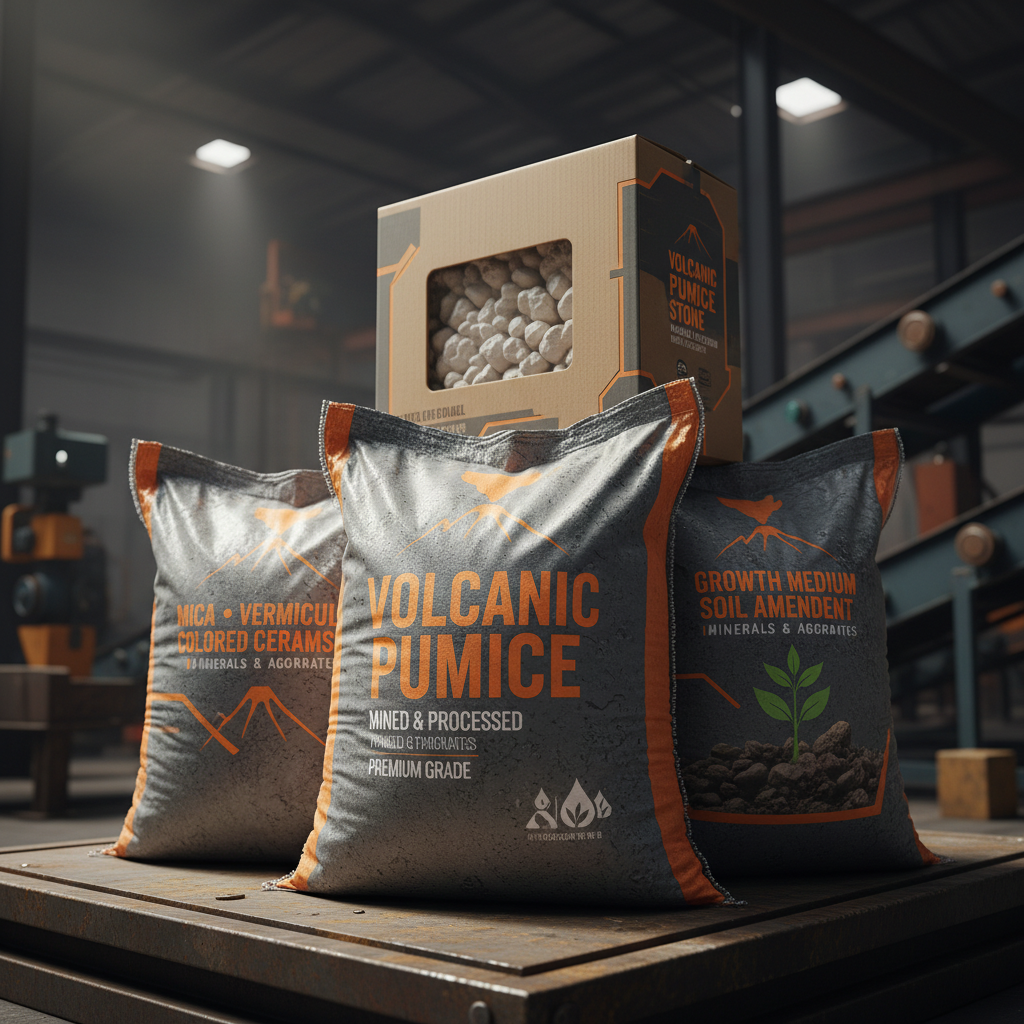
Volcanic Pumice is formed naturally during volcanic eruptions. Its structure contains countless tiny air pockets that make it extremely lightweight while still maintaining durability. These pores allow Volcanic Pumice to absorb water and nutrients efficiently, which improves soil quality and supports root development.
Gardeners often use Volcanic Pumice for bonsai, succulents, and indoor plants. The porous nature helps balance moisture and airflow, reducing the risk of root rot. Volcanic Pumice is also suitable for large-scale agricultural applications, where it can be incorporated into soil to improve aeration and nutrient retention for crops.
For aquaculture, Volcanic Pumice enhances water circulation and provides a stable surface for aquatic plants and beneficial bacteria. Its natural, chemical-free composition ensures it does not alter water pH, making it a safe choice for fish tanks, ponds, and hydroponic systems.
Using Volcanic Pumice Stone For Practical Purposes
Volcanic Pumice Stone has diverse applications in daily life and industry. In gardening, it is used as a drainage layer in pots, reducing the risk of overwatering and soil compaction. It is also incorporated into soil mixes for hydroponic setups, helping plants thrive in a controlled environment.
In industrial settings, Volcanic Pumice Stone is ground into fine powders for use as lightweight concrete additives, abrasives, or polishing materials. Its porous structure allows it to absorb moisture or oils during cleaning and polishing processes, making it highly versatile.
Home users also value Volcanic Pumice Stone for its aesthetic benefits. Spread over soil surfaces, it gives a clean, modern look to planters and indoor gardens. Its neutral grey and white color complements most décor styles while providing functional benefits.
Aquarium Pumice And Aquarium Pumice Stone For Healthy Water
Aquarium Pumice is specially processed for aquaculture and aquarium use. It supports biological filtration by providing a surface for beneficial bacteria to colonize, which helps maintain water quality and oxygen levels.
Using Aquarium Pumice Stone, aquarists can stabilize aquatic plant roots and promote healthy growth. Unlike traditional gravel, Aquarium Pumice Stone does not compact, preventing the formation of anaerobic zones that could harm fish. Its lightweight nature also makes tank maintenance easier, and it can be cleaned and reused multiple times.
For both hobbyists and professional aquarium operators, Aquarium Pumice ensures clean, healthy, and stable aquatic environments. It is also compatible with various water types and does not leach harmful chemicals into the tank.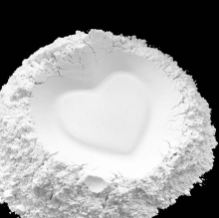
Different Types Of Pumice Stone And Their Industrial Applications
Different Types Of Pumice are available to meet the needs of various industries. Grey, white, and red pumice are widely used in horticulture, construction, and cosmetics. White pumice is particularly popular for soil improvement and decorative purposes, while grey pumice serves well in industrial and abrasive applications.
In construction, Different Types Of Pumice Stone are used as lightweight aggregates in concrete and plaster, reducing overall structural weight without compromising strength. Fine-grained pumice is also used in polishing and abrasive products, offering a natural and cost-effective solution.
Industrial users often source Different Types Of Pumice in bulk to ensure consistent quality and availability. Pumice comes in granules or powder, ranging from 2-4mm, 5-8mm, 10-20mm, 50-80mm, or 325-1250 mesh. This flexibility allows it to serve multiple purposes, from soil conditioning to aquaculture substrates to lightweight construction materials.
Practical Tips For Using Pumice
-
Mixing With Soil: Combine Pomes Stone with standard potting soil at a 1:1 ratio for succulents, or 1:2 for larger plants to improve aeration and drainage.
-
Choosing Particle Size: Smaller pumice (2-4mm) is ideal for seedlings, medium (5-8mm) for bonsai, and larger (10-20mm) for aquarium plant substrates.
-
Watering Guidance: Observe the moisture level—wet pumice appears darker. Adjust watering frequency based on plant needs.
-
Cleaning And Reuse: Rinse Aquarium Pumice Stone with water and soak in mild disinfectant if necessary before reusing.
-
Decorative Application: Spread Volcanic Pumice Stone on soil surfaces for a clean, modern look while reducing water evaporation.
These simple tips help users maximize the benefits of pumice while minimizing maintenance effort.
Pomes Stone FAQs
What Is Pomes Stone mainly used for?
Pomes Stone is mainly used for soil conditioning, aquaculture, container gardening, and lightweight construction.
How does Volcanic Pumice help plant growth?
Volcanic Pumice improves aeration, water retention, and nutrient availability, promoting stronger roots.
Is Aquarium Pumice Stone safe for fish tanks?
Yes, Aquarium Pumice Stone is pH-neutral, supports beneficial bacteria, and does not release harmful chemicals.
Can Volcanic Pumice Stone be reused?
Yes, after washing and sterilization, Volcanic Pumice Stone can be reused for multiple cycles.
What sizes are available for different Pumice applications?
Pumice is available in 2-4mm, 5-8mm, 10-20mm, 50-80mm, and 325-1250 mesh, suitable for gardening, aquaculture, and industrial needs.
Pomes Stone continues to be widely used because it aligns perfectly with practical needs across gardening, aquaculture, and industrial applications. Its lightweight, reusable, and eco-friendly nature makes it a smart investment for both home and commercial users. For high-quality Pimpsten, including Volcanic Pumice Stone and Aquarium Pumice, visiting trusted supplier websites allows you to review product specifications, compare sizes, and purchase in bulk or retail quantities. Product details: Pumice Specification: 2-4mm, 5-8mm, 10-20mm, 50-80mm, 325-1250 mesh; Form: granule & powder; Color: grey & white. Selecting the right pumice ensures healthier plants, cleaner aquariums, and reliable industrial performance.
Relaterade nyheter