Aquarium Pumice Stone: A Comprehensive Guide
Aquarium pumice stone is a natural, porous volcanic rock widely used in aquariums for filtration, plant rooting, and creating a natural aesthetic. Its unique properties make it an invaluable tool for both freshwater and saltwater setups. This article will explore the benefits of using aquarium pumice stone, how to select the right type, and practical applications for maintaining a healthy and thriving aquatic environment. Understanding the role of pumice can significantly improve water quality and create a more natural habitat for your fish and plants.

What is Aquarium Pumice Stone?
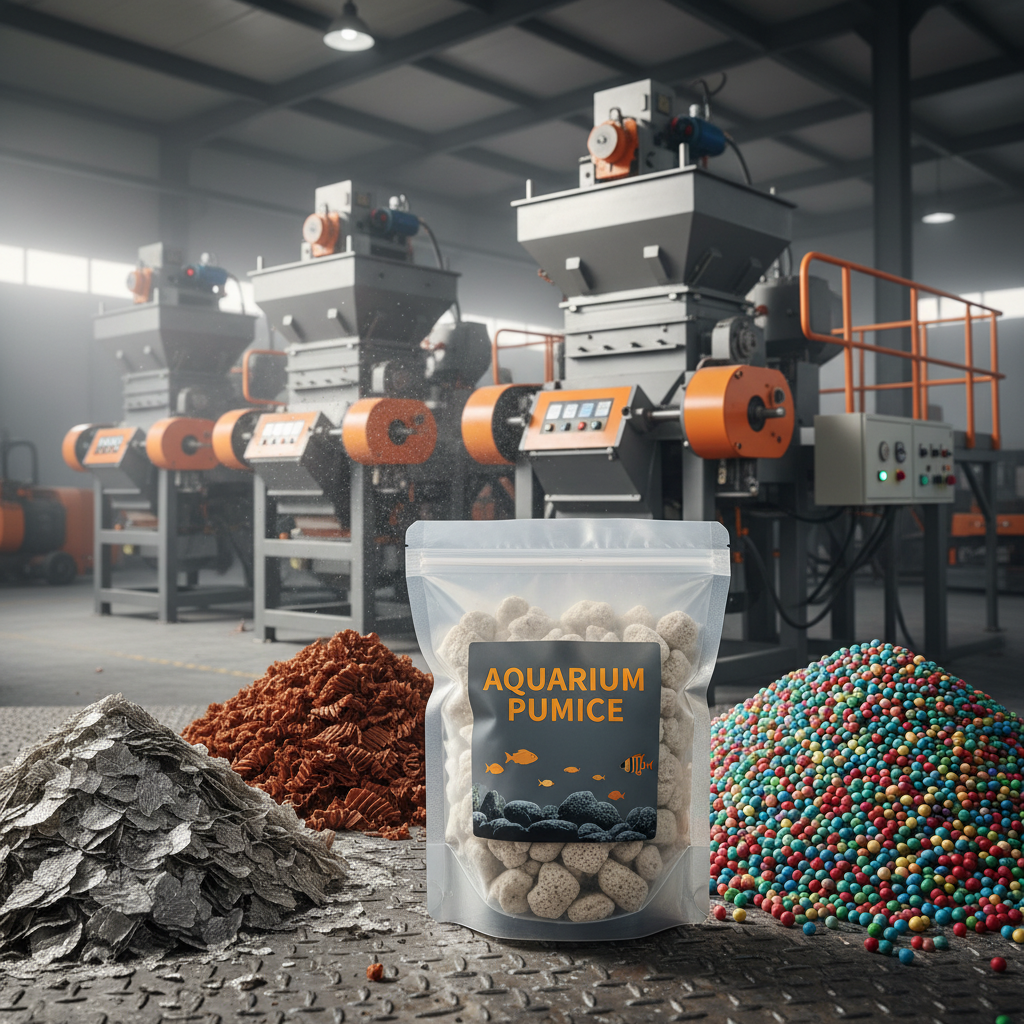
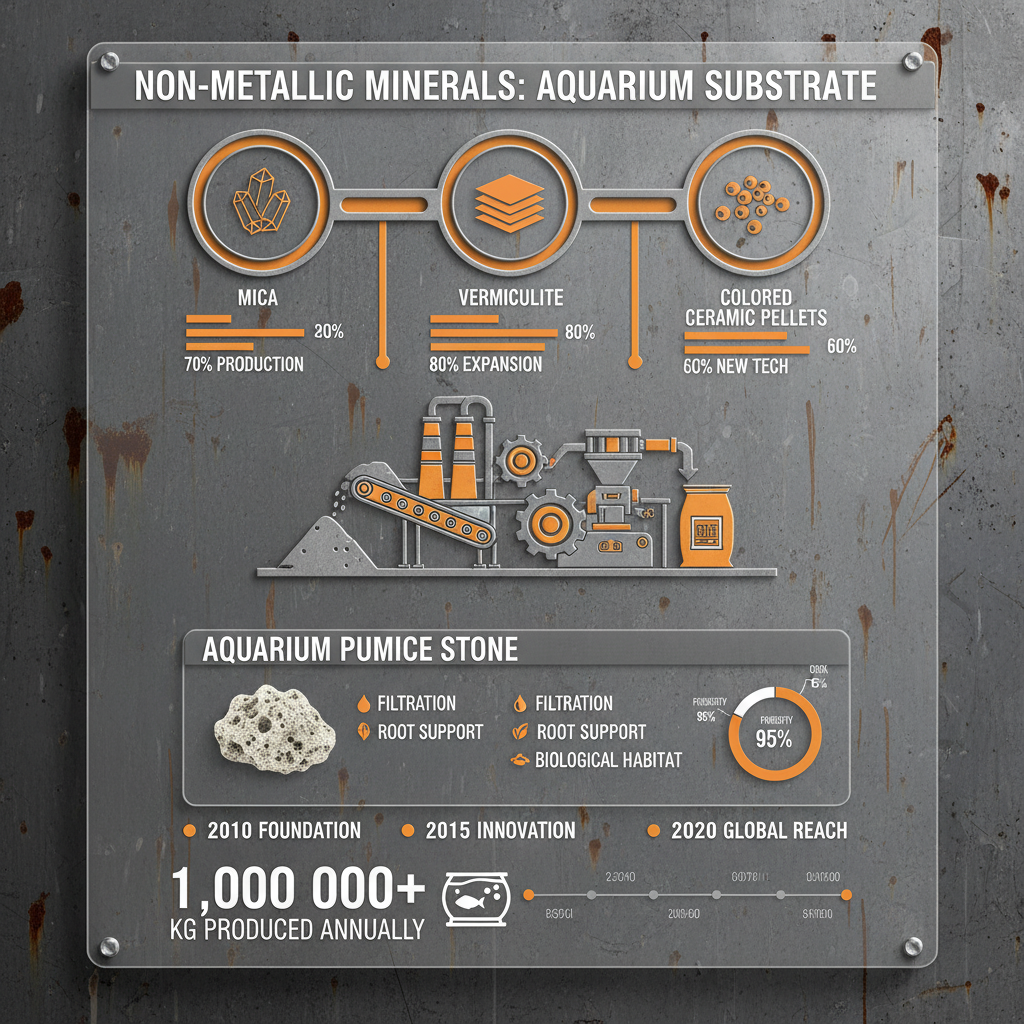
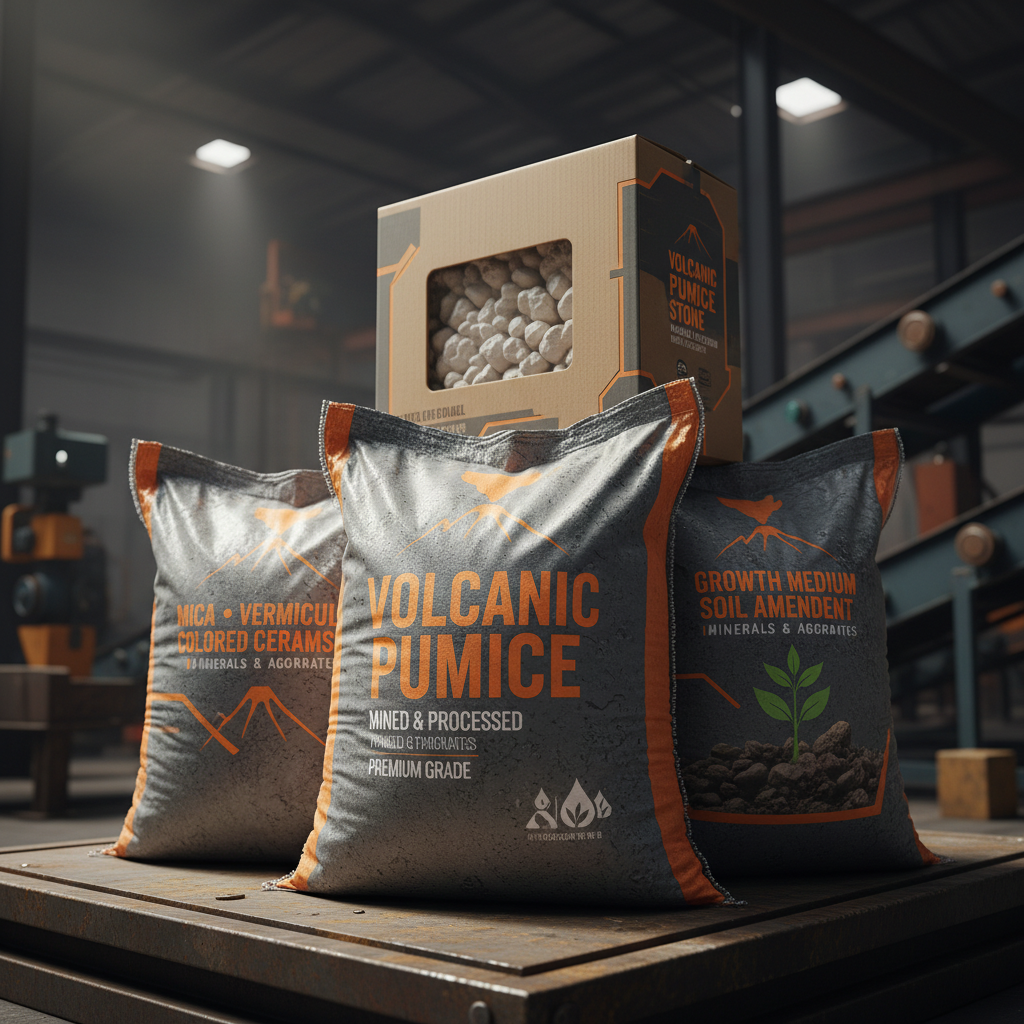
Aquarium pumice stone is formed when molten lava cools rapidly, trapping air bubbles inside. This results in a lightweight, porous material with a large surface area. This high porosity is what makes it so effective in aquarium applications. It's naturally inert, meaning it won’t alter the water chemistry, and it's readily available in various grades and sizes. The natural texture provides a perfect surface for beneficial bacteria to colonize, contributing to biological filtration. You can find high quality aquarium pumice stone at Baifeng Mining.
Key Highlights: Pumice stone's porous structure provides an excellent surface area for beneficial bacteria, aiding in biological filtration and contributing to a healthier aquarium ecosystem.
The Benefits of Using Aquarium Pumice Stone
Using pumice stone in your aquarium offers a multitude of benefits. Firstly, it acts as a biological filter media, providing a home for nitrifying bacteria that convert harmful ammonia and nitrites into less toxic nitrates. Secondly, its porous nature makes it an excellent substrate for plant roots, allowing them to anchor and absorb nutrients. Furthermore, pumice stone can be used to create natural-looking rock structures, providing hiding places for fish and adding aesthetic appeal. Finally, it's a cost-effective and long-lasting solution compared to some other filtration and substrate options.
Key Benefits:
• Biological filtration: supports nitrifying bacteria
• Plant substrate: provides anchoring and nutrient absorption
• Natural aesthetics: creates realistic rock structures
• Cost-effective: long-lasting and affordable
Aquarium Pumice Stone Grades & Applications
Aquarium pumice stone comes in various grades, each suited for different applications. Coarse pumice is ideal for use as a filter media in canister filters or sumps, while medium-grade pumice is excellent as a substrate for plants. Fine pumice can be used to create a more natural-looking substrate or for polishing fish scales. Selecting the appropriate grade is crucial for optimal performance. Baifeng Mining offers a wide selection of pumice grades to meet your specific aquarium needs. Choosing the right grade ensures the best results for filtration and plant health.
Preparing Aquarium Pumice Stone for Use
Before adding pumice stone to your aquarium, it's crucial to prepare it properly. Rinse the pumice thoroughly under running water to remove any dust or debris. This prevents clouding of the water and ensures a clean environment for your fish and plants. Some sources recommend boiling the pumice for a few minutes to further sterilize it, although this isn't always necessary. Ensuring the pumice is clean and free of contaminants is essential for maintaining water quality. The pumice stone from Baifeng Mining is carefully processed to minimize dust and debris.
Choosing the Right Pumice Stone Supplier
When selecting aquarium pumice stone, it's essential to choose a reputable supplier. Look for a supplier that provides consistently high-quality pumice, free of contaminants and with a uniform pore structure. Baifeng Mining is a trusted supplier of premium pumice stone, offering a wide range of grades and sizes to meet your specific aquarium requirements. We prioritize quality control and ensure our products are safe and effective for aquatic environments. Don’t compromise on quality – choose a supplier you can trust.
Conclusion: Enhancing Your Aquarium with Pumice Stone
Aquarium pumice stone is a versatile and beneficial addition to any aquarium setup. Its porous structure, inert nature, and affordability make it a smart choice for filtration, plant growth, and creating a natural aesthetic. By choosing a high-quality supplier like Baifeng Mining, you can ensure your aquarium thrives.
Frequently Asked Questions (FAQs)
Will pumice stone alter my aquarium’s pH?
No, pumice stone is generally inert and will not significantly alter your aquarium’s pH levels. However, it's always a good practice to test your water parameters after introducing any new substrate or media to ensure stability. The quality of the pumice is also important; impurities can sometimes affect water chemistry, so choosing a reputable supplier like Baifeng Mining is crucial. A proper rinse before use is also recommended to remove any residual dust or particles.
How often should I replace the pumice stone in my filter?
The lifespan of pumice stone in a filter depends on the bioload and maintenance schedule. Generally, it should be replaced every 6-12 months, as the pores can become clogged with debris over time, reducing its effectiveness. Regular cleaning, by gently rinsing the pumice in removed aquarium water (never tap water), can extend its lifespan. Monitor your water parameters to determine when replacement is necessary.
Can I use pumice stone in a saltwater aquarium?
Yes, pumice stone is suitable for both freshwater and saltwater aquariums. Its inert nature and porous structure make it effective in marine environments as well. Ensure the pumice stone is thoroughly rinsed before use to remove any dust or debris that could affect water quality. Baifeng Mining’s pumice stone is a safe and reliable option for both freshwater and saltwater setups.
Is pumice stone safe for shrimp and snails?
Yes, pumice stone is generally considered safe for shrimp and snails. Its porous structure provides a good surface for biofilm growth, which shrimp and snails can graze on. However, it's important to choose a pumice stone that is free of sharp edges that could injure sensitive invertebrates. The pumice stone from Baifeng Mining is processed to ensure a smooth surface, making it safe for all types of aquatic inhabitants.
Related News