Understanding Pumice Made Of: A Comprehensive Guide
Pumice, a fascinating volcanic rock, is prized for its unique properties and diverse applications. But what exactly is pumice made of? This article delves into the composition, formation, and various uses of this incredibly versatile material. We'll explore its benefits across industries, from abrasives to agriculture, providing a comprehensive overview for anyone interested in learning more about this natural resource. Discover why Baifeng Mining is a trusted supplier of high-quality pumice.
The Composition of Pumice
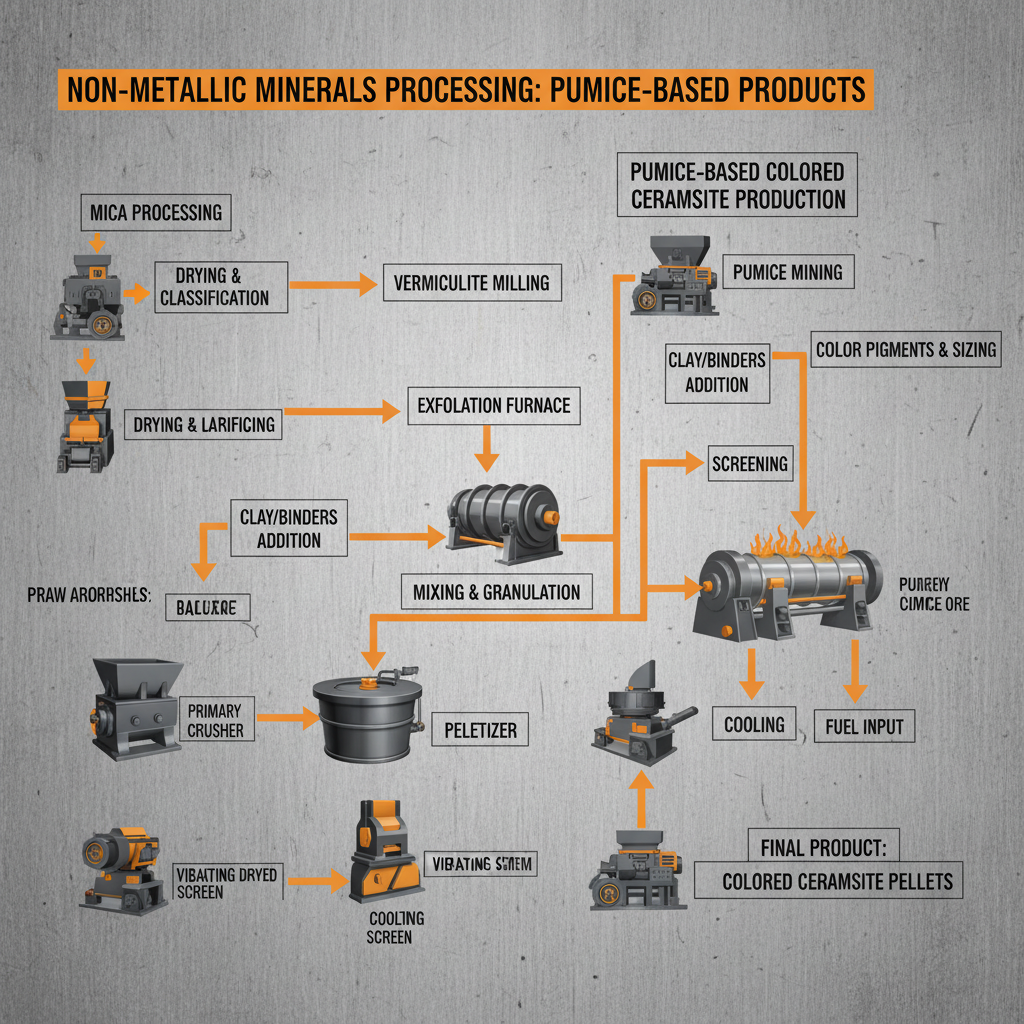
At its core, pumice is a volcanic rock formed during explosive eruptions. It is primarily composed of silica (SiO2), typically ranging from 63% to 77%. Other significant components include aluminum oxide (Al2O3), sodium oxide (Na2O), potassium oxide (K2O), calcium oxide (CaO), and iron oxide (Fe2O3). Crucially, the key characteristic of pumice isn’t what it’s made of, but how it’s made – the rapid cooling and depressurization of gas-rich lava. This process creates its signature vesicular texture, full of tiny bubbles, making it incredibly lightweight and abrasive. Baifeng Mining's pumice undergoes rigorous quality control to ensure consistent composition and performance.
How is Pumice Formed? The Volcanic Process
Pumice originates from felsic to intermediate lava, meaning lava rich in silica. During a volcanic eruption, lava containing dissolved gases is ejected into the atmosphere. The sudden decrease in pressure causes the dissolved gases to rapidly expand, creating countless bubbles within the lava. As the lava cools quickly, it solidifies around these bubbles, forming a frothy, porous rock. Because of the high gas content and rapid cooling, pumice is less dense than other volcanic rocks and often floats on water. The specific chemical composition of the lava and the conditions of the eruption influence the characteristics of the resulting pumice.
Key Highlights: Pumice is formed from rapidly cooled, gas-rich lava. Its unique vesicular texture contributes to its lightweight and abrasive qualities.
Pumice Grades & Applications
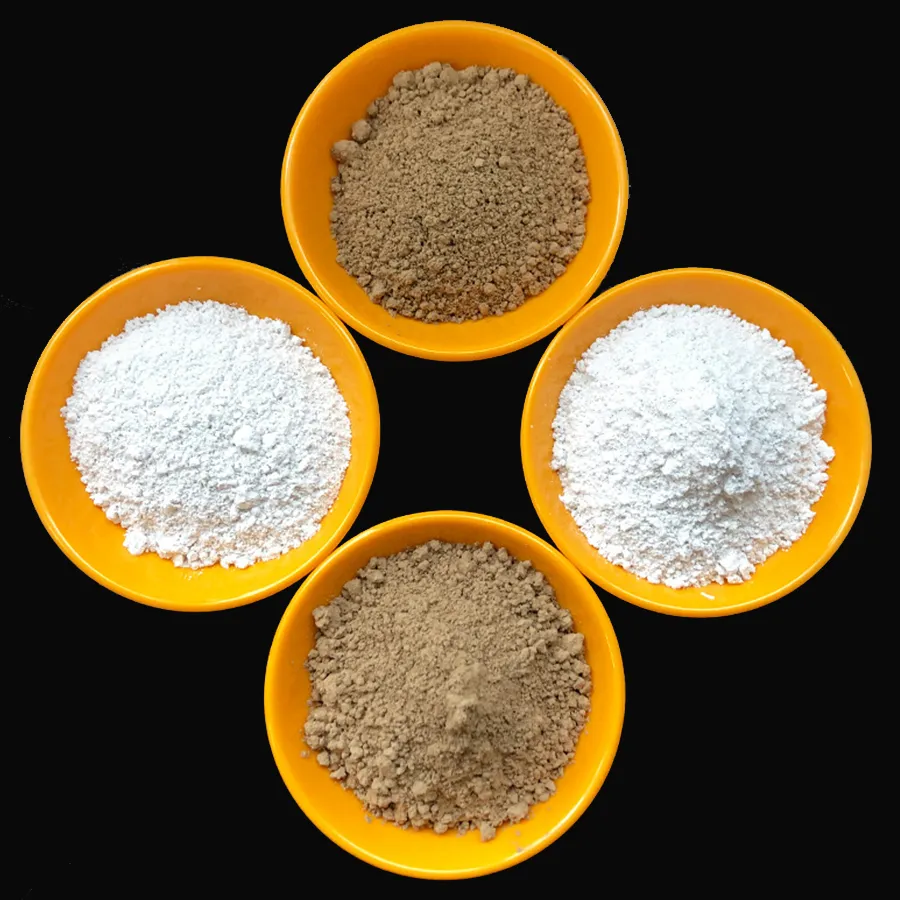
Pumice isn’t a one-size-fits-all material. It’s categorized into various grades based on particle size, impacting its suitability for different applications. Finer grades are often used in polishing compounds and personal care products, while coarser grades are ideal for abrasive cleaning and concrete additives. Here’s a breakdown of common pumice grades and their corresponding uses:
Key Industries Utilizing Pumice
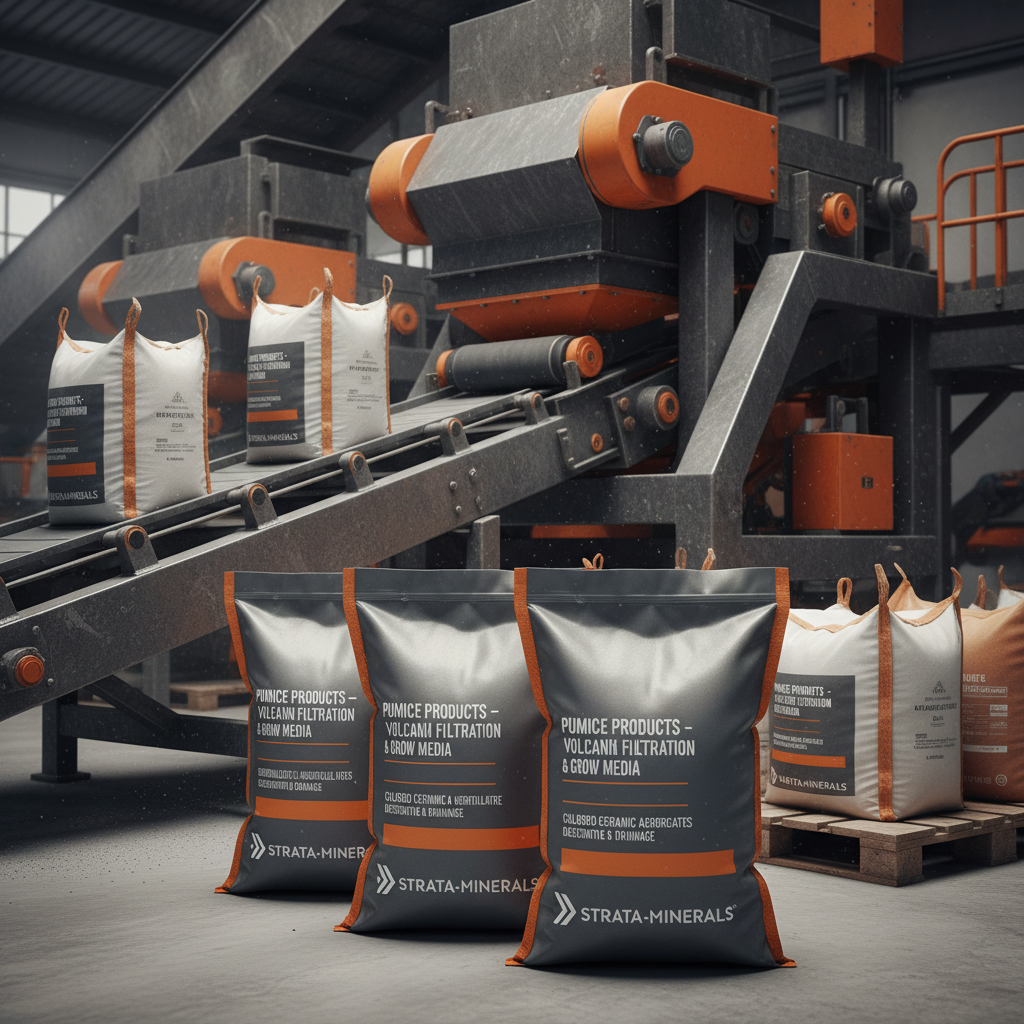
The diverse properties of pumice lend themselves to applications in a multitude of industries. In agriculture, it's used as a soil amendment, improving drainage and aeration. The construction industry utilizes it in lightweight concrete and as an abrasive for surface preparation. The cosmetic industry leverages its gentle exfoliating properties in skincare products. Furthermore, pumice plays a role in filtration systems, detergents, and even the production of plastics. Its non-toxic nature and sustainable sourcing make it an environmentally friendly choice across various sectors.
Pumice vs. Other Abrasives: A Comparison
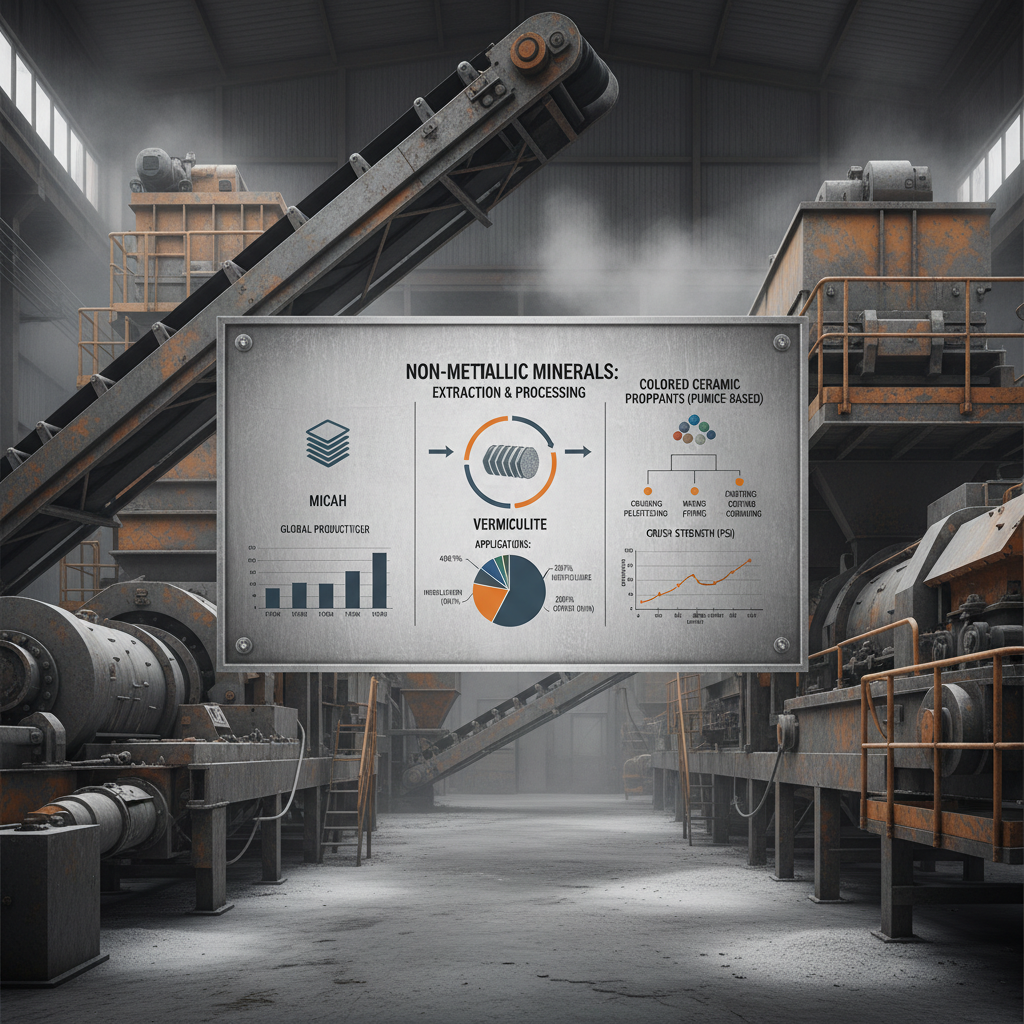
While numerous abrasive materials exist, pumice offers unique advantages. Unlike harsh abrasives like sand or aluminum oxide, pumice is naturally gentle, minimizing damage to surfaces. Compared to synthetic abrasives, it's a sustainable and renewable resource. Here’s a quick overview:
Pumice Advantages:
• Natural and sustainable
• Gentle abrasive action
• Lightweight and easy to handle
• Non-toxic and environmentally friendly
Conclusion: The Versatility of Pumice
Pumice, made of volcanic glass and possessing a unique cellular structure, is a truly remarkable material. Its composition, formation, and diverse applications demonstrate its versatility and value across numerous industries. From agriculture to cosmetics, pumice offers sustainable and effective solutions. Baifeng Mining is dedicated to providing high-quality pumice products to meet the evolving needs of our customers.
Frequently Asked Questions (FAQs)
Is pumice environmentally friendly?
Yes, pumice is considered an environmentally friendly material. It’s a naturally occurring resource, requiring minimal processing. Unlike many synthetic abrasives, it doesn’t contribute to microplastic pollution. Pumice is also lightweight, reducing transportation costs and emissions. Its use in agriculture can even improve soil health and reduce the need for chemical fertilizers.
Where is pumice typically sourced from?
Pumice is primarily sourced from volcanic regions around the world. Major deposits are found in countries like Turkey, Greece, Italy, the United States (particularly the western states like Oregon and Idaho), and Indonesia. Baifeng Mining carefully selects its pumice sources to ensure quality and sustainability.
Can pumice be used in water filtration?
Yes, pumice is an excellent material for water filtration. Its porous structure allows it to effectively remove sediment, debris, and even certain pollutants from water. It’s often used in both home and industrial filtration systems as a natural and cost-effective alternative to other filtration media.
How is pumice different from obsidian?
While both pumice and obsidian are volcanic glasses, they differ significantly in their formation and texture. Obsidian cools rapidly, resulting in a smooth, glassy texture. Pumice, as described above, cools during a gas-rich eruption resulting in its porous and lightweight texture. Obsidian is denser and generally darker in color than pumice.
Related News