
Pumice for Aquarium Filtration: A Comprehensive Guide
Maintaining a healthy aquarium environment is crucial for the well-being of your aquatic life. One often overlooked, yet incredibly effective, filtration medium is pumice. This naturally volcanic rock offers a unique blend of mechanical and biological filtration benefits. This article will delve into the advantages of using pumice in aquariums, its various applications, and how to select the best pumice for your needs. Pumice provides a large surface area for beneficial bacteria to colonize, leading to improved water quality and a thriving aquarium ecosystem.

Understanding Pumice and its Properties
Pumice is a lightweight, porous volcanic rock formed when super-heated, highly pressurized rock is violently ejected from a volcano. This rapid cooling creates a unique structure filled with air pockets, making it incredibly lightweight and providing a vast surface area. This porosity is key to its effectiveness in aquarium filtration. The rough texture of pumice also provides excellent mechanical filtration, trapping particulate matter. Furthermore, pumice is chemically inert, meaning it won't alter the aquarium's water chemistry. It's a natural and sustainable filtration option, contributing to a more eco-friendly aquarium setup.
Key Highlights: Pumice is lightweight, porous, chemically inert, and provides both mechanical and biological filtration.
How Pumice Benefits Aquarium Filtration
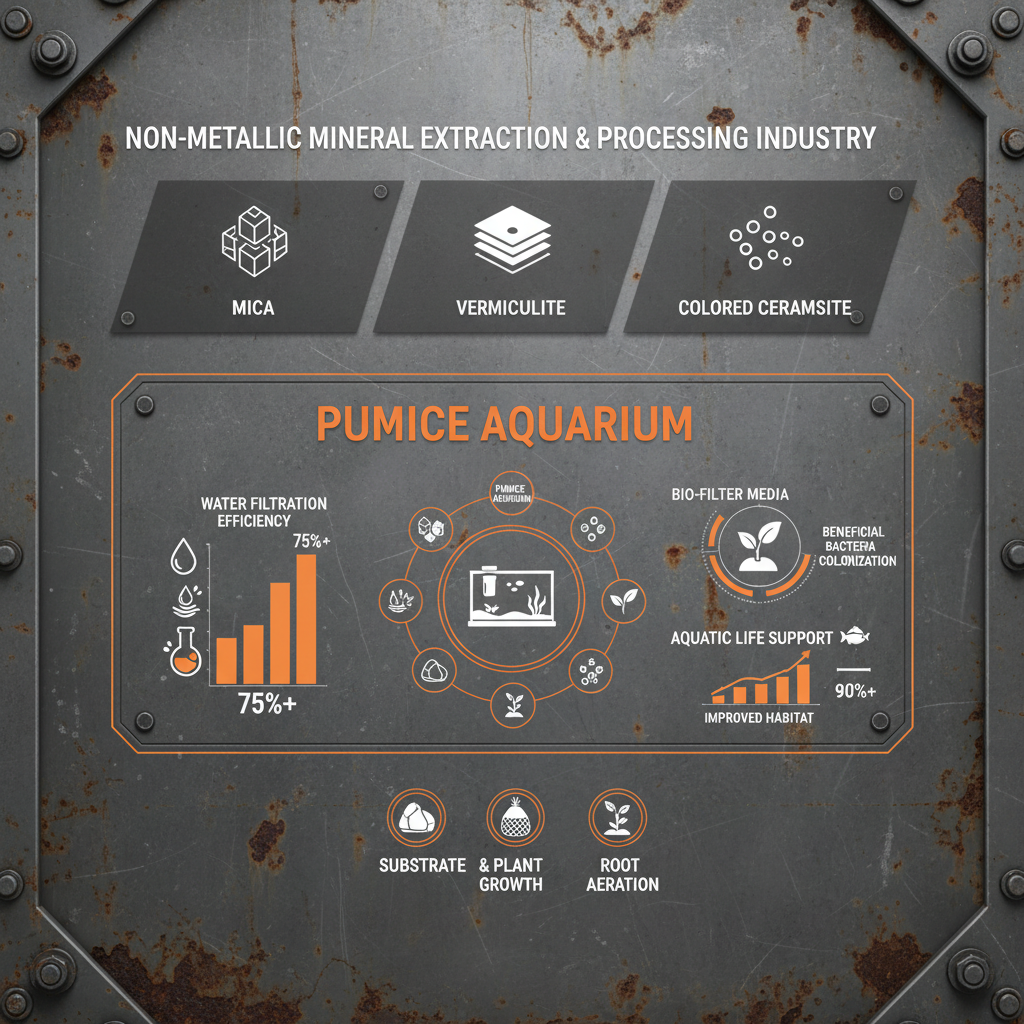
Pumice excels in both mechanical and biological filtration. Mechanically, it traps debris like uneaten food and fish waste, keeping the water column clearer. Biologically, the immense surface area within the porous structure provides an ideal habitat for beneficial bacteria. These bacteria convert harmful ammonia and nitrites into less toxic nitrates, establishing a healthy nitrogen cycle – essential for a thriving aquarium. Using pumice for aquarium filtration reduces the need for frequent water changes and promotes a stable, healthy environment for your fish and plants.
Biological Filtration Benefits:
• Provides a large surface area for beneficial bacteria.
• Converts harmful ammonia and nitrites into nitrates.
• Establishes a healthy nitrogen cycle.
• Reduces the frequency of water changes.
Pumice Aquarium Applications: From Filters to Substrate
Pumice’s versatility allows for several applications in aquariums. It can be used directly in filters – canister filters, hang-on-back filters, or even DIY filtration systems – as a replacement or supplement to existing filter media. It’s also an excellent substrate component, particularly for planted tanks, as its porosity promotes root growth and aeration. Larger pumice stones can be used to create caves and hiding places for fish, adding both functionality and aesthetic appeal to the aquarium. The different grades of pumice available allow for tailored application depending on your aquarium’s needs.
Choosing the Right Pumice for Your Aquarium
Pumice comes in various grades, from fine powders to large stones. The appropriate grade depends on your intended use. For filter media, smaller grades are generally preferred due to their greater surface area. For substrate, medium to large grades are better, providing good drainage and preventing compaction. Always rinse pumice thoroughly before adding it to your aquarium to remove any dust or debris. It's also wise to source your pumice from a reputable supplier like Baifeng Mining, ensuring its purity and suitability for aquatic use.
Pumice vs. Other Filter Media
Compared to other common filter media like ceramic rings or bio-balls, pumice offers a natural, cost-effective alternative. While ceramic rings are manufactured for optimal porosity, pumice provides a comparable surface area at a lower price point. Bio-balls are less porous than pumice and can sometimes become clogged. Pumice's natural structure promotes better water flow and prevents clogging. Furthermore, pumice is a sustainable resource, making it a more environmentally friendly choice than many synthetic alternatives.
Conclusion: A Natural Solution for a Healthy Aquarium
Incorporating pumice into your aquarium is a simple yet effective way to improve water quality, promote a healthy ecosystem, and create a thriving environment for your aquatic life. Its natural properties, versatility, and cost-effectiveness make it an excellent choice for both beginner and experienced aquarists. Embrace the power of nature and discover the benefits of pumice for your aquarium!
Frequently Asked Questions (FAQs)
Does pumice affect aquarium pH?
Generally, pumice is chemically inert and shouldn't significantly affect your aquarium's pH. However, it’s always a good practice to test your water parameters after introducing any new substrate or filter media. Some pumice may contain trace minerals, but these are usually minimal and won't cause drastic pH changes. To be safe, rinse the pumice thoroughly before use to remove any residual dust or debris that could temporarily affect pH.
How often should I replace pumice in my filter?
Pumice doesn’t degrade like some organic filter media, so it doesn’t need frequent replacement. However, over time, the pores can become clogged with debris. It’s recommended to rinse the pumice periodically (every 2-3 months) during water changes to remove accumulated waste. Complete replacement is generally only necessary if the pumice becomes severely clogged and rinsing doesn’t restore its flow rate.
Is pumice suitable for saltwater aquariums?
Yes, pumice is generally safe for use in saltwater aquariums. However, it’s crucial to ensure the pumice hasn’t been treated with any chemicals or additives that could be harmful to marine life. Source your pumice from a reputable supplier that specifically offers aquarium-grade pumice. Thorough rinsing before use is essential to remove any potential contaminants.
Can I use pumice in a planted aquarium?
Absolutely! Pumice is an excellent addition to planted aquariums. Its porous structure provides excellent aeration to the roots, promoting healthy plant growth. It also serves as a substrate for beneficial bacteria, which are crucial for providing plants with essential nutrients. Medium to large-grade pumice is best suited for planted tanks.


Related News