Different Types of Pumice Stone: A Comprehensive Guide
Pumice stone, a naturally occurring volcanic rock, is renowned for its unique abrasive qualities and lightweight texture. It’s a versatile material with a surprisingly wide range of applications, from exfoliating skin to industrial cleaning. Understanding the different types of pumice stone is crucial for selecting the right product for your specific needs. This article will explore the various classifications of pumice, their characteristics, and their ideal uses, providing a detailed overview for both personal and industrial applications. Choosing the correct type of pumice can significantly improve efficiency and effectiveness in various tasks.
Understanding Pumice Stone Formation and Basic Types
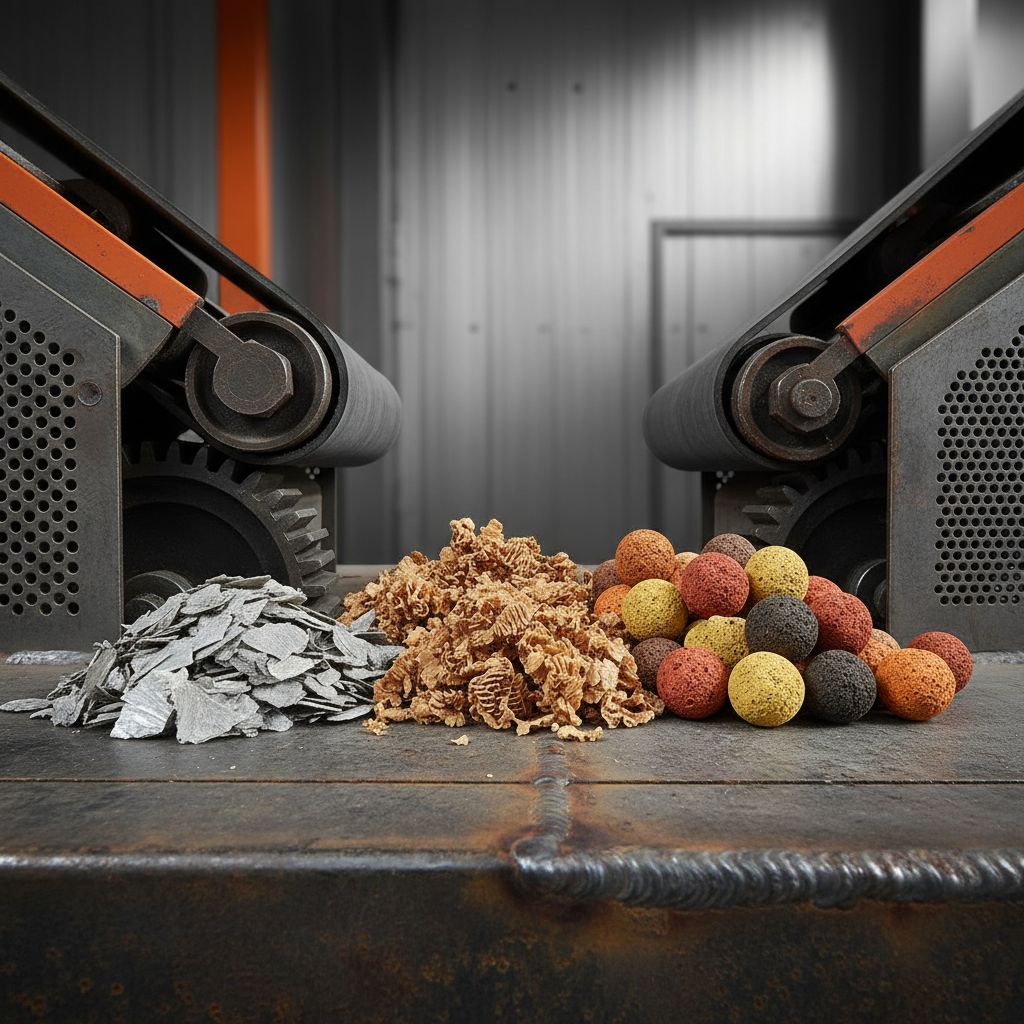
Pumice is created when super-heated, highly pressurized rock is violently ejected from a volcano. The rapid cooling and depressurization cause gas bubbles to form within the molten rock, resulting in a porous, lightweight stone. Generally, pumice is categorized by grain size and density. The most common categories include fine, medium, and coarse pumice. Fine pumice, with its very small particles, is often used for cosmetic applications and polishing. Medium pumice strikes a balance between abrasiveness and fineness, making it ideal for foot care and light cleaning. Coarse pumice, featuring larger particles, is generally used for heavy-duty industrial applications, like cleaning and scrubbing.
Key Highlights: Pumice is created from rapidly cooling, gas-filled volcanic rock. Grain size (fine, medium, coarse) is a primary categorization factor.
Fine Pumice: Ideal for Delicate Applications
Fine pumice, often referred to as pumice powder, has a very smooth texture and is highly effective for polishing and gentle exfoliation. It's commonly found in skincare products, such as scrubs and cleansers, to remove dead skin cells and promote smoother skin. This type of pumice is also used in dental polishing compounds and in the production of specialty cleaning products for delicate surfaces. Baifeng Mining supplies high-quality fine pumice that meets stringent purity standards.
Fine Pumice Benefits:
• Gentle exfoliation for skin
• Effective polishing agent
• Used in dental and specialty cleaning products
Medium Pumice: The All-Purpose Pumice Stone
Medium pumice is perhaps the most widely recognized type. It’s frequently sold as a standalone stone for removing calluses and hardened skin on feet. Its moderate abrasiveness makes it effective for this purpose without being overly harsh. It also finds applications in household cleaning, for removing stains from surfaces like porcelain and ceramic. This versatile stone is a staple in many households and is commonly used in the beauty and personal care industries.
Coarse Pumice: Industrial-Strength Cleaning and Abrasives
Coarse pumice boasts the largest particle size and the highest abrasiveness. This makes it perfect for demanding industrial applications, such as removing rust, paint, and scale from metal surfaces. It's also utilized in concrete production as an abrasive additive, enhancing the texture and durability of the finished product. Furthermore, coarse pumice is frequently used in the denim industry for creating a “stone-washed” effect. Baifeng Mining provides coarse pumice in various grades to meet specific industrial requirements.
Specialty Pumice Variations
Beyond the basic classifications, certain pumice stones possess unique characteristics. For instance, white pumice, known for its exceptional purity, is highly sought after in cosmetic applications. Red pumice, containing traces of iron oxide, is favored in some industrial cleaning processes due to its added abrasive power. The specific geological origin and processing methods also influence the final properties of the pumice stone, resulting in a diverse range of specialized products.

Conclusion: Choosing the Right Pumice for Your Needs
Selecting the appropriate type of pumice stone depends entirely on the intended application. From the gentle exfoliation provided by fine pumice to the robust cleaning power of coarse pumice, understanding the differences is crucial. Baifeng Mining offers a comprehensive range of pumice stones to meet diverse needs, ensuring quality and consistency.
Frequently Asked Questions (FAQs)
What makes pumice stone so abrasive?
Pumice's abrasiveness comes from its unique vesicular texture – the numerous tiny air bubbles trapped within the rock. These bubbles create a naturally rough surface, making it an excellent scrubbing agent. The hardness of the volcanic glass also contributes to its abrasive properties. Different sizes of pumice have varying levels of abrasiveness; finer pumice is less abrasive than coarser varieties.
Can pumice stone be used on all skin types?
While generally safe, pumice stone isn't suitable for all skin types. Individuals with sensitive or delicate skin should use it cautiously or avoid it altogether, as it can cause irritation. It's essential to use a moisturizing lotion or oil while using pumice on the skin to minimize friction and prevent dryness. Avoid using pumice on inflamed or broken skin.
How is pumice stone sourced and is it sustainable?
Pumice is typically sourced from volcanic regions around the world. The extraction process is generally considered environmentally friendly, as pumice is a naturally occurring resource that regenerates with volcanic activity. However, responsible mining practices are crucial to minimize environmental impact. Baifeng Mining is committed to sustainable sourcing and ethical mining practices.

Related News