- Afrikaans
- Albanian
- Arabic
- Belarusian
- Bengali
- Czech
- Danish
- Dutch
- English
- Finnish
- French
- Galician
- German
- Greek
- Hebrew
- Hungarian
- Indonesian
- irish
- Italian
- Japanese
- Javanese
- kazakh
- Khmer
- Rwandese
- Korean
- Kyrgyz
- Lao
- Latin
- Latvian
- Lithuanian
- Malay
- Maltese
- Mongolian
- Myanmar
- Norwegian
- Persian
- Polish
- Portuguese
- Romanian
- Russian
- Serbian
- Slovak
- Spanish
- Swedish
- Tagalog
- Thai
- Turkish
- Ukrainian
- Vietnamese
- Welsh

-
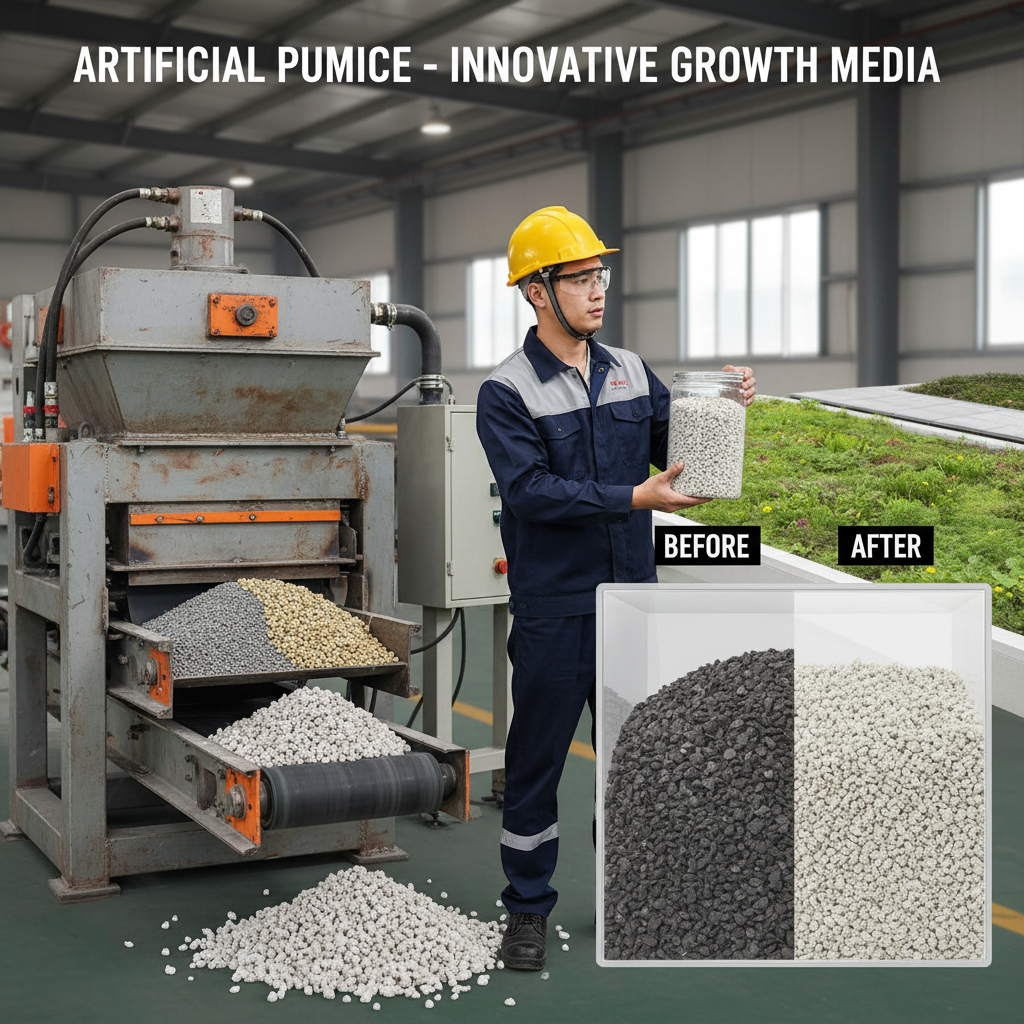
Exploring Artificial Pumice Properties Applications and Sourcing Options
3月 . 12, 2026
Artificial pumice, also known as expanded clay or ceramic lightweight aggregate, is a versatile material increasingly used across various industries. Unlike natural pumice sourced from volcanic activity, artificial pumice is manufactured, offering consistent properties and reliable supply. This article delves into the production, characteristics, applications, and sourcing of artificial pumice, particularly highlighting Baifeng Mining's offerings. Understanding the benefits and choosing the right supplier are crucial for maximizing the value of this innovative material. Artificial pumice is created by heating clay minerals to high temperatures, causing them to expand and create a lightweight, porous structure. The process involves carefully controlling the composition of the clay, the firing temperature, and the cooling rate to achieve desired properties such as particle size, density, and porosity. Common clay materials used include shale, claystone, and slate.
続きを読む -

Comprehensive Guide to Utilizing Aquarium Pumice Stone for Thriving Aquatic Ecosystems
3月 . 11, 2026
Aquarium pumice stone is a natural, porous volcanic rock widely used in aquariums for filtration, plant rooting, and creating a natural aesthetic. Its unique properties make it an invaluable tool for both freshwater and saltwater setups. This article will explore the benefits of using aquarium pumice stone, how to select the right type, and practical applications for maintaining a healthy and thriving aquatic environment. Understanding the role of pumice can significantly improve water quality and create a more natural habitat for your fish and plants. Aquarium pumice stone is formed when molten lava cools rapidly, trapping air bubbles inside. This results in a lightweight, porous material with a large surface area. This high porosity is what makes it so effective in aquarium applications. It's naturally inert, meaning it won’t alter the water chemistry, and it's readily available in various grades and sizes. The natural texture provides a perfect surface for beneficial bacteria to colonize, contributing to biological filtration.
続きを読む -
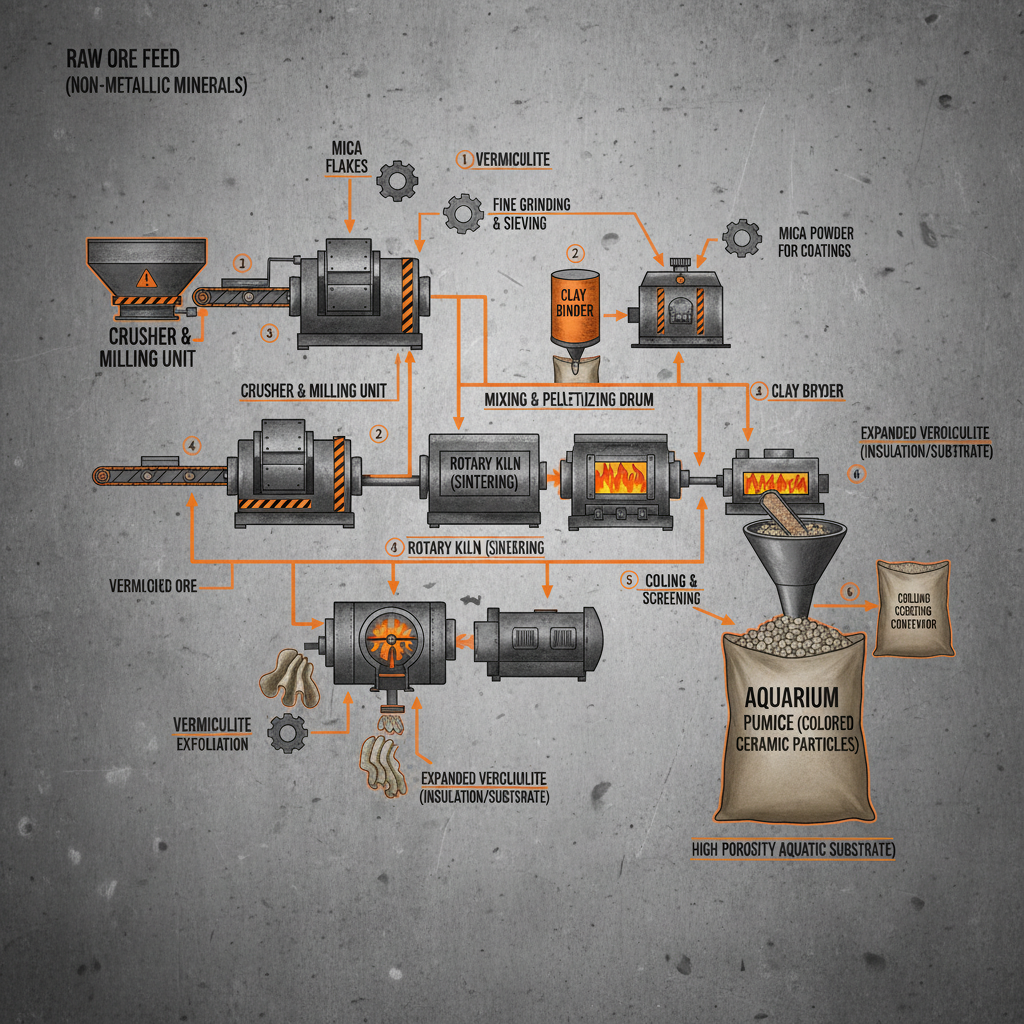
Comprehensive Guide to Aquarium Pumice for Thriving Aquatic Ecosystems
3月 . 10, 2026
Aquarium pumice is a highly versatile and beneficial material for aquarists, offering a range of uses from filtration to plant substrate. Its unique porous structure provides numerous advantages for maintaining a healthy and thriving aquatic environment. Whether you’re setting up a new tank or looking to improve an existing one, understanding the benefits of aquarium pumice can significantly enhance your success. It’s a natural, lightweight, and cost-effective solution for various aquarium needs. Aquarium pumice is a volcanic rock formed when lava rapidly cools and solidifies, trapping gas bubbles inside. This process creates a lightweight material with a highly porous structure. This porosity is the key to its benefits in aquariums. Pumice is naturally abrasive but won't scratch glass or acrylic. It’s often used in its raw form, though some suppliers offer pre-washed and graded pumice for convenience. Its natural origin also makes it an eco-friendly choice for aquarium enthusiasts.
続きを読む -

Exploring Pomes Stone A Comprehensive Guide to Uses and Benefits
3月 . 09, 2026
Pomes stone, a naturally abrasive volcanic rock, has been utilized for centuries in a surprisingly diverse range of applications. From traditional skincare to industrial cleaning, its unique texture offers effective exfoliation and polishing capabilities. This article provides an in-depth exploration of pomes stone, covering its origins, properties, uses, and benefits. Discover why this humble stone remains a valuable resource in both personal and professional settings. Pomes stone is formed from solidified volcanic foam, specifically pumice. It's created when gas-rich lava erupts explosively and rapidly cools, resulting in a lightweight, porous rock. The versatility of pomes stone is truly impressive. In the beauty industry, it’s a popular natural exfoliant, effectively removing dead skin cells to reveal smoother, brighter skin. It’s frequently found in foot files, scrubs, and hand care products.
続きを読む -
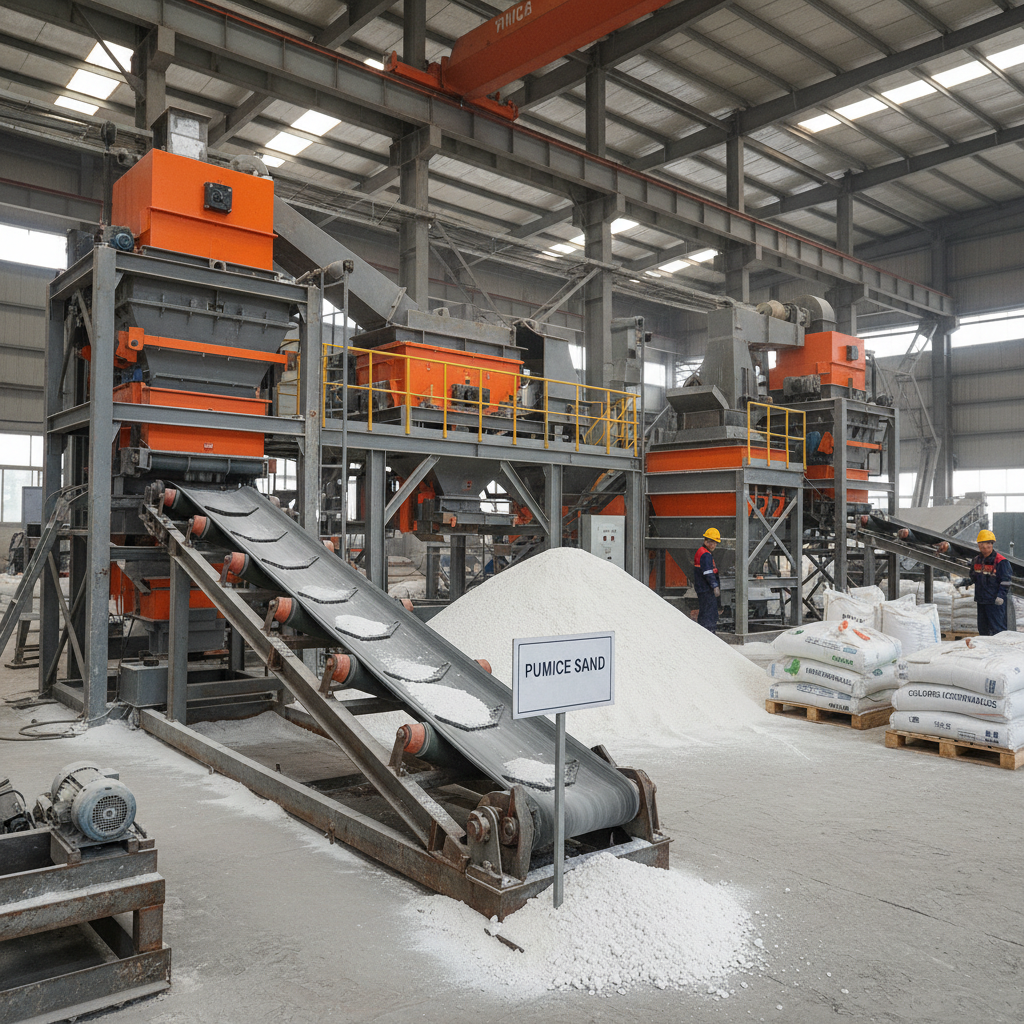
Exploring the Versatile Applications of Pumice Sand Across Industries
3月 . 08, 2026
Pumice sand, a versatile and naturally occurring material, is gaining prominence across diverse industries. Its unique properties – lightweight, abrasive, and excellent absorption – make it ideal for a wide range of applications, from industrial cleaning to cosmetic formulations. This article provides a comprehensive overview of pumice sand, covering its formation, characteristics, uses, and how Baifeng Mining provides high-quality pumice sand to meet global demands. Understanding the benefits of pumice sand can unlock significant improvements in efficiency and product quality across your operations. Pumice sand is a fragment of pumice, a volcanic rock ejected during explosive eruptions. The rapid cooling and depressurization of lava result in a highly vesicular structure, creating a lightweight and porous material. When this pumice rock breaks down – through weathering and processing – it yields pumice sand, characterized by its abrasive texture and fine particle size. This natural formation process imbues pumice sand with unique physical and chemical properties making it valuable in a plethora of industries.
続きを読む -
Exploring the Versatile Applications and Benefits of Pumice Volcanic Rock
3月 . 07, 2026
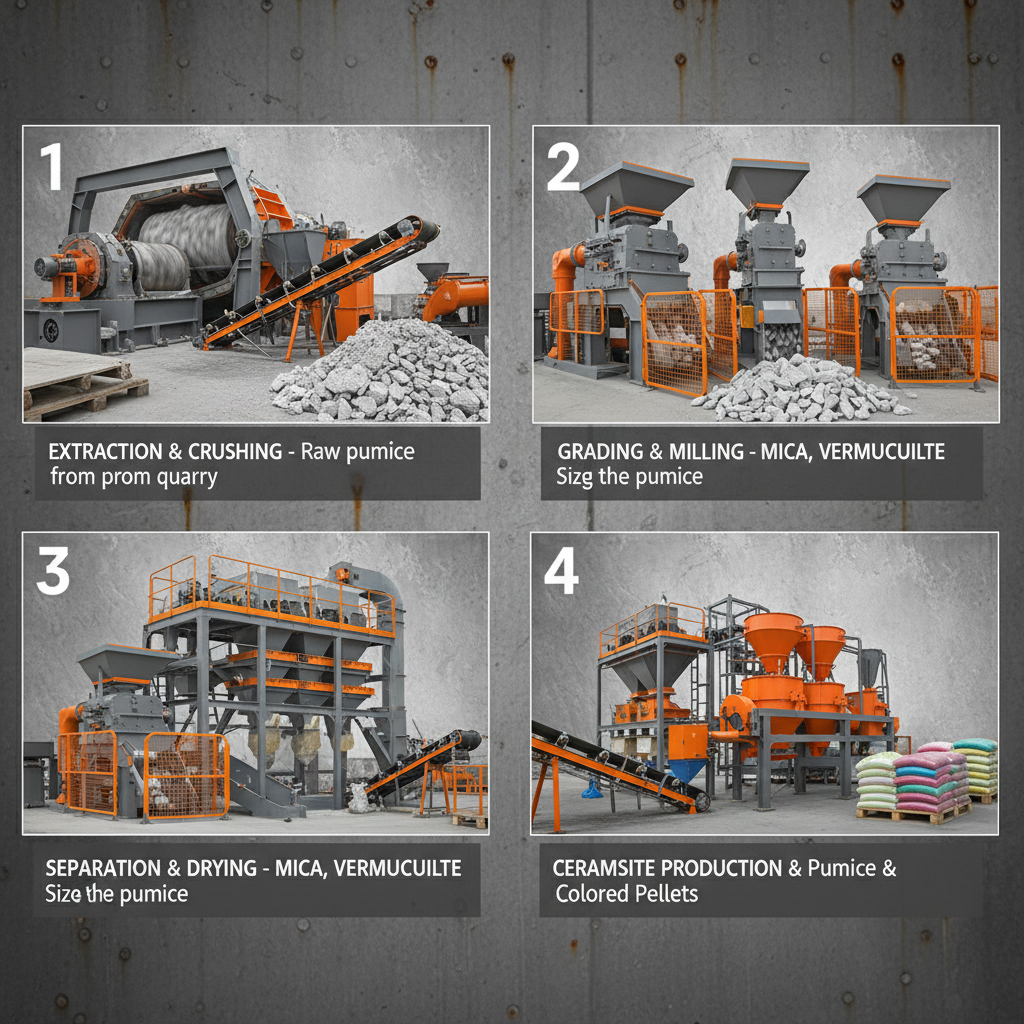
Pumice is a fascinating and versatile volcanic rock with a remarkably wide range of applications. Formed during explosive volcanic eruptions, its unique porous structure gives it exceptional properties that make it valuable in various industries, from construction and agriculture to cosmetics and abrasive cleaning. This article provides an in-depth look at pumice, exploring its formation, properties, uses, and sourcing options. Understanding pumice’s capabilities can unlock opportunities for innovative solutions in your business. Pumice is created when gas-rich lava erupts from a volcano. The rapid decompression causes the lava to expand violently, creating a bubbly, frothy material. As the lava cools, it solidifies into a lightweight, porous rock – pumice. This unique structure is what gives pumice its defining characteristics. It is typically light in color, ranging from white to grey, and has a very low density, often allowing it to float on water. The abundance of tiny air pockets makes pumice exceptionally abrasive yet lightweight, making it a practical material for numerous applications.
続きを読む -

Exploring the Diverse Types of Pumice and Their Industrial Applications
3月 . 06, 2026
Pumice, a fascinating volcanic rock, is renowned for its lightweight and abrasive properties. It’s formed when super-heated, highly pressurized rock is violently ejected from a volcano. Rapid cooling and depressurization create the characteristic bubbly texture. But not all pumice is created equal! There are distinct types of pumice, each with unique characteristics and applications. This article will explore these variations, covering their origins, properties, and uses in industries ranging from construction to cosmetics. Understanding these differences is crucial for selecting the right pumice for your specific needs. Volcanic pumice is the most common form, originating directly from volcanic eruptions. It's characterized by its frothy, vesicular texture—filled with tiny bubbles (vesicles) formed by escaping gases. The color ranges from light gray to white, although impurities can result in shades of yellow, brown, or even black. This type of pumice is relatively soft and easily ground, making it ideal for abrasive applications. It's sourced from various volcanic regions around the globe, including Italy, Greece, Turkey, and the western United States.
続きを読む -

Exploring Diverse Pumice Types Their Properties and Applications
3月 . 05, 2026
Pumice, a fascinating volcanic rock, is prized for its unique properties and diverse applications. From exfoliating skincare to industrial filtration, its lightweight and abrasive nature makes it incredibly versatile. But not all pumice is created equal! There are several pumice types, each with distinct characteristics that influence its suitability for specific uses. This article will explore the different categories of pumice, their formation, properties, and applications, helping you understand which type is best suited for your needs. We’ll delve into factors like density, particle size, and chemical composition, providing a comprehensive overview of this remarkable natural resource. The variations in pumice types stem from the conditions under which they are formed. Pumice is created during explosive volcanic eruptions when gas-rich lava is ejected into the atmosphere. The rapid decompression causes the lava to expand dramatically, forming a frothy, vesicular rock. The composition of the lava (silica content, mineral content), the amount of dissolved gases, and the cooling rate all contribute to the final characteristics of the pumice.
続きを読む -
Exploring Diverse Pumice Stone Types and Their Comprehensive Applications
3月 . 04, 2026
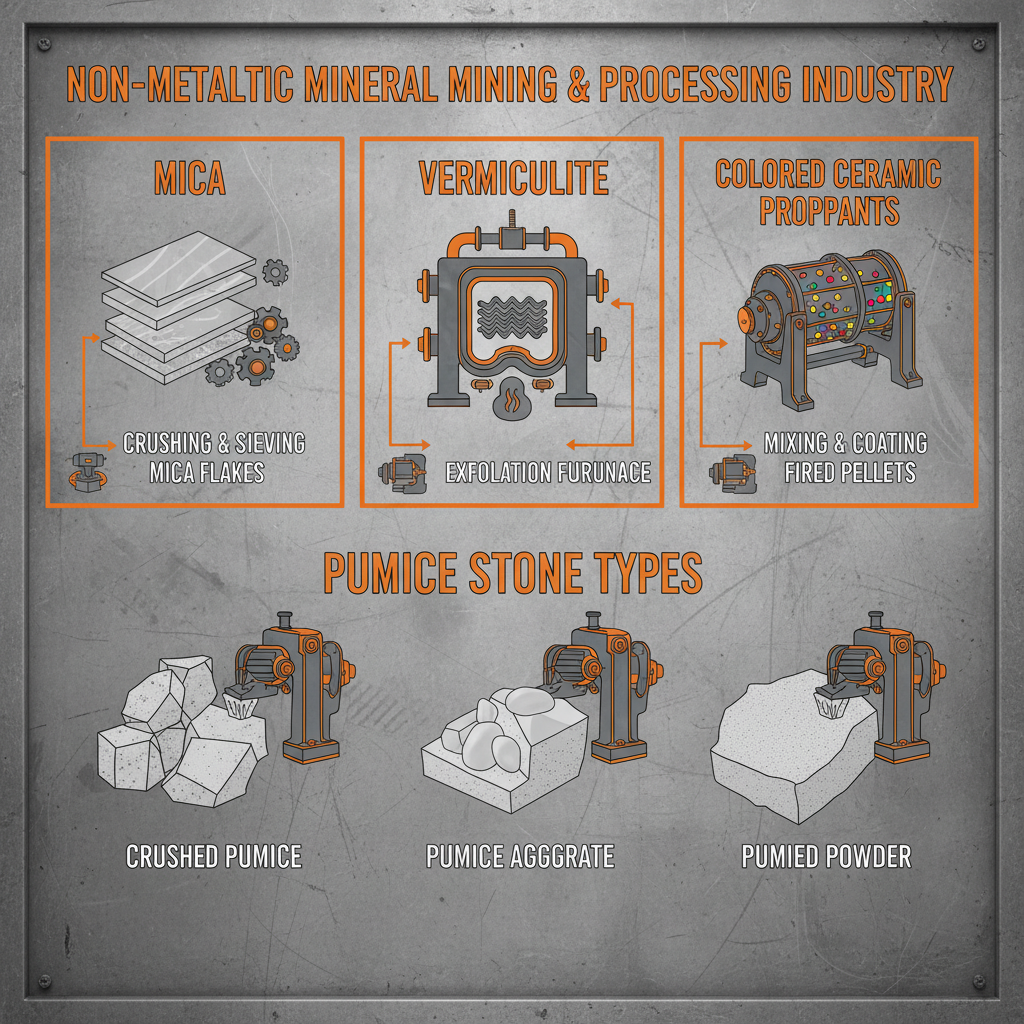
Pumice stone, a fascinating volcanic rock, boasts a unique cellular texture that makes it incredibly versatile. From exfoliating skin to industrial applications, its abrasive qualities are highly sought after. But not all pumice stone types are created equal. This article explores the different kinds of pumice, their characteristics, uses, and how to choose the right one for your needs. Whether you're a skincare enthusiast or a professional in a demanding industry, understanding these variations is key to maximizing its benefits. Pumice is an extrusive igneous rock formed when super-heated, highly pressurized rock is violently ejected from a volcano. The rapid cooling and depressurization create vesicles – gas bubbles – within the rock, resulting in its lightweight and porous nature. This unique structure is what gives pumice its abrasive qualities. The composition primarily consists of silica, aluminum, sodium, potassium, calcium, and iron. Different volcanic conditions and compositions lead to variations in pumice density, color, and abrasive power.
続きを読む -
Exploring Different Types of Pumice Stone and Their Applications
3月 . 03, 2026
Pumice stone, a naturally occurring volcanic rock, is renowned for its unique abrasive qualities and lightweight texture. It’s a versatile material with a surprisingly wide range of applications, from exfoliating skin to industrial cleaning. Understanding the different types of pumice stone is crucial for selecting the right product for your specific needs. This article will explore the various classifications of pumice, their characteristics, and their ideal uses, providing a detailed overview for both personal and industrial applications. Choosing the correct type of pumice can significantly improve efficiency and effectiveness in various tasks. Pumice is created when super-heated, highly pressurized rock is violently ejected from a volcano. The rapid cooling and depressurization cause gas bubbles to form within the molten rock, resulting in a porous, lightweight stone. Generally, pumice is categorized by grain size and density. The most common categories include fine, medium, and coarse pumice. Fine pumice, with its very small particles, is often used for cosmetic applications and polishing. Medium pumice strikes a balance between abrasiveness and fineness, making it ideal for foot care and light cleaning. Coarse pumice, featuring larger particles, is generally used for heavy-duty industrial applications, like cleaning and scrubbing.
続きを読む -
Exploring the Enduring Appeal of Cobblestones 10x10 for Landscaping and Design
2月 . 28, 2026
Cobblestones, particularly those measuring 10x10 inches, offer a timeless aesthetic and durable surface for a variety of landscaping and construction projects. From driveways to patios, and even interior design elements, these stones bring character and longevity. This article will explore the benefits, applications, installation considerations, and available options for 10x10 cobblestones, providing valuable insights for homeowners, contractors, and designers. Choosing the right cobblestone is crucial for achieving a beautiful and long-lasting result. 10x10 cobblestones refer to paving stones with dimensions of approximately 10 inches by 10 inches. These stones are traditionally crafted from natural materials like granite, basalt, sandstone, or limestone, though concrete alternatives are increasingly available. The term “cobblestone” often encompasses a range of sizes and shapes, but the 10x10 dimension provides a practical balance between aesthetic appeal and ease of installation. They are known for their inherent durability, resistance to weathering, and unique textural quality.
続きを読む -
Enhance Your Outdoor Spaces with Durable 4x4 Cobblestone Solutions
2月 . 27, 2026
When planning a paving project, selecting the appropriate materials is crucial for both aesthetics and durability. 4x4 cobblestone offers a classic and versatile solution for driveways, patios, walkways, and landscaping. This article will explore the benefits of using 4x4 cobblestone, discuss factors to consider when choosing the right type, and highlight how Baifeng Mining can provide high-quality cobblestone for your project. Proper cobblestone installation enhances property value and creates a visually appealing outdoor space. The term "4x4 cobblestone" refers to stones that are approximately 4 inches in length and 4 inches in width. While the dimensions can vary slightly, this size is ideal for creating a traditional cobblestone look without being overly bulky. These stones are generally 2-3 inches thick, providing sufficient strength and durability for various applications. Common uses include driveway paving, patio construction, garden pathways, retaining walls, and decorative landscaping elements. The consistent size and shape of 4x4 cobblestone facilitate relatively straightforward installation, making it a popular choice for both professional landscapers and DIY enthusiasts.
続きを読む
関連製品
主な製品には雲母、バーミキュライト、火山岩、石製品などがあります。