Dolomite Powder for Skin: What It Is and Why It Matters
At first glance, dolomite powder for skin might sound like just another cosmetic ingredient, but it’s actually a fascinating mineral with a wide range of applications — from skincare to industrial uses. Understanding what dolomite powder is, particularly in relation to skin, is more than just a skincare fad; it taps into global trends around natural minerals, sustainability, and even humanitarian needs.
Globally, the market for mineral-based cosmetic and therapeutic products has seen steady growth, driven by consumer shifts toward natural ingredients. With benefits ranging from gentle exfoliation to pH balancing, dolomite powder’s role has quietly expanded across industries.
Let’s unpack what this mineral really means, its multifaceted applications, and why those interested in skin health — as well as broader manufacturing sectors — should keep an eye on it.
Introduction: Why Dolomite Powder for Skin Has Grown in Importance
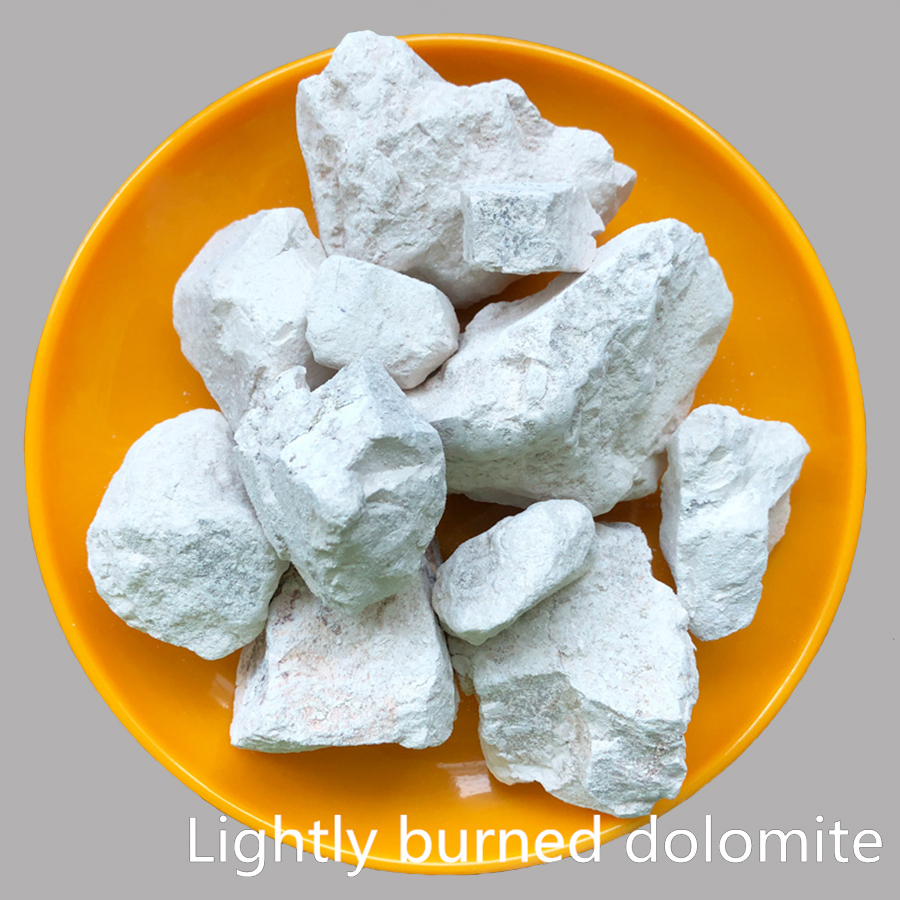
First off, the mineral dolomite itself is a calcium magnesium carbonate, found naturally in sedimentary rock. When pulverized finely into powder, it creates a remarkably versatile product. According to ISO standards, dolomite powder has specifications that make it suitable for cosmetics, pharmaceuticals, agriculture, and industrial manufacturing.
Why all the fuss? Well, the global mineral supplements and natural skincare market is forecasted to reach multi-billion-dollar valuations, highlighted by a World Bank report emphasizing sustainable resource use. But challenges exist — such as sourcing high-purity dolomite, ensuring safe skin compatibility, and adapting traditional mining to eco-friendly practices.
Dolomite’s gentle properties offer a solution here: it’s less abrasive than other mineral powders, which is key when considering sensitive skin formulas or humanitarian products like wound dressings and topical powders. Also, with increasing awareness about environmentally friendly ingredients, dolomite fits well into this shift.
Defining Dolomite Powder for Skin: Simply Put
Put simply, dolomite powder for skin is finely ground dolomite mineral used primarily in cosmetic and therapeutic products to condition, soothe, or protect skin. Rich in calcium and magnesium — two minerals essential for skin health — dolomite powder can act as a mild exfoliant, an absorbent agent, or a buffering medium to balance pH levels in creams and lotions.
Modern industries leverage dolomite for:
- Natural skincare formulations
- Therapeutic body powders
- Mask bases and exfoliants
- Filler ingredients in pharmaceutical ointments
There’s also a humanitarian angle: in post-disaster or remote medical situations, mineral powders like dolomite may be used as absorbents or to prevent infections when conventional products aren’t readily available.
Core Aspects That Shape Dolomite Powder’s Practical Uses
1. Purity and Particle Size
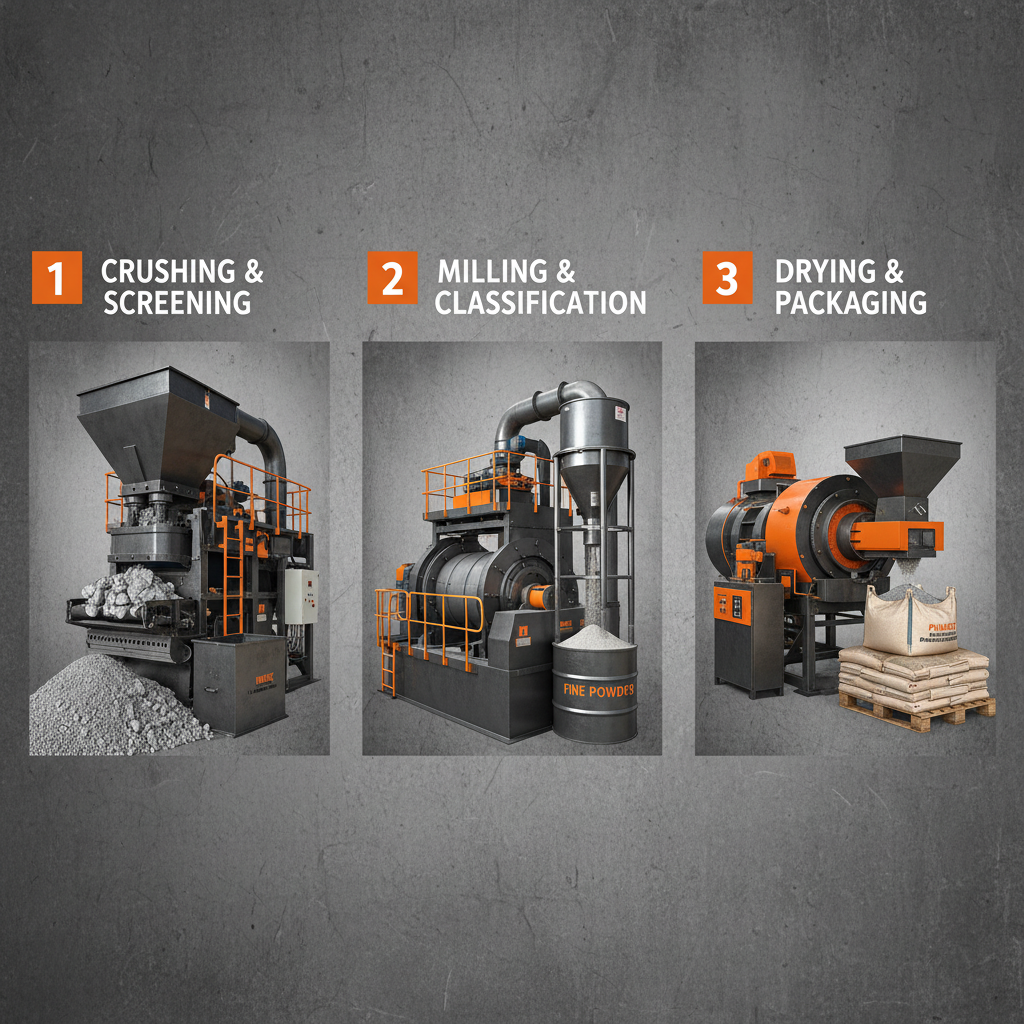
The efficiency and safety of dolomite powder depend heavily on its purity and how finely it’s milled. Skin applications usually require a high-purity grade with particles small enough to be gentle yet effective — think micronized powders rather than rough granules.
2. Mineral Composition
Dolomite stands out for calcium and magnesium content. Calcium can help with epidermal cell function, while magnesium soothes inflammation. These components make dolomite powder interesting for sensitive or problem skin care, even though it should never replace prescribed treatments.
3. Compatibility With Other Ingredients
Because it’s a naturally alkaline mineral, dolomite powder can balance pH in formulations — keeping products stable and preventing irritation. This means formulators often use it alongside botanical extracts, emollients, or mild preservatives.
4. Cost and Sustainability
Relative to some rare minerals, dolomite is abundant and often harvested under fairly low-cost conditions, which can translate into affordable skincare products. Sustainability remains crucial here: responsible quarrying and community impact need consideration.
Global Applications: Beyond Skincare
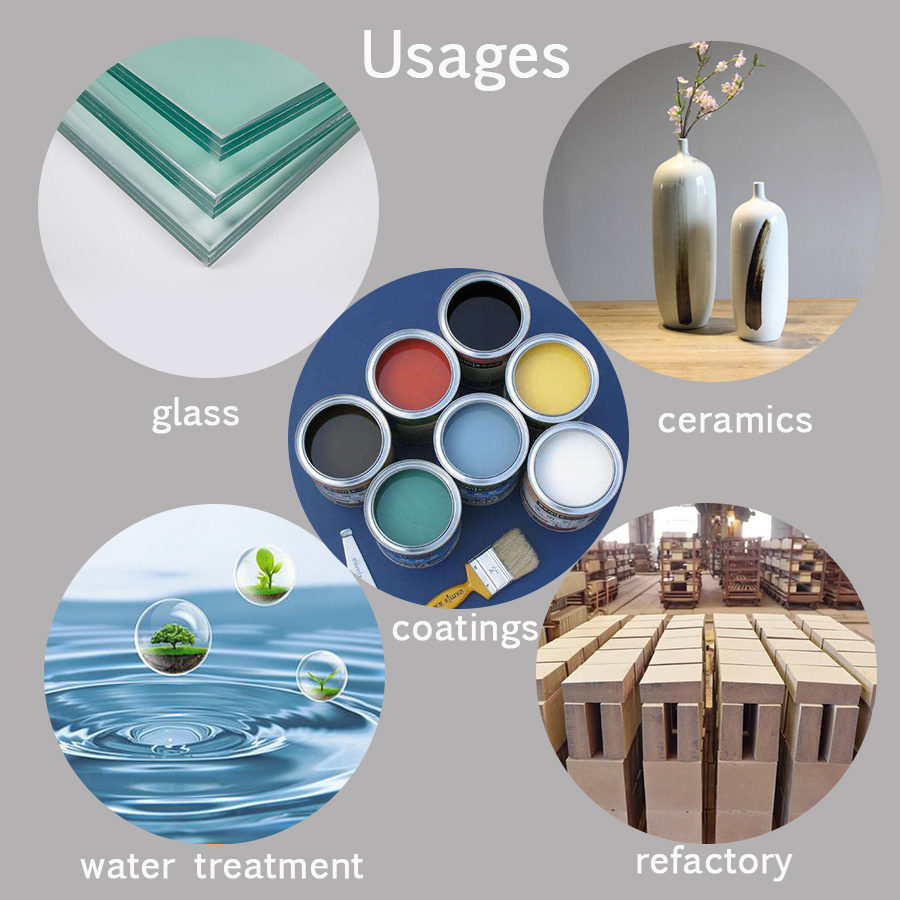
While skin care companies leverage dolomite powder primarily for cosmetics, industries worldwide benefit from its attributes too:
- Pharmaceuticals: Used as filler or excipient in tablets and powders.
- Agriculture: Soil pH adjustment thanks to its natural alkalinity.
- Industrial: Injectable lubricants, ceramics additives.
- Humanitarian aid: Absorbents and protective powders in emergency medical kits, especially in Asia and Africa.
For example, in remote industrial zones of India, small-scale cosmetic producers incorporate dolomite powder for skin masks that are both affordable and gentle. Meanwhile, NGOs operating in Southeast Asia sometimes distribute mineral powders as part of wound care kits due to their absorbent and antiseptic qualities.
Mini takeaway:
Dolomite powder wears many hats, literally and figuratively. From beauty counters to farm fields to clinics, its versatility is quietly impressive.
Advantages and Long-Term Value of Using Dolomite Powder for Skin
Why should consumers, formulators, or industries care? Here’s the kicker:
- Cost-Effectiveness: Natural, abundant, keeping product prices reasonable.
- Natural Safety: Typically low skin irritation potential compared to synthetic alternatives.
- Multi-functionality: Works as an exfoliant, pH buffer, and absorbent simultaneously.
- Sustainability: When sourced responsibly, mining impact can be minimal.
- Emotional Value: Users feel good applying natural mineral products — it’s a kind of tactile reassurance.
Product Specification Table
| Specification | Details |
|---|---|
| Chemical Formula | CaMg(CO3)2 |
| Purity | ≥ 95% |
| Particle Size | |
| pH (1% dispersion) | 8.5 - 9.5 |
| Color | White to light gray |
| Bulk Density | 0.85 - 1.0 g/cm³ |
Future Trends & Innovations Surrounding Dolomite Powder for Skin
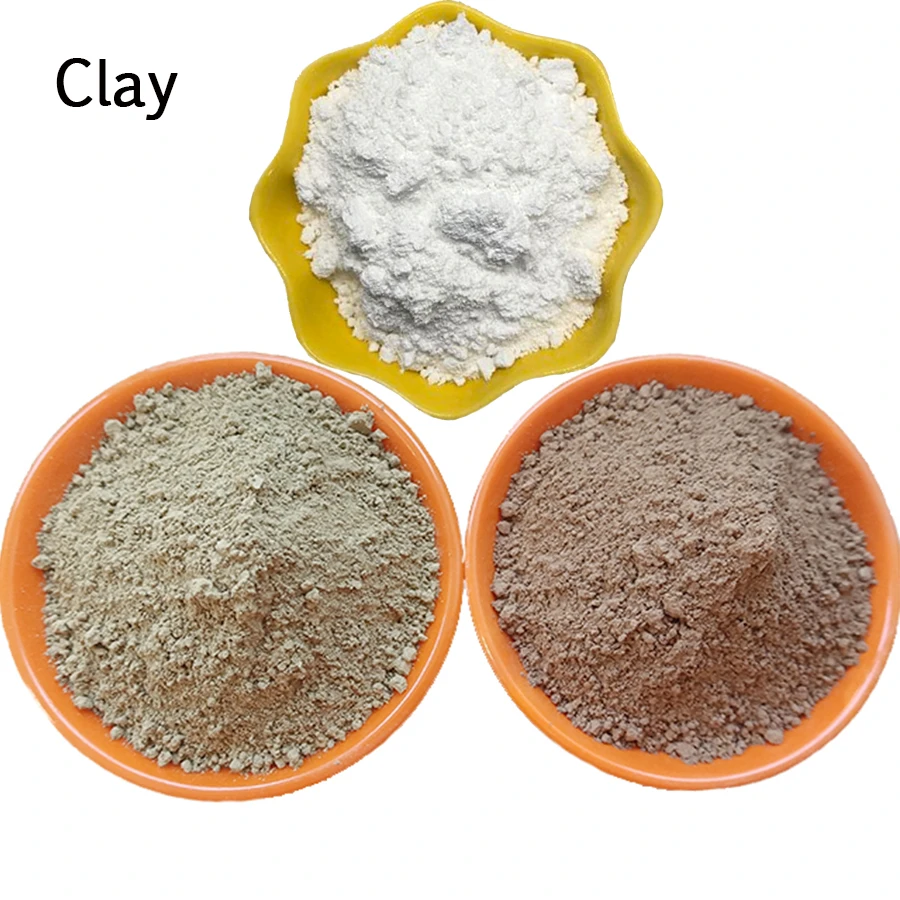
Looking forward, the industry is buzzing quietly with innovations in how mineral powders like dolomite are harvested and used. For instance, a push toward nanoscale powders aims to improve absorption and texture without compromising safety. Meanwhile, companies are researching blends combining dolomite with other natural minerals, like kaolin or bentonite, to create multifunctional skincare products.
Sustainability remains a hot topic too. Automated, low-waste quarrying and carbon-neutral transport may soon become the norm. Digital tracking of mineral provenance is also gaining traction to boost consumer confidence in “clean” beauty products.
Emerging policies from environmental agencies and ISO-related bodies are likely to push manufacturers toward greener raw materials, and dolomite could benefit from that shift. Oddly enough, the future of an age-old mineral may depend on ultra-modern technologies!
Challenges & Some Smart Solutions
Of course, it’s not all sunshine and roses. A few challenges persist with dolomite powder:
- Impurity Risks: Poor processing can leave behind contaminants harmful to skin.
- Overuse Concerns: Excessive alkalinity can disrupt skin’s natural acid mantle.
- Market Variability: Different sources create inconsistent quality.
Experts recommend rigorous quality control, blending dolomite with pH-neutral agents in formulas, and transparency in sourcing. It’s a trust game, and brands are wise to invest in certifications and user education.
Vendor Comparison Table
| Supplier | Purity (%) | Particle Size | Sustainability Claim | Typical MOQ |
|---|---|---|---|---|
| Baifeng Mining | ≥ 97% | Yes (ISO 14001 certified) | 1 ton | |
| MineralPro Ltd. | ≈ 95% | 50-60 microns | No | 500 kg |
| EcoMines | ≥ 96% | Yes (sustainable quarrying) | 2 tons |
Frequently Asked Questions About Dolomite Powder for Skin
Q1: Is dolomite powder suitable for all skin types?
A: Generally, yes, due to its gentle nature and mineral composition. However, those with very sensitive or broken skin should do a patch test or consult a dermatologist before regular use, especially because its alkalinity might disrupt sensitive pH balances.
Q2: How is dolomite powder different from other mineral powders like talc?
A: Dolomite is largely composed of calcium magnesium carbonate, whereas talc is magnesium silicate. Dolomite tends to be less absorbent but provides mineral nutrients, while talc is often a stronger absorbent but has faced scrutiny over safety concerns.
Q3: Can dolomite powder be used in DIY skincare recipes?
A: Yes, but with caution. Due to its pH and mineral nature, it’s best used in small quantities and blended with moisturizing ingredients. Professional formulations ensure optimal ratio and safety.
Q4: Where can I buy high-quality dolomite powder for skin applications?
A: Trusted suppliers like Baifeng Mining provide certified, high-purity powders suitable for cosmetic use. Always check for purity certifications and product reviews.
Q5: How does dolomite contribute to eco-friendly skincare?
A: Since dolomite is a natural and abundant mineral, it has a lower environmental impact compared to many synthetic ingredients, especially when sourced sustainably. It supports the trend toward mineral-based, green beauty products.
Wrapping Up and What’s Next
To sum it all up: dolomite powder for skin represents an interesting, mineral-rich ingredient bridging natural skincare, industrial applications, and humanitarian efforts. It’s affordable, multifunctional, and aligned with today’s push toward sustainable resources. Though challenges remain in ensuring purity and balancing formulas, ongoing innovations hint at an exciting future for this humble mineral. If you’re looking to explore mineral powders for skin health or professional use, it’s worth following companies like Baifeng Mining — they combine quality with an eco-conscious approach.
So, next time you’re curious about a “natural” ingredient, remember there’s a whole mineral world out there doing more than just sitting pretty in your beauty cabinet...
References
Related News