Understanding Pumice Stone Types: A Comprehensive Guide
Pumice stone, a fascinating volcanic rock, boasts a unique cellular texture that makes it incredibly versatile. From exfoliating skin to industrial applications, its abrasive qualities are highly sought after. But not all pumice stone types are created equal. This article explores the different kinds of pumice, their characteristics, uses, and how to choose the right one for your needs. Whether you're a skincare enthusiast or a professional in a demanding industry, understanding these variations is key to maximizing its benefits.
What is Pumice and How is it Formed?
Pumice is an extrusive igneous rock formed when super-heated, highly pressurized rock is violently ejected from a volcano. The rapid cooling and depressurization create vesicles – gas bubbles – within the rock, resulting in its lightweight and porous nature. This unique structure is what gives pumice its abrasive qualities. The composition primarily consists of silica, aluminum, sodium, potassium, calcium, and iron. Different volcanic conditions and compositions lead to variations in pumice density, color, and abrasive power. The origin of pumice significantly influences its final characteristics.
Key Takeaway: Pumice’s porous structure is a direct result of volcanic activity and rapid cooling, creating its distinctive abrasive texture.
Different Pumice Stone Types & Their Characteristics
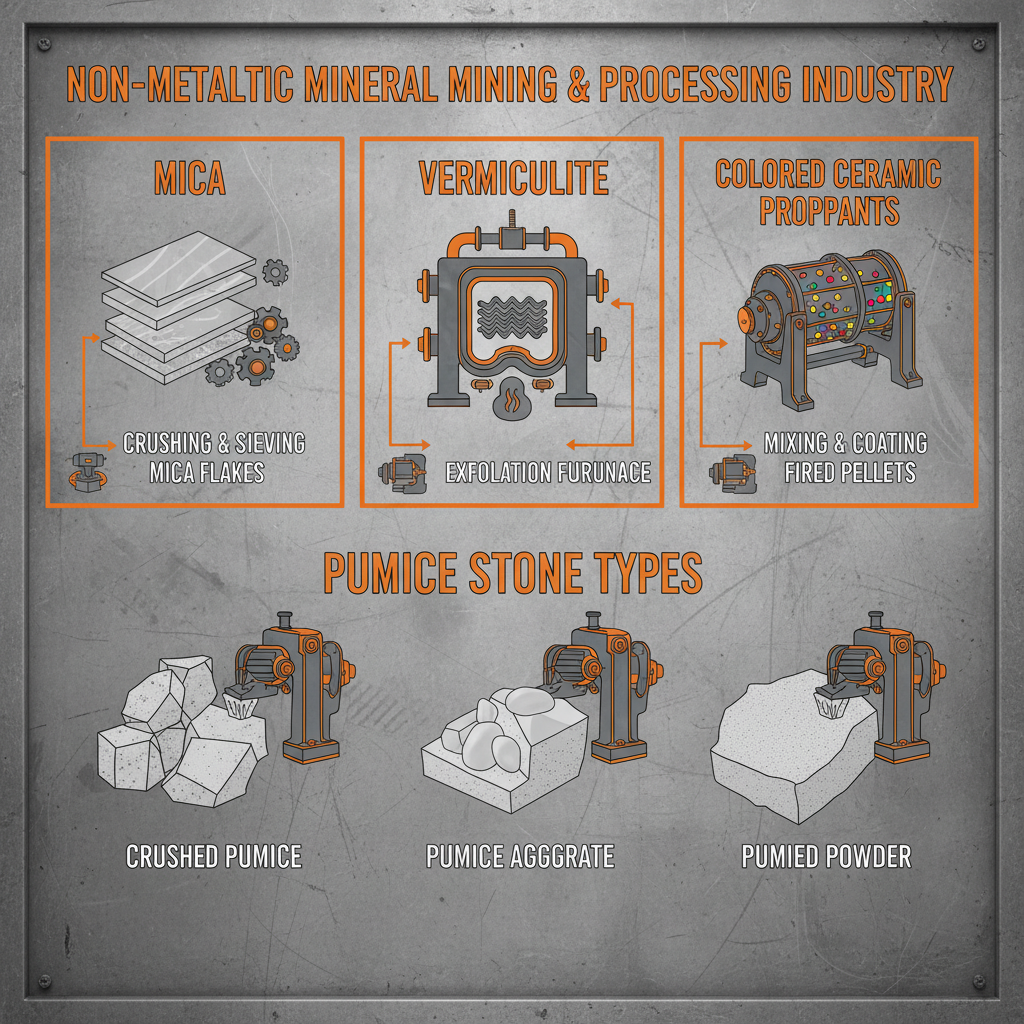
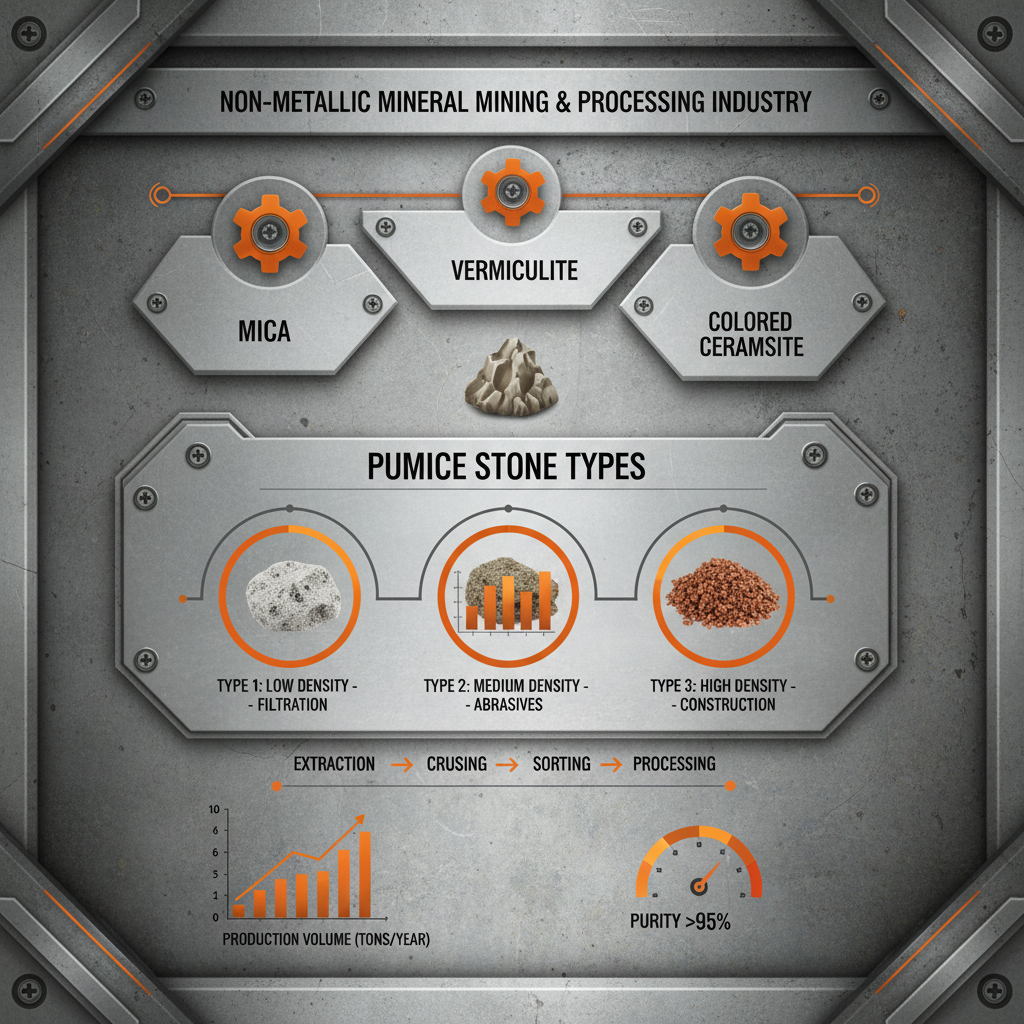
While all pumice shares the core characteristics of being lightweight and porous, various types are classified based on their grain size, color, and density. These factors dictate their ideal applications. The most common distinctions include fine pumice, medium pumice, and coarse pumice. Understanding these differences allows for informed selection for specific tasks, whether it's gentle exfoliation or heavy-duty industrial cleaning. The quality of pumice often depends on the source and refining process.
Pumice Type Breakdown:
• Fine Pumice: Very lightweight, used for gentle exfoliation, polishing, and delicate cleaning.
• Medium Pumice: A balance between abrasive power and gentleness, ideal for callus removal and general skincare.
• Coarse Pumice: Highly abrasive, used for heavy-duty cleaning, industrial applications, and removing stubborn debris.
Pumice Stone Types: A Comparative Analysis
To help visualize the distinctions, here’s a comparison of the most common pumice stone types. This table outlines key characteristics like grain size, density, and common applications, offering a quick reference guide for selecting the appropriate pumice for your needs. Choosing the correct grade is crucial for achieving optimal results and preventing damage.
Applications Across Industries
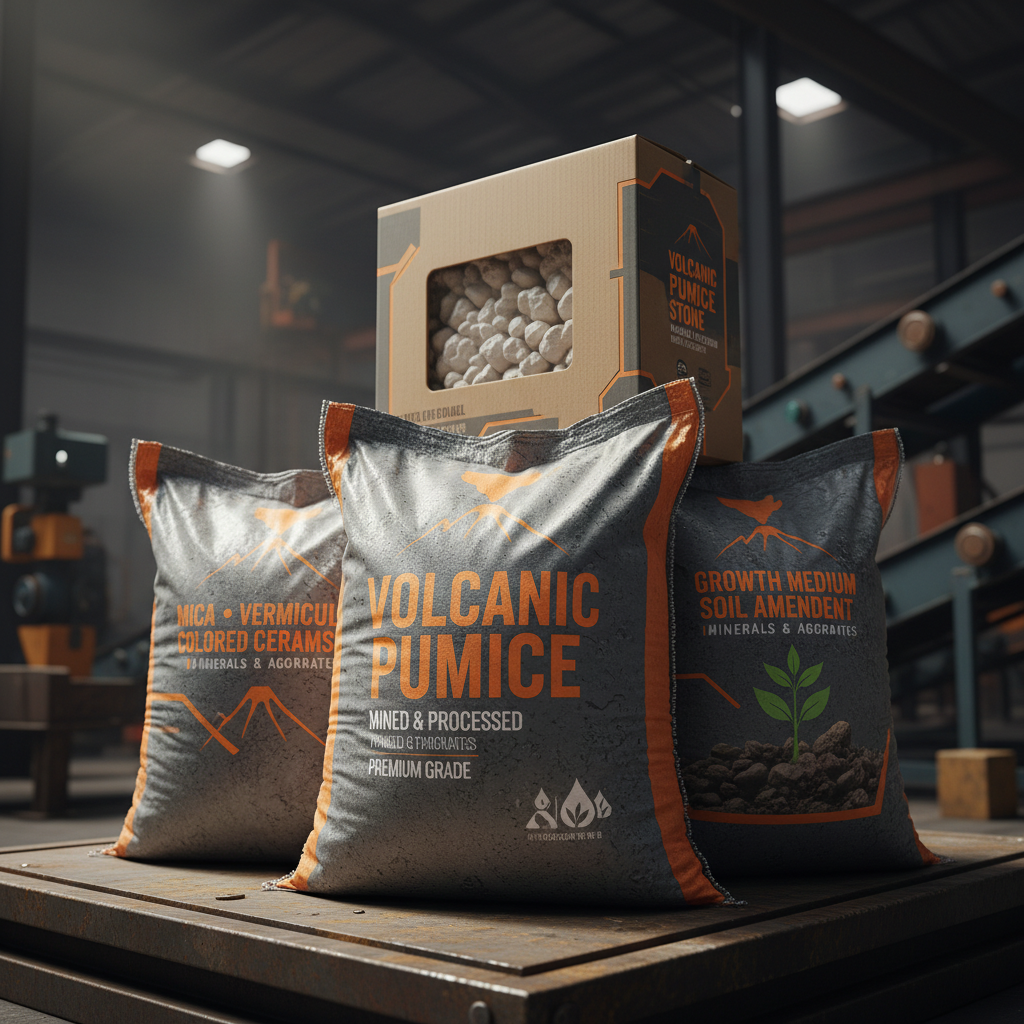
The uses of pumice are incredibly diverse. Beyond skincare, pumice finds significant application in industries like construction (as a lightweight aggregate), horticulture (improving soil aeration), and manufacturing (abrasive compounds). Its eco-friendly nature and cost-effectiveness contribute to its wide adoption. The Baifeng Mining offers a range of pumice types to suit diverse industrial needs.
Choosing the Right Pumice Stone: A Quick Guide
Selecting the correct pumice type depends entirely on your intended use. For sensitive skin, opt for fine pumice. For tougher areas like heels, medium pumice is ideal. Heavy-duty cleaning tasks demand coarse pumice. Always start with a gentler grade and increase abrasiveness if needed. Remember to always moisten the pumice stone before use to maximize its effectiveness and minimize irritation.
Conclusion: Harnessing the Power of Pumice
Understanding the various pumice stone types empowers you to choose the optimal solution for your specific needs. From gentle skincare to robust industrial applications, its versatility is undeniable. Explore the range of high-quality pumice products available at Baifeng Mining and discover the benefits of this remarkable volcanic resource.
Frequently Asked Questions (FAQs)
How often should I replace my pumice stone?
The lifespan of a pumice stone depends on frequency of use and the type of material it’s used on. Generally, a pumice stone should be replaced every 1-3 months for skincare purposes. If used for industrial cleaning, replacement may be needed more frequently depending on wear and tear. Look for signs of excessive wear, crumbling, or reduced effectiveness. Regularly cleaning the stone with soap and water helps prolong its life. A worn pumice stone loses its abrasive quality and can become less hygienic.
Can I use pumice stone on my face?
While pumice can be used on the face, it's crucial to use a very fine grade and proceed with caution. The skin on the face is more delicate than the skin on the feet or body. Over-exfoliation can lead to irritation, redness, and sensitivity. It's recommended to test a small area first and avoid using pumice on broken or inflamed skin. Using gentle circular motions and rinsing thoroughly is essential. If you have sensitive skin, consult a dermatologist before using pumice on your face.
Is pumice stone environmentally friendly?
Yes, pumice is considered a very environmentally friendly material. It’s a naturally occurring volcanic rock, requiring minimal processing. It’s biodegradable and doesn't release harmful chemicals into the environment. Moreover, pumice mining can sometimes help restore volcanic landscapes. Choosing pumice over synthetic abrasives is a sustainable choice for both personal and industrial use.

Related News