Pumice: A Comprehensive Guide to its Uses and Benefits
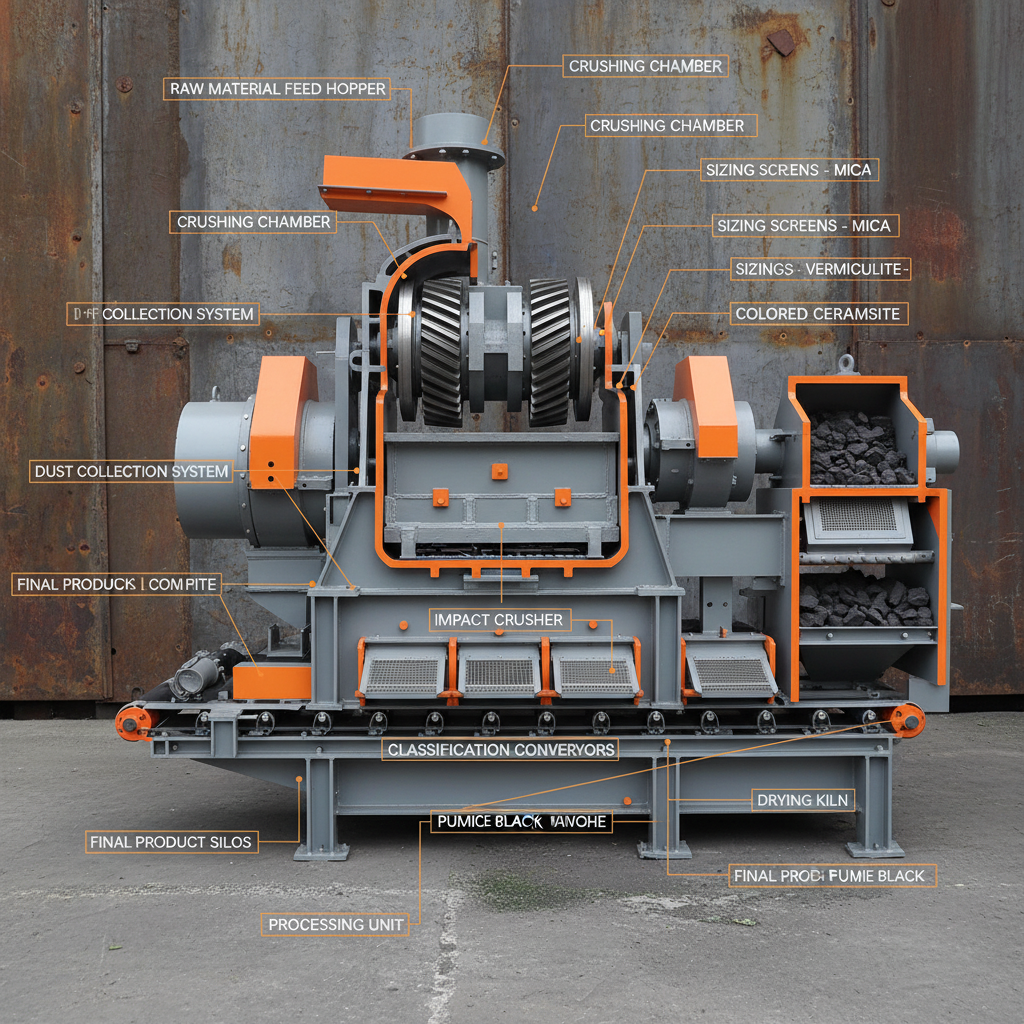
Pumice is a fascinating and versatile volcanic rock with a remarkably wide range of applications. Formed during explosive volcanic eruptions, its unique porous structure gives it exceptional properties that make it valuable in various industries, from construction and agriculture to cosmetics and abrasive cleaning. This article provides an in-depth look at pumice, exploring its formation, properties, uses, and sourcing options. Understanding pumice’s capabilities can unlock opportunities for innovative solutions in your business.
Understanding the Formation and Properties of Pumice
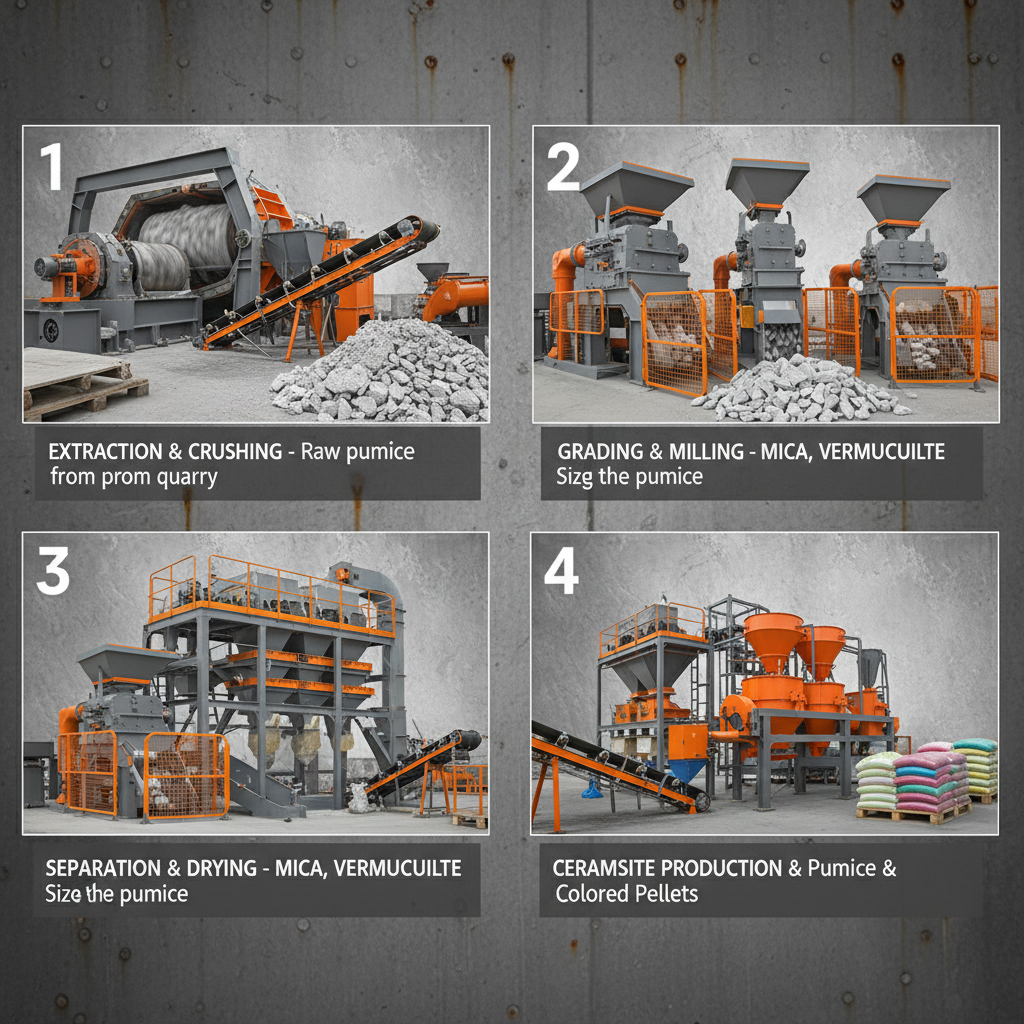
Pumice is created when gas-rich lava erupts from a volcano. The rapid decompression causes the lava to expand violently, creating a bubbly, frothy material. As the lava cools, it solidifies into a lightweight, porous rock – pumice. This unique structure is what gives pumice its defining characteristics. It is typically light in color, ranging from white to grey, and has a very low density, often allowing it to float on water. The abundance of tiny air pockets makes pumice exceptionally abrasive yet lightweight, making it a practical material for numerous applications. You can find a diverse range of pumice products at Baifeng Mining.
Key Applications of Pumice in Various Industries
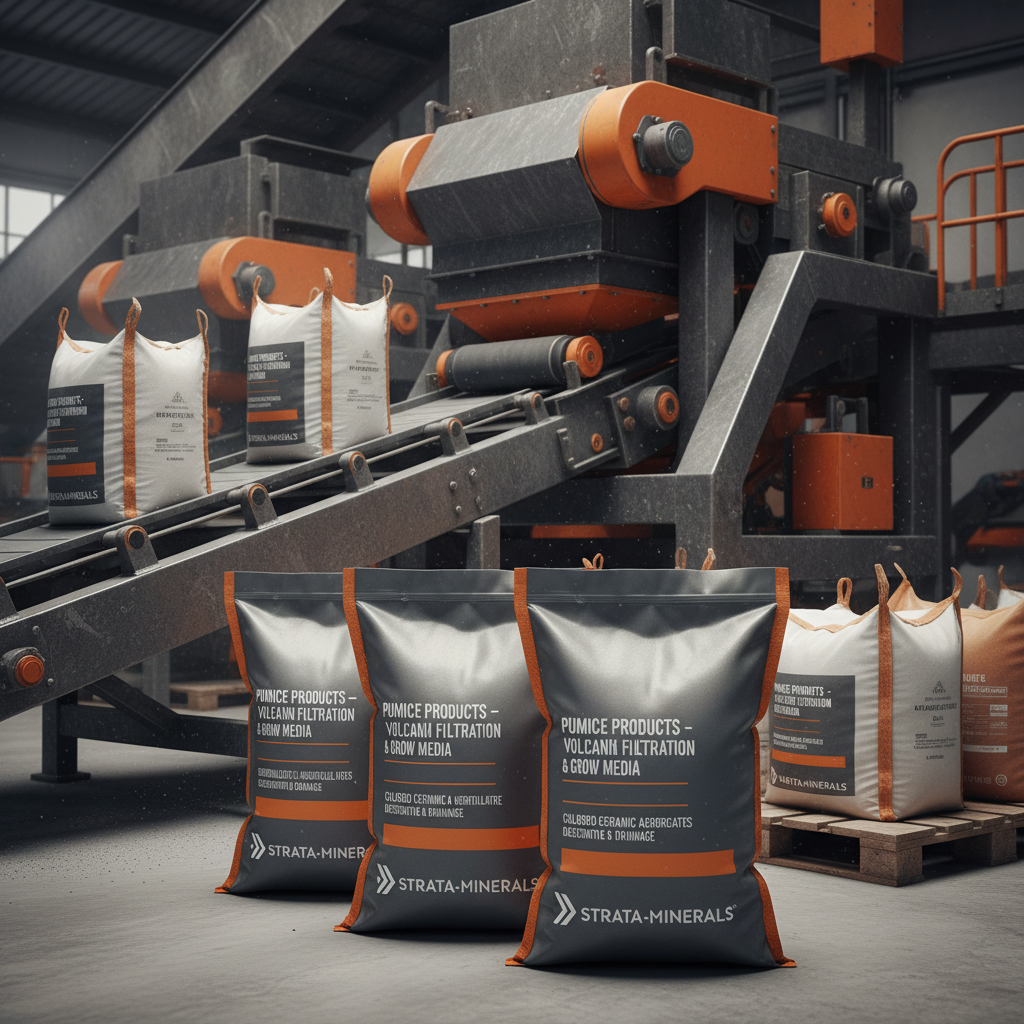
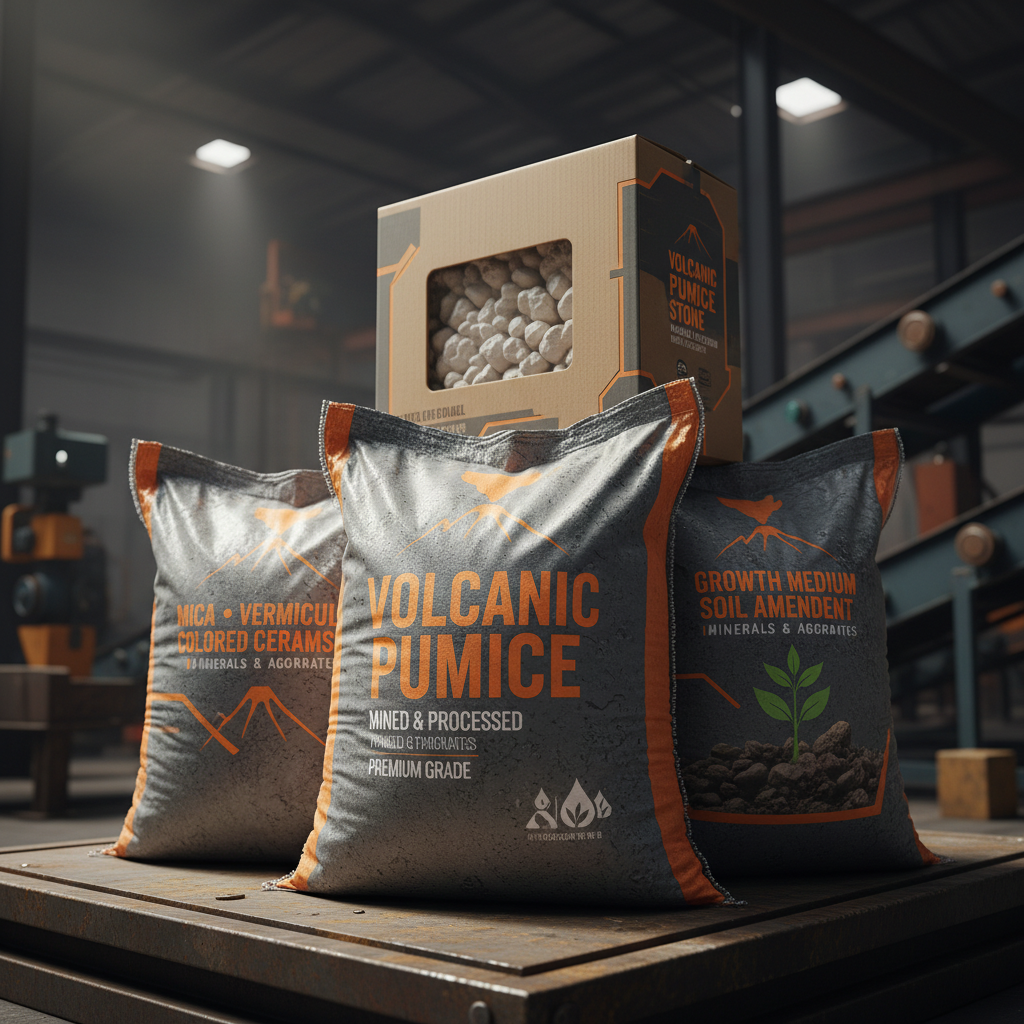
The unique properties of pumice make it highly sought after in a variety of industries. In the construction industry, pumice is used as a lightweight aggregate in concrete, improving insulation and reducing overall weight. In agriculture, it's used as a soil amendment to improve drainage, aeration, and water retention. The cosmetic industry utilizes finely ground pumice as a natural exfoliant in skincare products. Furthermore, pumice is a key ingredient in abrasive cleaning products, polishes, and even dental cleaning compounds. Its versatility continues to drive innovation and new applications.
Key Highlights: Pumice's lightweight, abrasive, and porous nature makes it incredibly versatile, with applications spanning construction, agriculture, cosmetics, and cleaning products.
Pumice Grades and Specifications
Pumice is available in a range of grades and specifications, each suited to different applications. The grading is based on particle size, density, and purity. Baifeng Mining provides customized pumice solutions to meet specific customer requirements. Below is a sample specification table:
Pumice vs. Other Abrasive Materials
While many abrasive materials exist, pumice offers several advantages. Compared to sandblasting abrasives like silica sand, pumice is gentler on surfaces, reducing the risk of damage. Unlike metal abrasives, pumice is non-metallic and won’t cause rusting. Compared to other volcanic abrasives, pumice tends to be lighter and less dense, offering improved handling and reduced dust.
Sourcing High-Quality Pumice from Baifeng Mining
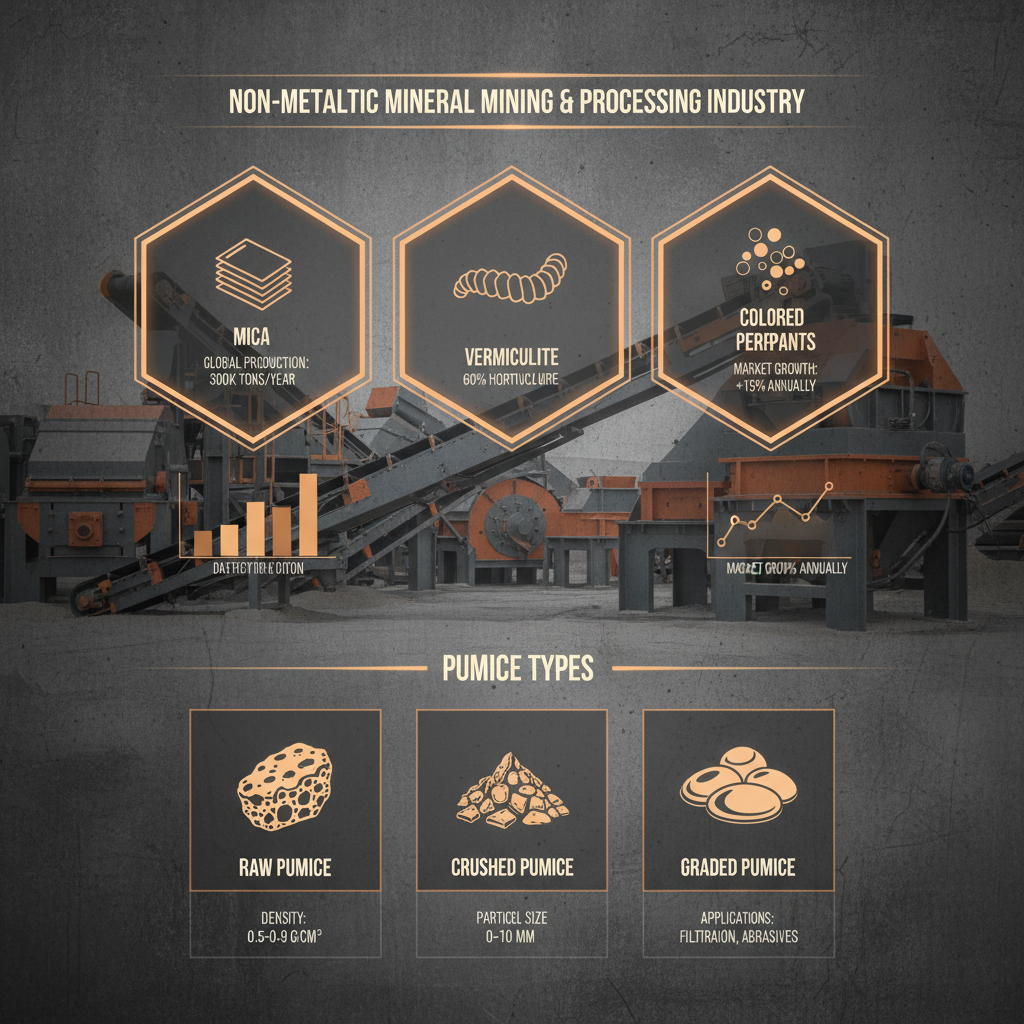
Choosing a reliable pumice supplier is critical for ensuring consistent quality and performance. Baifeng Mining is a leading producer and exporter of high-quality pumice, offering a wide range of grades and sizes to meet diverse industrial needs. We are committed to sustainable mining practices and rigorous quality control procedures, guaranteeing our customers receive superior products and exceptional service. Contact us today to learn more about how our pumice solutions can benefit your business.
Conclusion: The Versatile Power of Pumice
Pumice is a remarkably versatile natural resource with a broad spectrum of applications. Its unique properties – lightweight nature, abrasive texture, and porous structure – make it ideal for industries ranging from construction to cosmetics. By partnering with a reliable supplier like Baifeng Mining, you can access high-quality pumice tailored to your specific requirements and unlock innovative solutions for your business.
Frequently Asked Questions (FAQs)
What are the environmental benefits of using pumice?
Pumice is a naturally occurring, environmentally friendly material. Its mining process generally has a lower environmental impact compared to the extraction of other abrasive materials. Pumice doesn't contain silica, mitigating the risk of silicosis for workers handling it. Additionally, pumice is biodegradable and doesn't contribute to harmful chemical runoff when used in applications like soil amendment. Choosing pumice supports sustainable practices and reduces your environmental footprint.
Can pumice be used in water filtration systems?
Yes, pumice is an effective filtration medium due to its porous structure. It can effectively remove suspended solids and impurities from water, making it suitable for various filtration applications. Pumice's natural properties ensure it doesn't leach harmful chemicals into the water, contributing to a cleaner and healthier water source. Different pumice grades are used for different filtration needs, with finer grades providing greater filtration efficiency.
How is pumice used in the cosmetic industry?
Finely ground pumice is a popular natural exfoliant in skincare products. It gently removes dead skin cells, revealing smoother, brighter skin. Pumice is found in scrubs, soaps, and exfoliating creams. It's also used in foot care products to remove calluses and rough skin. The gentle abrasive action of pumice makes it a preferred ingredient for those seeking natural exfoliation solutions.
What safety precautions should be taken when handling pumice dust?
While pumice itself isn’t typically harmful, prolonged exposure to pumice dust can cause respiratory irritation. It's advisable to wear a dust mask during handling, especially when grinding or processing pumice. Ensure adequate ventilation in the work area. Avoid inhaling large amounts of dust and wash exposed skin thoroughly after handling. Always refer to the material safety data sheet (MSDS) for detailed safety information.
Related News