Understanding Floating Pumice Stone: Applications, Benefits, and Sourcing
Floating pumice stone, a naturally occurring volcanic rock, is gaining prominence across diverse industries for its unique properties. From skincare and horticulture to industrial cleaning and even construction, its lightweight and abrasive qualities make it incredibly versatile. This article delves into the characteristics of floating pumice stone, its broad range of applications, and considerations for sourcing a reliable supplier like Baifeng Mining. We'll explore why choosing the right pumice stone is crucial for optimal results in your specific application.
What is Floating Pumice Stone?
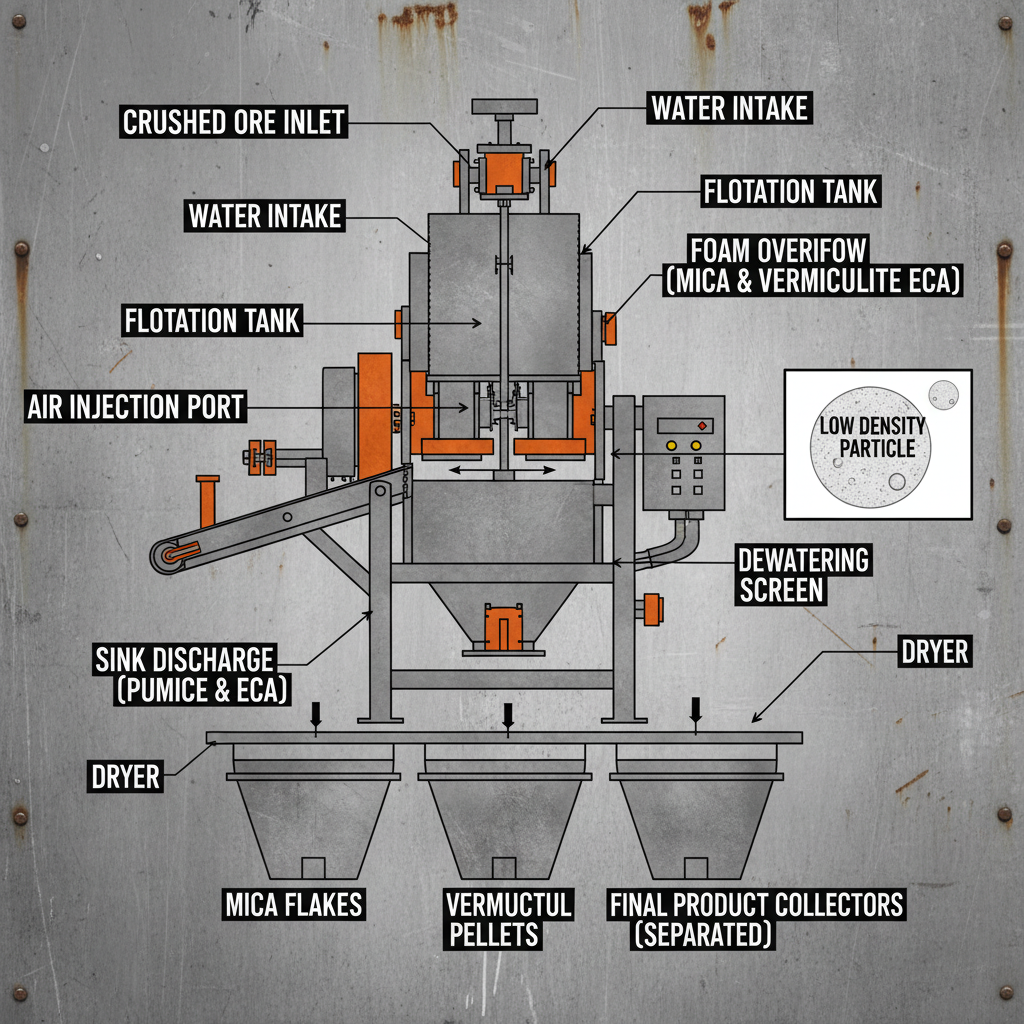
Pumice is an extrusive igneous rock formed when gas-rich lava rapidly cools. This quick cooling process creates a porous, lightweight structure filled with air bubbles. The "floating" characteristic comes from this low density – good quality pumice can actually float on water. It's primarily composed of silica and aluminum oxide, but its specific composition and properties vary depending on the volcanic source. The texture ranges from fine-grained to coarse, influencing its suitability for different applications. The abrasive quality stems from its glassy, vesicular texture. Sourcing high-quality pumice stone ensures consistent performance.
Key Characteristics: Lightweight, porous, abrasive, naturally occurring, silica-rich.
Diverse Applications of Floating Pumice Stone
The unique properties of pumice lend themselves to a remarkably diverse range of applications. In the cosmetics industry, finely ground pumice is a popular exfoliant in scrubs, soaps, and foot care products. Horticulturists utilize it as a soil amendment to improve drainage, aeration, and water retention. Industrially, it's employed as an abrasive for cleaning, polishing, and deburring. Even in the construction industry, pumice is used as a lightweight aggregate in concrete and plaster. The use of pumice is environmentally friendly and sustainable.
Application Areas:
• Cosmetics & Skincare
• Horticulture & Agriculture
• Industrial Cleaning & Polishing
• Construction (Lightweight Aggregate)
Comparing Pumice Stone Grades and Uses
Not all pumice stone is created equal. The grain size and density vary significantly, making some grades better suited for certain applications than others. For instance, a very fine pumice powder is ideal for gentle facial scrubs, while a coarser grade is preferred for heavy-duty industrial cleaning. Understanding these distinctions is key to achieving optimal results. Baifeng Mining offers a range of pumice grades to meet diverse needs.
Sourcing High-Quality Floating Pumice Stone from Baifeng Mining
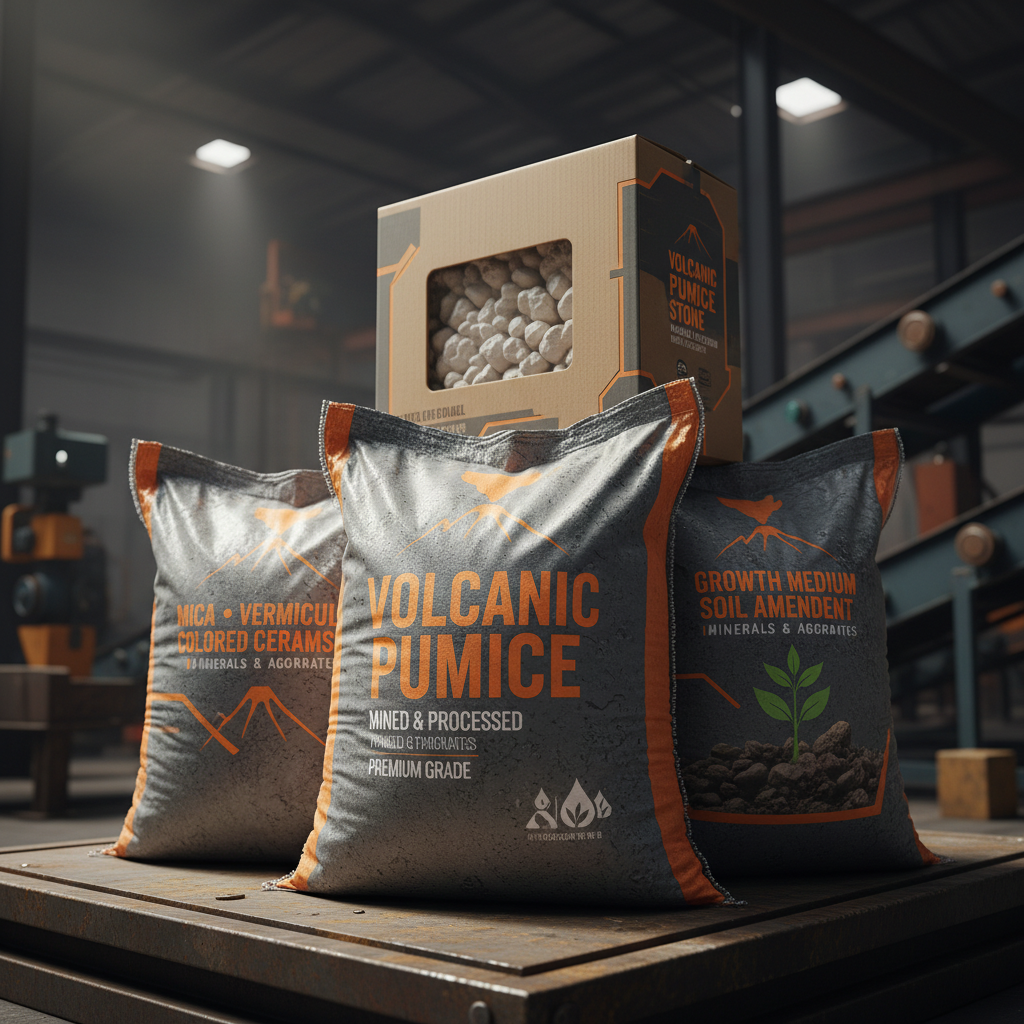
Choosing the right supplier is paramount to ensuring consistent quality and reliable supply. Baifeng Mining specializes in the sourcing and processing of premium pumice stone. We offer a wide range of grades, consistent particle size distribution, and rigorous quality control measures. Our commitment to sustainability and ethical sourcing practices ensures you receive a product you can trust. We also provide competitive pricing and efficient global shipping.
Product Specifications
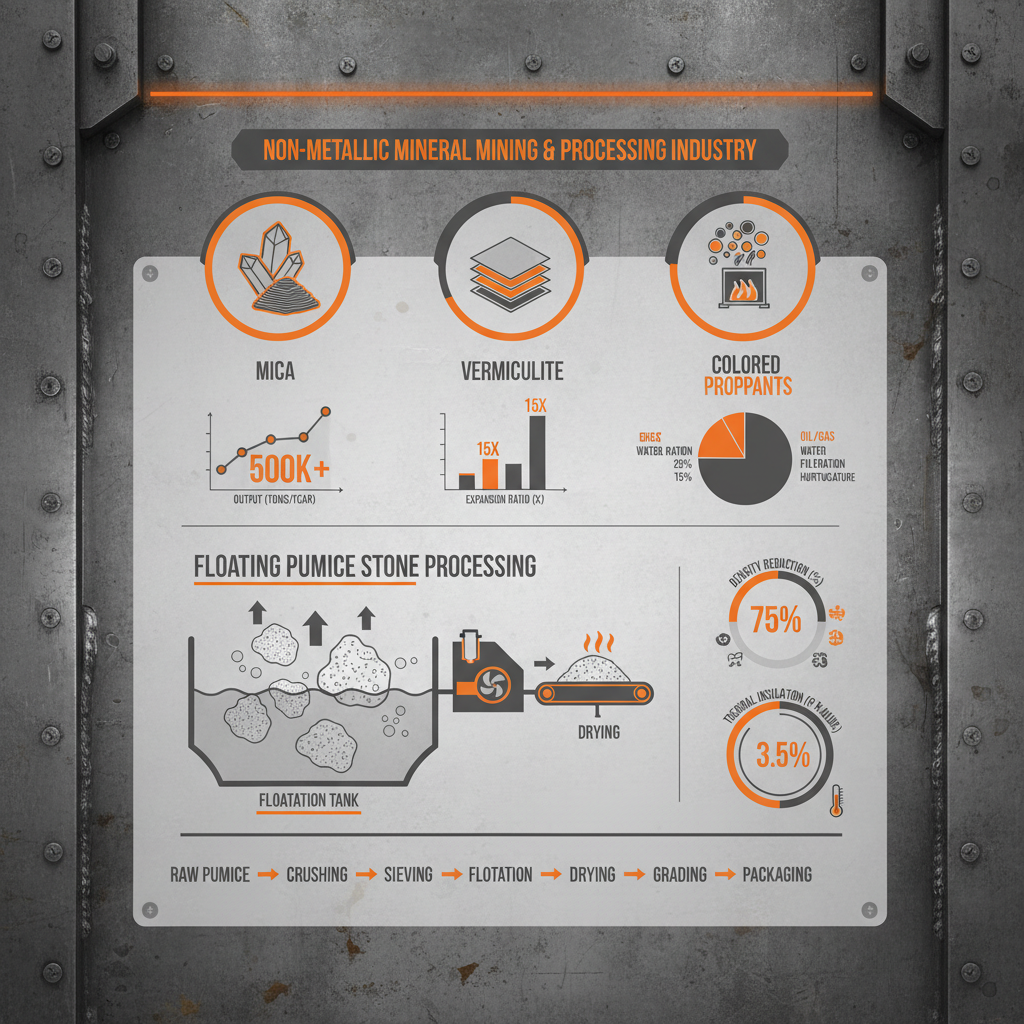
Here's a table outlining the typical specifications of our most popular pumice stone grades:
Conclusion: Choosing the Right Pumice for Your Needs
Floating pumice stone offers a sustainable and versatile solution for a wide range of applications. Selecting the appropriate grade and sourcing from a reputable supplier like Baifeng Mining ensures optimal performance and reliability. We are dedicated to providing high-quality pumice stone, excellent customer service, and competitive pricing.
Frequently Asked Questions (FAQs)
What is the environmental impact of using pumice stone?
Pumice is a naturally occurring volcanic material, making it a relatively environmentally friendly option compared to many synthetic abrasives. Its extraction generally has a lower environmental impact than mining other materials, and it's biodegradable. However, responsible sourcing is still crucial to minimize disruption to ecosystems and ensure sustainable harvesting practices. Baifeng Mining is committed to environmentally responsible sourcing.
Can pumice stone be used in hydroponic systems?
Yes, pumice stone is an excellent medium for hydroponic systems. Its porous nature provides excellent aeration and drainage, while its ability to retain moisture helps deliver nutrients to plant roots. It's also chemically inert and doesn't decompose, making it a long-lasting and reusable option. The correct grain size is important for optimal root support.
How should I store pumice stone to prevent contamination?
Pumice stone should be stored in a clean, dry, and covered area to prevent contamination from dust, dirt, and other materials. Avoid storing it near strong chemicals or substances that could leach into the stone. Proper storage ensures the pumice remains suitable for its intended application.
Related News