Honestly, things are changing fast these days. Everyone's talking about sustainability, right? Low VOC, recycled content… it’s all the rage. But on the ground, you quickly realize “sustainable” often translates to “more expensive” and “harder to work with.” It’s a trade-off. I saw a crew at a Shanghai construction site last month practically fighting with a new bio-based adhesive - wouldn’t stick to anything in the humidity.
You know what gets me? These designers, they sit in their offices and come up with these brilliant ideas, completely divorced from reality. Like, they specify a perfectly smooth finish on a concrete floor in a high-traffic area. Have you seen what foot traffic does to concrete? It's a losing battle. They need to spend a week actually on a site, just watching things get abused.
We mainly deal with powder calcium carbonate, obviously. Not the fancy stuff, mostly the industrial grade. It smells… dusty, naturally. It’s got a fine texture, almost silky if it's good quality. But you can tell the difference, believe me. The cheap stuff feels gritty, and it clumps up like crazy, making it a nightmare to mix. You’ve got to wear a good mask, too. Don’t want to be breathing that in all day. It gets everywhere.
The Current Landscape of powder calcium carbonate
The demand for powder calcium carbonate is, frankly, relentless. It's in everything - paints, plastics, adhesives, even some food products. China's the biggest producer, obviously, but quality control can be a real issue. You get what you pay for, and I’ve seen too many shipments that were just… off. It impacts the whole process downstream. I encountered this at a factory in Hebei province last time, and we had to reject a whole container.
Strangely, there's a growing market for ultra-fine powder calcium carbonate, specifically for things like cosmetics and high-end coatings. That stuff’s expensive and requires really precise processing. It's a completely different ballgame than the industrial grade we usually handle.
Common Design Pitfalls with powder calcium carbonate
Look, designers love to specify materials based on lab tests. But lab tests don’t simulate a construction site. They don't account for temperature fluctuations, humidity, careless handling, or just plain old abuse. I've seen designs that called for a specific percentage of powder calcium carbonate in a concrete mix, and then the on-site guys just eyeballed it. It’s what they do! And then you get cracking and structural issues.
Another problem is assuming uniform dispersion. If the powder calcium carbonate isn't properly mixed, you get weak spots. This is especially critical in applications like polymer composites. It's not enough to just dump it in and stir; you need proper mixing equipment and a thorough understanding of the rheology.
They also often underestimate the importance of particle size distribution. A wider distribution can lead to settling and reduced performance. It's a subtle thing, but it can make a big difference.
Material Properties and Handling of powder calcium carbonate
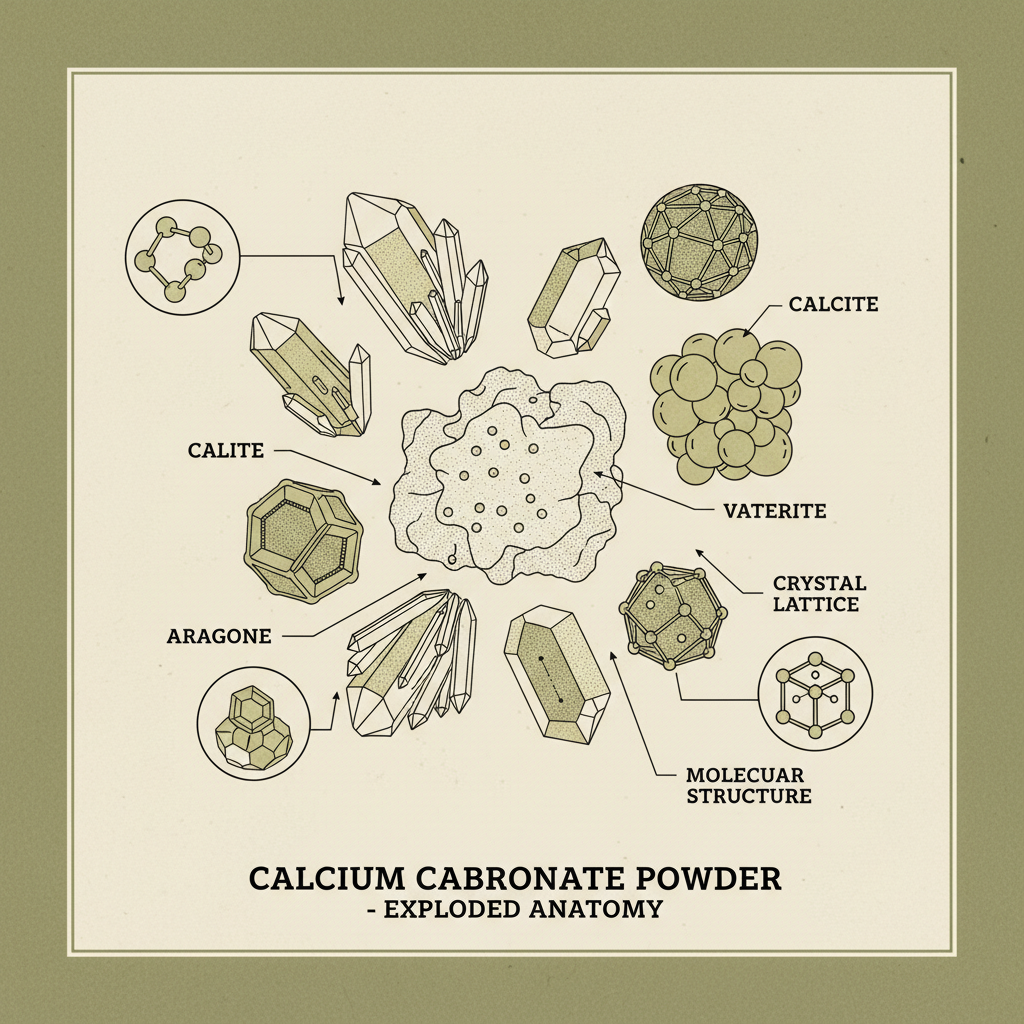
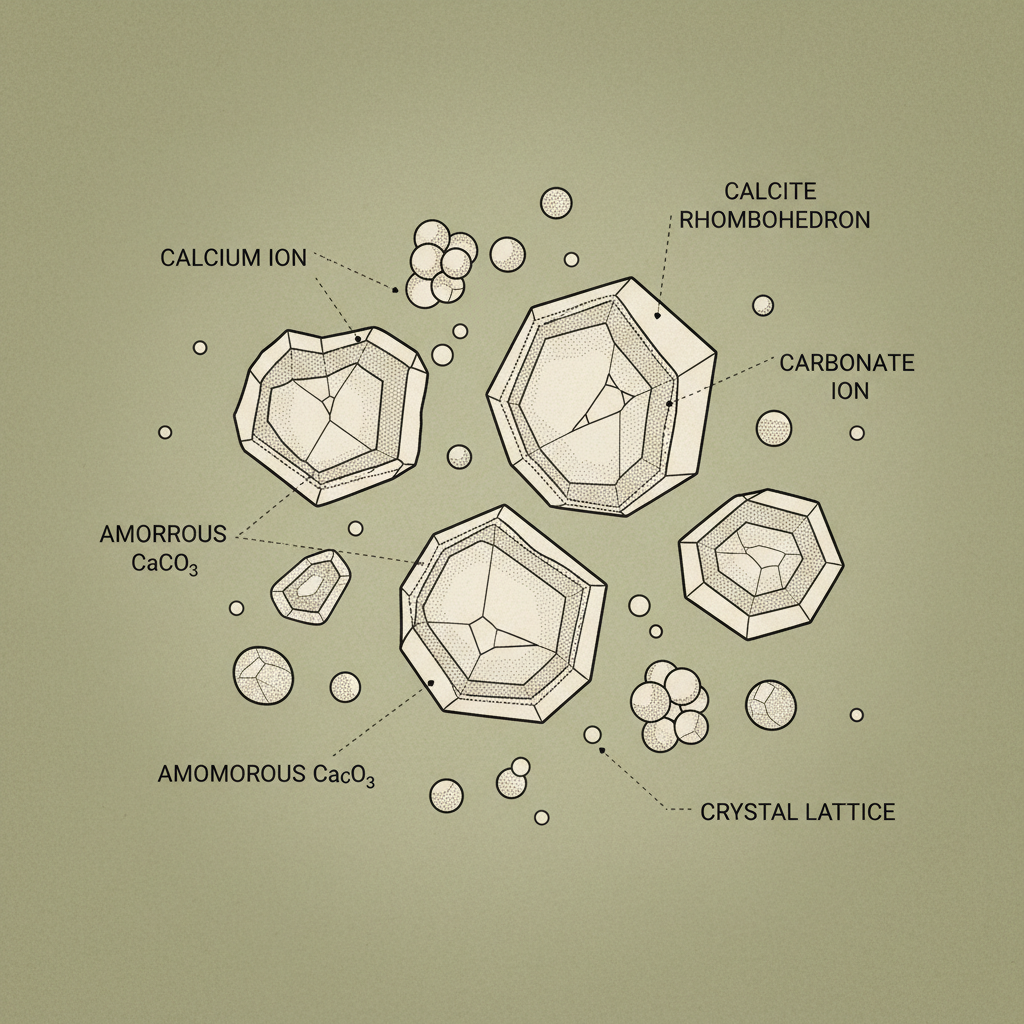
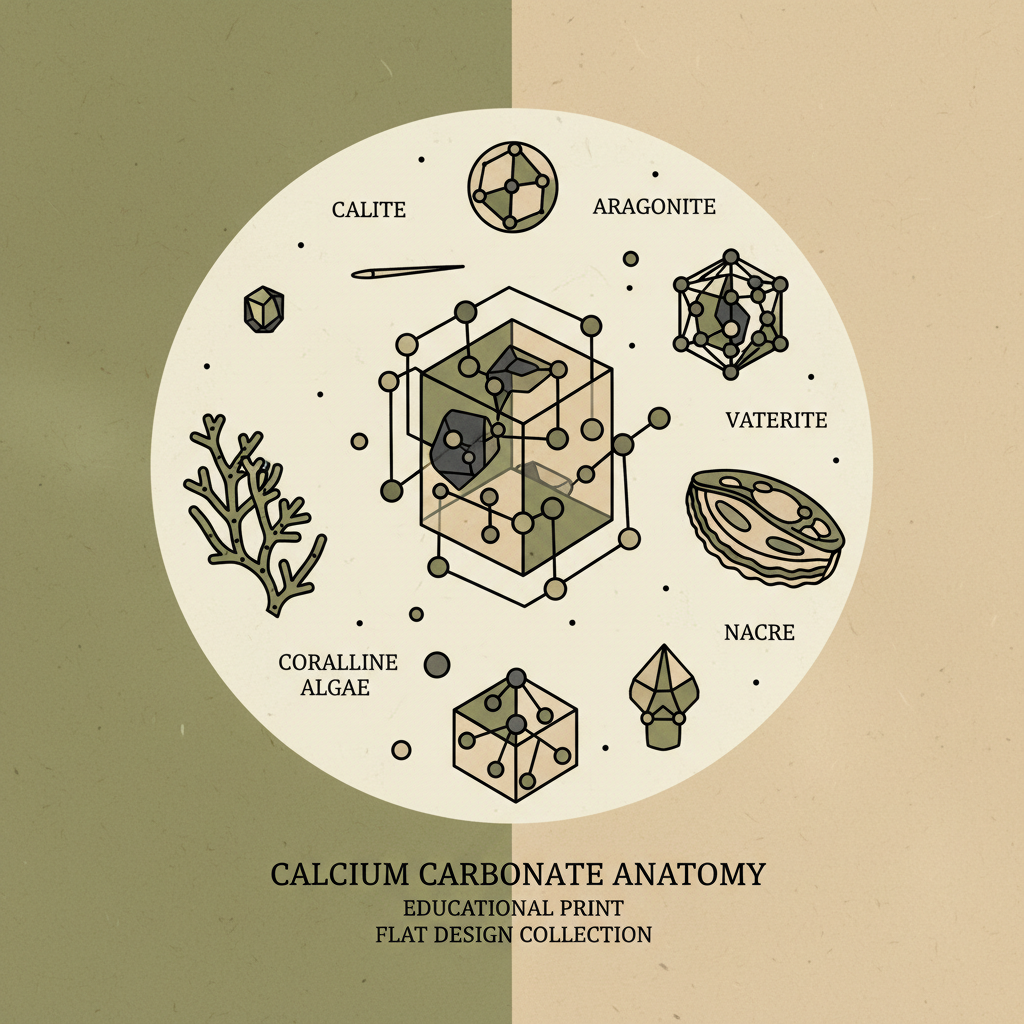
So, we’re primarily dealing with precipitated calcium carbonate (PCC), ground calcium carbonate (GCC), or a blend of the two. PCC is manufactured, giving you more control over particle size and purity. GCC is mined, so it’s cheaper but less consistent. The feel is different, too - PCC is usually fluffier, GCC is a bit more… chalky.
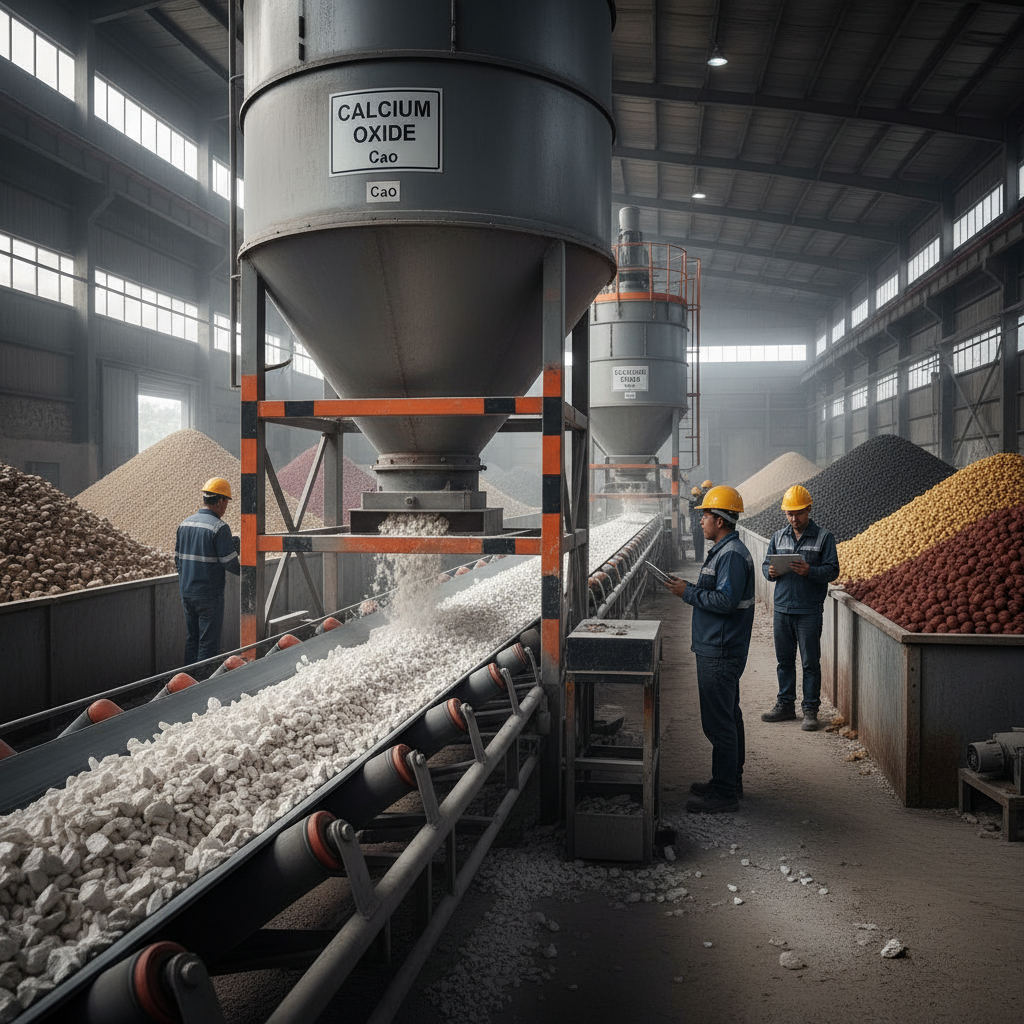
Handling it is pretty straightforward, but you need to be careful about dust control. It's not toxic, but it’s irritating to the lungs. And it gets everywhere. Proper ventilation and PPE are essential. You also need to store it in a dry place; moisture will cause it to clump and become unusable. We use large silo storage at most sites to minimize dust and simplify handling.
Anyway, I think the biggest issue is understanding the different surface treatments available. You can coat the powder calcium carbonate particles with various chemicals to improve their compatibility with different matrices. This is crucial for things like plastics and coatings. It’s a whole science in itself.
Real-World Testing of powder calcium carbonate
Forget the lab tests, honestly. We do our own testing, on site. We mix small batches with the actual materials they’ll be used with and then subject them to simulated real-world conditions. Things like accelerated weathering, impact tests, and freeze-thaw cycles. It’s messy, it’s imprecise, but it’s a lot more informative than a pristine lab report.
We had one project where the client wanted to use powder calcium carbonate as a filler in a road paving material. The lab tests looked great, but when we tested it on a small section of road, it crumbled under the weight of a truck. Turns out the particle size distribution wasn’t suitable for the load-bearing requirements.
Performance of Different powder calcium carbonate Surface Treatments
Actual User Applications of powder calcium carbonate
It’s in everything. Seriously. Paint – it’s a key filler, improves opacity and reduces costs. Plastics – adds strength and stiffness. Adhesives – controls viscosity and improves bonding. Rubber – increases hardness and abrasion resistance. You name it, powder calcium carbonate is probably in it. I even saw it used in a new type of eco-friendly brick, mixed with agricultural waste. Pretty clever, actually.
But the way people actually use it is often different from what the manufacturers recommend. They’ll try to cut corners, use less than specified, or substitute it with a cheaper alternative. It’s always a gamble.
Advantages and Disadvantages of powder calcium carbonate
The biggest advantage? Cost. It’s cheap! And it's readily available. It's also relatively inert, which is good for a lot of applications. It's also fairly easy to process and disperse.
But it’s heavy. And it doesn't add much strength on its own. And it can absorb moisture, which can cause problems. And if you’re using it in a dark-colored product, it can make the color look washed out. Honestly, it’s a compromise. You’re trading performance for cost.
Customization Options for powder calcium carbonate
You can get it in different particle sizes, different surface treatments, different purities. We had a client last month, a small boss in Shenzhen who makes smart home devices. He insisted on changing the connector on their wireless charging pads from micro-USB to . Said it was “more modern.” Anyway, he wanted a specific grade of powder calcium carbonate to improve the thermal conductivity of the plastic housing, to prevent overheating with the faster charging speeds. It was a pain to source, and the cost went up significantly, but he was adamant. Later… forget it, I won’t mention the sales numbers.
You can also blend it with other fillers to get specific properties. For example, mixing it with talc can improve impact resistance. It's all about finding the right combination for the specific application.
Really, the options are pretty vast. It just depends on what you’re willing to pay for.
Summary of Key Powder Calcium Carbonate Properties
| Property |
Impact on Application |
Typical Measurement |
Quality Control Focus |
| Particle Size |
Affects dispersion, opacity, and mechanical properties. |
Micrometers (µm) |
Laser diffraction analysis. |
| Brightness |
Influences the color and opacity of finished products. |
% Reflectance |
Spectrophotometer readings. |
| Moisture Content |
Can cause clumping, reduce flowability, and affect product performance. |
% Weight |
Karl Fischer titration. |
| Whiteness |
Critical for paint and coating applications |
CIE Whiteness Index |
Visual inspection and colorimeter. |
| Surface Area |
Affects reactivity and dispersion in polymers. |
m²/g |
BET method. |
| Purity |
Determines the presence of impurities affecting product quality. |
% Weight |
Chemical analysis. |
FAQS
Honestly, keeping it dry is the key. Moisture is your enemy. We recommend storing it in sealed containers or silos in a cool, dry place. If you're storing it outdoors, make sure the containers are covered and protected from the elements. And don't stack pallets directly on the ground - get some pallets underneath to improve air circulation.
Larger particles tend to create a coarser texture, while smaller particles result in a smoother finish. It's all about how the particles interact with the other ingredients in the mixture. For example, in paint, smaller particles will improve opacity and gloss, while larger particles might be used for texture.
It’s generally considered non-toxic, but it can be irritating to the lungs and skin. Always wear a dust mask, gloves, and eye protection when handling it. Make sure the work area is well-ventilated. And if you get it on your skin, wash it off with soap and water. Simple stuff, really.
It can contribute to fire resistance in certain applications, particularly in plastics and coatings. It releases water when heated, which helps to cool the material and slow down the spread of flames. However, it's not a standalone fire retardant, and it needs to be used in combination with other additives.
PCC is manufactured through a chemical process, offering better control over particle size, shape, and purity. GCC is mined and mechanically ground, being less expensive but with more variability. PCC is ideal for demanding applications, while GCC suits cost-sensitive ones.
It’s a naturally occurring mineral, so it's not inherently harmful to the environment. However, the mining and processing of GCC can have environmental impacts. PCC production can also be energy-intensive. But it’s generally considered a more sustainable option than many other fillers and additives.
Conclusion
So, powder calcium carbonate – it's a workhorse material. Cheap, versatile, and widely available. It’s not glamorous, but it gets the job done. It’s in a ton of products we use every day. Knowing its limitations, understanding how it behaves in real-world conditions, that’s what separates the good tradesmen from the rest.
Ultimately, whether this thing works or not, the worker will know the moment he tightens the screw. It's about getting your hands dirty, understanding the material, and anticipating the problems. Forget the fancy reports and the lab tests; it all comes down to practical experience.