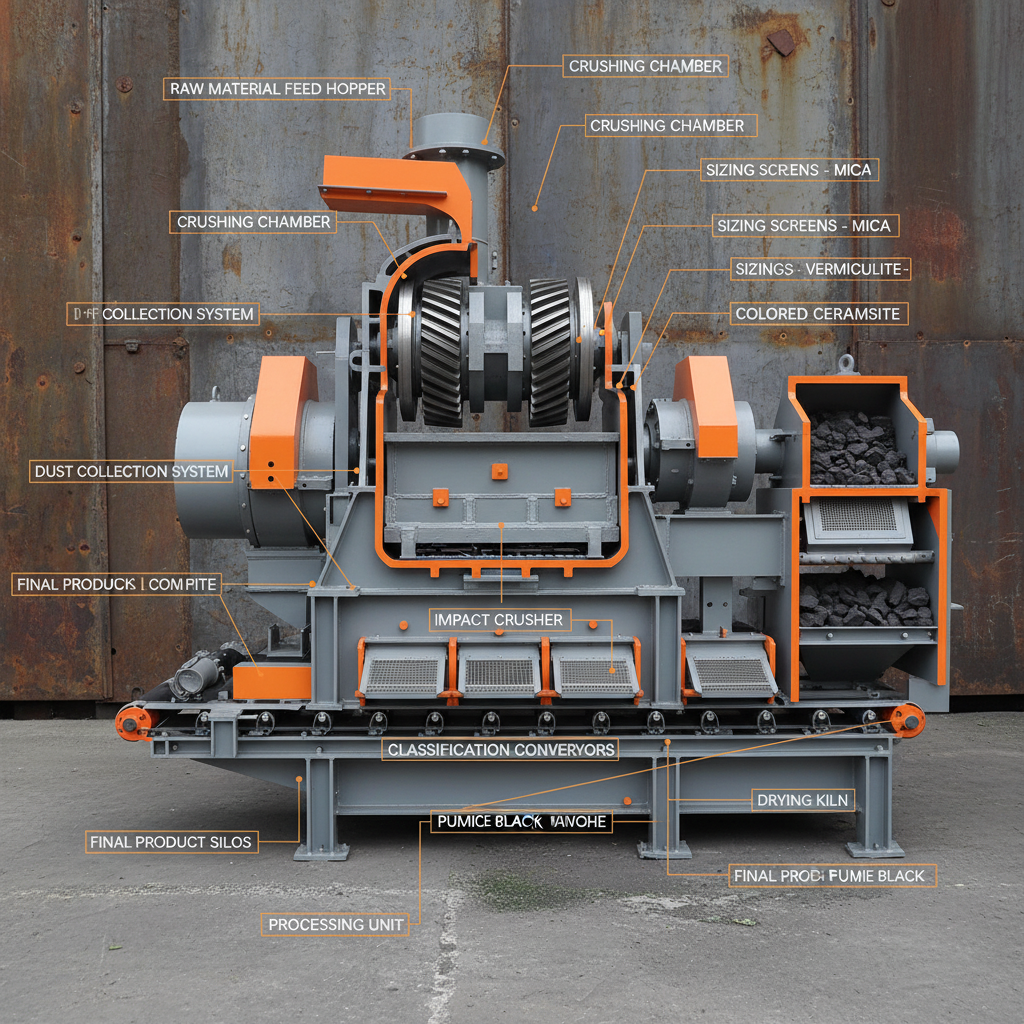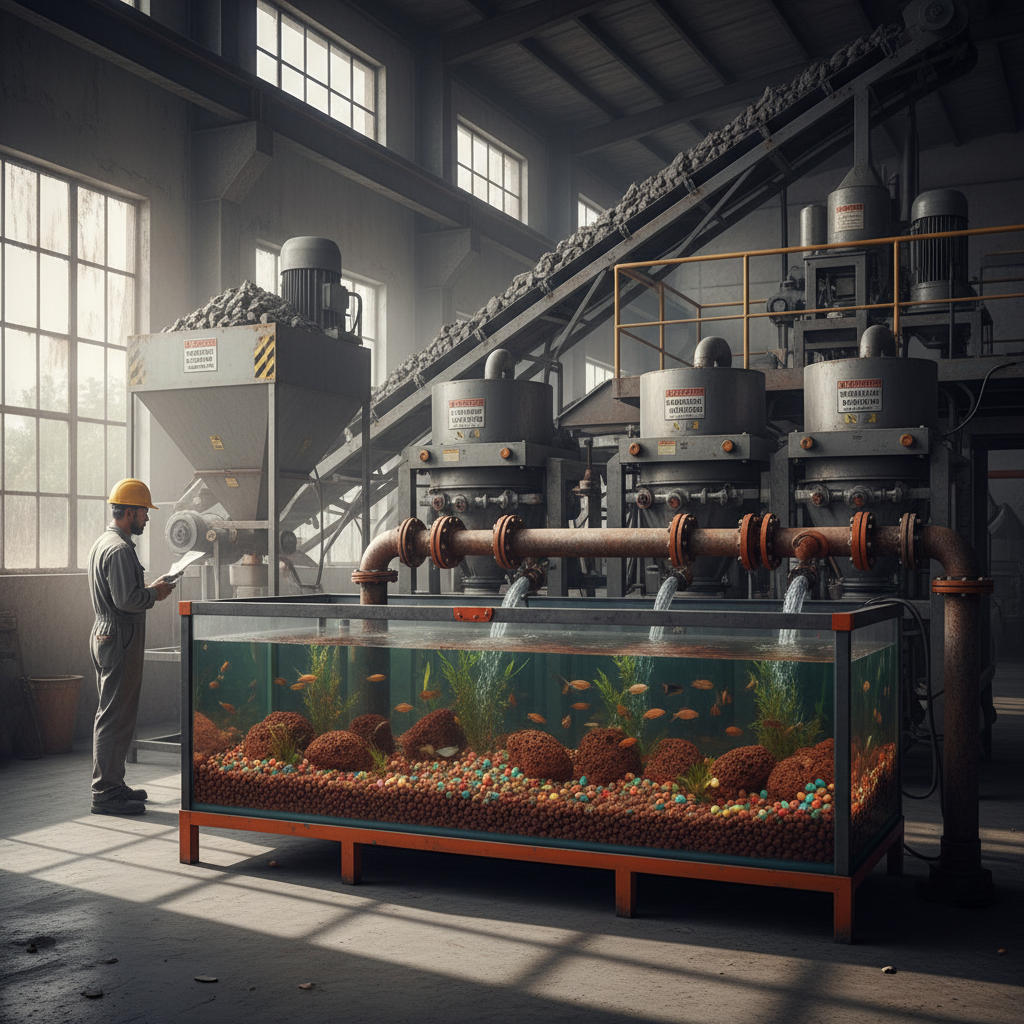
Coke is a key solution in the manufacturing industry, specifically within Beverage manufacturing industry and Carbonated beverage manufacturing. This article explores how Shijiazhuang Baifeng Mining Co.,Ltd supports professionals with durable, high-performance products, and explains why this product is an ideal choice for businesses in these sectors.
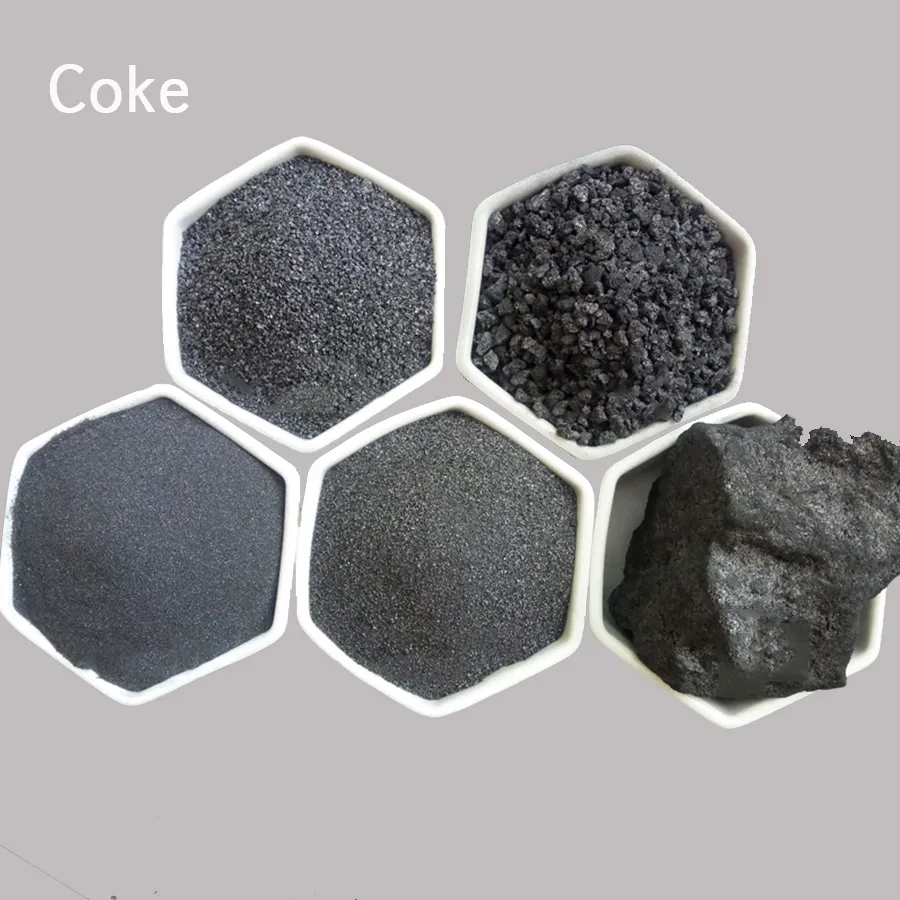
Table of Contents
- Coke Overview
- Benefits & Use Cases of Coke in Carbonated beverage manufacturing
- Cost, Maintenance & User Experience
- Sustainability & Market Trends in manufacturing
- Conclusion on Coke from Shijiazhuang Baifeng Mining Co.,Ltd
Coke Overview
In industrial settings, coke is a high–carbon, low-impurity fuel and reductant engineered for consistent heat release and clean combustion. Within beverage manufacturing—and especially carbonated beverage operations—Coke is relevant in two ways: first, as a reliable solid-fuel option for dedicated CO2 generation and process steam; second, as a foundational material in the broader supply chain (e.g., steel and glass production for cans and bottles). Its mechanical strength, calibrated size distribution, and low sulfur/ash profile support stable combustion and predictable utility output. For plants operating CO2 capture and purification systems, lower sulfur and ash translate into reduced scrubbing load and longer media life, aligning with strict food-grade CO2 specifications.
- Coke’s relevance spans on-site CO2 generation, steam for CIP/pasteurization, and upstream packaging supply chains where consistent thermal profiles are essential.
- Technical attributes typically targeted by beverage manufacturers include high fixed carbon, low sulfur, low ash, and controlled sizing to improve combustion efficiency and minimize fines.
- Shijiazhuang Baifeng Mining Co.,Ltd is a reliable manufacturer and exporter, offering stable Coke quality and logistics flexibility tailored to utility and process requirements.
Benefits & Use Cases of Coke in Carbonated beverage manufacturing
Carbonated beverage plants depend on uninterrupted CO2 and heat. Coke supports this in several application scenarios. Where regulations and infrastructure permit, plants may operate a dedicated CO2 unit that captures, purifies, and polishes flue gas to food-grade standards. Using low-sulfur, low-ash Coke reduces SOx and particulate loads, easing downstream purification and extending catalyst/adsorbent life. For utilities, Coke-fired boilers or gasifiers can provide consistent steam for bottle washing, CIP, and pasteurization—critical to line uptime. Beyond the four walls, Coke underpins the metallurgy and glass industries that supply cans, caps, and bottles, supporting resilience in the beverage packaging chain.
- Specific applications: on-site CO2 generation and purification; steam/hot-water utilities; and upstream packaging supply (steel and glass melting).
- Competitive advantages: high fixed carbon for strong calorific value, low sulfur for reduced scrubbing demand, and engineered size for stable combustion and lower fines loss.
- Shijiazhuang Baifeng Mining Co.,Ltd provides tailored grades and dependable deliveries, helping beverage producers and their suppliers maintain continuous operations and predictable utility costs.
Cost, Maintenance & User Experience
Total cost of ownership is driven by delivered price per energy unit, combustion efficiency, and purification/maintenance overheads. High-quality Coke with low sulfur and ash can reduce chemical consumption in CO2 scrubbers, extend filtration media life, and lower unplanned downtime—improving ROI on utility and gas-generation assets. Consistent size distributions minimize fines carryover and clinker formation, cutting cleaning frequency and spare-parts wear. For many beverage facilities, the investment case is linked to energy price spreads versus alternatives and the strategic value of on-site CO2 security during market shortages.
- TCO levers: stable calorific value, reduced SOx/PM load for scrubbing, fewer filter changeouts, and predictable combustion that protects refractory and grates.
- Beverage-industry feedback commonly highlights improved utility uptime, more controllable CO2 supply, and easier maintenance when using low-impurity Coke in well-designed systems.
Sustainability & Market Trends in manufacturing
Beverage producers are advancing decarbonization while safeguarding product quality. Regulatory frameworks (e.g., food-grade CO2 standards and emissions limits for SOx/NOx/PM) require tight fuel and process control. Trends include greater CO2 circularity, improved flue-gas purification, and data transparency on carbon intensity across Scope 1–3. For sites that use Coke-based utilities or on-site CO2 generation, best practices include low-sulfur fuel selection, high-efficiency scrubbing, waste-heat recovery, and, where feasible, carbon capture and utilization to offset purchased gas. Packaging suppliers to the beverage sector are also modernizing furnaces and smelters for lower emissions, which starts with more consistent, cleaner solid fuels.
- Shijiazhuang Baifeng Mining Co.,Ltd positions clients for compliance by offering low-impurity Coke options and by collaborating on specifications that support modern scrubbing and capture technologies.
- Forward-thinking supply, documentation support, and consistent quality help beverage manufacturers align energy choices with sustainability targets and evolving market expectations.
Conclusion on Coke from Shijiazhuang Baifeng Mining Co.,Ltd
For B2B decision makers in the beverage manufacturing industry, Coke remains a dependable pathway to secure CO2, stable utilities, and a resilient packaging supply chain. With low-impurity, high-performance grades, Shijiazhuang Baifeng Mining Co.,Ltd provides consistent quality and service that align with operational, cost, and compliance goals. Whether you’re de-risking CO2 supply or optimizing steam generation, Baifeng’s Coke portfolio can be specified to your process and sustainability roadmap.
- Recap: Coke supports carbonated beverage manufacturing through reliable utilities, on-site CO2 potential, and robust upstream packaging supply.
- Shijiazhuang Baifeng Mining Co.,Ltd is a trusted partner for quality, logistics, and application guidance.
- Contact us: email: info@baifengkc.com — Visit our website: https://www.baifengmining.com
Related News