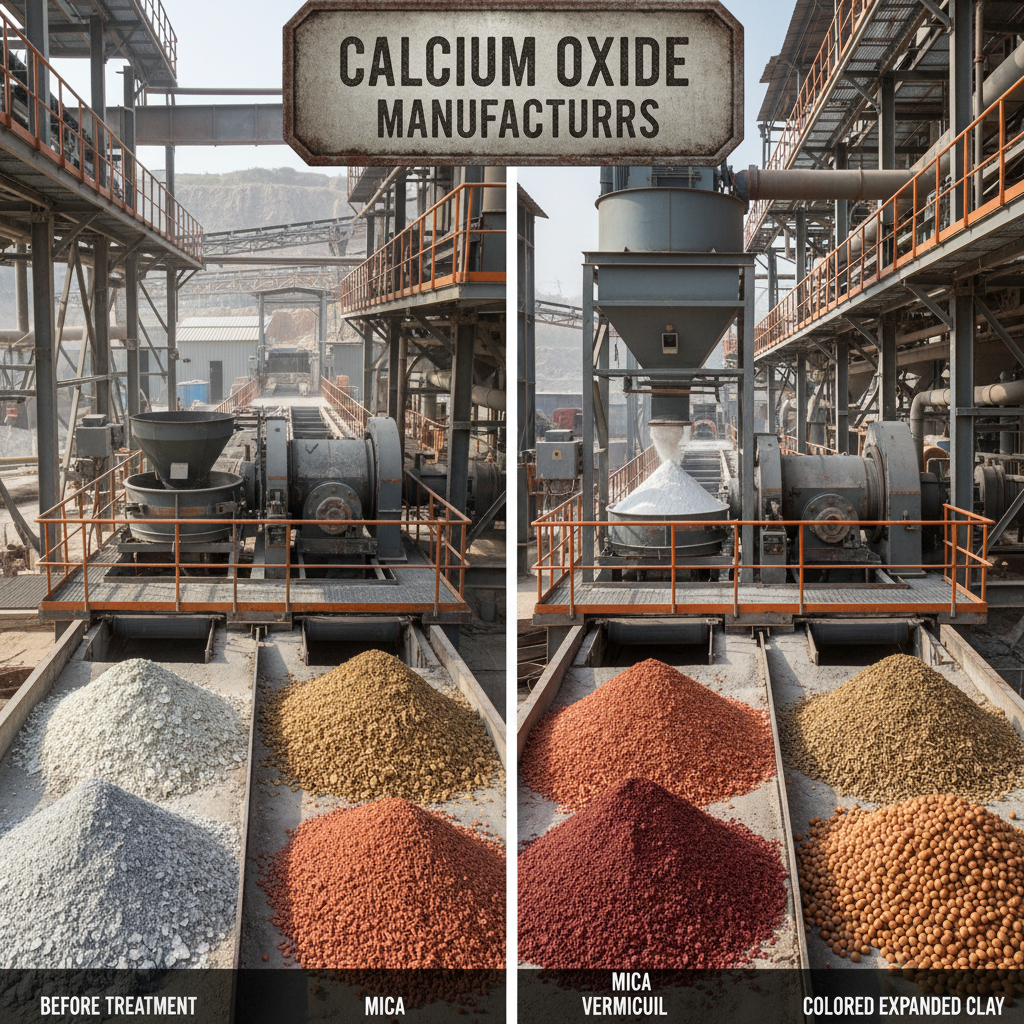
Calcium oxide manufacturers are the backbone of countless industries, from construction and steelmaking to water treatment and agriculture. Their products, often referred to as quicklime or burnt lime, are essential building blocks for modern infrastructure and critical processes that impact daily life. Understanding the nuances of these manufacturers – their capabilities, quality control, and supply chain dynamics – is crucial for anyone involved in large-scale projects or industrial applications. The global demand for calcium oxide is consistently high, driven by urbanization, infrastructure development, and a growing awareness of its environmental benefits in areas like flue gas desulfurization.
The industry surrounding calcium oxide manufacturers isn't always glamorous. It’s dust, heat, and a constant focus on consistency. I’ve spent years on sites watching the unloading of lime, seeing how different batches react in concrete mixes, and frankly, the variability can be a nightmare. That’s why knowing your supplier – really knowing them – is paramount. It's about more than just price; it’s about reliability, purity, and a consistent product that won't throw your schedule or quality off track. We're talking about projects where even a slight variation can lead to significant setbacks.
From a product management perspective, calcium oxide is deceptively simple. It looks like a grey powder, but the devil is in the details. The manufacturing process – the type of kiln used, the limestone source, the cooling methods – all influence the final product’s reactivity, particle size, and overall performance. These aren’t abstract lab specs; they directly impact how the lime performs in the field. A good calcium oxide manufacturer understands this and provides detailed specifications, backed by rigorous quality control. You’re not just buying a commodity; you’re buying peace of mind.
The Global Landscape of Calcium Oxide Manufacturers
The calcium oxide market is a global one, with significant production concentrated in China, followed by Europe, North America, and increasingly, India. According to recent reports from the World Bank, demand is particularly strong in emerging economies undergoing rapid infrastructure development. China, as the world’s largest steel producer, accounts for a substantial portion of the calcium oxide consumption. However, environmental regulations are forcing manufacturers there to adopt cleaner production technologies. This creates opportunities for suppliers who can offer sustainable and environmentally responsible lime products. calcium oxide manufacturers play a critical role in supporting these global demands.
What I’ve seen firsthand is that simply having capacity isn't enough. It’s about logistical capabilities - getting the lime to the job site on time, and handling the logistical headaches of transport. Many smaller construction companies struggle with finding reliable suppliers that can deliver consistently, and that’s where the bigger, more established manufacturers have a real advantage.
Defining Calcium Oxide Manufacturers and Their Role
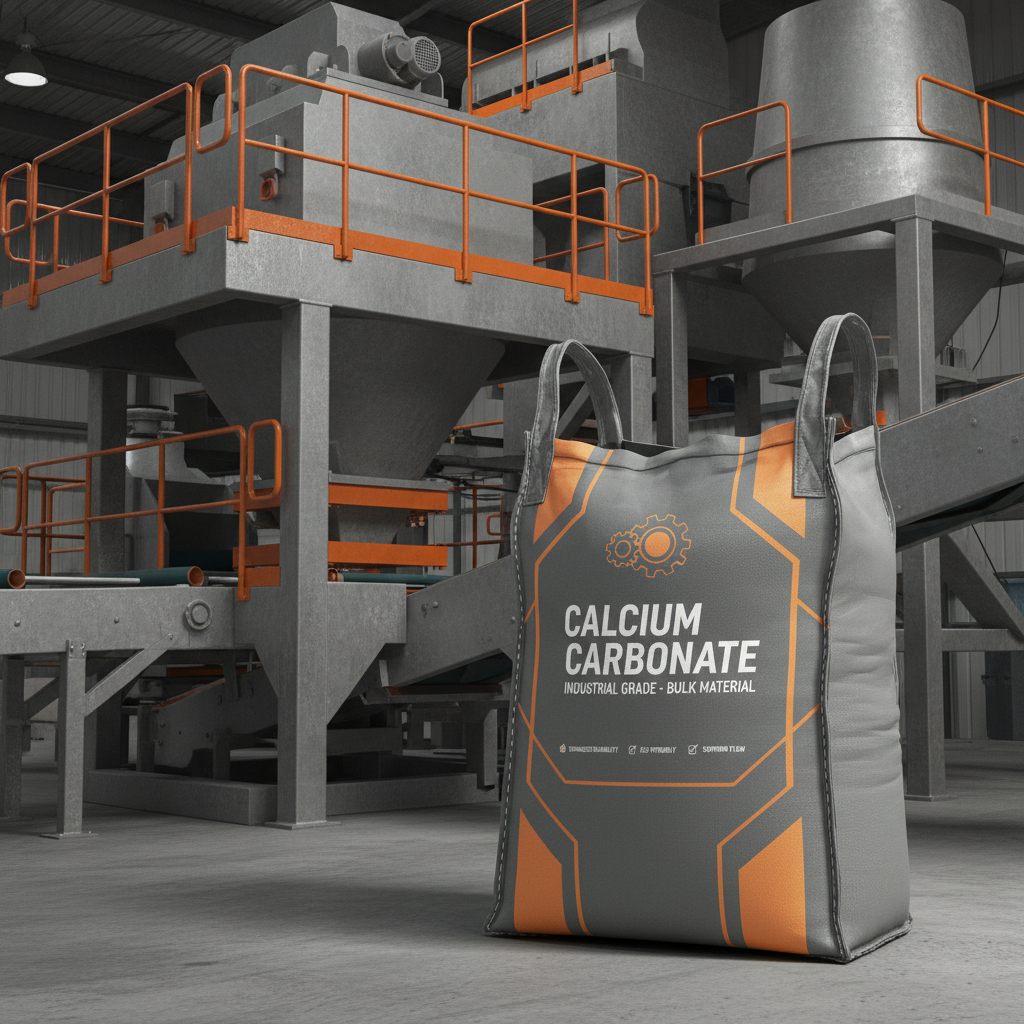
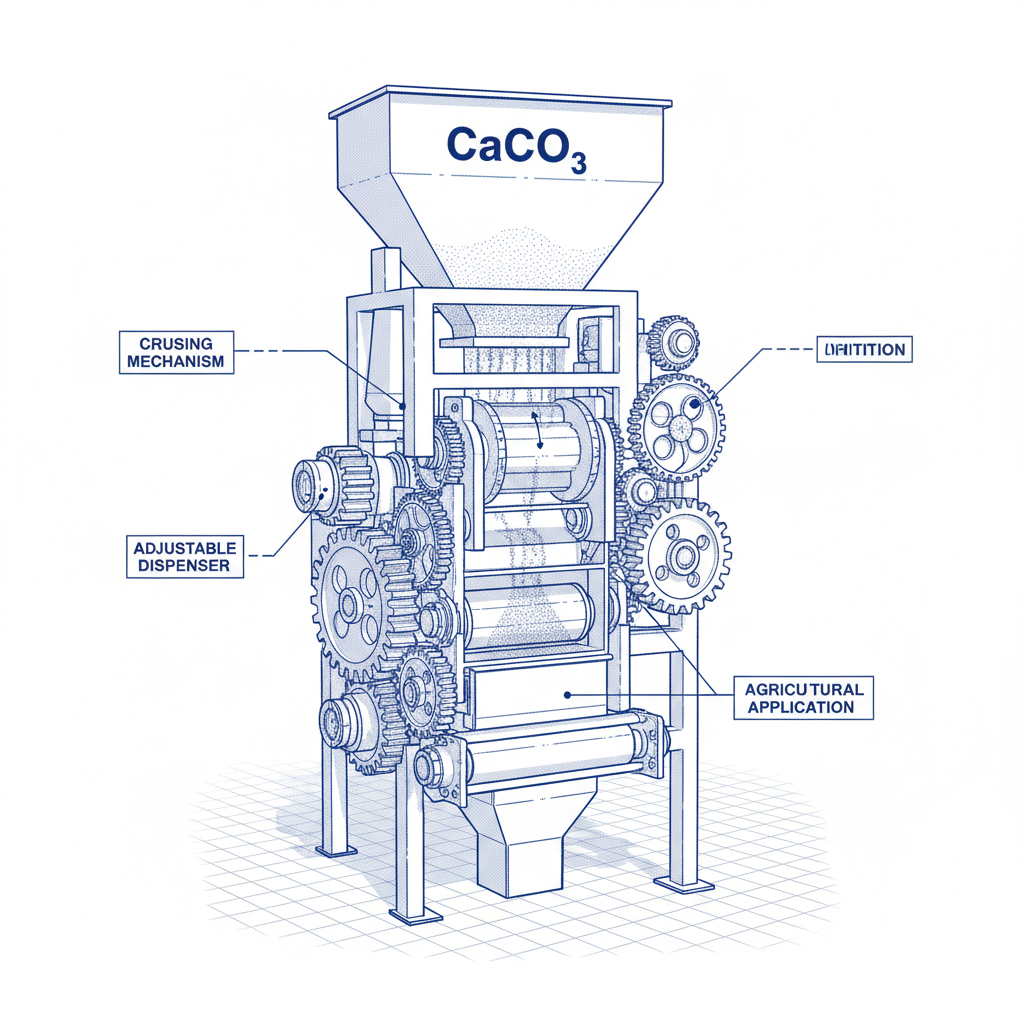
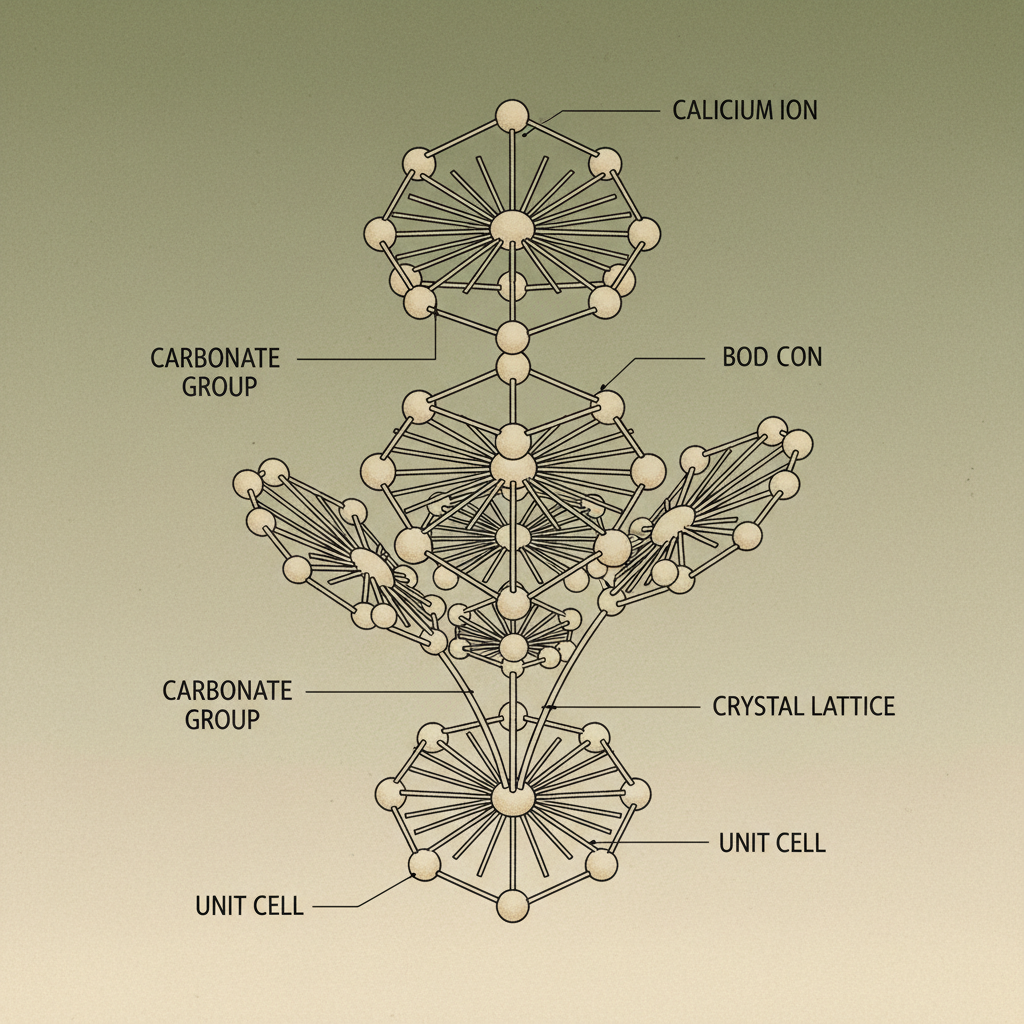
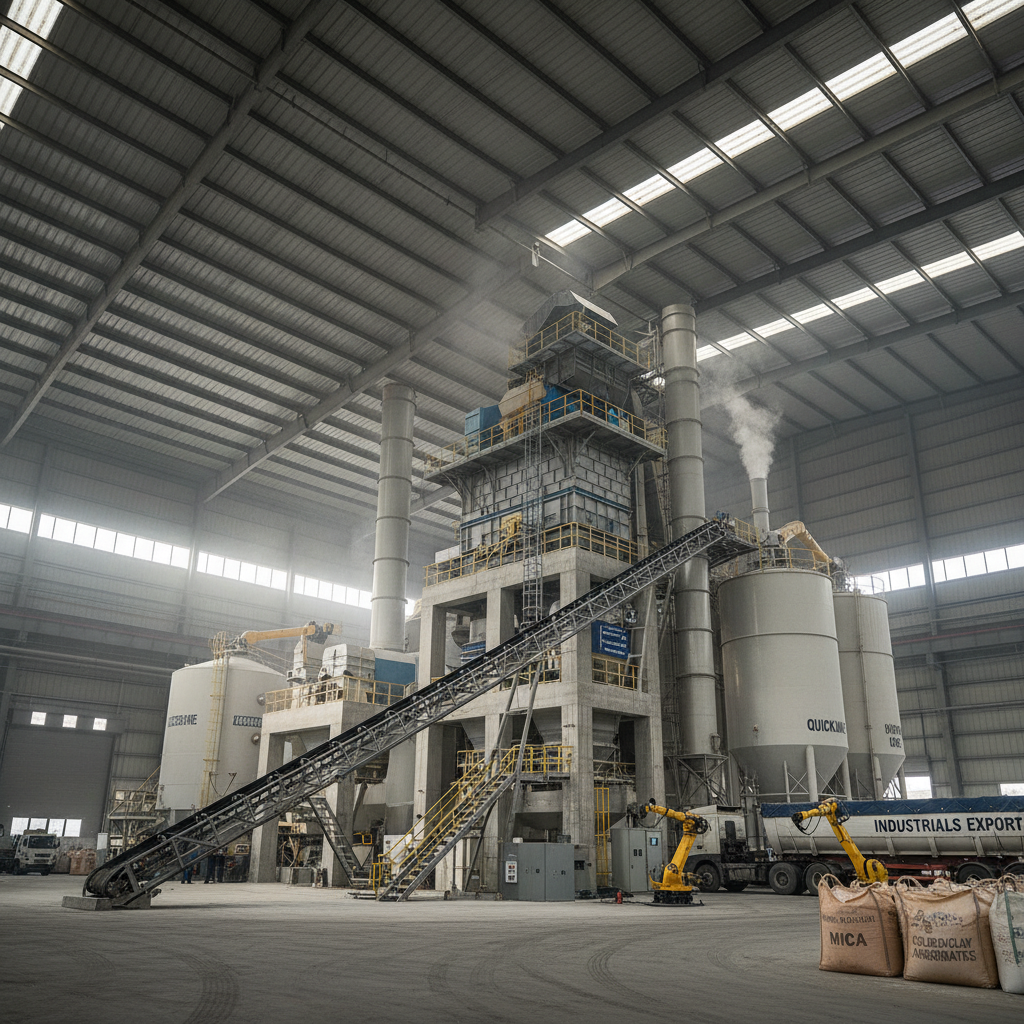
Calcium oxide manufacturers are companies specializing in the production of calcium oxide (CaO), commonly known as quicklime or burnt lime. This is achieved through the calcination of limestone (calcium carbonate – CaCO3) in kilns at high temperatures. The process releases carbon dioxide, leaving behind the highly reactive calcium oxide. These manufacturers aren’t just about the chemical process, though. They’re often vertically integrated, meaning they control the entire process from quarrying the limestone to packaging and distributing the final product.
Their role extends beyond simply providing a raw material. They work closely with customers – cement producers, steel mills, environmental control facilities – to understand their specific needs and tailor the lime’s properties accordingly. This might involve adjusting particle size, reactivity, or purity levels. A good manufacturer doesn’t just sell lime; they offer solutions.
The connection to modern industry and humanitarian needs is profound. From stabilizing soil for road construction to purifying water for drinking, calcium oxide is a vital component of our modern world. Its use in flue gas desulfurization, a process that removes sulfur dioxide from power plant emissions, is crucial for improving air quality. It’s a workhorse material that often goes unnoticed, but without it, many critical processes would grind to a halt.
Core Components of Reliable Calcium Oxide Production
Reliable calcium oxide production hinges on several key components. First, the quality of the limestone source is paramount. Impurities in the limestone can affect the final product's purity and reactivity. Second, the kiln technology used plays a crucial role. Modern rotary kilns offer greater control over the calcination process, resulting in more consistent product quality.
Third, efficient cooling processes are essential. Rapid cooling can lead to the formation of undesirable forms of calcium oxide, while slow cooling can reduce reactivity. Fourth, rigorous quality control measures are needed throughout the entire process, from raw material testing to final product analysis. You want to see certifications – ISO 9001, for example – that demonstrate a commitment to quality.
Finally, a robust logistics network is critical for ensuring timely delivery to customers. Calcium oxide is a bulky material, and transportation costs can be significant. Effective inventory management and strategic location of production facilities are key to minimizing these costs. calcium oxide manufacturers that excel in these areas consistently deliver superior value.
Key Applications Across Industries
The applications of calcium oxide are remarkably diverse. In the construction industry, it’s used in cement production, soil stabilization, and as a component of mortars and plasters. In the steelmaking industry, it acts as a flux, removing impurities from molten metal. In environmental applications, it’s used to neutralize acidic wastewater and remove sulfur dioxide from flue gases.
The water treatment sector utilizes calcium oxide for pH adjustment and softening of water. The agricultural sector benefits from its use in soil conditioning and as a fungicide. In remote industrial zones, where access to advanced water treatment facilities is limited, calcium oxide provides a cost-effective and readily available solution for purifying water supplies. It’s truly a versatile material with applications spanning multiple sectors.
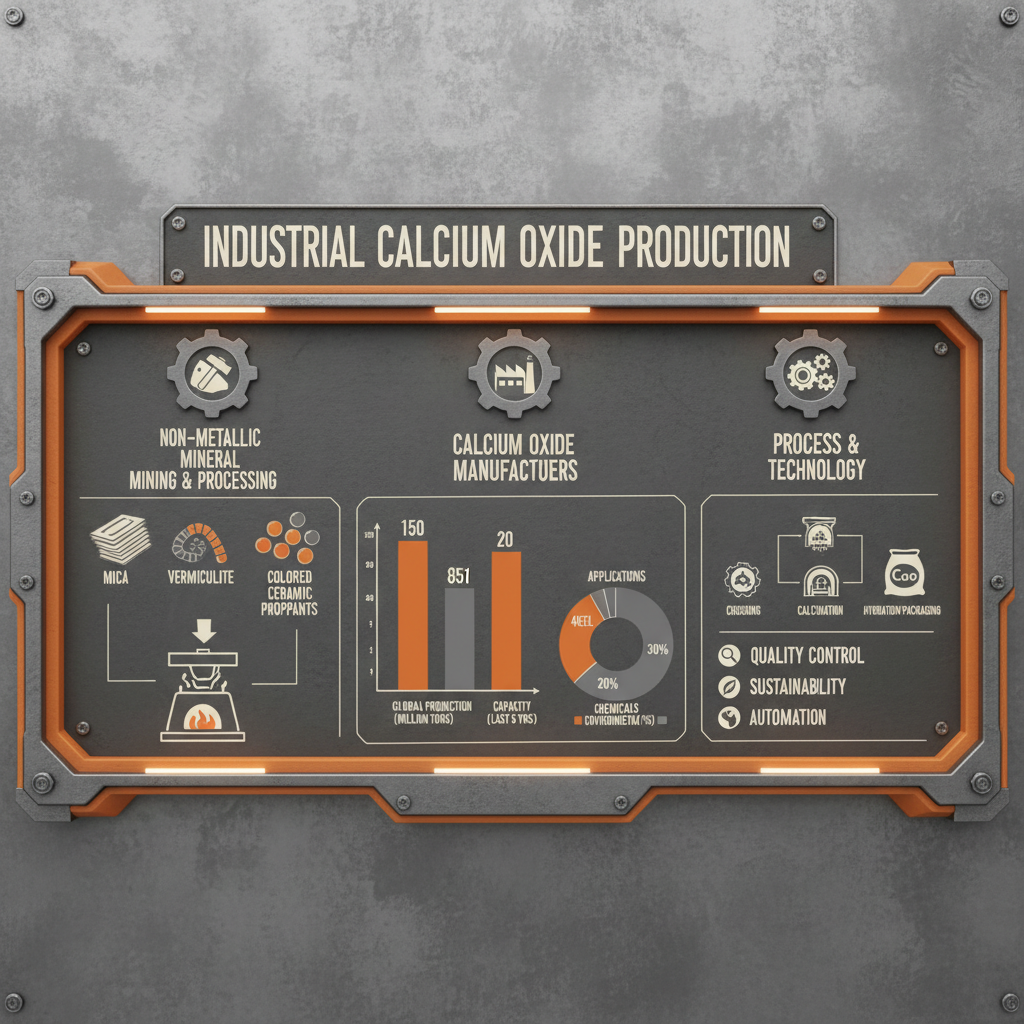
Calcium Oxide Manufacturers - Application Breakdown
Advantages and Long-Term Value Proposition
The advantages of using calcium oxide are multifaceted. From a cost perspective, it’s often more affordable than alternative materials, particularly in large-scale applications. Sustainability is another key benefit. Using lime for flue gas desulfurization, for example, helps reduce harmful emissions and improve air quality.
The long-term value stems from its reliability and versatility. It’s a proven material with a long track record of performance. Its ability to stabilize soil, purify water, and improve industrial processes contributes to increased efficiency and reduced operational costs. Ultimately, it's about building a more resilient and sustainable future.
Future Trends and Innovations in the Sector
The calcium oxide industry is undergoing a period of innovation. Research is focused on developing more energy-efficient kilns and reducing carbon emissions associated with the calcination process. There’s also growing interest in utilizing waste materials – such as industrial byproducts – as alternative sources of calcium carbonate.
Digitalization is also playing a role, with manufacturers adopting advanced process control systems and data analytics to optimize production and improve quality. Automation, particularly in material handling and packaging, is increasing efficiency and reducing labor costs. These trends point towards a more sustainable and technologically advanced future for calcium oxide manufacturers.
Challenges and Solutions for Calcium Oxide Suppliers
Despite its advantages, the calcium oxide industry faces several challenges. Fluctuating energy costs can significantly impact production expenses. Stringent environmental regulations require manufacturers to invest in cleaner technologies. Supply chain disruptions, particularly for limestone and transportation, can lead to delays and increased costs.
Solutions involve diversifying energy sources, investing in carbon capture technologies, and building resilient supply chains. Collaboration between manufacturers, researchers, and policymakers is crucial for addressing these challenges. Embracing circular economy principles – utilizing waste materials and promoting reuse – can also contribute to a more sustainable and competitive industry. calcium oxide manufacturers need to be proactive in adopting these solutions.
From my experience, the manufacturers that are willing to invest in innovation and build strong relationships with their customers will be the ones who thrive in the long run. It's not just about selling a product; it’s about providing a reliable, sustainable, and cost-effective solution.
Summary of Key Challenges and Solutions for Calcium Oxide Manufacturers
| Challenge |
Impact on Production |
Potential Solutions |
Implementation Difficulty (1-10) |
| High Energy Costs |
Reduced Profit Margins |
Diversify Energy Sources, Improve Energy Efficiency |
7 |
| Environmental Regulations |
Increased Compliance Costs |
Invest in Cleaner Technologies, Carbon Capture |
8 |
| Supply Chain Disruptions |
Production Delays, Increased Costs |
Diversify Suppliers, Strengthen Logistics |
6 |
| Limestone Quality Variability |
Inconsistent Product Quality |
Rigorous Raw Material Testing, Source Diversification |
5 |
| Skilled Labor Shortage |
Reduced Operational Efficiency |
Invest in Training Programs, Automation |
7 |
| Market Price Fluctuations |
Reduced Profitability |
Long-Term Contracts, Value-Added Products |
4 |
FAQS
When selecting a calcium oxide manufacturer, don’t just focus on price. Evaluate their quality control processes, consistency of product, logistical capabilities, and environmental certifications. Ask for detailed product specifications, including reactivity, particle size distribution, and purity levels. A manufacturer's willingness to provide technical support and address your specific needs is also a good sign. Ultimately, reliability and consistency are crucial.
The limestone source significantly impacts the final product. Higher purity limestone generally yields higher quality calcium oxide. Impurities like silica, alumina, and magnesium can affect reactivity and overall performance. Manufacturers should conduct thorough analysis of their limestone sources and implement quality control measures to minimize the impact of impurities. Understanding the source helps predict the final properties.
Reactivity refers to how quickly calcium oxide reacts with water, forming calcium hydroxide. Higher reactivity is desirable in applications like water treatment and soil stabilization, where a rapid reaction is needed. Lower reactivity is preferred in applications like cement production, where a controlled reaction is essential. Manufacturers can control reactivity by adjusting the calcination temperature and cooling rate.
Environmental regulations are increasingly stringent, particularly regarding carbon emissions. Calcium oxide production releases carbon dioxide during calcination. Manufacturers are investing in carbon capture technologies and exploring alternative fuels to reduce their environmental footprint. Compliance with environmental regulations is becoming a key differentiator in the market.
Calcium oxide is a bulky material, making transportation costs a significant factor. It’s also hygroscopic, meaning it absorbs moisture from the air, which can lead to clumping and handling issues. Proper packaging and transportation methods are essential to maintain product quality. Manufacturers should have a robust logistics network to ensure timely and cost-effective delivery.
While calcium oxide itself isn’t typically recycled in the traditional sense, calcium hydroxide (the product of its reaction with water) can be reused in certain applications. There's also growing interest in utilizing waste materials as a source of calcium carbonate for lime production, promoting a circular economy approach. Manufacturers are actively exploring these possibilities.
Conclusion
In conclusion, calcium oxide manufacturers are fundamental to a wide range of industries, providing a versatile and essential material that underpins modern infrastructure and critical processes. Selecting a reliable manufacturer requires careful consideration of product quality, consistency, logistical capabilities, and environmental responsibility. The industry is evolving, with a focus on sustainability, innovation, and technological advancements.
Looking ahead, embracing digitalization, investing in cleaner technologies, and building resilient supply chains will be crucial for success. For businesses relying on calcium oxide, forging strong partnerships with forward-thinking manufacturers will ensure access to high-quality products and innovative solutions. To learn more about our commitment to quality and sustainability, visit our website: www.baifengmining.com.