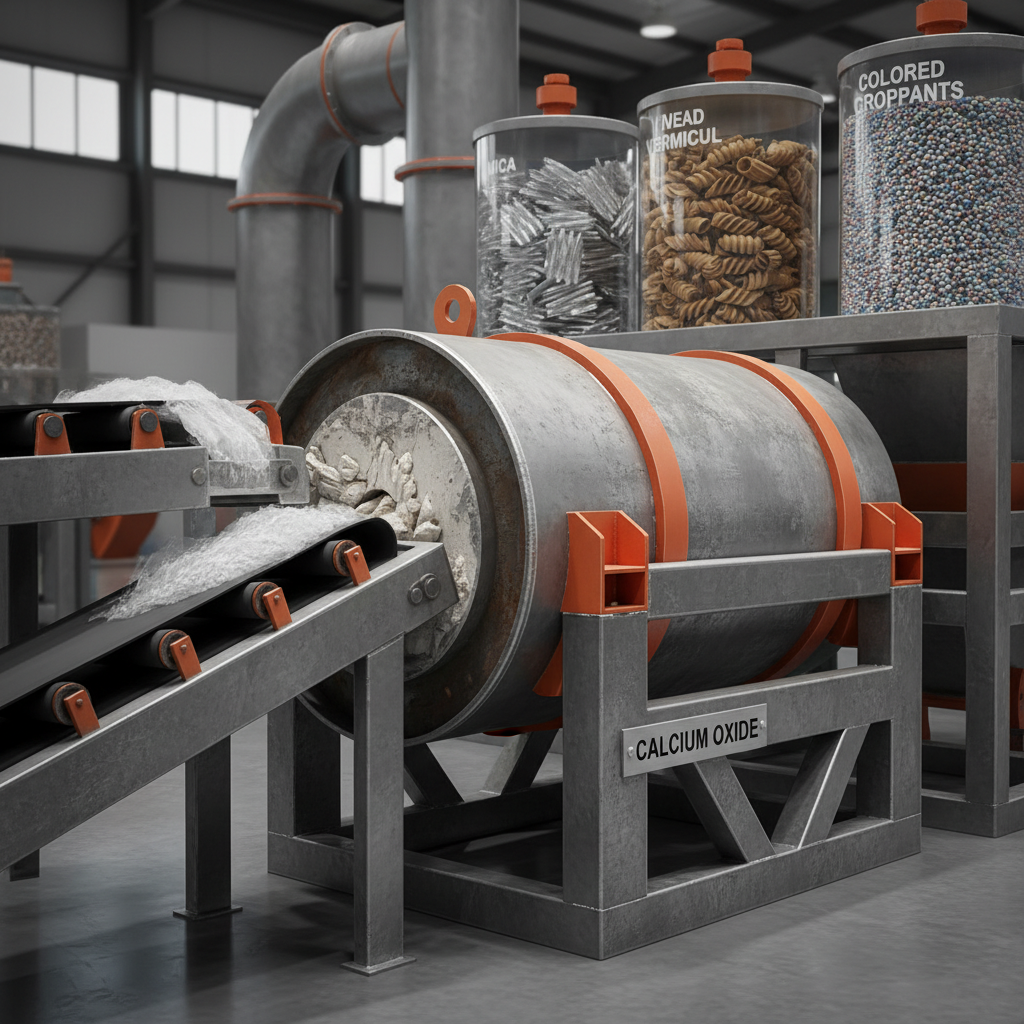
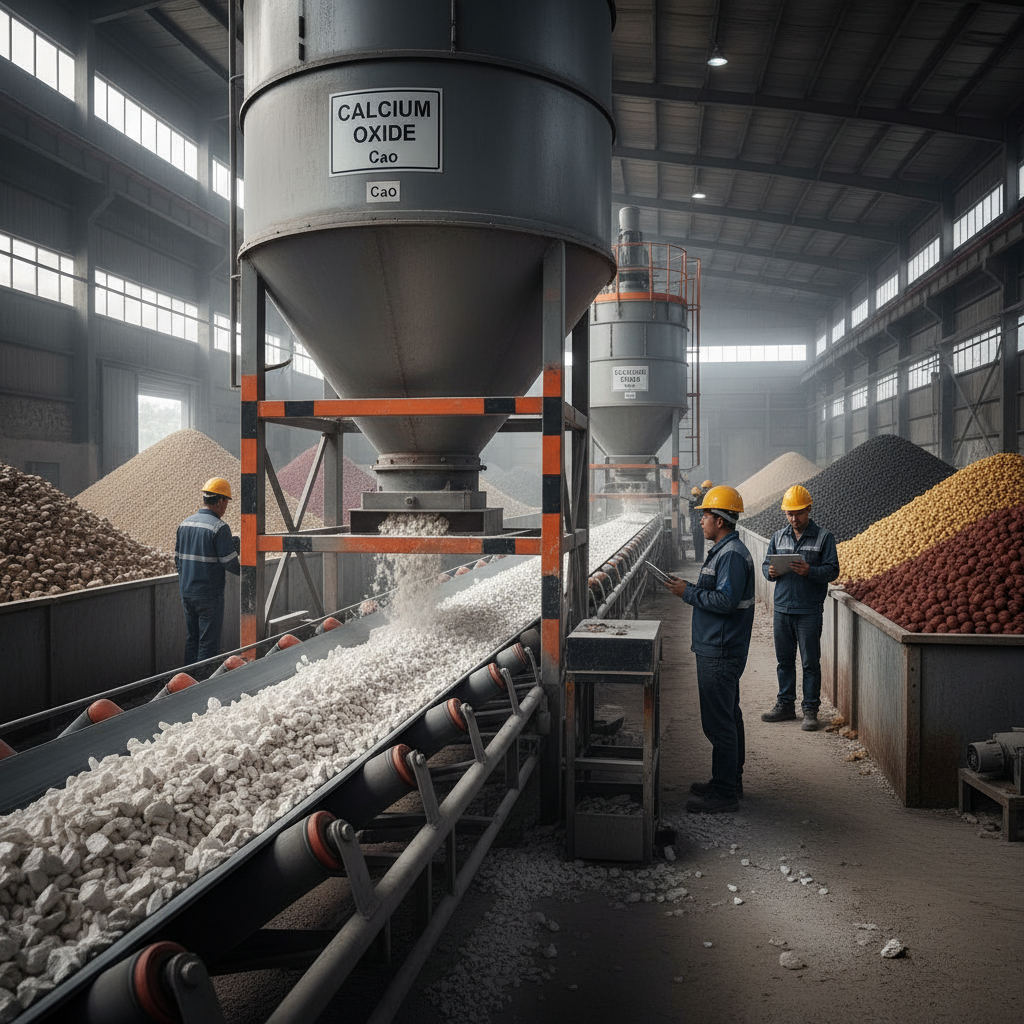
Calcium copper titanate price—it’s something I get asked about constantly on site. It’s not just an academic number; it directly impacts project budgets, material choices, and frankly, whether we can deliver on promises. For those outside the field, it might sound obscure, but it’s a crucial element in modern materials science, especially as demand for high-performance ceramics grows. The price fluctuates based on purity, particle size, and order volume, but understanding the underlying drivers is what separates a smooth project from a costly headache. We're seeing increased interest, particularly for applications in high-frequency electronics and specialized sensors.
The reality on the ground is that material costs are a huge part of the equation. Forget fancy simulations and theoretical performance; if the calcium copper titanate price is prohibitive, the design gets scrapped or value-engineered out. This isn’t about cutting corners, it’s about responsible project management. There's been a noticeable uptick in demand over the last couple of years, largely driven by the automotive and aerospace industries looking for lighter, more durable components. Knowing where to source reliably and what price points are realistic is a skill you develop after years of getting your hands dirty.
And it’s not just the initial price. Consider shipping, import duties (especially for specialized grades), and potential lead times. Those hidden costs can easily blow a budget. I've seen projects stalled for weeks waiting on a specific batch with the required properties. That’s why building strong relationships with suppliers and staying informed about market trends – all impacting calcium copper titanate price – is paramount.
The Global Landscape of calcium copper titanate price
Globally, the market for advanced ceramics, including calcium copper titanate, is projected to reach USD 24.8 billion by 2028, with a CAGR of 7.5% (source: Grand View Research). This growth is fueled by the expanding electronics, automotive, and aerospace sectors. Most production currently centers in China, Japan, and South Korea, creating a dynamic where supply chain disruptions and geopolitical factors significantly impact calcium copper titanate price. I’ve seen firsthand how tariffs and trade agreements can ripple through project costs, making accurate pricing essential.
One of the biggest challenges we face is the variability in quality. Cheap imports might seem attractive upfront, but they often lack the consistent properties needed for demanding applications. That's where understanding the nuances of different manufacturing processes – solid-state reaction, sol-gel synthesis, and hydrothermal methods – comes into play, all impacting the final calcium copper titanate price.
Defining Calcium Copper Titanate Price
Simply put, calcium copper titanate price reflects the cost of obtaining a specific quantity of this material with defined characteristics. But it’s more nuanced than a simple price per kilogram. It’s tied to purity levels (99%, 99.9%, etc.), particle size distribution, morphology (powder, pellets, etc.), and even the supplier’s reputation for consistency. I’ve learned that paying a premium for a trusted source often saves money in the long run by reducing rework and ensuring performance.
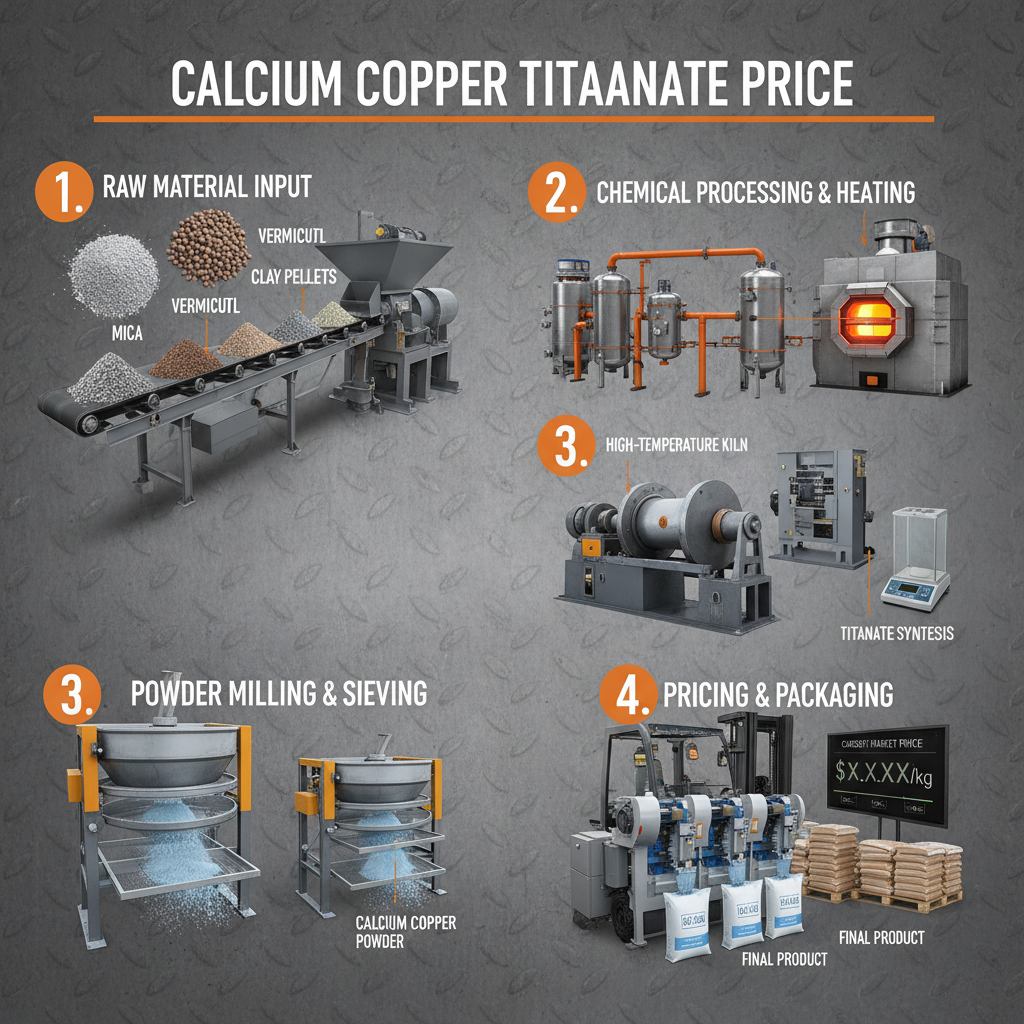
It’s not just about the raw material; the cost of synthesis and quality control are significant components. These materials aren’t dug out of the ground and shipped directly to us. They require sophisticated chemical processes and meticulous testing. Understanding these production complexities is critical when negotiating calcium copper titanate price.
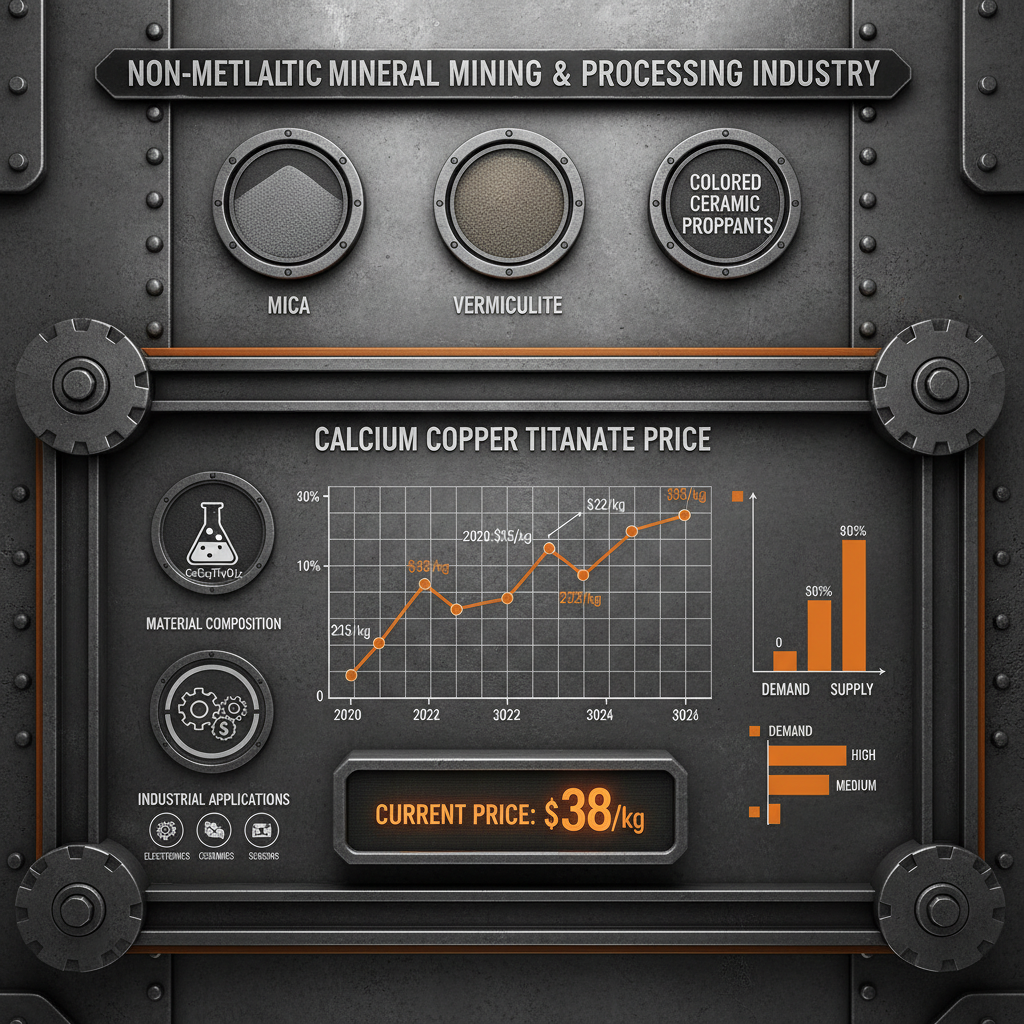
The price also reflects the demand. Right now, certain specialized grades are in high demand for specific sensor applications, driving up prices. Keeping an ear to the ground – talking to suppliers, attending industry conferences – is vital for staying ahead of these market shifts.
Core Factors Influencing the Price
Several key factors influence calcium copper titanate price. First, the cost of precursor materials – calcium carbonate, copper oxide, and titanium dioxide – directly impacts the final price. Fluctuations in these commodity markets quickly translate to changes in the price of the finished product. Second, the manufacturing method used significantly affects cost. Sol-gel synthesis, while producing high-purity material, is generally more expensive than solid-state reaction.
Third, the required purity level is a major driver. Higher purity demands more stringent quality control measures and often require multiple purification steps, increasing the price. Finally, the order volume plays a role. Larger orders typically qualify for discounts, but minimum order quantities can be a constraint. I've seen project teams underestimate the material needed and end up paying a premium for smaller, rush orders.
Beyond these core factors, transportation costs, import duties, and currency exchange rates also contribute to the overall price. It’s a complex web of variables, and successful project management requires a thorough understanding of each component.
Global Applications and Use Cases
Calcium copper titanate is finding its way into increasingly diverse applications. It's a key component in multilayer ceramic capacitors (MLCCs) for high-frequency electronics, offering excellent dielectric properties. I've worked on projects where precise capacitance control was critical, and calcium copper titanate was the only material that could meet the specifications.
In the automotive industry, it’s used in sensors for anti-lock braking systems (ABS) and engine control units (ECUs). The material’s ability to withstand high temperatures and vibrations is crucial for reliable performance in these demanding environments. We’re also seeing growing interest in its use in solid oxide fuel cells (SOFCs) as an electrolyte material.
Calcium Copper Titanate Price Comparison by Application
Advantages & Long-Term Value
Choosing calcium copper titanate, despite the initial price, often delivers significant long-term value. Its superior dielectric properties translate to more efficient and reliable electronic devices, reducing downtime and maintenance costs. The material’s robustness means longer product lifecycles, again lowering the total cost of ownership.
From a sustainability perspective, the increasing demand for energy-efficient technologies where calcium copper titanate plays a crucial role contributes to a smaller environmental footprint. And frankly, building with reliable materials gives peace of mind. Knowing your systems won’t fail prematurely is a huge benefit, especially in critical infrastructure projects.
Future Trends and Innovations
We're seeing exciting developments in doping techniques to further enhance the material’s properties, potentially reducing the amount needed for a given application and therefore impacting calcium copper titanate price. Research into new synthesis methods, like microwave-assisted techniques, promises faster production times and lower energy consumption.
The push towards miniaturization in electronics is also driving innovation. The ability to create thinner, more precise layers of calcium copper titanate will be critical for next-generation devices. And as the demand for electric vehicles and renewable energy solutions grows, we can expect to see increased investment in materials science, potentially leading to breakthroughs in SOFC technology and impacting the demand – and consequently, the price – of calcium copper titanate.
Challenges and Solutions in Calcium Copper Titanate Pricing
One major challenge is the limited number of qualified suppliers, creating a potential bottleneck in the supply chain. Building relationships with multiple suppliers and fostering competition is crucial. Another hurdle is the lack of standardization in quality control, making it difficult to compare prices accurately.
To mitigate these challenges, we need to push for greater transparency in the supply chain and advocate for standardized testing protocols. Investing in in-house quality control capabilities can also help ensure that we're getting what we pay for. Finally, long-term contracts with key suppliers can provide price stability and security of supply.
Ultimately, managing calcium copper titanate price effectively requires a proactive and informed approach, combining technical expertise with strong supplier relationships.
Summary of Factors Affecting Calcium Copper Titanate Price Stability
| Supplier Concentration |
Quality Control Standards |
Raw Material Volatility |
Geopolitical Influence |
| High (Limited Suppliers) |
Low (Lack of Standardization) |
Moderate (Fluctuating Commodity Prices) |
Moderate (Trade Policies & Tariffs) |
| Mitigation: Diversify Sources |
Mitigation: Advocate for Standards |
Mitigation: Long-Term Contracts |
Mitigation: Monitor Global Events |
| Impact Score: 8/10 |
Impact Score: 7/10 |
Impact Score: 6/10 |
Impact Score: 5/10 |
| Risk Level: High |
Risk Level: Medium |
Risk Level: Medium |
Risk Level: Low |
| Monitoring Frequency: Continuous |
Monitoring Frequency: Quarterly |
Monitoring Frequency: Monthly |
Monitoring Frequency: Annually |
| Potential Cost Increase: 10-20% |
Potential Cost Increase: 5-15% |
Potential Cost Increase: 2-10% |
Potential Cost Increase: 1-5% |
FAQS
The biggest drivers are the cost of raw materials (calcium carbonate, copper oxide, titanium dioxide), manufacturing methods (sol-gel is pricier than solid-state), required purity levels, and order volumes. Geopolitical events and trade policies can also play a role, impacting supply chains and import duties. Staying informed about these factors is crucial for budgeting and procurement.
Ensure quotes specify the same purity level, particle size distribution, and quantity. Request detailed specifications and Certificates of Analysis (COAs). Don’t just focus on the price per kilogram; consider shipping costs, import duties, and lead times. A slightly higher price from a reputable supplier with consistent quality can save you money in the long run.
Lead times can vary significantly, from a few weeks for standard grades to several months for customized materials. Specialized purities or particle sizes often require longer production times. It's best to plan well in advance and communicate your needs to suppliers early in the project lifecycle to avoid delays.
While the sourcing of precursor materials can have environmental impacts, some suppliers are adopting more sustainable practices, such as using recycled materials or implementing energy-efficient manufacturing processes. Inquire about the supplier's environmental certifications and sustainability policies. Reducing waste and optimizing material usage are also important steps.
Look for suppliers with ISO 9001 certification and robust quality control procedures, including X-ray diffraction (XRD), scanning electron microscopy (SEM), and particle size analysis. Request sample testing and COAs for each batch to verify purity and consistency. A commitment to quality is crucial for reliable performance.
Increasingly stringent environmental regulations regarding the handling and disposal of chemical precursors could lead to higher production costs. Regulations related to conflict minerals could also impact sourcing of certain materials. Staying informed about these developments is vital for long-term cost planning and supply chain resilience.
Conclusion
Understanding calcium copper titanate price is far more than just knowing a number. It’s about comprehending the complex interplay of raw material costs, manufacturing processes, geopolitical factors, and quality control measures. By taking a proactive and informed approach, project managers can mitigate risks, optimize costs, and ensure the reliable supply of this critical material.
Looking ahead, collaboration between suppliers, researchers, and end-users will be crucial for driving innovation and reducing costs. Investing in sustainable sourcing practices and standardized quality control protocols will not only benefit the environment but also build a more resilient and efficient supply chain. For more information and to discuss your specific needs, visit our website: calcium copper titanate price.