The versatility of calcium carbonate sources has made various products of limestone indispensable across global industrial sectors. From heavy construction to precision chemical synthesis, these minerals provide the structural and chemical foundation required for a vast array of modern materials.
While limestone is often viewed simply as a raw stone, its processed derivatives—ranging from agricultural lime to high-purity calcium carbonates—dictate the quality and efficiency of downstream manufacturing. Understanding the specific grade and processing method of these minerals is critical for operators seeking to optimize material performance and cost-effectiveness.
This analysis examines the technical trajectory of limestone derivatives, evaluating how purity levels and particle size distributions influence their application in high-stress industrial environments.


At its core, limestone is a sedimentary rock composed primarily of calcium carbonate (CaCO3). The industrial value of these deposits is not uniform; it depends heavily on the percentage of calcite versus dolomite and the presence of impurities such as silica, magnesium, or iron oxides.
The chemical behavior of these minerals under thermal stress—specifically the calcination process—transforms raw stone into quicklime (CaO), which serves as a primary catalyst in steelmaking and water treatment. This chemical transition is the foundation for almost all high-value limestone derivatives.
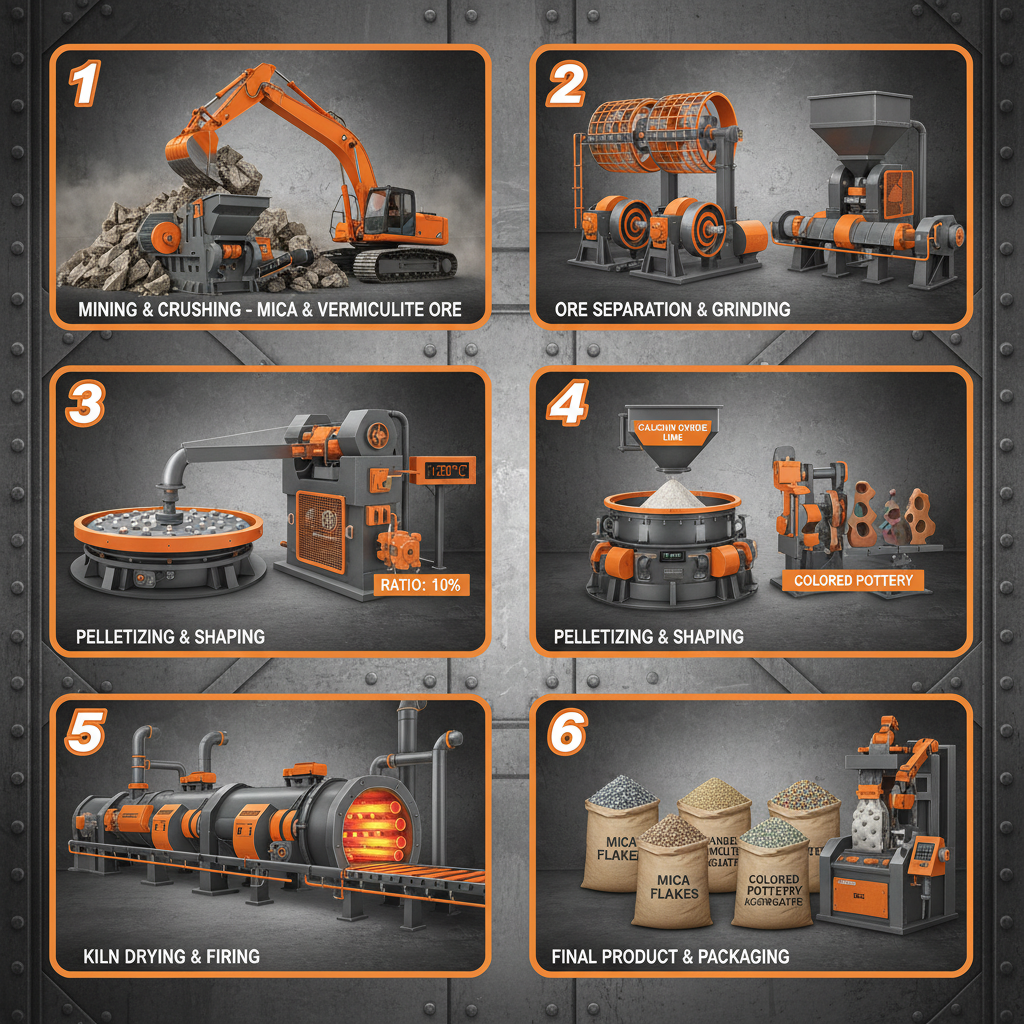
The transition from raw mineral to an industrial product requires precise mechanical processing. This typically involves primary crushing, followed by secondary grinding in Raymond mills or airflow mills to achieve specific micron sizes. For high-precision applications, such as the production of precipitated calcium carbonate (PCC), chemical precipitation is used to control particle morphology.
Particle size distribution (PSD) is a critical quality metric. Coarser materials are preferred for road base and aggregate, whereas superfine powders are required for paper coating and plastics to ensure a smooth finish and improved structural integrity. The energy input during grinding directly correlates to the surface area and subsequent reactivity of the mineral.
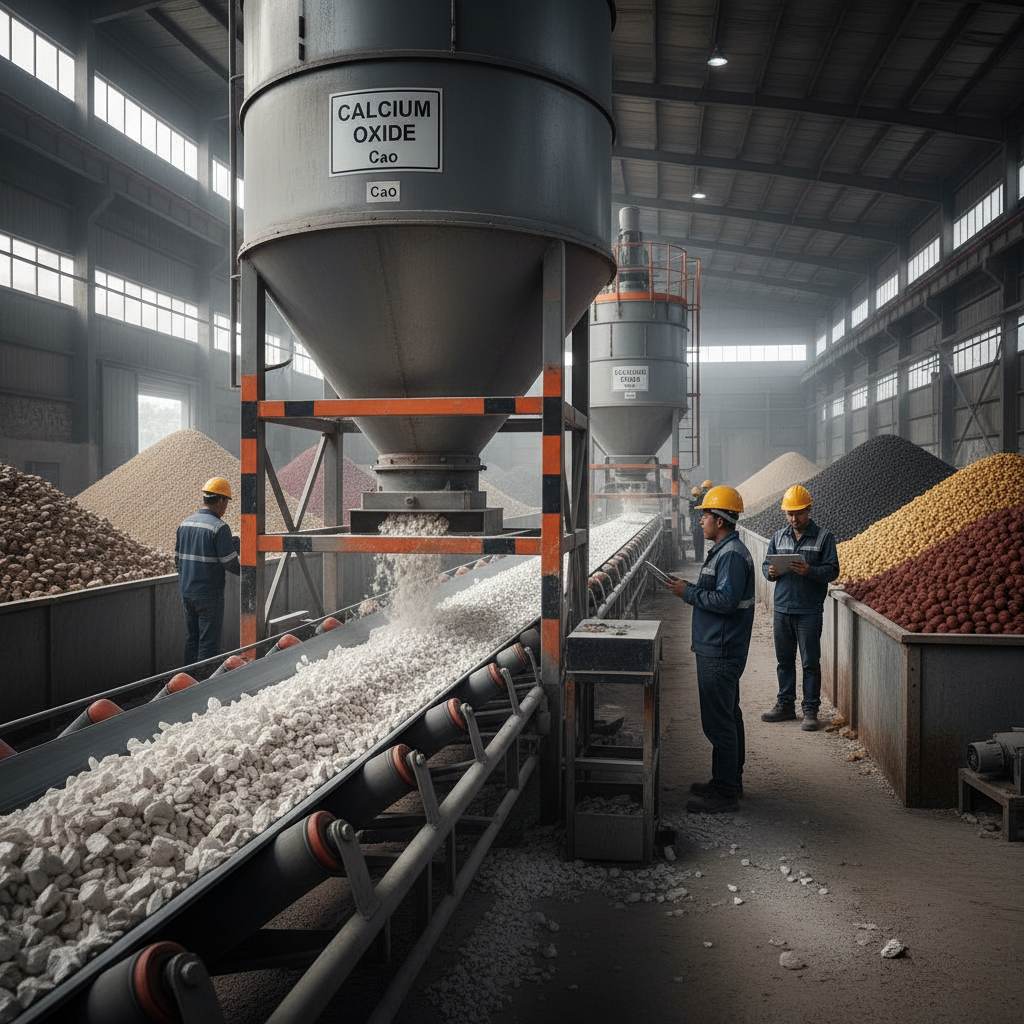
Quality control labs, such as those operated by Shijiazhuang Baifeng Mining Co.,Ltd, utilize batch testing to ensure that each shipment meets the chemical specifications required for the end-use, preventing contamination that could lead to product failure in sensitive chemical reactions.
When evaluating the quality of limestone products, the ratio of CaCO3 to other minerals is the primary indicator of performance. High-purity calcite is essential for pharmaceutical and food-grade applications, where any trace of heavy metals or unauthorized minerals could compromise safety and stability.
The effectiveness of a mineral filler is determined not just by its chemical purity, but by the synergy between its particle geometry and the base material's viscosity.
Beyond purity, the reactivity of the limestone—how quickly it reacts with acids or how it behaves during calcination—depends on the mineral's porosity and surface area. This makes the selection of the correct mining source and the precision of the milling process the two most significant variables in final product quality.
Different limestone derivatives offer varying degrees of performance across several key metrics: chemical stability, brightness (whiteness), and cost-to-volume efficiency. For instance, ground calcium carbonate (GCC) is highly cost-effective for bulk filling, while PCC offers superior whiteness and controlled particle size for high-end coatings.
The following index provides a relative assessment of these material characteristics, illustrating how different processed grades serve distinct industrial needs.
In the glass and ceramics industry, products of limestone act as essential fluxing agents, lowering the melting temperature of the batch and improving the structural stability of the final product. Similarly, in water treatment, calcium-based minerals are utilized to neutralize acidity and remove heavy metal contaminants through precipitation.
Within the plastics and rubber sectors, these minerals serve as functional fillers. They do not merely reduce the cost of the raw polymer but enhance the mechanical properties of the material, such as increasing the modulus of elasticity and improving the thermal stability of the finished part.
The mineral industry is currently shifting toward "Precision Mining," where the focus is on extracting only the highest-grade veins to reduce waste and energy consumption during processing. This approach minimizes the environmental footprint of the quarrying process and ensures a more consistent chemical profile in the final product.
Furthermore, the integration of carbon capture and utilization (CCU) technologies is transforming how limestone is processed. By capturing CO2 and reacting it with calcium oxide, manufacturers can create synthetic calcium carbonate, effectively turning a waste gas into a valuable industrial mineral.
As global regulations on carbon emissions tighten, the demand for high-efficiency calcination equipment—such as rotary kilns with heat recovery systems—will become a primary driver for investment in the non-metal mineral sector.
Procuring the right mineral grade requires a balance between chemical requirements and budget constraints. Buyers must define their primary objective—whether it is chemical reactivity, aesthetic whiteness, or sheer structural volume—before selecting a specific product grade.
A common error in procurement is prioritizing the lowest price per ton without considering the purity levels. Lower purity often results in higher consumption rates or failures in the final product's quality, ultimately increasing the total cost of production.
The following matrix provides a comparative framework for selecting the appropriate calcium carbonate product based on the intended industrial application and required performance metrics.
| Application | Key Requirement | Recommended Grade | Critical Metric |
|---|---|---|---|
| Steelmaking | Fluxing/Slagging | Calcined Lime | CaO Content |
| Paper Coating | Brightness/Opacity | PCC Powder | Whiteness % |
| Plastic Filling | Mechanical Strength | GCC Powder | Particle Size |
| Road Construction | Compaction/Durability | Crushed Stone | L.A. Abrasion |
| Water Treatment | pH Neutralization | Hydrated Lime | Solubility Rate |
| Agriculture | Soil De-acidification | Ag-Lime | CCE Value |
Ground Calcium Carbonate (GCC) is produced by mechanically grinding natural limestone, whereas Precipitated Calcium Carbonate (PCC) is created through a chemical precipitation process. GCC is typically more cost-effective and used for bulk fillers, while PCC offers superior purity, higher whiteness, and precisely controlled particle shapes, making it ideal for high-end paper, pharmaceuticals, and specialty coatings.
Particle size directly influences the surface area and the interaction between the mineral and the host polymer or binder. Superfine particles provide better dispersion and a smoother surface finish in plastics and paints, while coarser particles are used to improve structural stability and compressive strength in construction materials. Incorrect sizing can lead to agglomeration or poor mechanical bonding.
The most critical metric for agricultural lime is the Calcium Carbonate Equivalent (CCE), which measures the neutralizing power of the material relative to pure CaCO3. Additionally, the fineness of the grind is important, as smaller particles react more quickly with the soil to adjust pH levels, whereas coarser particles provide a slower, more sustained release of calcium.
Pure limestone is not typically used as a primary insulator due to its thermal conductivity. However, in specialized refractory applications, limestone is often combined with other minerals. For extreme heat resistance, materials like vermiculite—with fire resistance temperatures reaching 1580–1770°C and low thermal conductivity of 0.03 W/(m·K)—are preferred over standard limestone derivatives.
The presence of magnesium transforms limestone into dolomite. While dolomite is highly valuable for certain metallurgical processes and refractory bricks, it may be considered an impurity in high-purity calcium carbonate applications. The ratio of calcium to magnesium determines the melting point and the chemical reactivity of the mineral during industrial processing.
Low-purity limestone contains impurities like iron, silica, or alumina, which can act as unwanted catalysts or contaminants in chemical reactions. This can lead to discoloration of the final product, reduced yield, or the formation of unwanted by-products. Rigorous batch testing and chemical analysis are required to ensure the mineral meets the specific purity threshold of the application.
The strategic selection of products of limestone is a technical decision that impacts the entire production chain, from raw material costs to the durability of the final product. By aligning mineral purity and particle distribution with specific application needs, manufacturers can achieve significant improvements in both product quality and operational efficiency.
As the industry moves toward more sustainable and precise extraction methods, the focus will continue to shift toward high-performance, specialized grades that offer consistent chemical properties and lower environmental impact.