The transformation from sand to glass is one of the most fascinating industrial processes in modern materials science. Among the key materials in this transformation is quartz sand glass, renowned for its purity, clarity, and high melting point. This unique type of glass sand plays a crucial role in the production of a wide variety of glass products, from windows to electronic devices. Whether used in construction, automotive, or technology, the value of quartz sand glass cannot be overstated. In this article, we explore its properties, production process, and broad applications.
What Makes Quartz Sand Glass So Special?
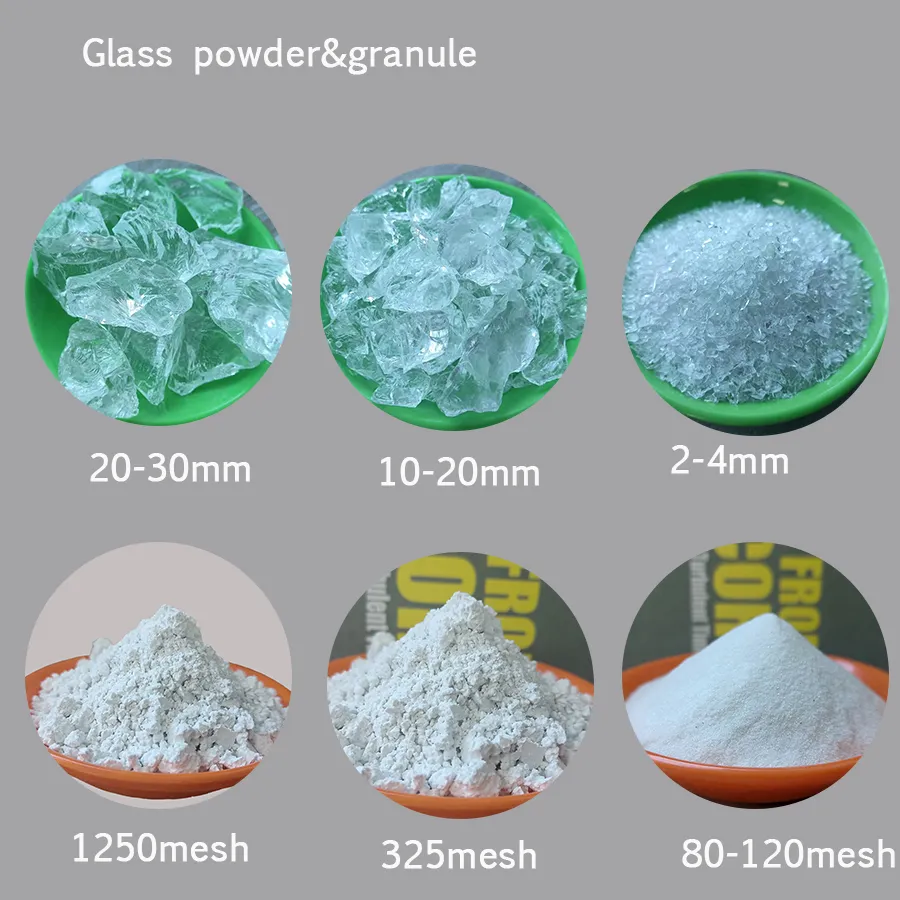
Quartz sand glass is made from high-purity glass silica sand, which consists mainly of silicon dioxide (SiO₂). Unlike common glass sand, which may contain impurities like iron, quartz sand glass is exceptionally clear and resistant to heat. This makes it suitable for high-end applications such as optical glass, laboratory equipment, and high-performance windows. The refinement of fused silica sand further enhances its properties by creating a material that is virtually free of crystalline structure, improving thermal shock resistance and mechanical strength.
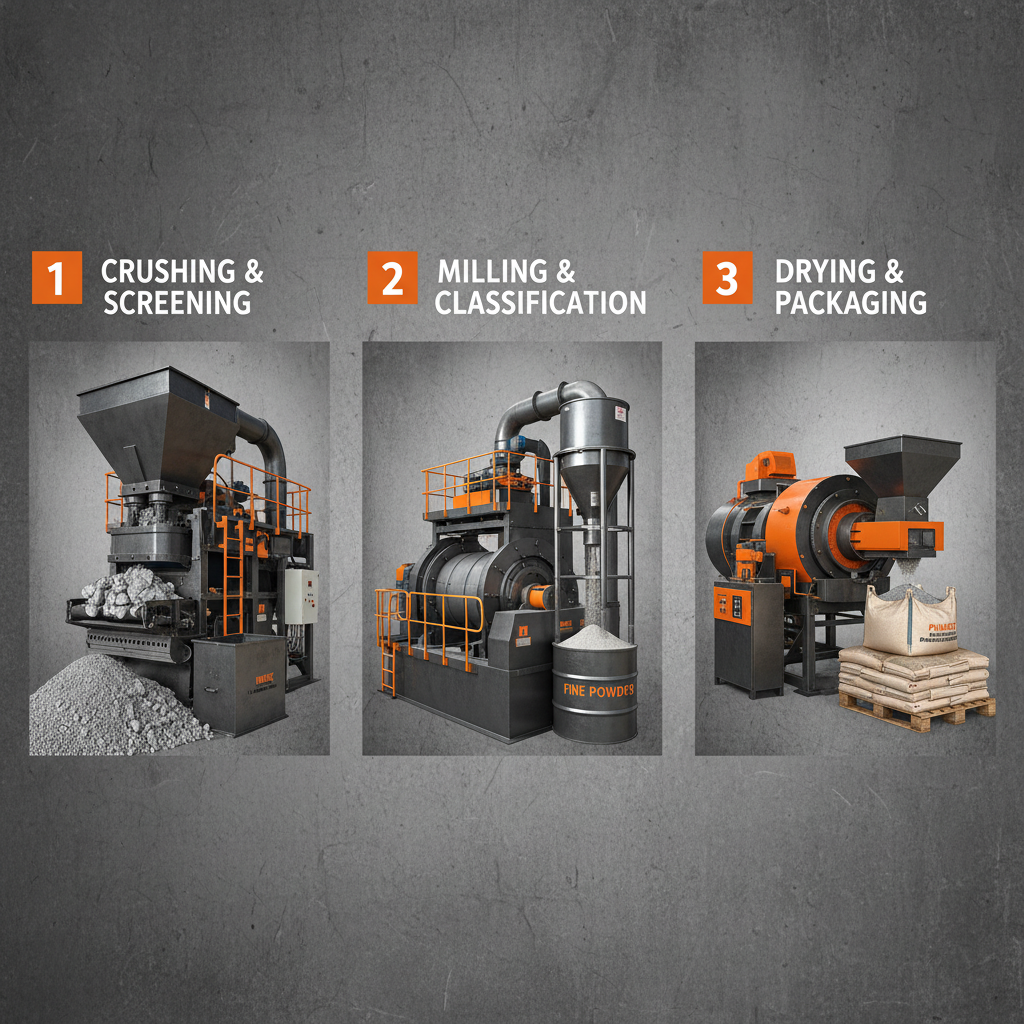
The production of glass of sand, particularly quartz sand glass, begins with mining natural quartz, crushing it into fine grains, and subjecting it to a purification process. This ensures that the final product is free of unwanted minerals, achieving the clarity and purity necessary for advanced manufacturing.
From Fused Sand to Fused Silica: Enhancing Glass Performance
One key innovation in the industry is the development of fused sand and fused silica sand. These materials are created by melting high-purity silica at extremely high temperatures and then rapidly cooling it. This process results in amorphous (non-crystalline) materials that are ideal for use in applications requiring extreme durability and stability.
Fused silica sand is commonly used in the manufacture of semiconductors, precision optics, and high-temperature crucibles. The combination of thermal resistance, chemical inertness, and low thermal expansion makes it indispensable in industries such as aerospace and electronics. Compared to traditional glass sand, fused sand products offer superior performance, particularly in demanding environments.
Glass Applications: From Hot Sands to Functional Art
The phrase hot sands glass describes the molten state of silica during the glass-making process, where glasses sand becomes a fluid, moldable substance. In this state, it can be shaped into a myriad of functional and decorative items. Artistic glassblowing, industrial sheet glass production, and container manufacturing all rely on this fundamental transition.
Moreover, glass of sand is also used in specialty glass products like fire-rated glass and chemically strengthened glass for smartphones. In these applications, the quality of the glass silica sand directly impacts the final product's durability and clarity. Manufacturers continue to develop methods to improve the transformation from sand to glass, ensuring higher performance and sustainability.
From the initial grain of glass sand to the finished pane of quartz sand glass, the journey is both scientific and artistic. By understanding the properties and processes behind fused sand, fused silica sand, and glass silica sand, we appreciate how this ancient material continues to shape our modern world. Whether it’s through hot sands glass used in artisanal creations or advanced glass of sand technologies used in electronics, the legacy of glass sand remains as clear and brilliant as the material itself.

Related News