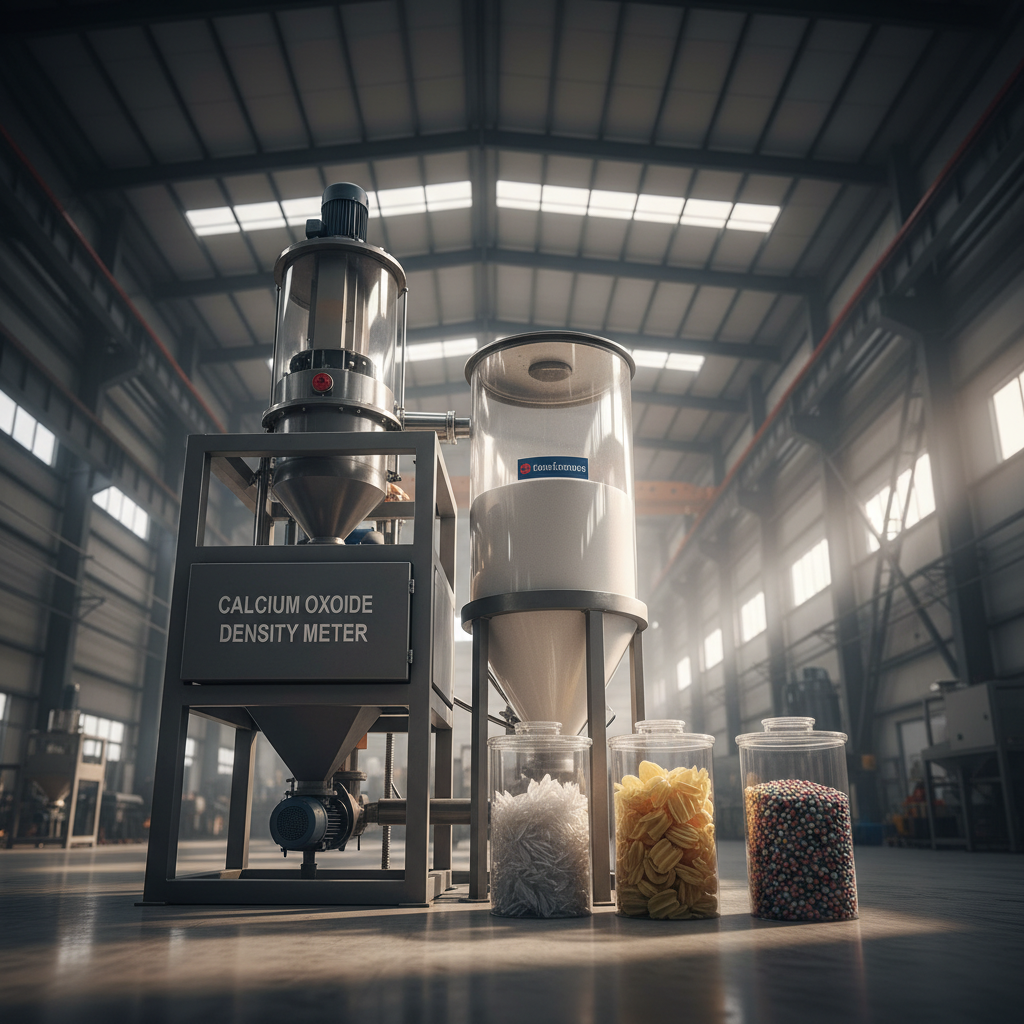
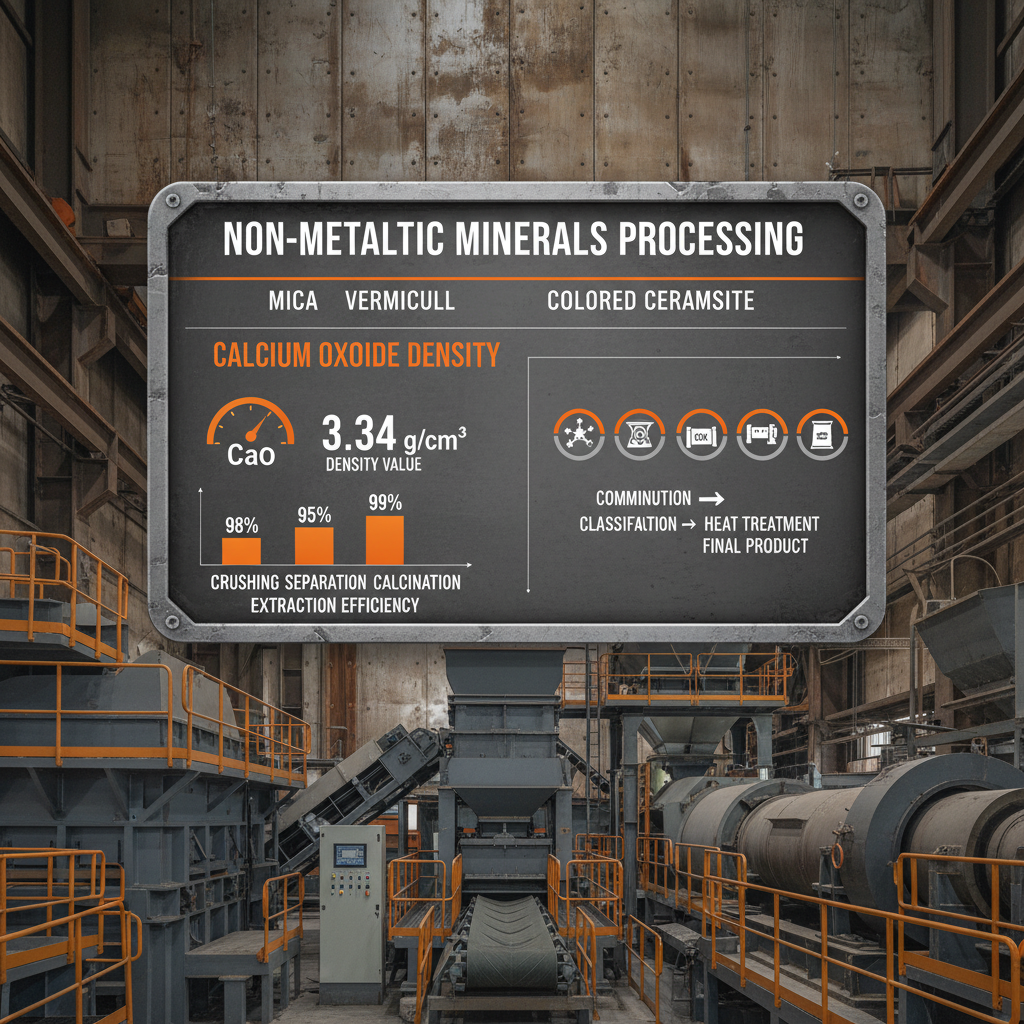
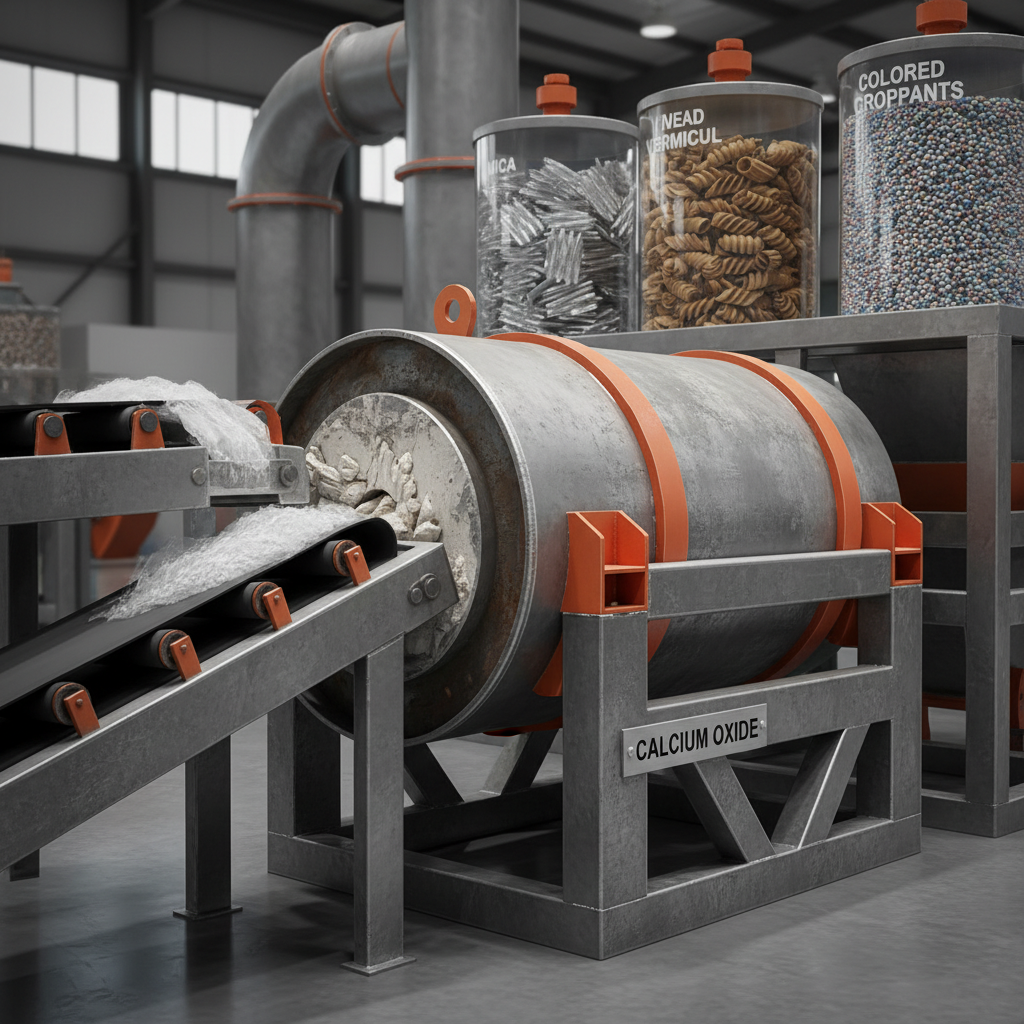
Understanding calcium oxide density is fundamental for engineers and procurement specialists across the global mining and manufacturing sectors. As a critical parameter, the density of calcium oxide (CaO) directly influences how the material is stored, transported, and reacted in high-temperature industrial processes, ensuring that volumetric calculations align with actual mass requirements.
From a global perspective, the precision of calcium oxide density measurements prevents costly logistical errors and enhances the efficiency of chemical dosing in water treatment and steel production. When the density fluctuates due to purity or porosity, it can lead to significant discrepancies in reactor loading, potentially compromising the safety and quality of the final industrial output.
By mastering the nuances of calcium oxide density, companies can optimize their supply chains and reduce waste. This guide provides a comprehensive analysis of the factors affecting this physical property, its practical applications in the non-metallic mineral industry, and the modern methodologies used to ensure consistency in high-grade oxide production.
Global Significance of Calcium Oxide Density
On a global scale, the standardization of calcium oxide density is essential for the seamless trade of mineral oxides. According to ISO standards for mineral characterization, knowing the exact density allows international buyers to calculate the shipping tonnage of bulk quicklime accurately, minimizing the risk of overloading vessels or under-utilizing container space in transcontinental logistics.
Furthermore, in heavy industries like metallurgy and glass manufacturing, the density of the reagent determines the flow rate through automated feeding systems. A variation in calcium oxide density can disrupt the stoichiometric balance of a furnace charge, leading to increased energy consumption and higher carbon emissions, which contradicts global sustainability goals.
Core Factors Influencing Density Variations
One of the primary drivers of calcium oxide density variation is the purity of the raw limestone feedstock. Impurities such as magnesium oxide, silica, and alumina alter the crystalline lattice and the overall mass of the mineral, shifting the density away from the theoretical 3.34 g/cm³ mark.
Calcination temperature and dwell time also play a pivotal role. High-temperature firing can increase the porosity of the material through excessive degassing of CO2, which effectively lowers the bulk calcium oxide density while potentially increasing its reactivity (surface area).
Finally, environmental moisture absorption can significantly impact measured values. Since calcium oxide is highly hygroscopic, it reacts with water vapor to form calcium hydroxide, a process that changes the chemical identity and the resulting calcium oxide density, often increasing the volume and decreasing the stability of the powder.
Industrial Application and Volumetric Efficiency
In the realm of industrial applications, calcium oxide density is a key metric for calculating the "filling factor" in chemical reactors. For instance, in the production of calcium carbide or in the purification of sugar, the amount of oxide required is calculated by weight, but fed by volume; thus, any deviation in density leads to incorrect dosing.
Moreover, the efficiency of waste treatment plants depends on the precise application of CaO for pH neutralization. By monitoring the calcium oxide density, operators can optimize the slurry concentration, ensuring that the reagent is distributed evenly without clogging the injection nozzles.
Comparison of Calcium Oxide Density by Processing Method
Strategic Advantages of Density Control
Maintaining a consistent calcium oxide density provides a significant competitive advantage in terms of cost reduction. When density is controlled, companies can reduce shipping costs by optimizing the mass-to-volume ratio, ensuring that every cubic meter of transport space is utilized to its maximum potential without exceeding weight limits.
From a quality assurance perspective, density stability acts as a proxy for purity. A sudden shift in the measured calcium oxide density often alerts quality control teams to issues in the calcination kiln or contamination in the raw material stream, allowing for rapid corrective action before a batch of product is wasted.
Future Innovations in Oxide Characterization
The future of monitoring calcium oxide density lies in the integration of real-time sensor technology. In-line laser diffraction and X-ray fluorescence (XRF) are being developed to measure the bulk density of CaO as it moves along a conveyor belt, eliminating the need for manual sampling and laboratory delays.
Digital twins are also playing a role, where AI models simulate the calcium oxide density based on the temperature and pressure profiles of the kiln. This predictive capability allows manufacturers to adjust kiln settings in real-time to hit a target density, optimizing the material for specific client needs, such as high-reactivity pellets or high-density powder.
Furthermore, the shift toward "Green Lime" production focuses on carbon capture. New methods of producing calcium oxide through electrochemical processes may lead to materials with entirely different calcium oxide density profiles, requiring a complete re-evaluation of existing storage and transport infrastructure.
Challenges in Measuring Precise Density
One of the most persistent challenges in determining calcium oxide density is the material's extreme reactivity. During the measurement process, especially when using liquid displacement methods, the CaO reacts with the medium, causing foaming and volume expansion that skews the results.
Another difficulty is the "packing effect." The calcium oxide density can vary significantly depending on whether the powder is "loose" or "tapped." This variance often leads to disputes between suppliers and buyers regarding the actual volume delivered versus the weight recorded.
To overcome these hurdles, industry experts recommend using gas pycnometry. This method uses an inert gas like helium to measure the true calcium oxide density, bypassing the reactivity issues associated with liquids and providing a consistent value regardless of the particle arrangement.
Analysis of Calcium Oxide Density Measurement Methods and Accuracy
| Measurement Method |
Target Density Type |
Accuracy Rating (1-10) |
Industrial Suitability |
| Gas Pycnometry |
True Density |
10 |
Laboratory Standard |
| Tapped Volume Test |
Bulk Density |
7 |
Logistics Planning |
| Liquid Displacement |
Approximate Density |
4 |
Not Recommended |
| In-line Laser Sensors |
Real-time Bulk Density |
8 |
Production Line |
| Geometric Calculation |
Apparent Density |
6 |
Quick Estimation |
| X-ray Diffraction |
Crystalline Density |
9 |
R&D Analysis |
FAQS
The theoretical density of pure crystalline calcium oxide is approximately 3.34 g/cm³. However, it is important to note that in industrial applications, the bulk density is usually much lower (often between 0.5 and 1.2 g/cm³) due to the presence of air gaps between particles and the porous nature of the calcined material.
Calcium oxide is highly hygroscopic. When it absorbs moisture, it converts to calcium hydroxide [Ca(OH)2]. This chemical reaction increases the volume of the material and changes its mass, which significantly alters the measured density. This is why samples must be kept in airtight containers before density testing.
True density tells you the mass of the actual mineral, but bulk density tells you how much space the material occupies. For shipping, bulk density is the critical value; using true density would lead to underestimating the required container size, resulting in logistical failures and overflow.
Gas pycnometry is widely considered the most accurate method. Unlike liquid displacement, which causes a violent reaction with CaO, helium gas can penetrate the smallest pores without reacting chemically, providing the most precise measurement of the true skeletal density.
Yes. The presence of impurities like MgO (magnesium oxide) or SiO2 (silica) changes the average atomic mass and the crystal structure of the product. High-purity CaO will be closer to the theoretical 3.34 g/cm³, while low-grade oxides will show noticeable deviations.
Consistency can be achieved by controlling the calcination temperature and the particle size distribution. Implementing in-line density sensors and maintaining a strict quality control protocol for the raw limestone feedstock are the most effective ways to stabilize the output.
Conclusion
In summary, calcium oxide density is more than just a physical constant; it is a critical operational variable that impacts every stage of the mineral's lifecycle, from kiln production and international logistics to its final chemical reaction in an industrial reactor. By distinguishing between true and bulk density and accounting for factors like purity and moisture, manufacturers can ensure higher precision, lower waste, and improved safety.
Looking forward, the adoption of real-time sensing and AI-driven predictive modeling will likely standardize calcium oxide density control, enabling a more sustainable and efficient non-metallic mineral industry. For companies seeking to optimize their mineral procurement and technical specifications, prioritizing density accuracy is a strategic step toward operational excellence. Visit our website: www.baifengmining.com