Calcium oxide, commonly known as quicklime, is a cornerstone material in countless industries, from construction and agriculture to water treatment and steelmaking. Its production and utilization have a global impact, underpinning critical infrastructure and essential processes. Understanding the source of calcium oxide – where it comes from, how it’s made, and its various forms – is vital for engineers, project managers, and anyone involved in material sourcing and application. It's not just about the chemistry; it's about reliable supply chains, consistent quality, and adapting to evolving industry demands. A disruption in the source of calcium oxide quickly ripples through multiple sectors, making its availability a matter of global economic stability.
The demand for high-quality calcium oxide continues to grow, driven by expanding infrastructure projects in developing nations and increasing environmental regulations demanding efficient water and waste treatment solutions. This isn’t a theoretical concern; I've seen projects delayed for weeks because a supplier couldn't guarantee the purity of the lime. We’re talking about millions of dollars lost, and reputations damaged. The challenge lies in balancing increasing demand with sustainable sourcing practices and maintaining consistent product quality. source of calcium oxide needs to be both affordable and environmentally responsible.
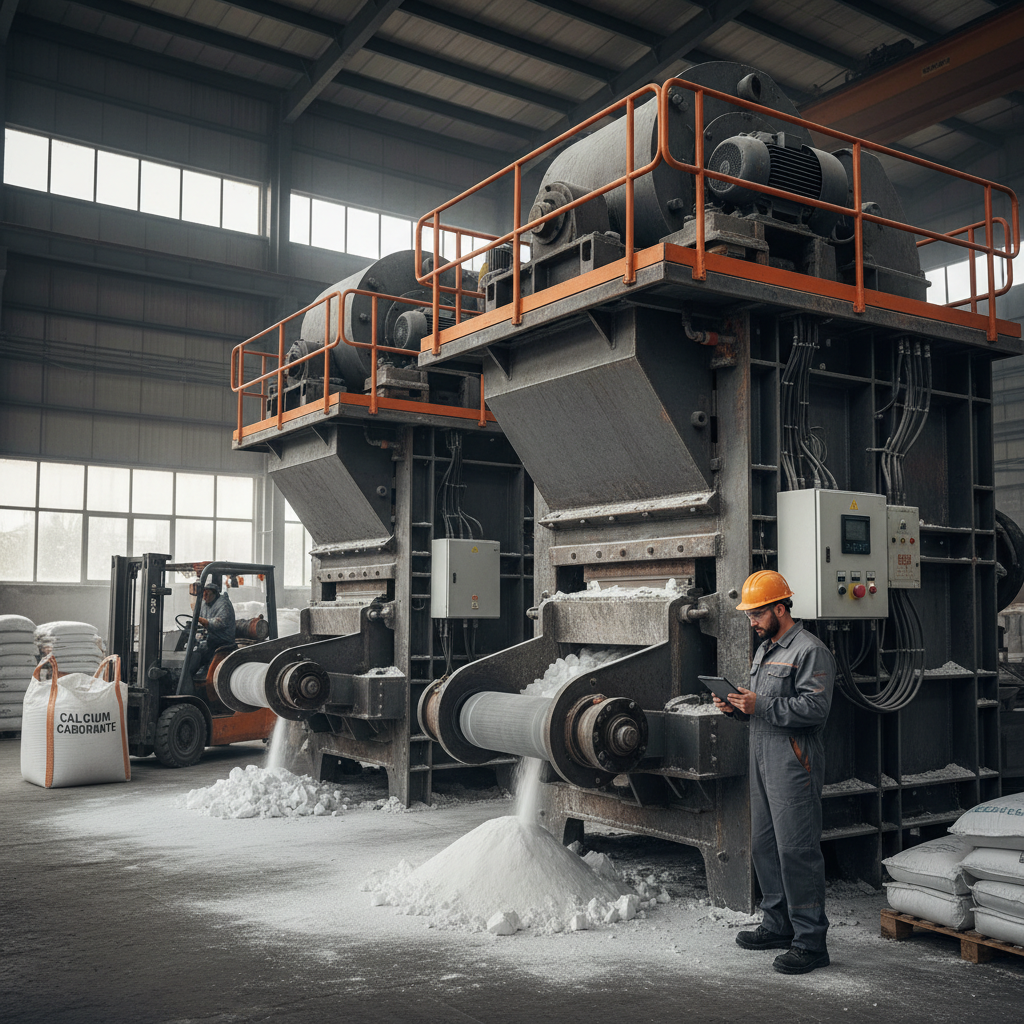
Essentially, calcium oxide is produced by the thermal decomposition of limestone (calcium carbonate) in a kiln. It's a deceptively simple process, but the quality of the final product is heavily influenced by the source of the limestone, the kiln technology employed, and the precise control of the heating process. This isn’t some lab experiment; I've spent countless hours in dusty kilns, watching this happen. It’s a dirty, energy-intensive process, and the industry is under increasing pressure to reduce its carbon footprint.
The Foundation of Calcium Oxide: Source and Production
The primary source of calcium oxide is limestone – sedimentary rock composed largely of calcium carbonate (CaCO3). But not all limestone is created equal. The purity, mineral composition, and geological origin of the limestone significantly impact the quality of the resulting calcium oxide. We're talking about everything from trace amounts of magnesium to the presence of silica – these impurities affect the reactivity and performance of the lime in various applications. I've seen entire batches rejected because the limestone wasn’t up to spec.
The production process itself is fairly straightforward – heating the limestone to high temperatures (typically above 900°C) in a kiln causes it to decompose into calcium oxide (quicklime) and carbon dioxide. However, controlling this process is crucial. Temperature fluctuations, heating rates, and kiln atmosphere all affect the properties of the final product. That’s why experienced kiln operators are worth their weight in gold.
Global Limestone Resources: Identifying Key Sources
Limestone reserves are widely distributed across the globe, but some regions boast particularly abundant and high-quality deposits. The United States, China, India, and Russia are major producers, along with many countries in Europe. The specific geological formations in these areas lead to limestone with varying characteristics. For example, the limestone in Florida is known for its high purity, making it ideal for certain applications. China’s reserves are vast but often require more processing to achieve desired purity levels.
Geopolitical factors and transportation costs play a significant role in determining the source of calcium oxide for a particular project. Shipping limestone long distances adds to the cost and carbon footprint, so companies often prioritize local sources whenever possible. This is where understanding regional geology and supply chains becomes critical.
I’ve spent weeks negotiating with suppliers in different countries, mapping out logistical challenges, and assessing the reliability of their operations. It’s not just about finding the cheapest price; it’s about ensuring a consistent supply of high-quality material when and where you need it.
Kiln Technologies and Production Methods
Various kiln technologies are used to produce calcium oxide, each with its own advantages and disadvantages. Vertical shaft kilns are relatively simple and inexpensive, but they tend to produce lime with lower reactivity. Rotary kilns offer better control over the heating process and produce higher-quality lime, but they are more complex and energy-intensive. Fluidized bed reactors are a more recent development, offering high efficiency and precise control.
The choice of kiln technology depends on factors such as the scale of production, the desired lime quality, and environmental regulations. There's a lot of debate about the best approach. I've seen companies invest heavily in new kiln technologies to improve efficiency and reduce emissions, while others stick with older, more proven methods. It’s a balancing act between cost, performance, and sustainability.
Beyond the kiln itself, the entire production process – from quarrying the limestone to handling the finished lime – requires careful planning and execution. Dust control, energy recovery, and waste management are all essential considerations. It's not just about making lime; it's about doing it responsibly.
Quality Control and Purity Standards for Calcium Oxide
Maintaining consistent quality is paramount. Calcium oxide is used in critical applications where even small impurities can have significant consequences. For instance, in steelmaking, impurities can affect the quality of the steel. In water treatment, they can interfere with the purification process. That’s why rigorous quality control procedures are essential.
Standard tests are used to determine the chemical composition, reactivity, and physical properties of the lime. These tests include chemical analysis, X-ray diffraction, and particle size analysis. Industry standards, such as those set by ASTM International, provide guidelines for acceptable purity levels and performance characteristics.
Calcium Oxide Quality Parameters
Applications Across Industries: From Construction to Environmental Remediation
The versatility of calcium oxide is remarkable. In construction, it’s a key ingredient in cement, mortar, and plaster. It’s used for soil stabilization, reducing plasticity and increasing load-bearing capacity. I’ve seen it used to build everything from roads to skyscrapers. In agriculture, it's used to adjust soil pH, providing essential nutrients for plant growth.
Beyond these traditional applications, calcium oxide plays a crucial role in environmental remediation. It’s used to neutralize acidic wastewater, treat industrial effluents, and stabilize hazardous waste. It’s also becoming increasingly important in carbon capture and storage technologies.
Advantages and Long-Term Value Proposition
The economic benefits of using calcium oxide are significant. It's a relatively inexpensive material, and its wide range of applications makes it a cost-effective solution for many projects. But the value proposition goes beyond cost. It also offers environmental benefits, such as reduced carbon emissions and improved waste management.
From a sustainability standpoint, utilizing locally sourced lime reduces transportation costs and supports regional economies. The reliability of the supply chain, coupled with its versatility, makes calcium oxide a strategic material for long-term infrastructure planning and industrial operations.
I’ve always said, investing in quality materials upfront saves you headaches – and money – down the line. Calcium oxide is a prime example of that principle.
Future Trends and Sustainable Sourcing
The future of calcium oxide production lies in sustainability. The industry is facing increasing pressure to reduce its carbon footprint and minimize its environmental impact. This is driving innovation in kiln technologies, alternative fuels, and carbon capture systems. We're seeing more companies explore the use of renewable energy sources to power their kilns.
Another trend is the development of new applications for calcium oxide, particularly in the field of environmental remediation. Researchers are exploring its use in soil decontamination, wastewater treatment, and carbon sequestration. There is also increasing focus on utilizing industrial by-products as alternative sources of calcium carbonate, reducing reliance on virgin limestone.
Digitalization and automation are also transforming the industry, enabling better process control, improved efficiency, and enhanced quality monitoring. This isn’t just about fancy gadgets; it's about optimizing operations and ensuring a consistent supply of high-quality material.
Analysis of Factors Influencing the Sustainability of Calcium Oxide Production
| Energy Source |
Carbon Capture Integration |
Waste Heat Recovery |
Limestone Purity |
| Fossil Fuels |
Not Implemented |
Low |
Moderate Impurities |
| Natural Gas |
Partial Implementation |
Medium |
High Purity |
| Biomass |
Planned Implementation |
High |
Moderate Purity |
| Renewable Electricity |
Fully Implemented |
Very High |
Very High Purity |
| Coal |
Not Implemented |
Low |
Low Purity |
| Hybrid (Gas & Biomass) |
Partial Implementation |
Medium-High |
High Purity |
FAQS
Several key elements determine the price of calcium oxide. These include the cost of limestone quarrying, energy expenses for kiln operation (fuel or electricity), transportation distances, and any necessary pre-processing or purification steps. Regional supply and demand also play a significant role. As someone who’s negotiated deals for years, I can tell you that energy costs are increasingly becoming a major driver of price fluctuations.
The limestone's purity directly affects the calcium oxide’s reactivity and performance. Impurities like magnesium, silica, and alumina can lower the CaO content and introduce unwanted byproducts. Higher purity limestone yields higher-quality lime, suitable for more demanding applications. Trust me, you get what you pay for when it comes to limestone - cutting corners can lead to costly issues later on.
Calcium oxide production is energy intensive and releases CO2 during limestone decomposition. Dust generation during quarrying and handling is also a concern. However, advancements in kiln technology, carbon capture techniques, and the use of alternative fuels are helping to mitigate these impacts. The industry is under increasing pressure to adopt sustainable practices.
Calcium oxide is highly caustic and reacts vigorously with water, generating heat and potentially causing burns. Proper personal protective equipment (PPE), including gloves, goggles, and respirators, is essential. Avoid contact with skin and eyes. Always add lime to water slowly, never the other way around, to prevent splattering. Safety training is crucial for anyone handling this material.
Calcium oxide is used in wastewater treatment to adjust pH, neutralize acidic effluents, and precipitate out heavy metals. It can also help remove phosphorus and other contaminants. Its reactivity and effectiveness make it a valuable tool for ensuring water quality and protecting the environment. I’ve seen it used effectively in both municipal and industrial wastewater treatment plants.
Beyond traditional uses, calcium oxide is gaining traction in areas like carbon capture and storage, advanced materials development (e.g., geopolymers), and even as a component in certain types of batteries. Ongoing research is exploring its potential in various green technologies, offering promising avenues for its future application. It’s a versatile material, and we’re only beginning to scratch the surface of its possibilities.
Conclusion
Understanding the source of calcium oxide – from the geology of limestone deposits to the intricacies of kiln technology – is critical for anyone involved in industries reliant on this essential material. The quality, cost, and sustainability of calcium oxide production are all interconnected, influencing everything from construction projects to environmental remediation efforts. We’ve come a long way in optimizing production, but continuous innovation and a commitment to responsible sourcing are paramount.
Looking ahead, the industry must prioritize sustainable practices, invest in carbon capture technologies, and explore alternative fuel sources to minimize its environmental footprint. Embracing digitalization and automation will further enhance efficiency and quality control. source of calcium oxide is not simply a commodity; it’s a foundational element of modern infrastructure and a key component in building a more sustainable future.