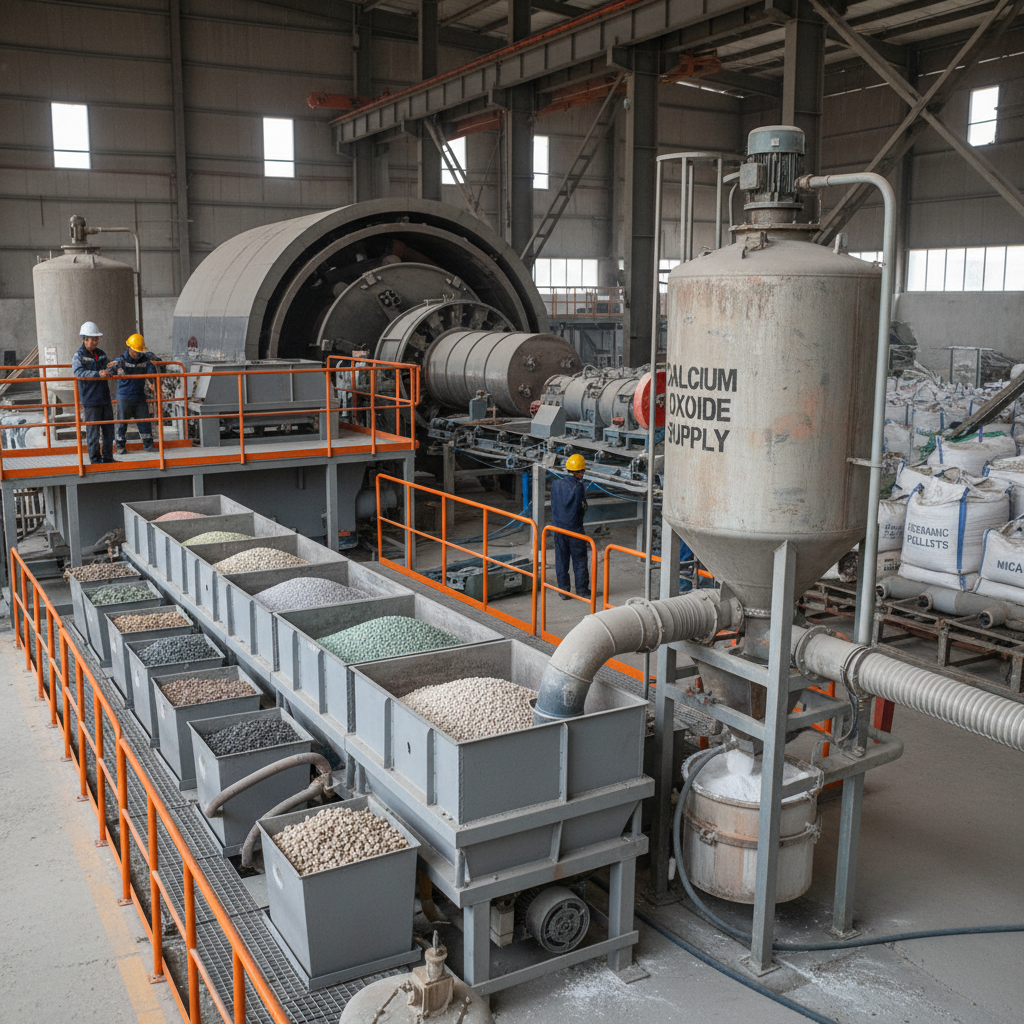
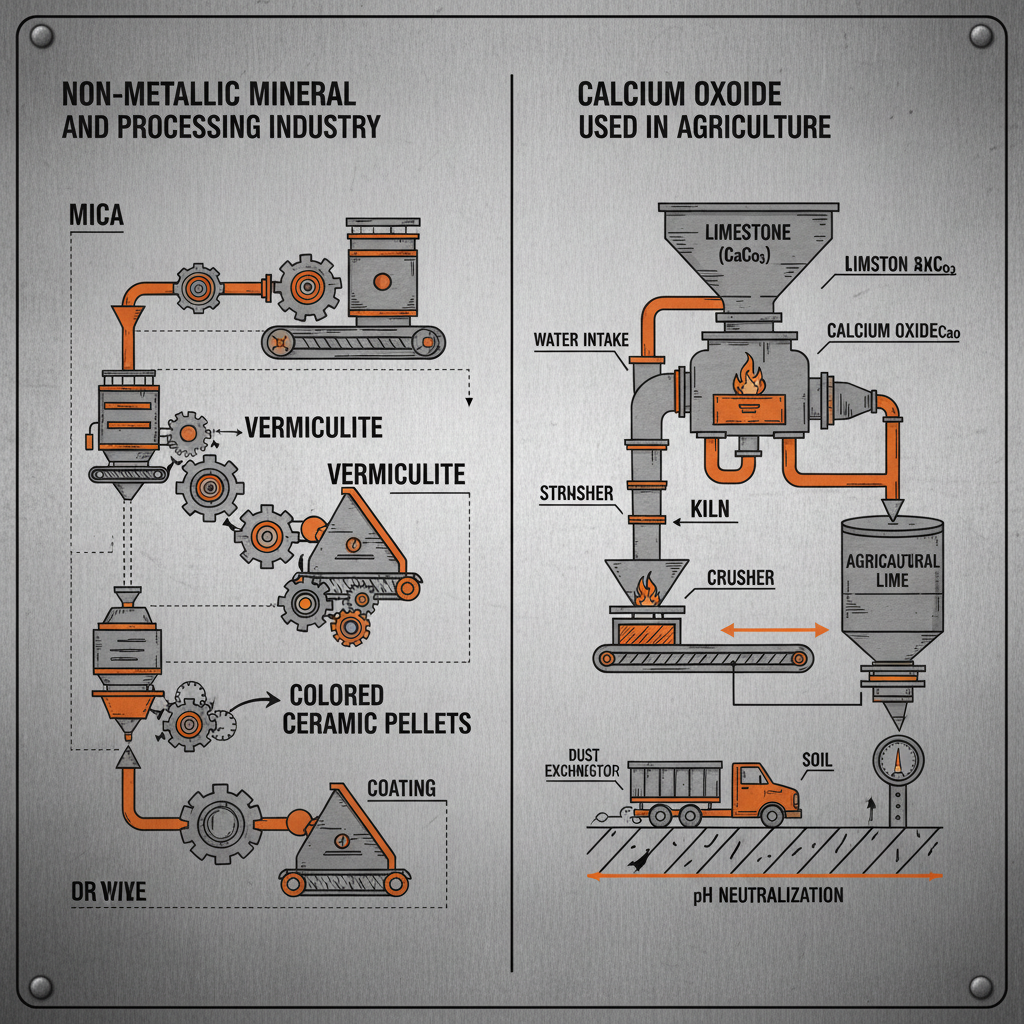
Calcium oxide, commonly known as quicklime or burnt lime, is a versatile chemical compound with a wide range of applications across numerous industries. Understanding what is calcium oxide used for is crucial, given its pivotal role in construction, environmental control, manufacturing, and even agriculture. Its production, primarily through the thermal decomposition of limestone, is a significant aspect of the non-metallic mineral processing industry, impacting global supply chains and sustainable practices. The economic importance of calcium oxide is substantial, driving innovation and efficiency in various sectors.
Globally, the demand for calcium oxide continues to rise, fueled by infrastructure development in emerging economies and increasing environmental regulations necessitating its use in pollution control. According to recent data from the World Bank, construction activity is projected to grow significantly in Asia and Africa, leading to increased demand for lime-based building materials. Simultaneously, stricter emission standards in developed nations are boosting the use of calcium oxide in flue gas desulfurization. This dual demand underscores the strategic importance of efficient and sustainable calcium oxide production.
The increasing focus on sustainability also drives the need to understand what is calcium oxide used for in environmentally friendly applications. From wastewater treatment to soil stabilization, its properties offer viable solutions to pressing environmental challenges. Therefore, a comprehensive understanding of its properties and applications is not just a matter of industrial interest, but also of global responsibility.
Introduction to what is calcium oxide used for
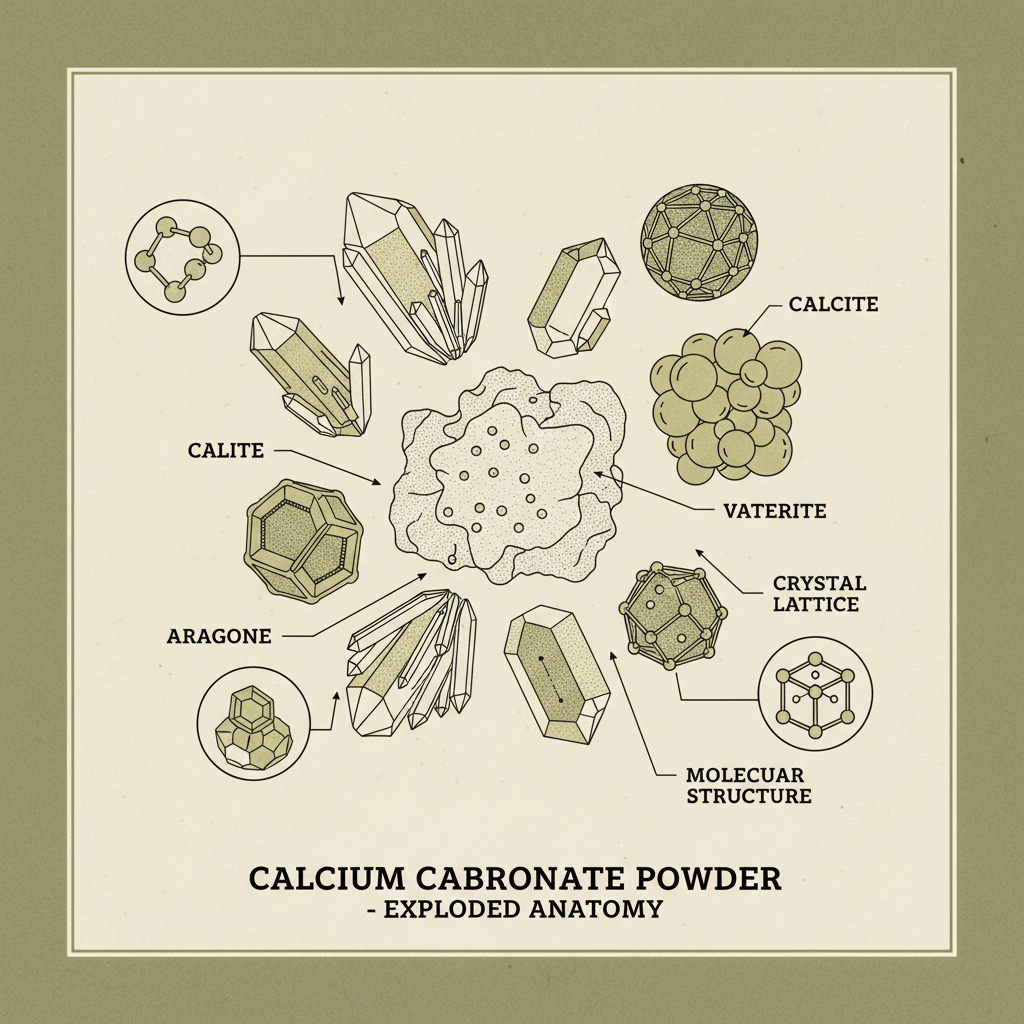
Calcium oxide (CaO) is a white, caustic, alkaline crystalline solid at room temperature. Its production involves heating limestone (calcium carbonate) to high temperatures, driving off carbon dioxide. Understanding what is calcium oxide used for begins with recognizing its reactivity; it readily reacts with water, releasing significant heat – a property exploited in numerous industrial processes. This reactivity makes it incredibly valuable, but also necessitates careful handling and storage.
The significance of calcium oxide extends far beyond its chemical formula. It’s a foundational material in various critical sectors, underpinning the modern world. Its ability to act as a flux, a dehydrating agent, and a pH adjuster makes it essential in everything from steel production to water treatment. This widespread usage highlights its economic and strategic importance on a global scale.
Defining Calcium Oxide
At its core, what is calcium oxide used for is determined by its chemical properties. It’s an oxide of calcium, formed through the calcination of calcium carbonate. This process involves heating limestone or chalk to temperatures above 825°C (1517°F). The resulting quicklime is a highly reactive substance, prone to slaking—reacting vigorously with water to form calcium hydroxide, also known as slaked lime or hydrated lime.
The relationship between calcium oxide and calcium hydroxide is central to its applications. While calcium oxide is used for processes requiring a highly alkaline and reactive substance, calcium hydroxide is more stable and suitable for applications like mortar and plaster. Both forms are critical in construction, providing strength, durability, and binding properties.
Fundamentally, calcium oxide represents a crucial link between natural resources and industrial applications, transforming readily available limestone into a versatile chemical building block. Its definition isn't merely chemical; it’s intertwined with the history of human civilization and our ability to build and improve our surroundings.
Key Properties of Calcium Oxide
One of the most defining aspects of what is calcium oxide used for is its high melting point (2,572 °C / 4,662 °F). This allows its use in high-temperature processes like steelmaking, where it acts as a flux to remove impurities. Its strong alkalinity also makes it an effective neutralizer, essential in treating acidic wastewater and industrial emissions.
Another critical property is its hygroscopic nature – its ability to absorb moisture from the air. While this can cause issues if not properly stored, it's also harnessed in applications like desiccants and drying agents. Understanding and controlling this property is vital for optimizing what is calcium oxide used for across diverse applications.
Finally, the exothermic reaction with water, generating significant heat, is fundamental to many of its uses, from cement production to chemical synthesis. This reaction not only provides energy but also drives the formation of calcium hydroxide, altering the material's properties for specific applications.
Global Applications and Industries
The breadth of what is calcium oxide used for is remarkable. In the construction industry, it's a key component of cement, mortar, and plaster, providing strength and durability to buildings and infrastructure. It's also widely used in soil stabilization, improving the bearing capacity of land for construction projects.
Beyond construction, calcium oxide plays a vital role in environmental protection. It’s used in flue gas desulfurization to remove sulfur dioxide from power plant emissions, mitigating acid rain. It’s also used in wastewater treatment to neutralize acidic pollutants and precipitate heavy metals. These applications are particularly important in regions with stringent environmental regulations.
Industrially, calcium oxide finds applications in steelmaking, pulp and paper production, and the manufacturing of various chemicals. In agriculture, it's used to adjust soil pH, providing optimal conditions for crop growth. Across industries worldwide, its versatility and effectiveness continue to drive its demand.
Application Breakdown of what is calcium oxide used for
Advantages and Long-Term Benefits
The enduring appeal of what is calcium oxide used for lies in its cost-effectiveness and versatility. Compared to alternative materials, it often offers a more economical solution without compromising performance. This is particularly important in large-scale projects like infrastructure development.
From a sustainability perspective, calcium oxide offers benefits. Its production can be optimized to reduce energy consumption and carbon emissions, and its use in environmental applications contributes to pollution control. Furthermore, utilizing locally sourced limestone reduces transportation costs and environmental impact.
Future Trends and Innovations
Research is ongoing to explore new applications for what is calcium oxide used for, particularly in carbon capture and storage technologies. Its ability to react with carbon dioxide offers potential solutions for mitigating climate change.
Furthermore, advancements in nanotechnology are enabling the development of modified calcium oxide materials with enhanced properties, expanding their potential in areas like biomedical engineering and advanced materials science. Digitalization and automation of production processes will also improve efficiency and quality control.
The integration of circular economy principles, promoting the reuse and recycling of calcium oxide-based materials, is also gaining traction. This approach minimizes waste and reduces the demand for virgin resources, contributing to a more sustainable future.
Challenges and Solutions
A key challenge associated with what is calcium oxide used for is its reactivity with water, which can lead to handling and storage difficulties. Proper packaging and moisture control are crucial to maintain its quality and prevent unwanted reactions.
Another concern is the energy intensity of its production. Innovative kiln designs and the use of alternative fuels can help reduce energy consumption and minimize carbon emissions. Exploring renewable energy sources for the calcination process is also a promising avenue.
Finally, dust generation during handling can pose health hazards. Implementing dust control measures, such as enclosed systems and personal protective equipment, is essential to ensure worker safety.
Summary of Challenges and Solutions for what is calcium oxide used for
| Challenge |
Impact on what is calcium oxide used for |
Proposed Solution |
Implementation Cost (1-10) |
| Reactivity with Moisture |
Reduced product quality & handling issues |
Moisture-proof packaging & storage |
3 |
| High Energy Consumption |
Increased carbon footprint & production costs |
Optimize kiln designs & use alternative fuels |
7 |
| Dust Generation |
Worker health risks & environmental pollution |
Enclosed handling systems & PPE |
4 |
| Transportation Costs |
Increased overall project expense |
Local sourcing of limestone |
5 |
| Quality Control |
Inconsistent product performance |
Automated monitoring & analysis |
6 |
| Regulatory Compliance |
Potential fines & operational limitations |
Adherence to environmental standards & permitting |
8 |
FAQS
The main environmental concern is carbon dioxide emissions from the calcination process. Additionally, dust generation can cause air pollution. Responsible producers are investing in carbon capture technologies, optimized kiln designs, and robust dust control measures to mitigate these impacts. Proper site selection and waste management are also critical for minimizing environmental footprint. These steps are crucial for sustainably utilizing what is calcium oxide used for.
Calcium oxide is highly reactive with water and can cause severe burns upon contact with skin or eyes. Always wear appropriate personal protective equipment (PPE), including gloves, goggles, and a dust mask. Avoid breathing in dust and ensure adequate ventilation. In case of contact, immediately flush with plenty of water and seek medical attention. Proper training is essential for all personnel handling what is calcium oxide used for.
Yes, calcium oxide can be recycled or reused in various applications. Recycled concrete containing calcium oxide can be used as aggregate in new construction. Slaked lime (calcium hydroxide) can be re-calcined to produce calcium oxide. Exploring and implementing circular economy principles for what is calcium oxide used for is increasingly important for sustainable resource management.
Calcium oxide (quicklime) is produced by heating limestone, while calcium hydroxide (slaked lime) is formed by reacting calcium oxide with water. Calcium oxide is highly reactive and caustic, whereas calcium hydroxide is more stable and less corrosive. The choice between the two depends on the specific application, reflecting the varied uses of what is calcium oxide used for.
Calcium oxide is used in water treatment to adjust pH levels, removing impurities, and softening water. It neutralizes acidic contaminants and precipitates heavy metals, making the water safe for consumption and discharge. The effectiveness of what is calcium oxide used for in this process makes it a vital part of many water purification systems.
Emerging applications include carbon capture and storage, where calcium oxide reacts with CO2 to form stable carbonates. Nanotechnology is leveraging calcium oxide for advanced materials with enhanced properties. Additionally, research is exploring its use in energy storage and biomedical applications. These demonstrate the continued innovation surrounding what is calcium oxide used for.
Conclusion
In conclusion, what is calcium oxide used for spans a vast array of industries and applications, from fundamental construction to cutting-edge environmental technologies. Its unique chemical properties, combined with its cost-effectiveness and availability, make it an indispensable material in modern society. Understanding its advantages and addressing its challenges are crucial for ensuring its sustainable and responsible use.
Looking ahead, continued innovation in production processes, exploration of new applications, and adherence to circular economy principles will be key to maximizing the long-term benefits of calcium oxide. We encourage you to learn more about our products and solutions related to calcium oxide by visiting our website: www.baifengmining.com.