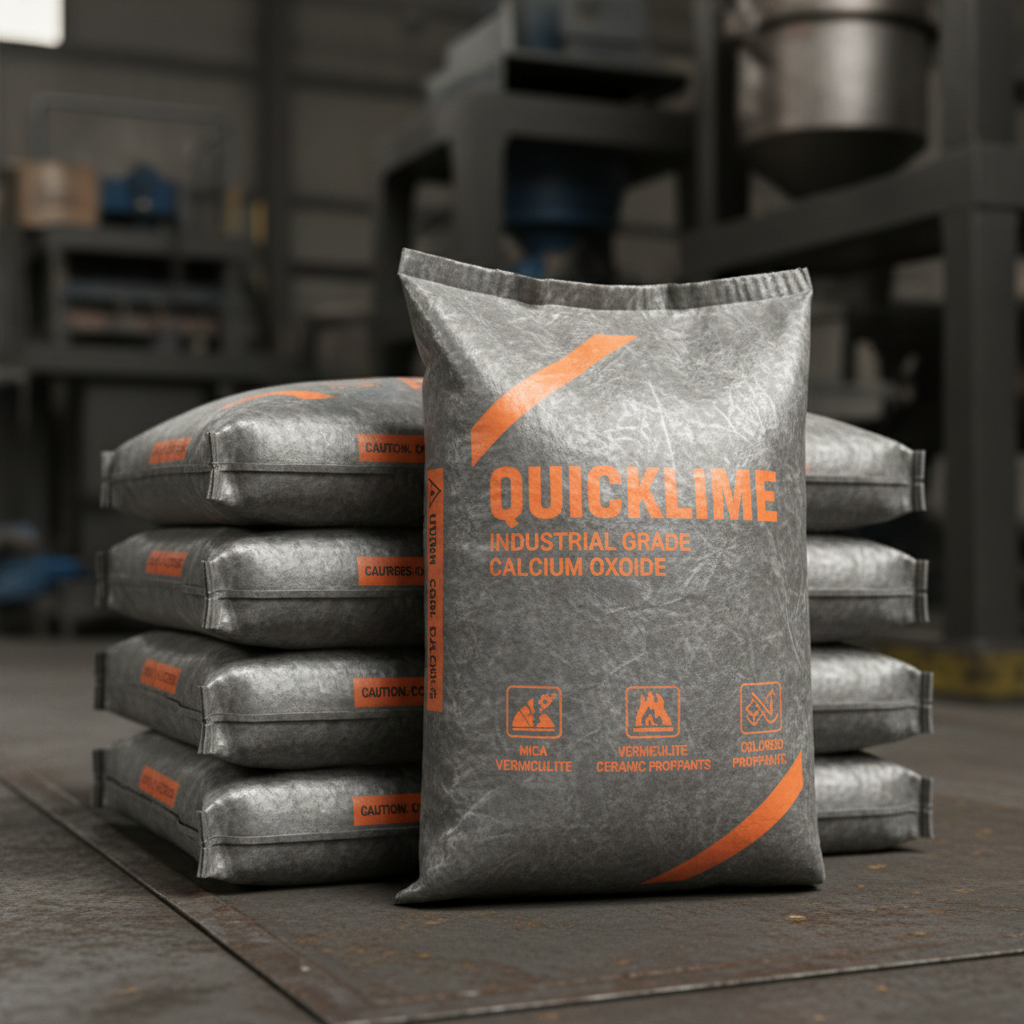
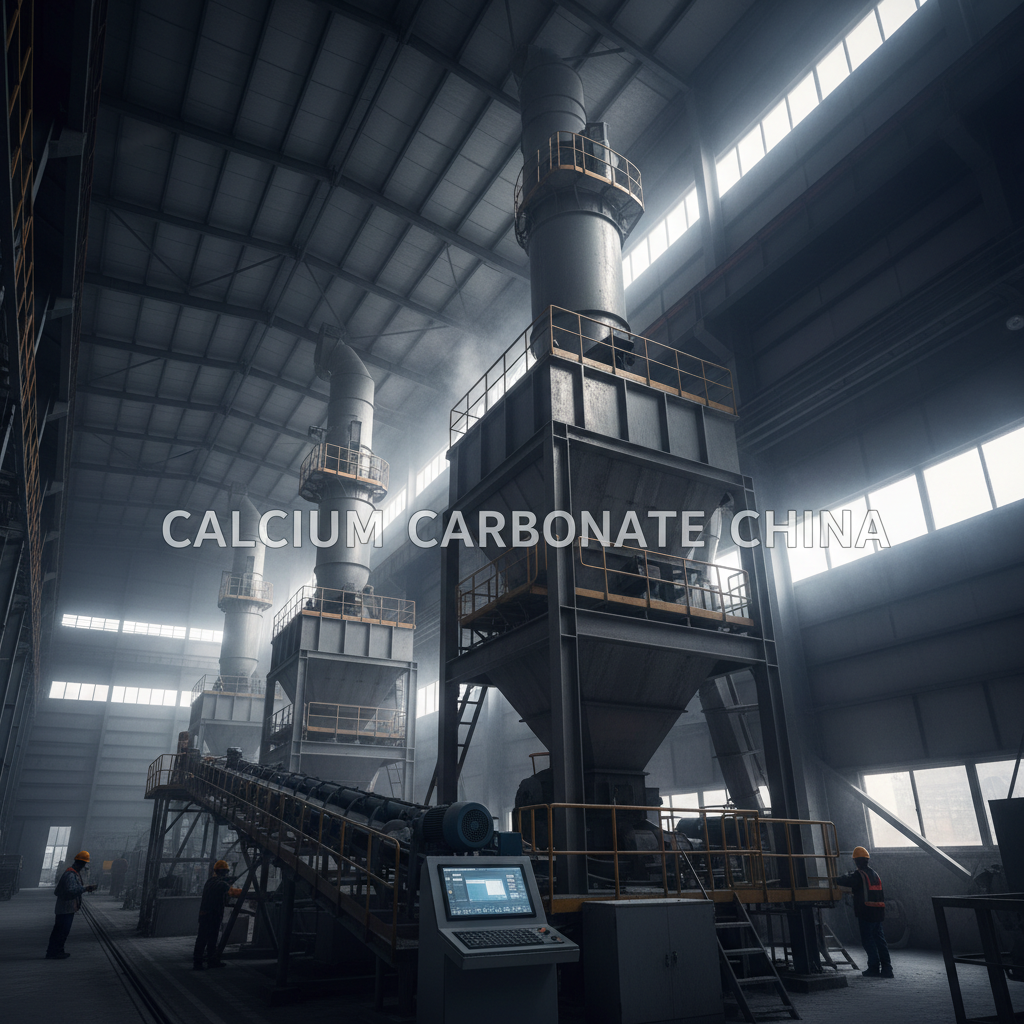
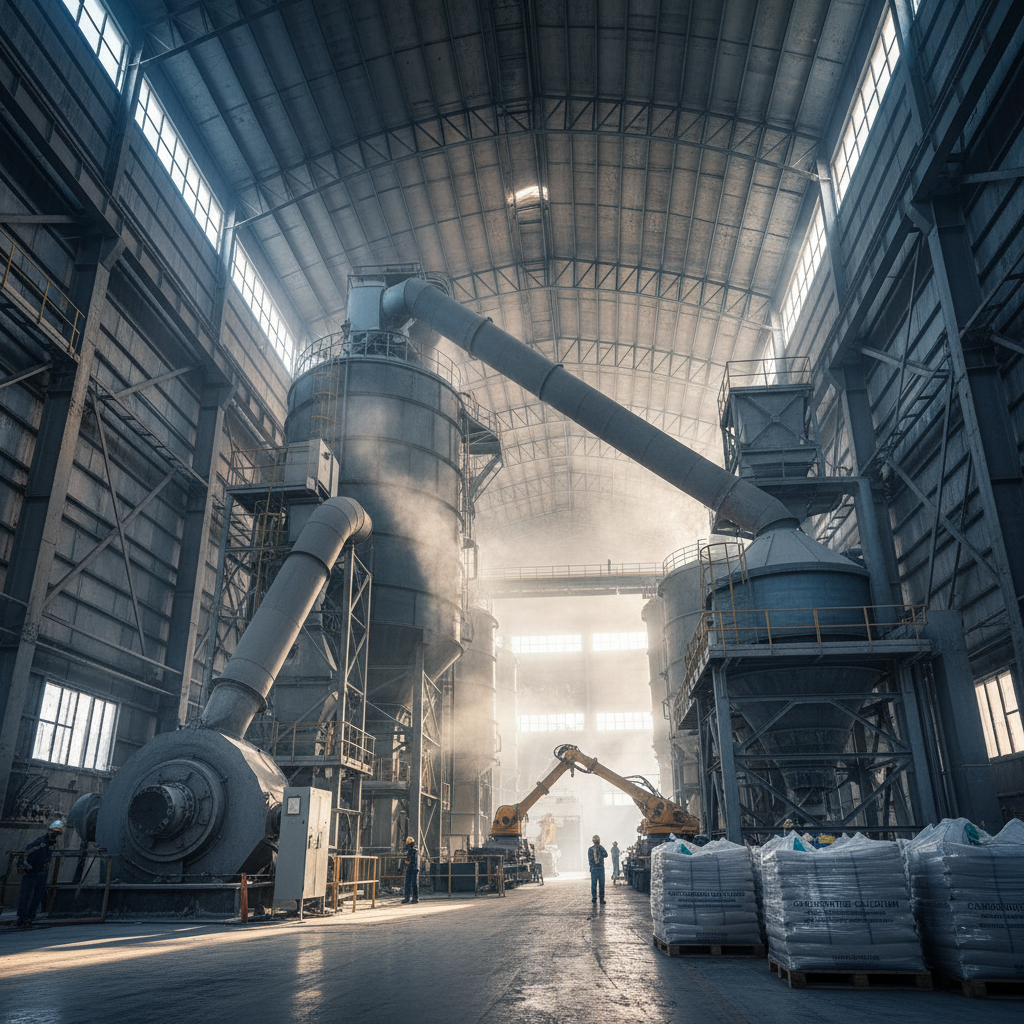
quicklime is a foundational material, and having spent years on construction sites, I can tell you it's more than just a commodity. It’s the unsung hero in everything from stabilizing soil for roadbeds to being a critical component in steel manufacturing. We're talking about a substance that fundamentally impacts infrastructure development globally, underpinning everything from building foundations to water treatment processes. Understanding its properties and consistent quality is paramount.
The demand for quicklime is intrinsically linked to global construction and industrial growth. The UN projects a significant increase in urbanization over the next few decades, demanding substantial infrastructure investment. This translates directly into increased quicklime demand. However, ensuring sustainable production and minimizing environmental impact are becoming increasingly critical challenges—challenges we address head-on.
It's not just about the volume, but about reliable supply and consistent quality. I've seen projects grind to a halt because of subpar lime. quicklime is isn't just a building block, it’s a cornerstone of progress, and getting it right is non-negotiable.
The Foundational Role of quicklime is
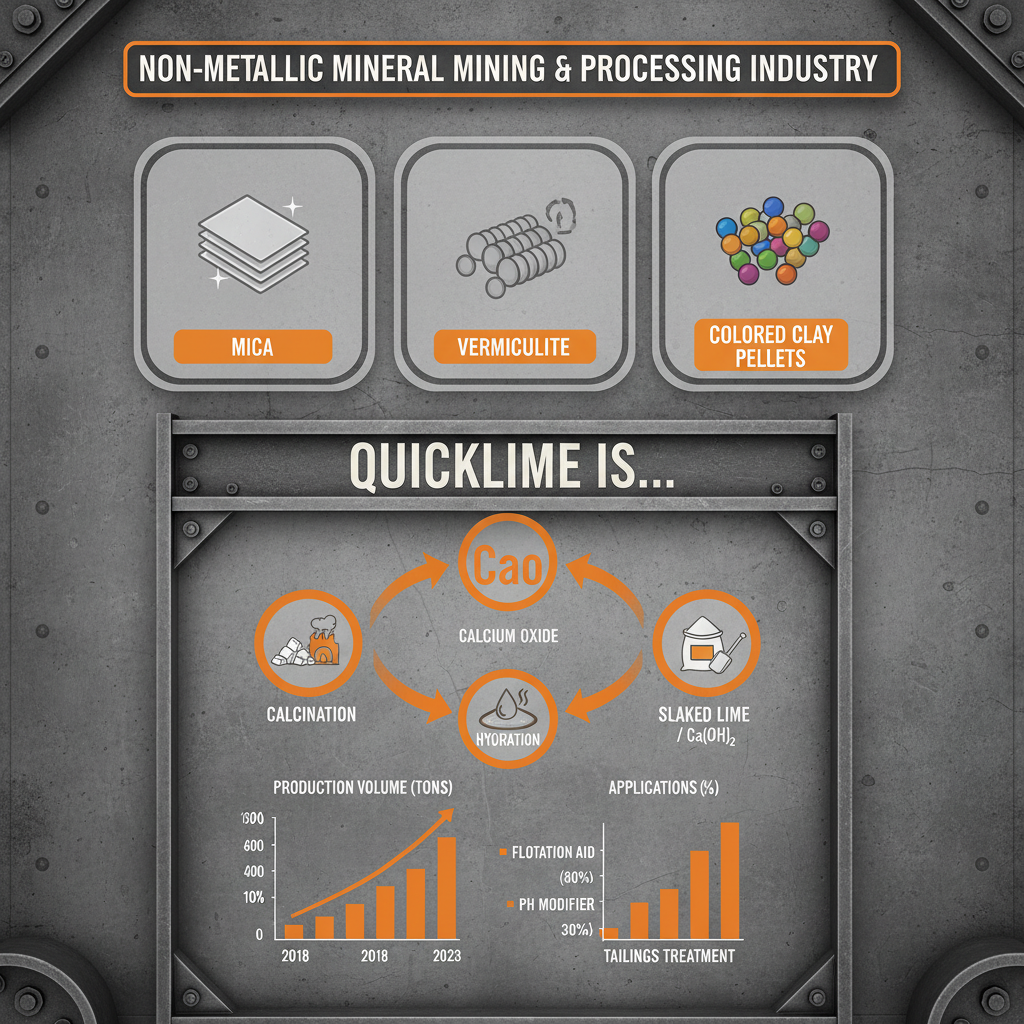
quicklime is, chemically known as calcium oxide (CaO), is produced through the calcination of limestone – basically, heating it to high temperatures. What you end up with is a highly reactive, alkaline substance. I’ve seen it used to purify water, treat flue gas, and as a crucial ingredient in cement. It's not glamorous, but it's incredibly versatile.
From a practical standpoint, it's the reactivity that matters. It reacts vigorously with water, creating calcium hydroxide (slaked lime), which is used extensively in construction. It's about understanding those chemical processes to ensure consistent results in the field.
Global Demand and Industrial Significance
The global quicklime market is substantial, valued at billions of dollars and growing. The steel industry is a huge consumer, using it for fluxing in the smelting process. Construction is another massive driver, as it’s vital for mortar, plaster, and soil stabilization. Increasingly, environmental applications – like flue gas desulfurization – are boosting demand.
We’re seeing particularly strong growth in emerging economies, where infrastructure development is accelerating. China, India, and Southeast Asia are key markets. However, supply chain disruptions and logistical challenges are constant concerns, something we actively mitigate through strategic partnerships and inventory management.
The ISO standards around quicklime quality are becoming increasingly stringent, and rightly so. It’s about ensuring consistent performance and meeting the demands of a diverse range of applications. Quicklime is is a commodity, but quality can vary significantly.
Chemical Composition and Production Processes
The quality of quicklime is heavily influenced by the purity of the limestone source. Impurities like silica, alumina, and magnesium oxide can affect its reactivity and performance. That’s why sourcing from reliable quarries and rigorous quality control are critical.
The production process – the calcination – also plays a vital role. Kiln design, temperature control, and retention time all impact the final product's properties. We’ve invested heavily in modern kiln technology to optimize efficiency and minimize environmental emissions. It's not just about getting the CaO, it’s about getting the right CaO.
Different calcination techniques yield different types of quicklime – from reactive quicklime for immediate use to less reactive forms for long-term applications. Understanding these differences and tailoring production to specific customer needs is key.
Key Performance Indicators for quicklime is
When evaluating quicklime, several KPIs are crucial. Reactivity – how quickly it slakes with water – is paramount. Chemical purity, measured by the percentage of CaO, is also vital. Particle size distribution affects handling and mixing properties.
We also track burn rate, a measure of how efficiently the limestone is calcined, and apparent density, which impacts transportation costs. It all comes down to providing a consistent product that delivers predictable results in the field.
quicklime is Performance Indicators
Applications Across Industries
Beyond construction and steel, quicklime is critical in environmental remediation – neutralizing acidic soils and treating wastewater. It’s used in the pulp and paper industry, in agriculture to adjust soil pH, and even in food processing.
In regions with limited infrastructure, quicklime is vital for water purification, providing a simple, cost-effective solution for accessing clean drinking water. I’ve seen it make a tangible difference in communities where it’s needed most.
Sustainable Practices and Environmental Considerations
quicklime production can be energy-intensive, so we're focused on reducing our carbon footprint. This includes investing in energy-efficient kilns, utilizing alternative fuels, and capturing CO2 emissions. We’re also exploring ways to utilize waste materials as feedstock for production.
Responsible quarry management is another priority. We work closely with local communities to minimize environmental impact and ensure land reclamation. Sustainable sourcing is not just good for the environment, it’s good for business.
The use of quicklime itself can also contribute to environmental benefits – like reducing reliance on more carbon-intensive alternatives in certain applications.
Future Innovations and Market Trends
We’re seeing increased research into using quicklime in carbon capture and storage technologies. Its ability to react with CO2 makes it a promising material for mitigating climate change.
The development of more reactive quicklime formulations is also underway, potentially reducing the amount needed for certain applications. Digitalization – using data analytics to optimize kiln operations and improve quality control – is another key trend.
And, of course, continued pressure to reduce environmental impact will drive further innovation in sustainable production methods. quicklime is is evolving.
Summary of Quicklime Production Challenges and Solutions
| Challenge |
Impact on quicklime is Quality |
Proposed Solution |
Implementation Timeline |
| Energy Consumption |
Increased production costs & carbon footprint |
Invest in energy-efficient kiln technologies |
Phase 1: 6-12 months (assessment & planning) |
| Limestone Purity |
Reduced reactivity and inconsistent product quality |
Rigorous sourcing and quality control procedures |
Ongoing (continuous improvement) |
| Supply Chain Disruptions |
Delays and potential project stoppages |
Diversify sourcing and build strategic partnerships |
Phase 1: 3-6 months (supplier identification) |
| CO2 Emissions |
Environmental impact and regulatory concerns |
Implement carbon capture and storage technologies |
Phase 1: 12-18 months (feasibility study) |
| Particle Size Variation |
Inconsistent mixing and handling properties |
Implement advanced milling and classification systems |
Phase 1: 9-12 months (equipment procurement) |
| Water Usage |
Resource depletion and environmental concerns |
Implement water recycling and conservation measures |
Ongoing (continuous monitoring) |
FAQS
The reactivity of quicklime is primarily influenced by its chemical purity, particle size, and the specific calcination process used during production. Higher purity with fewer impurities like silica or magnesia, smaller particle sizes, and optimized calcination temperatures generally lead to greater reactivity. We consistently test these parameters to ensure our quicklime meets required specifications.
quicklime plays a role in sustainable construction by enabling the use of supplementary cementitious materials (SCMs) like fly ash and slag, reducing the overall cement content—a major contributor to CO2 emissions. It’s also crucial in soil stabilization, minimizing the need for extensive earthmoving. Responsible production, as discussed earlier, is also paramount.
Quicklime is highly reactive with moisture, so it needs to be stored in a dry, airtight environment. Prolonged exposure to humidity can lead to hydration, reducing its reactivity. Silage-covered storage is the most effective method, and should be designed to prevent water ingress. Proper storage is crucial for maintaining product quality.
The limestone source’s quality is paramount. Impurities like silica, alumina, and magnesium oxide affect quicklime’s reactivity, strength, and overall performance. We only source from quarries with rigorously tested, high-purity limestone to guarantee consistent quality. Detailed chemical analysis is a constant process.
Quicklime is a caustic material and can cause burns upon contact with skin or eyes. Always wear appropriate personal protective equipment (PPE), including gloves, safety glasses, and a dust mask. Avoid inhaling the dust, and ensure adequate ventilation when handling. Safety data sheets (SDS) provide comprehensive guidance.
Yes, quicklime is highly effective in wastewater treatment. It neutralizes acidic wastewater, precipitates heavy metals, and aids in phosphorus removal. The efficiency depends on the wastewater’s specific composition and the optimal dosage, which we can help determine based on analysis. It’s a cost-effective and reliable solution.
Conclusion
quicklime is, at its core, a foundational material that underpins countless aspects of modern life, from infrastructure and industry to environmental protection. Understanding its chemical properties, production processes, and diverse applications is critical for ensuring quality, sustainability, and continued innovation. It's a seemingly simple compound with a surprisingly complex and vital role.
Looking ahead, the industry must prioritize sustainable production practices, embrace digitalization, and explore new applications for quicklime in areas like carbon capture and storage. Investing in research and development, and fostering collaboration across the value chain, will be key to unlocking its full potential. For more information on how we're leading the way, visit our website: www.baifengmining.com.