White Stone from Hebei: field notes, specs, and where it truly shines
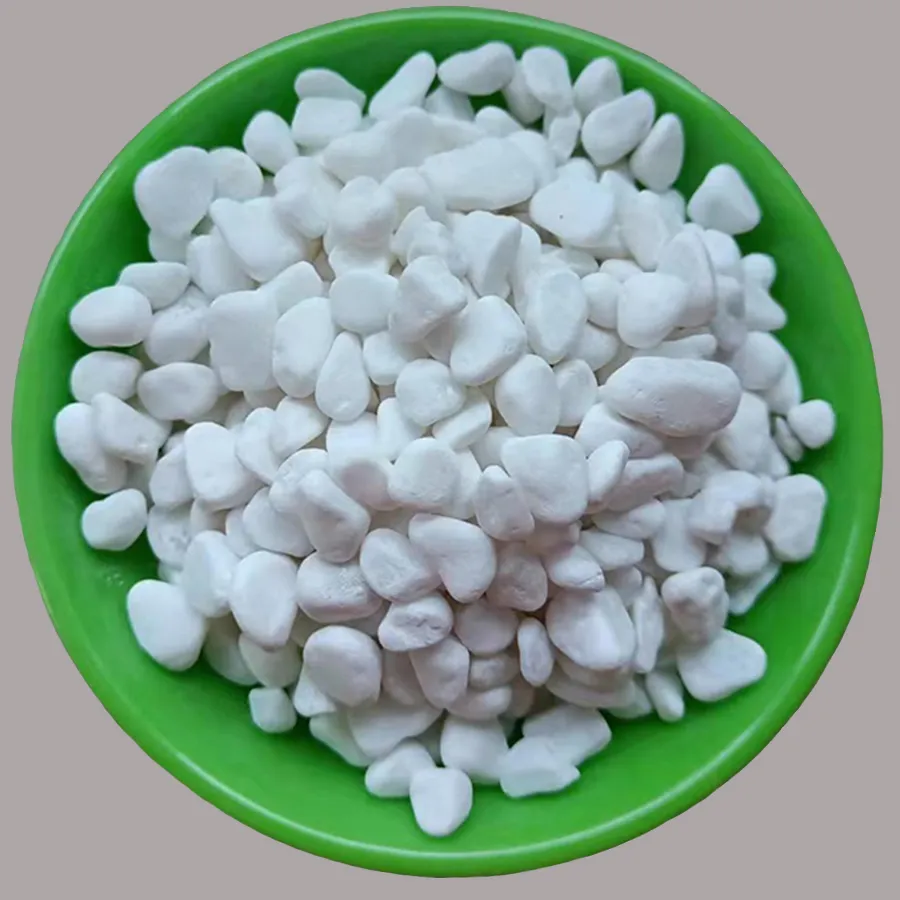
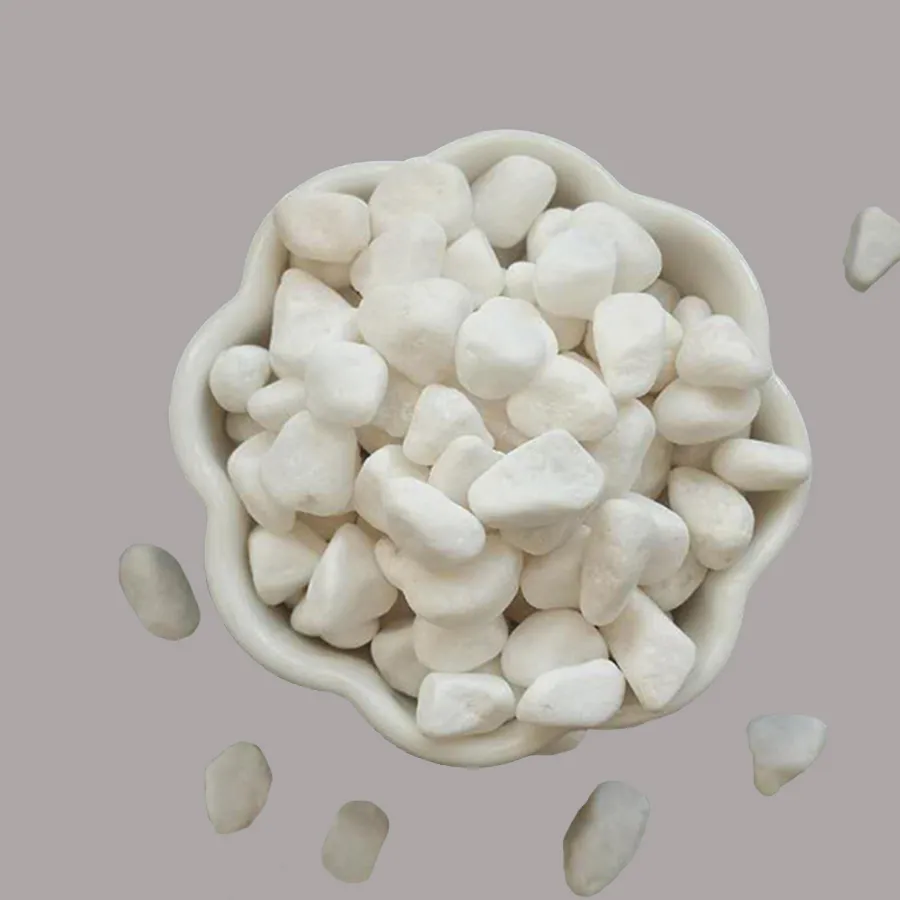
There’s a reason designers keep circling back to White Stone. It’s clean, it’s quietly premium, and—if you care about supply chain traceability—this one comes straight from Lubai Mountain Village, South Yanchuan, Lingshou County, Shijiazhuang City, Hebei, China. I’ve walked a few yards there; the sorting lines are surprisingly methodical. Product form: stone. Color: white. Size range: 1–80 mm. Simple claims, but the execution matters.
Industry snapshot: who buys White Stone and why
Demand has split into three lanes lately: landscape architects (paths, rooftop gardens), construction (exposed aggregate concrete, terrazzo), and water management (decorative drainage and filter beds). To be honest, the “white-on-green” outdoor trend isn’t fading; if anything, hospitality owners want low-maintenance accents that still pop on Instagram. Interestingly, several aquarium retailers also ask for inert, silica-rich grades—no leaching, no pH drama.
Technical specifications (typical)
Real-world use may vary by lot and size class, but here’s the short list many customers ask for.
| Parameter | Typical Value | Method/Standard |
|---|---|---|
| Size range | 1–80 mm (screened, ±1–3 mm) | Sieve analysis |
| Mineralogy | Quartz-rich pebble (SiO₂ ≈ 95–98%) | XRF/XRD |
| Bulk density | ≈ 2.60–2.65 g/cm³ | ASTM C97 |
| Water absorption | ≈ 0.2–0.4% | ASTM C97 |
| Hardness | Mohs 6.5–7 | Mineralogical |
| Frost resistance | Pass (no visible damage) | EN 12371 |
From quarry to pallet: process and QC
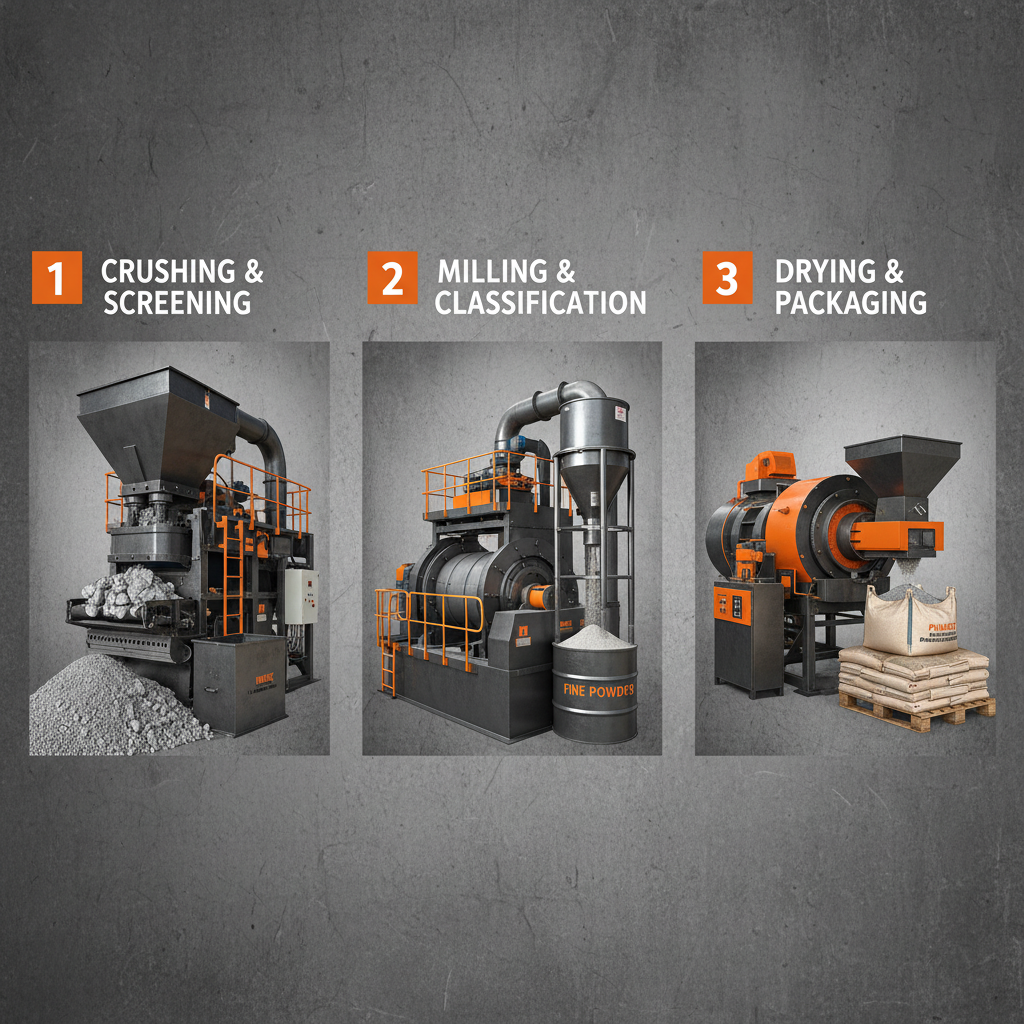
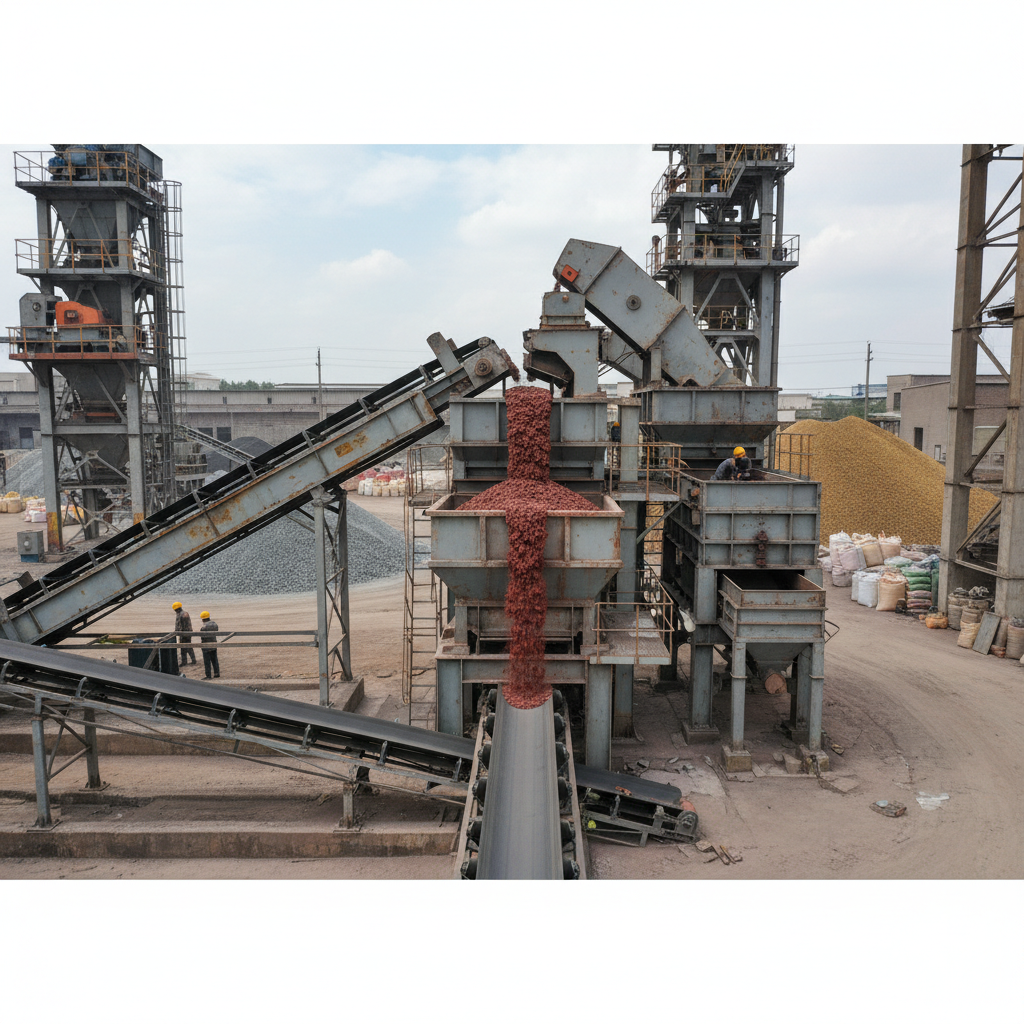
Material is sourced in Lubai Mountain Village. Methods: selective quarrying, multi-stage screening, washing (closed-loop water), optical/manual color sorting, then kiln or ambient drying (depending on humidity). QC includes sieve curves, whiteness checks (L ≥ 90, typical), and absorption/density sampling per ASTM C97. Freeze–thaw validation is run per EN 12371 seasonally. Service life? Outdoors, you’ll see 10–20 years easily; higher-traffic mixes last longer when embedded in concrete or resin-bound systems.
Where White Stone performs best
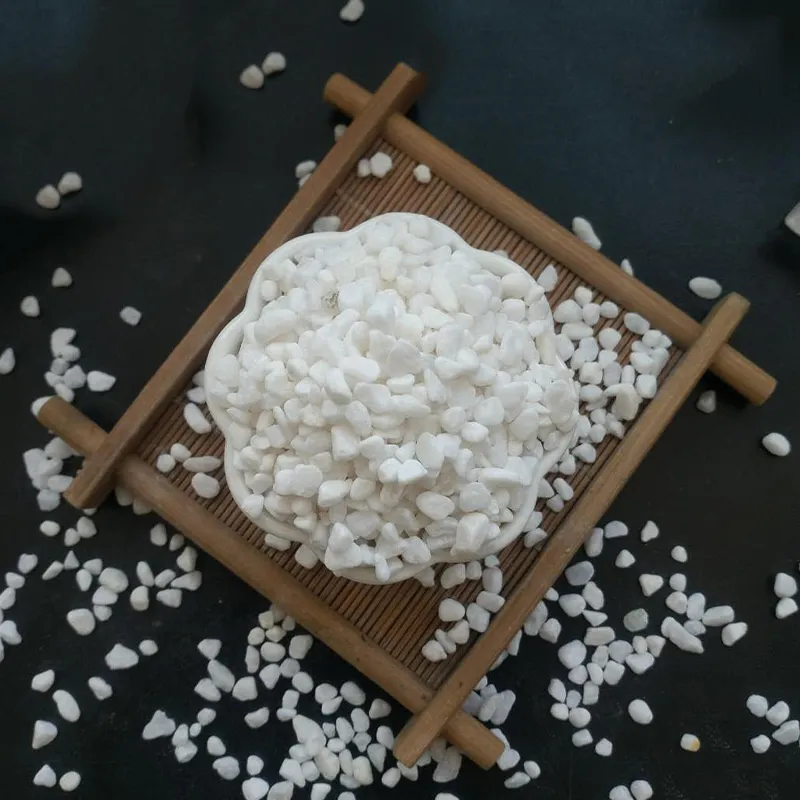
- Landscape: paths, mulch replacement, rooftop gardens, Japanese-style courtyards.
- Construction: exposed aggregate concrete, terrazzo chips (3–12 mm sweet spot).
- Water: decorative swales, French drains, filter support layers.
- Aquarium/terraria: inert quartz grades keep pH stable, which hobbyists appreciate.
Advantages: color stability, abrasion resistance, low water uptake, and surprisingly low maintenance (a quick rinse restores brightness).
Customization and packaging
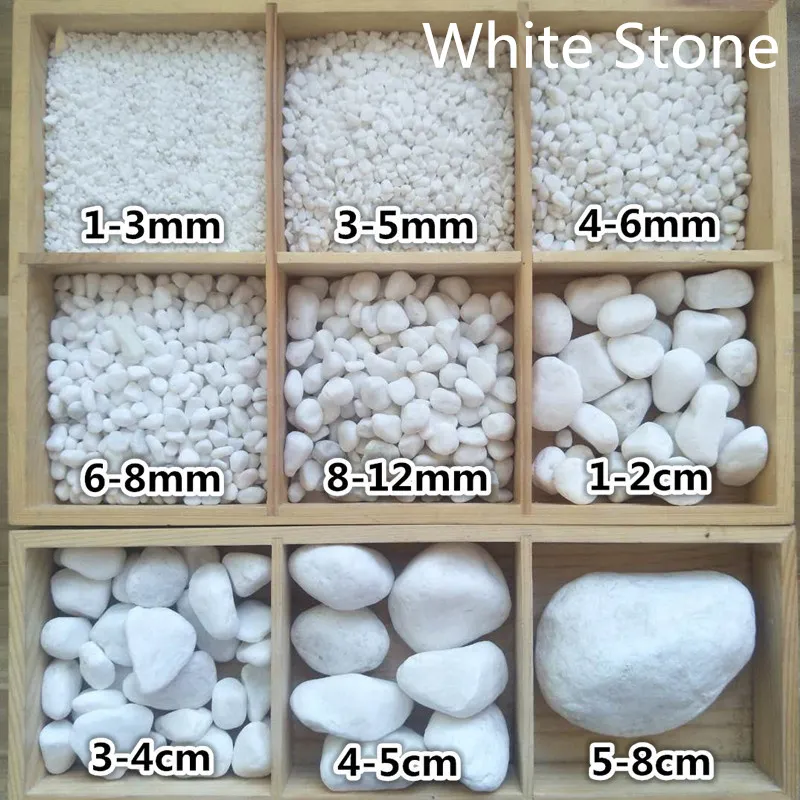
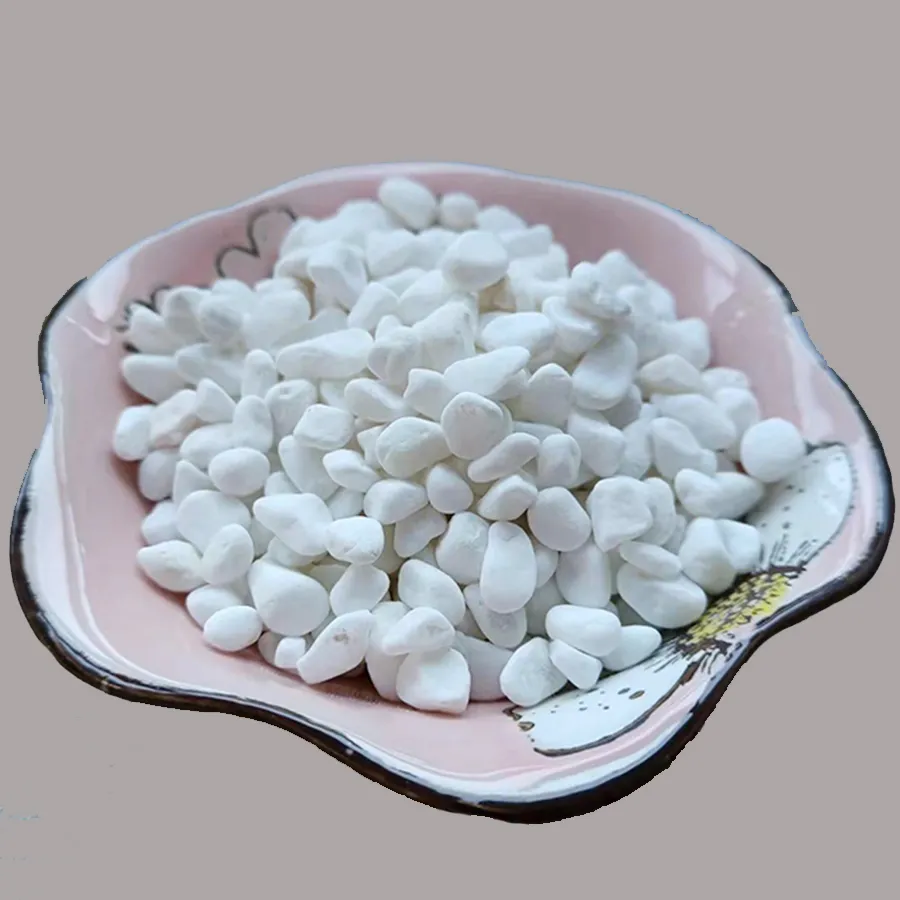
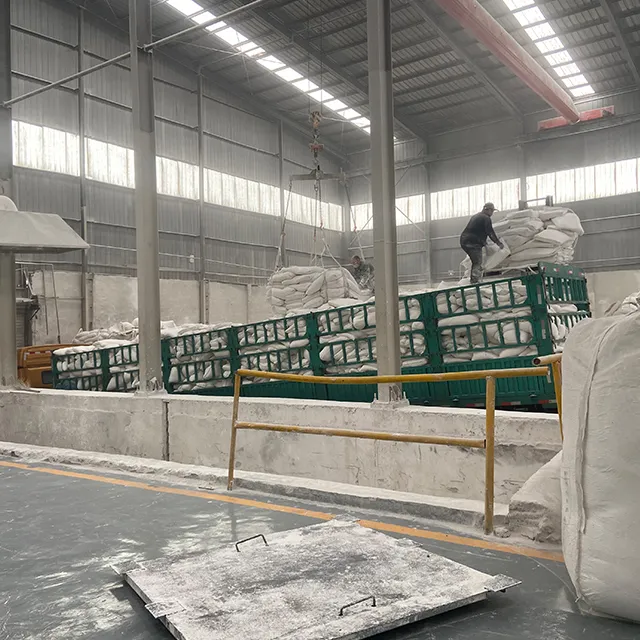
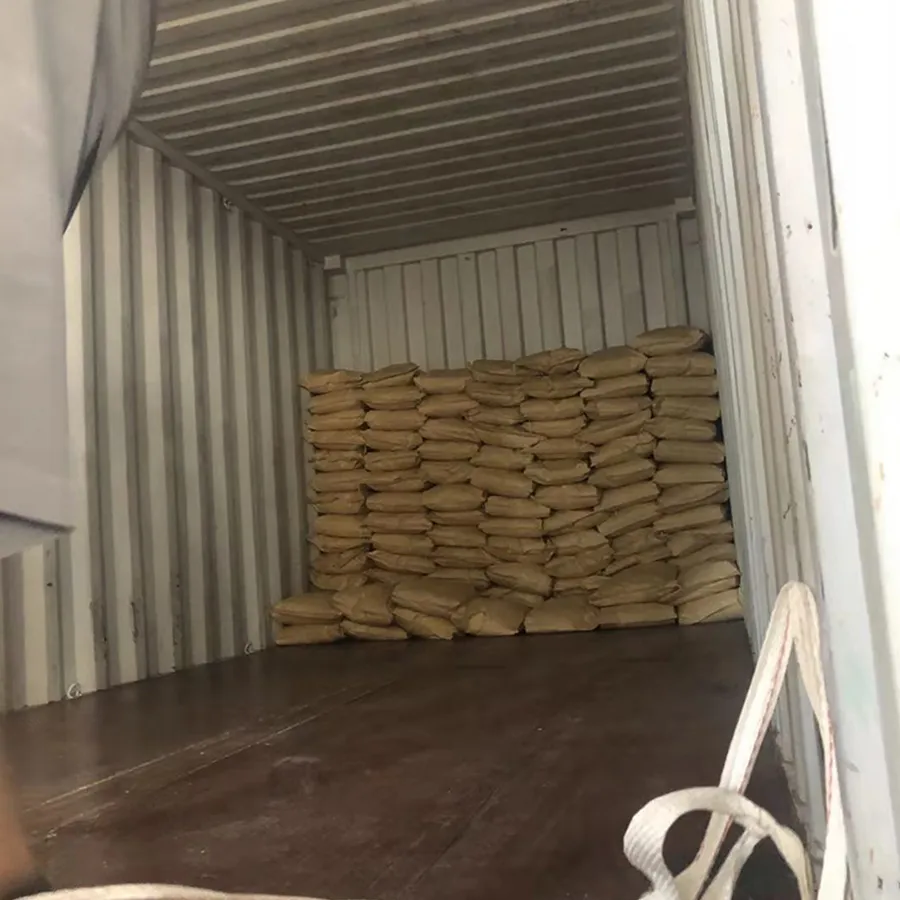
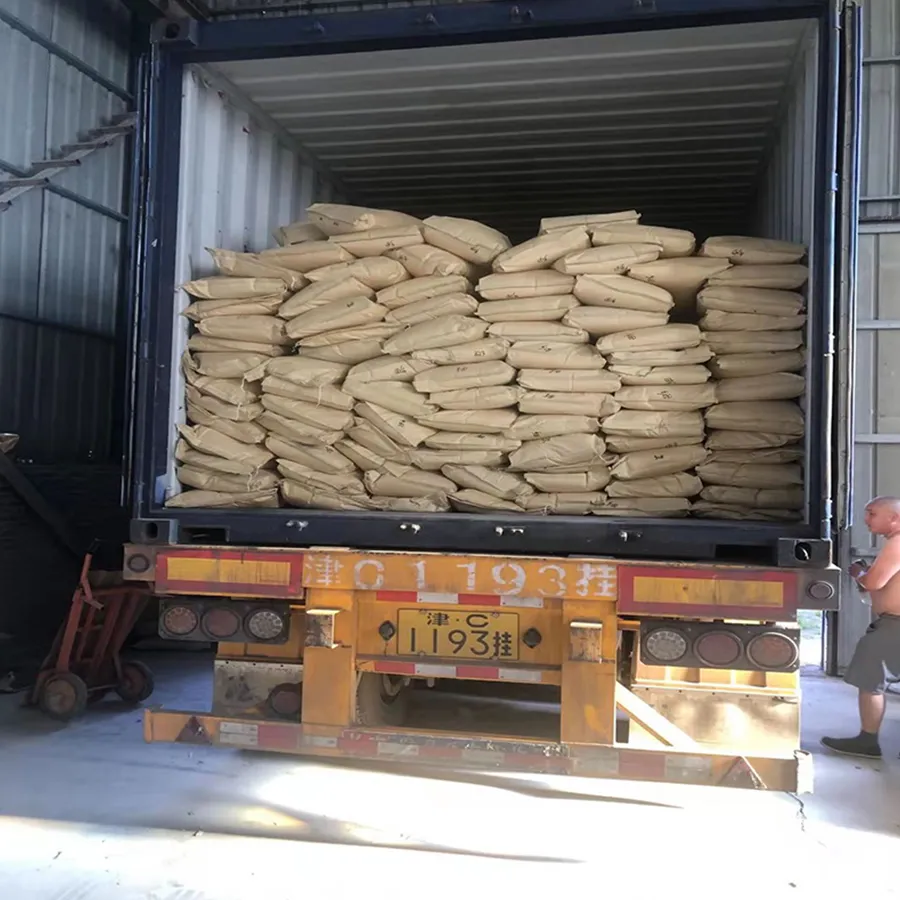
Size classes (common): 1–3 mm, 3–6 mm, 6–10 mm, 10–20 mm, 20–40 mm, 40–80 mm. Whiteness grading available on request. Packaging: 25 kg PE bags, 1-ton jumbo bags, or retail-ready sacks with private labeling. Lead times usually 7–15 days ex-works depending on tonnage; I guess peak season stretches a bit.
Vendor comparison (field-notes style)
| Vendor | Origin traceability | Size range | QC/Testing | Certs | Lead time ≈ |
|---|---|---|---|---|---|
| Baifeng (Hebei) | Quarry-to-bag, documented | 1–80 mm | ASTM/EN spot tests | ISO 9001 (factory) | 7–15 days |
| Regional Trader A | Mixed sources | 3–40 mm | Basic sieve report | — | 10–20 days |
| Quarry B (small) | Local, limited docs | 10–50 mm | Visual only | — | Varies |
Case study: boutique hotel walkway
A 4-star resort in Sanya specified 6–10 mm White Stone for 420 m of pathways. Mix: 35 mm compacted bed over geotextile; border set in resin. After a monsoon season, maintenance reported >95% color retention (visual), no migration outside borders, and drainage improved enough to skip two planned trench drains. Minor takeaway: edge restraint depth matters more than you think.
Compliance, safety, and user feedback
Typical shipments include COA with sieve curve, moisture, and absorption. For EU projects, ask for EN 1341/1342 conformance notes and EN 12371 freeze–thaw data. Many customers say the biggest surprise is how little the product yellows—rinse and it’s back. For aquaria, always pre-wash; even inert quartz arrives dusty.
Citations
- ASTM C97/C97M – Standard Test Methods for Absorption and Bulk Specific Gravity of Dimension Stone.
- EN 12371 – Natural stone test methods: Determination of frost resistance.
- ASTM C33/C33M – Standard Specification for Concrete Aggregates.
- GB/T 9966 (series) – Test methods of natural building stones (China).
Related News