Understanding the Different Types of Pumice
Pumice, a fascinating volcanic rock, is renowned for its lightweight and abrasive properties. It’s formed when super-heated, highly pressurized rock is violently ejected from a volcano. Rapid cooling and depressurization create the characteristic bubbly texture. But not all pumice is created equal! There are distinct types of pumice, each with unique characteristics and applications. This article will explore these variations, covering their origins, properties, and uses in industries ranging from construction to cosmetics. Understanding these differences is crucial for selecting the right pumice for your specific needs.
Volcanic Pumice: The Foundation
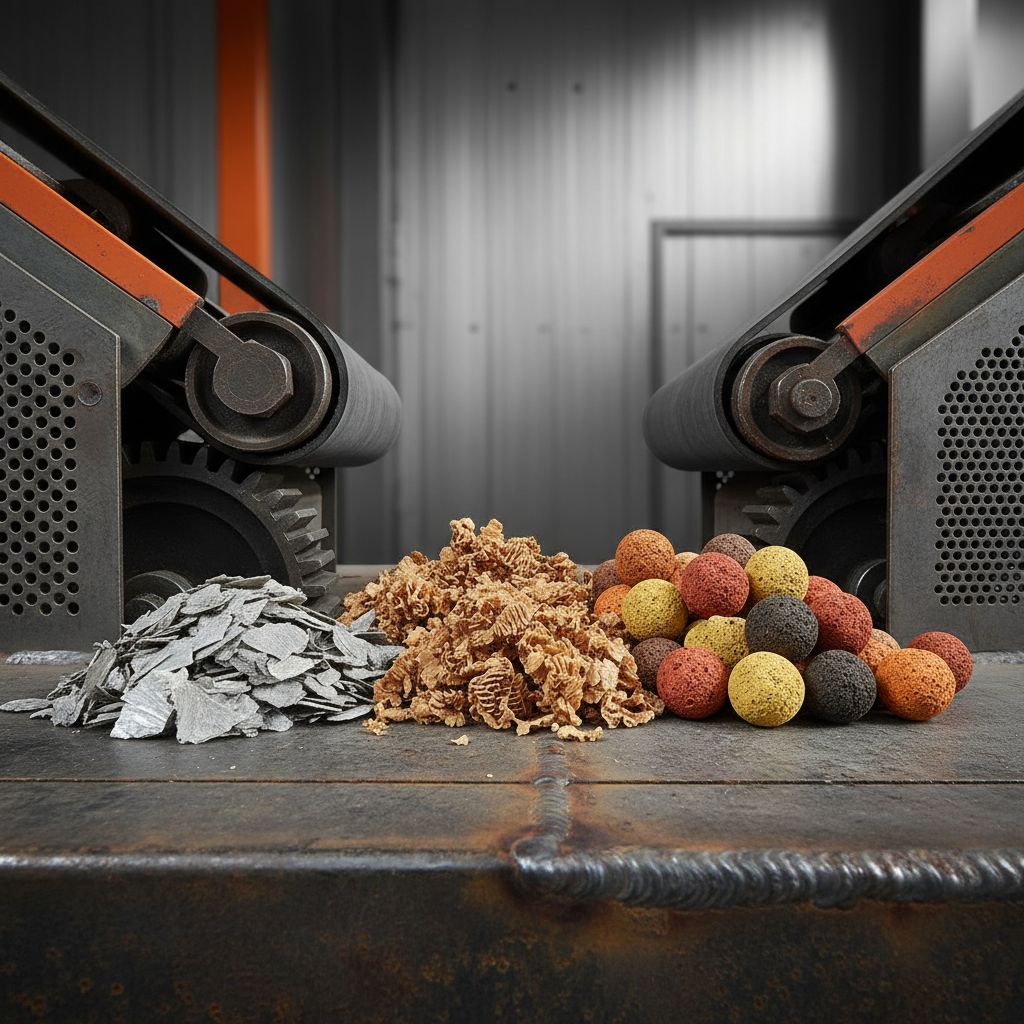
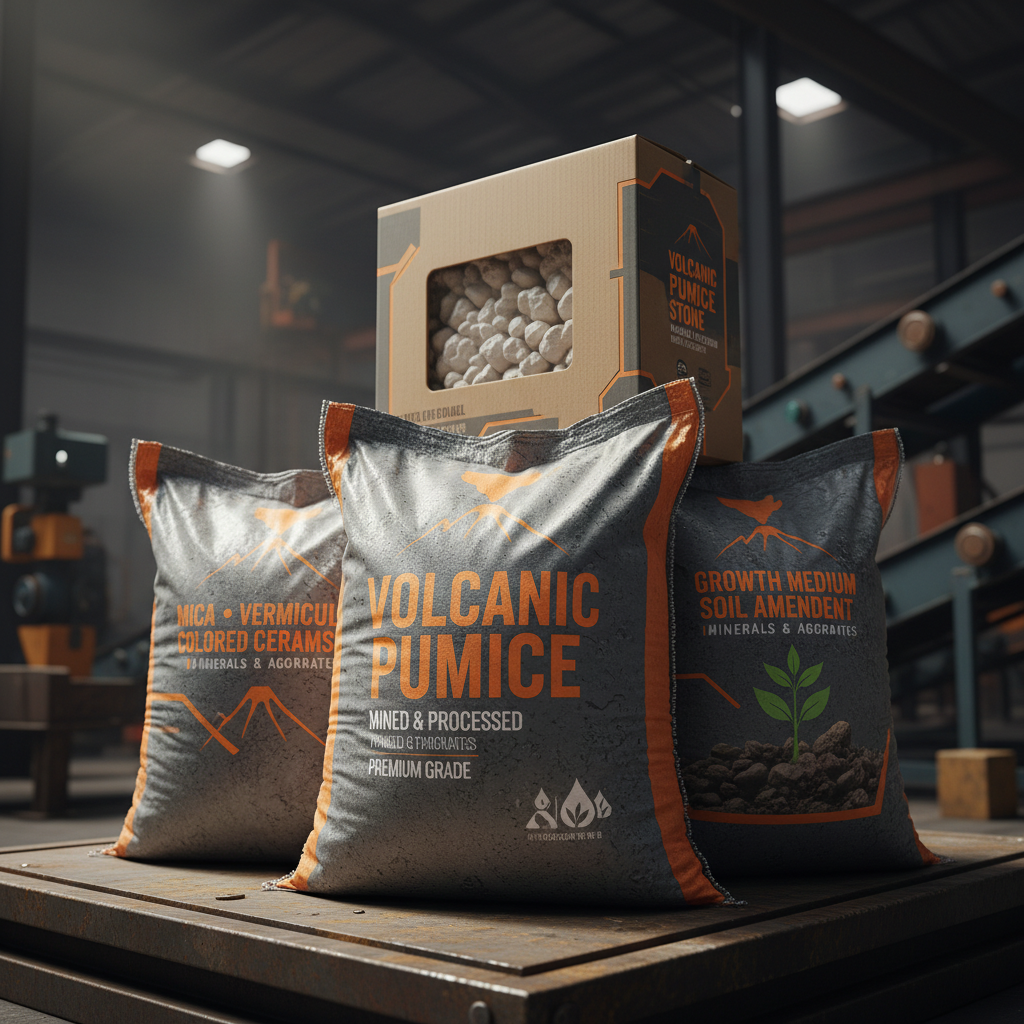
Volcanic pumice is the most common form, originating directly from volcanic eruptions. It's characterized by its frothy, vesicular texture—filled with tiny bubbles (vesicles) formed by escaping gases. The color ranges from light gray to white, although impurities can result in shades of yellow, brown, or even black. This type of pumice is relatively soft and easily ground, making it ideal for abrasive applications. It's sourced from various volcanic regions around the globe, including Italy, Greece, Turkey, and the western United States. Baifeng Mining specializes in sourcing and processing high-quality volcanic pumice for a diverse range of industries.
Key Highlights: Volcanic pumice is lightweight, abrasive, and readily available. Its vesicular structure contributes to its unique properties and wide range of uses.
Types of Pumice Based on Grain Size
Beyond the origin, pumice can also be categorized by its grain size. This is a crucial factor when determining its suitability for specific applications. These categories include:
- Coarse Pumice: Typically ranging from 2mm to 8mm, this type is commonly used for heavy-duty scrubbing, polishing concrete, and in industrial cleaning compounds.
- Medium Pumice: With a grain size of 0.8mm to 2mm, medium pumice is versatile and finds application in foot care products, mild abrasives, and paint strippers.
- Fine Pumice: Falling within the 0.4mm to 0.8mm range, this is employed in skincare products, gentle polishing, and as a filler in certain materials.
- Powdered Pumice: Grain size under 0.4mm, used in cosmetics (exfoliating scrubs, toothpaste), and as an additive in plastics and rubber.
Pumicite: A Chemically Altered Form
Pumicite isn’t a different origin of pumice, but rather a chemically altered form of volcanic pumice. Over time, through weathering and hydrothermal alteration, the volcanic glass in pumice can devitrify (lose its glassy structure) and convert to clay minerals. This process creates pumicite, which has a lower bulk density and increased water absorption capacity. Pumicite is often used as a soil amendment, improving aeration and water retention, and as a lightweight filler in concrete and other construction materials. Its finer particle size also makes it suitable for filtration purposes.
Pumicite Benefits:
• Improved soil aeration and water retention
• Lightweight filler in construction
• Effective filtration material
Comparing Pumice Types: Properties and Applications
The best way to understand the distinctions is to compare the key properties and typical applications of each type.
Global Pumice Production and Market Trends
The global pumice market is experiencing steady growth, driven by increasing demand from the construction, horticulture, and personal care industries. Turkey is currently the leading producer and exporter of pumice, accounting for a significant portion of the world’s supply. Other major producing countries include Greece, Italy, and the United States. The demand for finer pumice grades for cosmetic applications is particularly strong, leading to increased investment in processing technologies. Baifeng Mining is strategically positioned to meet the growing global demand for high-quality pumice products.
Conclusion: Selecting the Right Pumice
Choosing the right type of pumice depends on your specific application. Understanding the differences in origin, grain size, and chemical composition is essential for achieving optimal results. Whether you need a coarse abrasive for industrial cleaning or a fine powder for cosmetic formulations, Baifeng Mining offers a comprehensive range of pumice products to meet your needs.
Frequently Asked Questions (FAQs)
What are the environmental benefits of using pumice?
Pumice is a naturally occurring material, making it an environmentally friendly alternative to synthetic abrasives and fillers. Its extraction typically has a relatively low environmental impact compared to mining other minerals. Furthermore, pumice is lightweight, reducing transportation costs and associated carbon emissions. In agriculture, pumicite improves soil drainage and aeration, reducing the need for chemical fertilizers and pesticides. Because it's a volcanic product, it's often sourced from areas where land use for other purposes is limited.
Can pumice be recycled?
While traditional recycling isn’t typically applicable to pumice, it can often be repurposed. For example, spent pumice from cleaning or polishing applications can sometimes be used as a soil amendment or in landscaping projects. Its inert nature means it doesn’t break down or release harmful chemicals into the environment. Research is also ongoing into using pumice as a component in sustainable construction materials, further extending its lifespan and minimizing waste.
How is pumice processed for different applications?
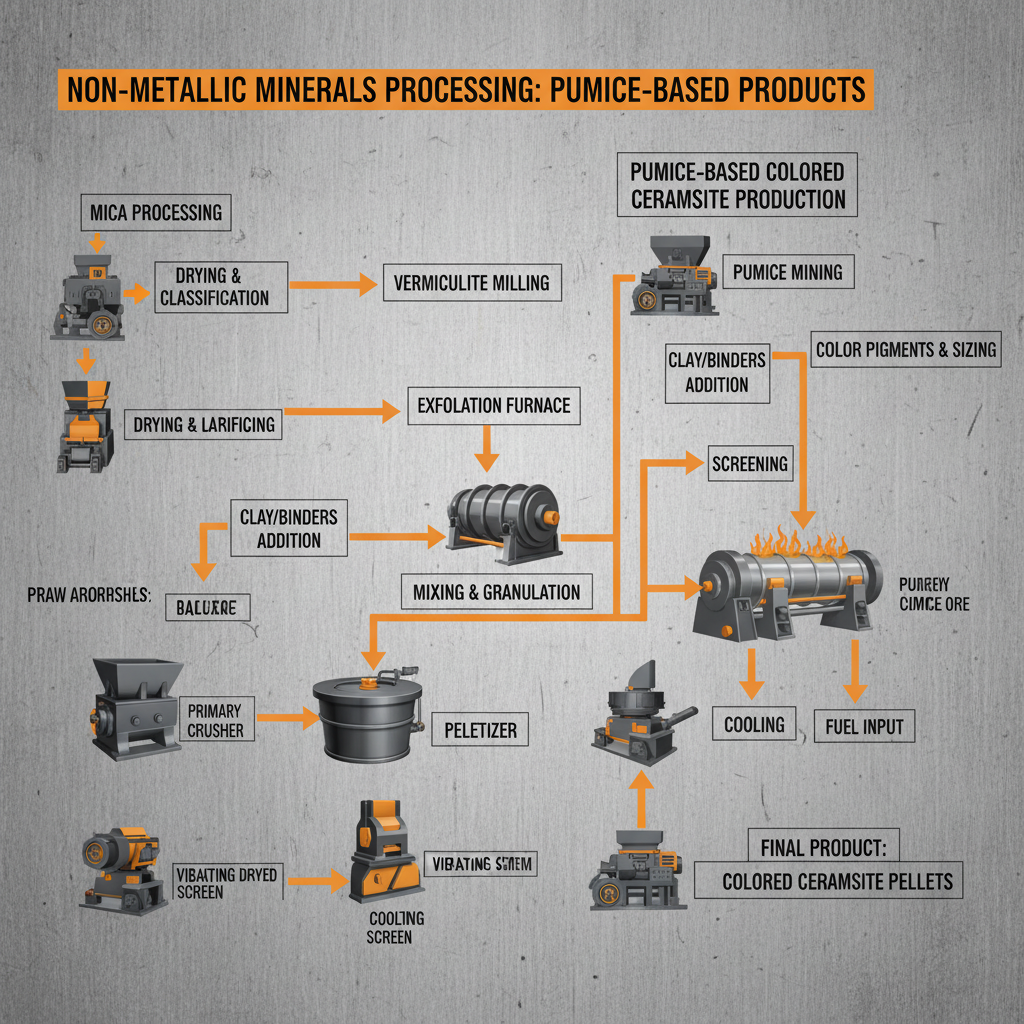
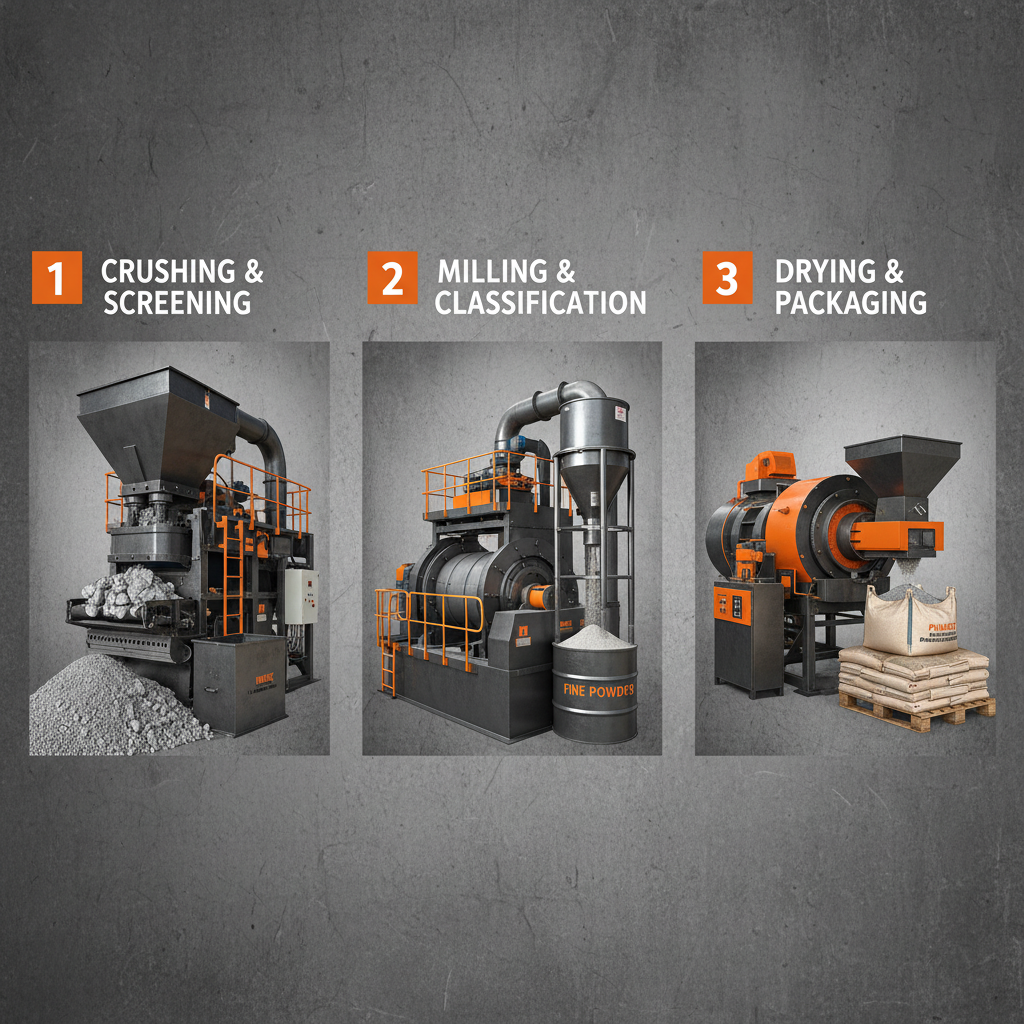
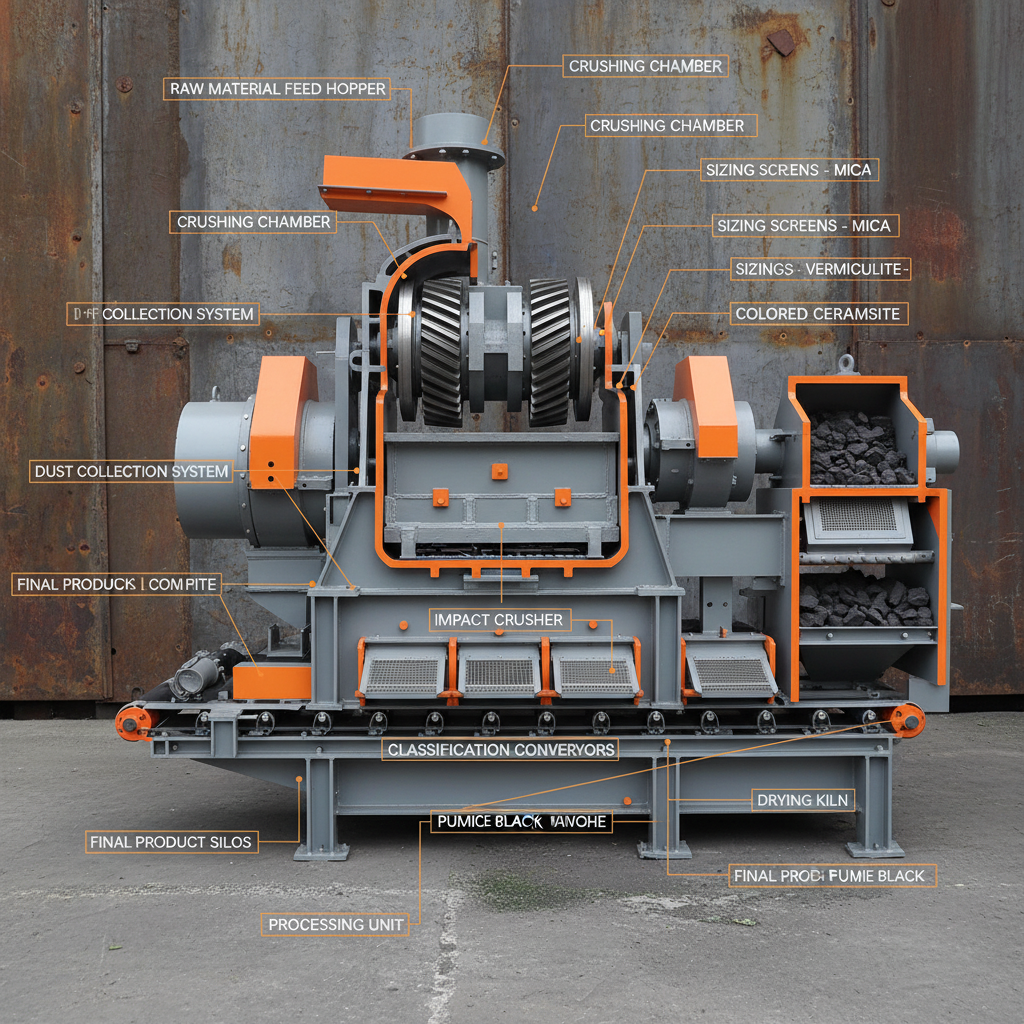
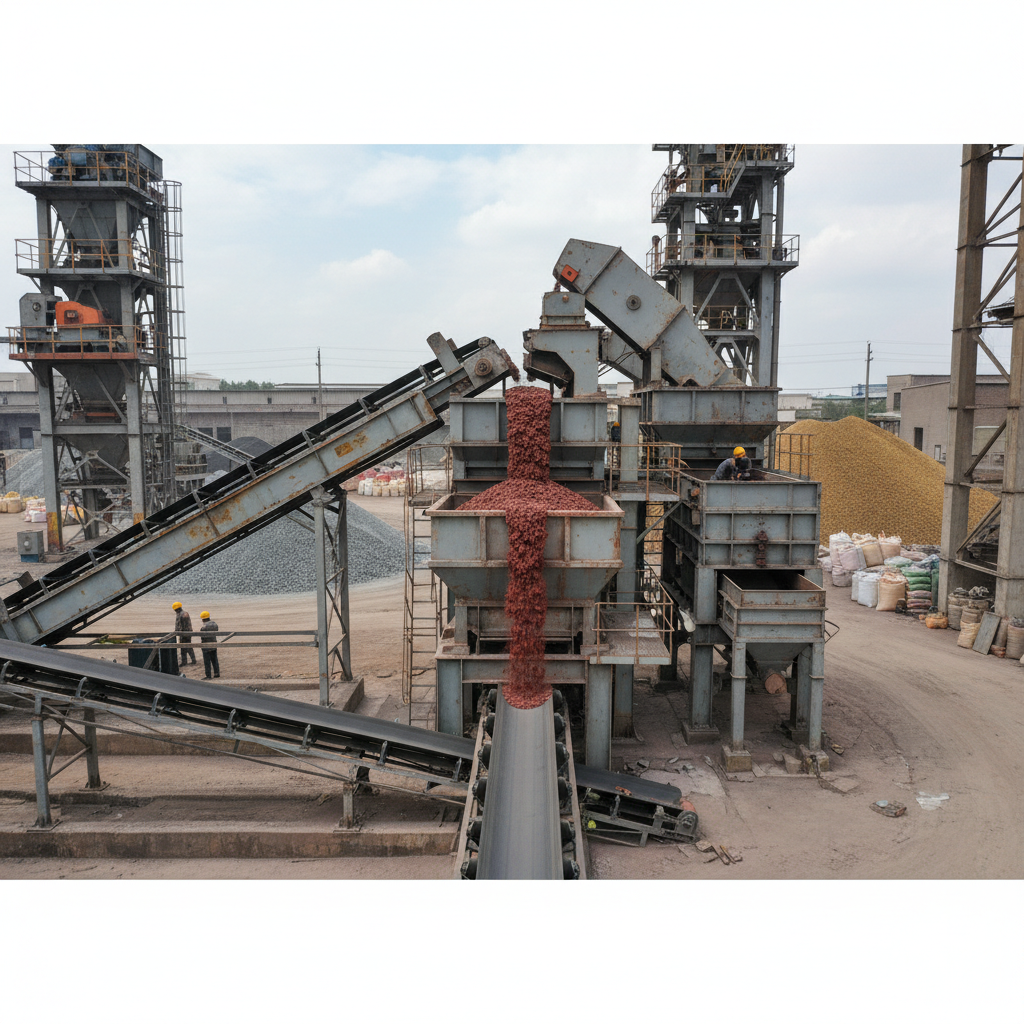
Pumice undergoes various processing methods depending on the desired application. These include crushing and screening to achieve specific grain sizes, washing to remove impurities, and drying to reduce moisture content. Further processing can involve milling to create powdered pumice or classifying to separate different size fractions. Specialized techniques may also be used to activate the pumice surface, enhancing its abrasive properties. Baifeng Mining utilizes state-of-the-art processing equipment to ensure consistent quality and particle size distribution.
What safety precautions should be taken when handling pumice dust?
While pumice is generally considered safe, prolonged inhalation of pumice dust can cause respiratory irritation. Therefore, it's essential to wear a dust mask or respirator when handling powdered pumice or during operations that generate dust. Eye protection is also recommended to prevent irritation. Ensure adequate ventilation in the work area and avoid creating excessive dust. Always refer to the Safety Data Sheet (SDS) for specific handling instructions and safety guidelines.
Related News