
Aquarium Pumice: A Comprehensive Guide
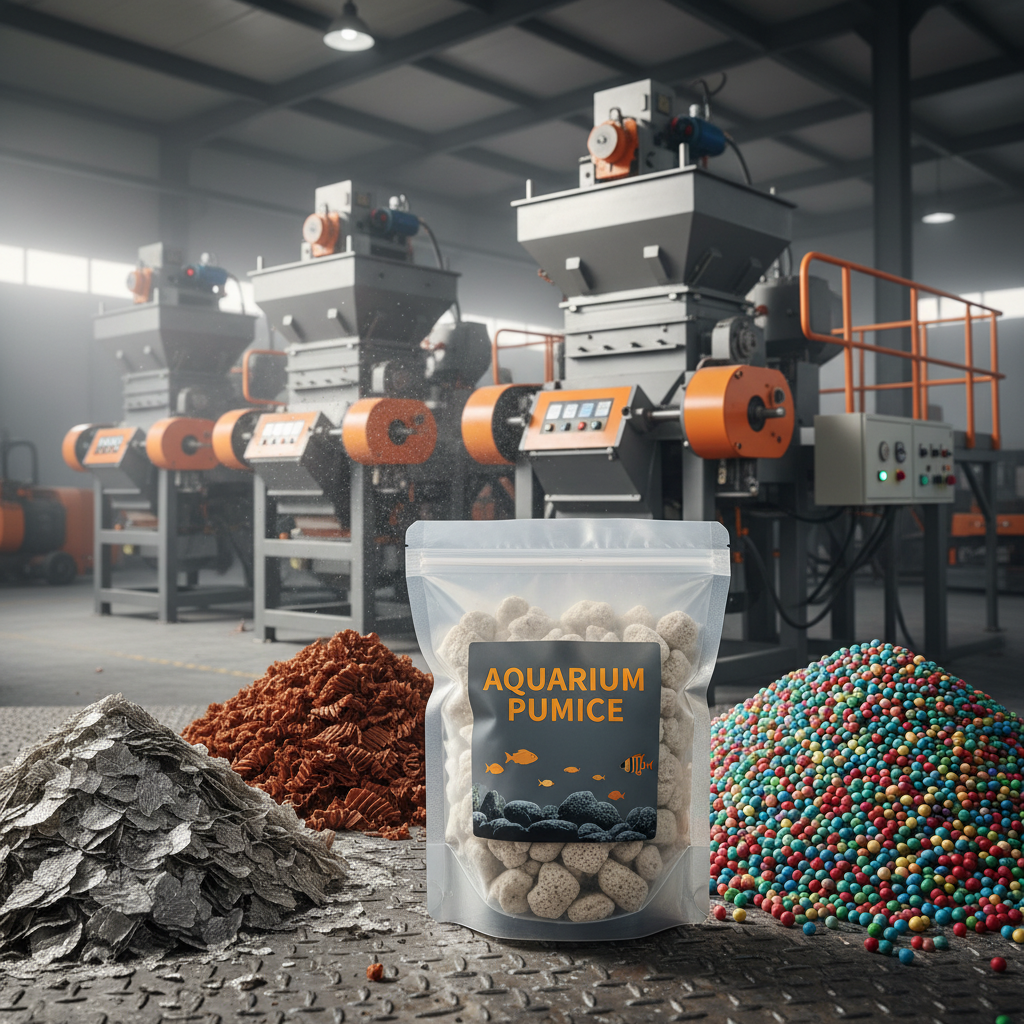
Aquarium pumice is a highly versatile and beneficial material for aquarists, offering a range of uses from filtration to plant substrate. Its unique porous structure provides numerous advantages for maintaining a healthy and thriving aquatic environment. Whether you’re setting up a new tank or looking to improve an existing one, understanding the benefits of aquarium pumice can significantly enhance your success. It’s a natural, lightweight, and cost-effective solution for various aquarium needs.
What is Aquarium Pumice?
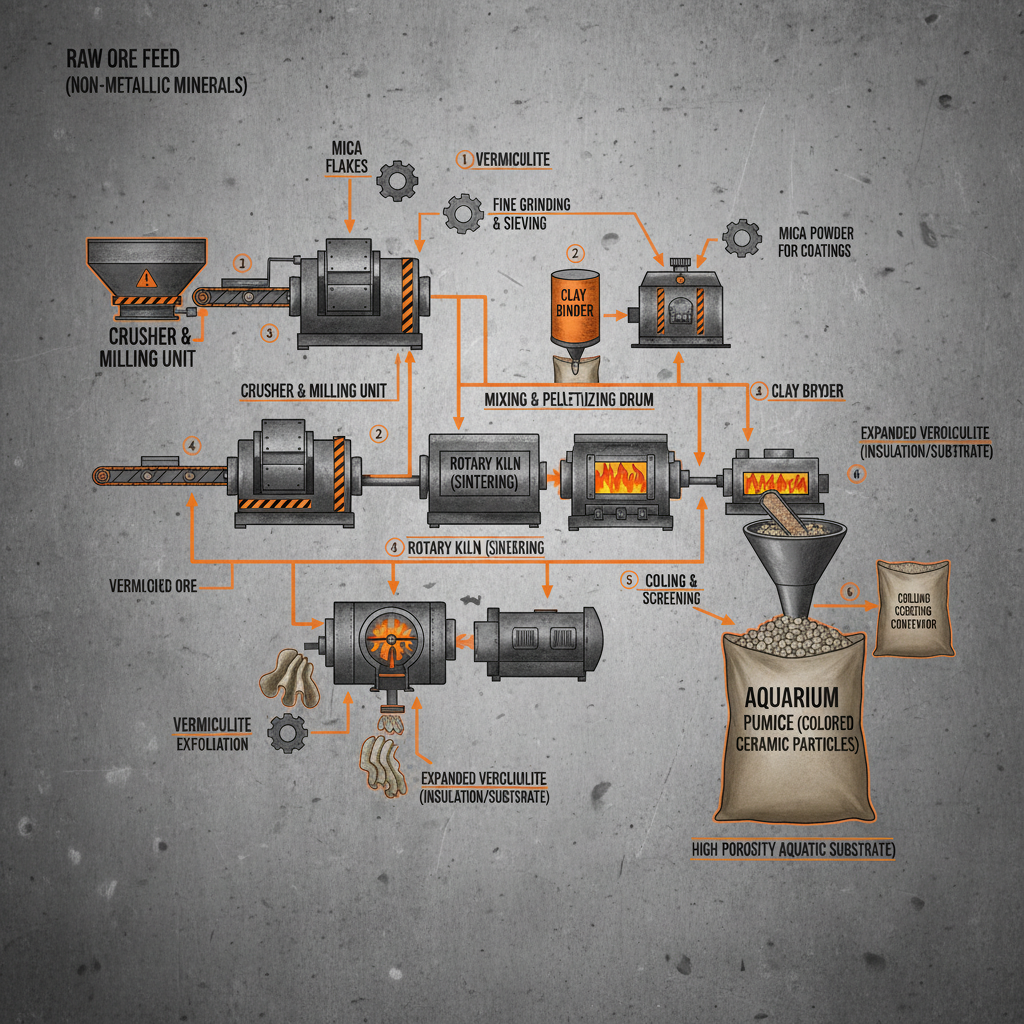
Aquarium pumice is a volcanic rock formed when lava rapidly cools and solidifies, trapping gas bubbles inside. This process creates a lightweight material with a highly porous structure. This porosity is the key to its benefits in aquariums. Pumice is naturally abrasive but won't scratch glass or acrylic. It’s often used in its raw form, though some suppliers offer pre-washed and graded pumice for convenience. Its natural origin also makes it an eco-friendly choice for aquarium enthusiasts.
Key Highlights: Lightweight, porous volcanic rock offering excellent filtration and plant rooting capabilities. Eco-friendly and naturally abrasive for gentle cleaning.
The Benefits of Using Aquarium Pumice
The porous nature of aquarium pumice offers a multitude of benefits. Primarily, it acts as an excellent biological filter media. The vast surface area within the pores provides a perfect environment for beneficial bacteria to colonize, converting harmful ammonia and nitrites into less toxic nitrates. It also provides excellent mechanical filtration by trapping debris. Furthermore, it's a fantastic substrate for planted tanks, allowing for good root development and aeration. Pumice doesn't alter the water's pH significantly, making it suitable for a wide range of fish and plant species. Choosing quality pumice for aquariums from a reputable supplier is key to maximizing these benefits.
Pumice Benefits:
• Provides a large surface area for beneficial bacteria.
• Offers excellent mechanical filtration.
• Supports healthy plant root development.
• Maintains stable water pH.
Aquarium Pumice Grades and Applications
Aquarium pumice comes in various grades, determined by particle size. Coarse pumice (larger pieces) is ideal for external filters or as a base layer in deep substrate setups. Medium pumice is commonly used in canister filters or as a substrate component. Fine pumice can be used as a top dressing in planted tanks or for polishing water. The choice depends on the specific needs of your aquarium. Consider the size of your tank, the types of fish and plants you keep, and your filtration system when selecting the appropriate grade. You can also mix grades to achieve optimal results.
Aquarium Pumice vs. Other Filter Media
While various filter media options are available, aquarium pumice offers distinct advantages. Compared to ceramic rings, pumice is more porous, providing a larger surface area for bacteria. It’s also more affordable than many bio-balls and doesn’t take up as much space. Unlike some synthetic media, pumice is a natural product and doesn't leach harmful chemicals into the water. The natural abrasiveness provides a cleaning effect, reducing the buildup of detritus. When considering your filtration needs, high-quality aquarium pumice is a compelling and effective choice.

Preparing and Maintaining Aquarium Pumice
Before using aquarium pumice, it’s crucial to wash it thoroughly to remove dust and debris. Rinse it repeatedly under running water until the water runs clear. Avoid using soap or detergents, as these can be harmful to aquatic life. While pumice generally doesn’t require frequent cleaning, periodically rinsing it in removed tank water during water changes can help maintain its effectiveness. Avoid using tap water for cleaning, as chlorine and other chemicals can kill beneficial bacteria.
Conclusion: A Natural Choice for a Healthy Aquarium
Aquarium pumice is a versatile, cost-effective, and natural solution for a wide range of aquarium needs. Its porous structure promotes biological filtration, supports plant growth, and enhances overall water quality. By understanding its benefits and proper usage, you can create a thriving aquatic environment for your fish and plants. Choose Baifeng Mining for high-quality aquarium pumice and unlock the potential of a healthier, more vibrant aquarium.
Frequently Asked Questions (FAQs)
Is aquarium pumice safe for all types of fish?
Generally, aquarium pumice is safe for all types of fish. However, it’s crucial to ensure the pumice is thoroughly washed before use to remove any dust or debris. For sensitive fish species, especially those prone to irritation, it's recommended to use a finer grade of pumice to minimize abrasion. Pumice doesn’t significantly alter the water’s pH, making it suitable for a wide range of aquatic environments. It’s always a good practice to observe your fish for any signs of stress after introducing new materials to the tank.
How often should I replace aquarium pumice?
Aquarium pumice doesn’t need to be replaced frequently. Its porous structure remains effective for a long time. However, over time, the pores can become clogged with detritus, reducing its efficiency. Periodically rinsing the pumice during water changes can help maintain its performance. A good rule of thumb is to replace it every 2-3 years, or when you notice a decline in water quality or filtration effectiveness.
Can I use aquarium pumice in a saltwater tank?
Yes, aquarium pumice can be safely used in saltwater tanks. However, it’s even more crucial to rinse it thoroughly before use to remove any dust or debris that could affect the delicate balance of a saltwater environment. Ensure the pumice is sourced from a reputable supplier to avoid any potential contaminants. The porous nature provides excellent biological filtration, benefiting the beneficial bacteria crucial for maintaining a healthy saltwater ecosystem.
Where can I purchase high-quality aquarium pumice?
You can purchase high-quality aquarium pumice from various sources, including online retailers and local aquarium stores. However, Baifeng Mining is a trusted supplier known for providing consistently high-quality pumice specifically processed for aquarium use. We offer various grades and quantities to meet your specific needs.
Related News