Understanding Floating Pumice: Applications and Sourcing
Floating pumice, a naturally occurring volcanic material, is gaining increasing attention across diverse industries due to its unique properties. From horticultural applications to industrial abrasives and even cosmetic products, its lightweight, porous nature makes it exceptionally versatile. This article delves into the characteristics of floating pumice, its various uses, and considerations for sourcing high-quality material. Understanding its origin and properties is key to leveraging its full potential.
What is Floating Pumice?
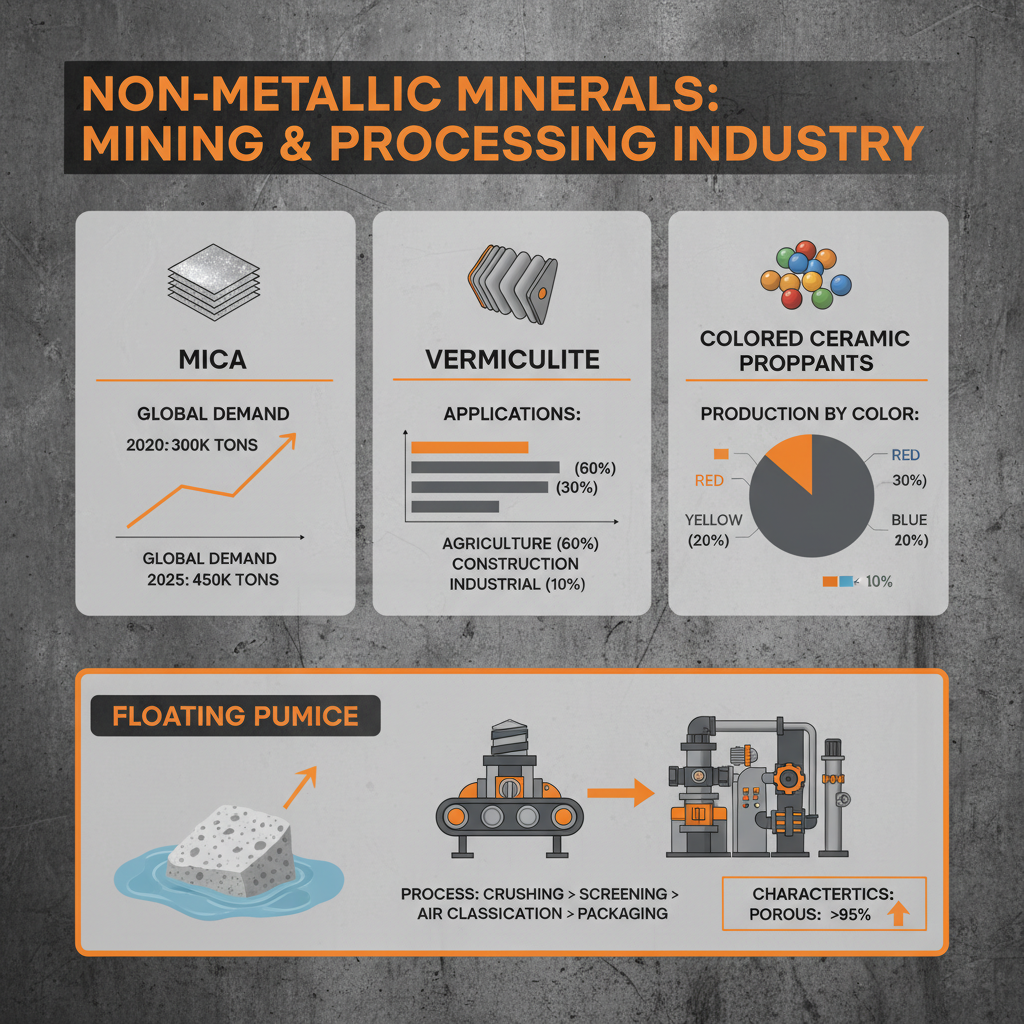
Floating pumice is a form of volcanic rock created during explosive eruptions. The rapid cooling and depressurization of lava create a frothy, glass-rich material filled with gas bubbles. This results in an incredibly lightweight stone, often light enough to float on water – hence the name. The abundance of vesicles (gas bubbles) contributes to its high porosity and low density. Its composition is primarily silica-based, but can also contain other minerals depending on the originating volcanic source. The quality of the pumice significantly impacts its suitability for different applications.
Key Characteristics: Lightweight, porous, abrasive, chemically inert, natural, sustainable.
Applications of Floating Pumice
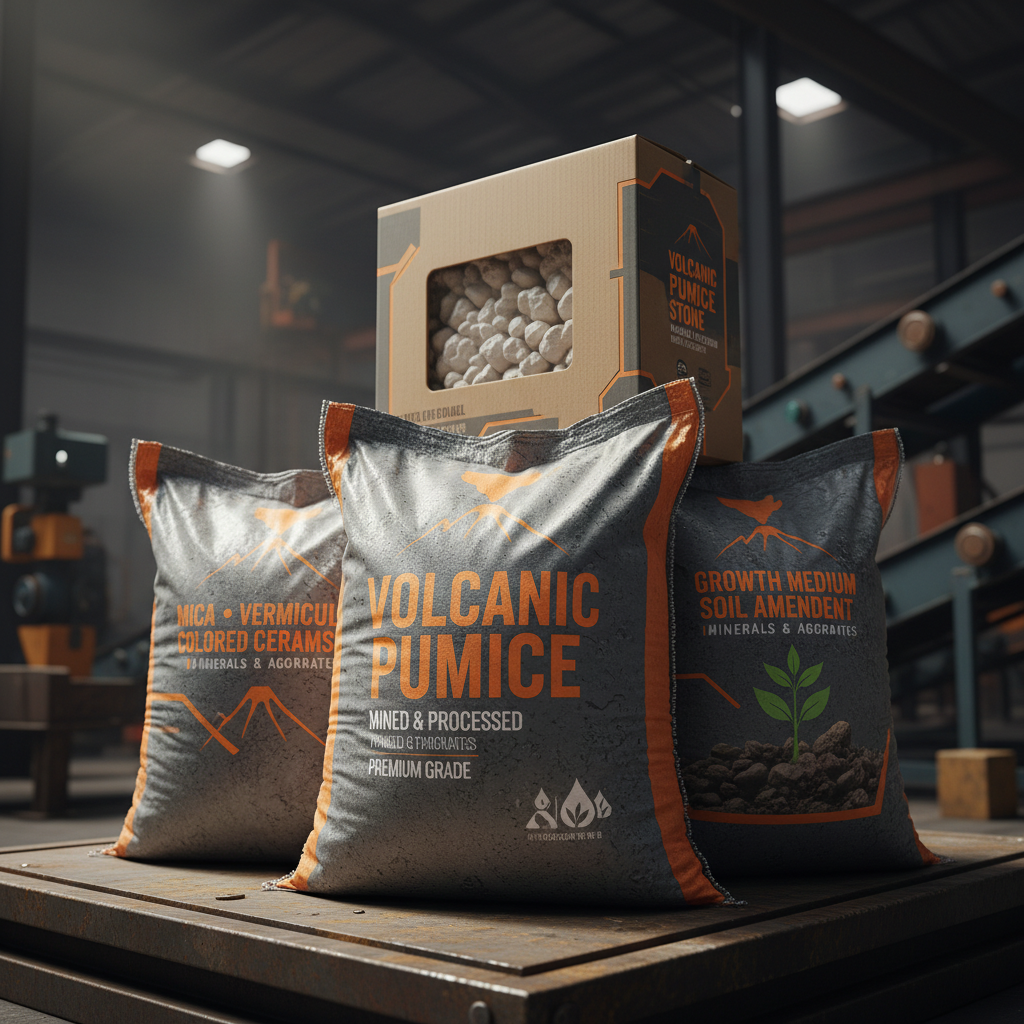
The unique characteristics of floating pumice make it valuable in a wide range of applications. In horticulture, it’s used as a soil amendment to improve drainage, aeration, and water retention. Its abrasive qualities are exploited in industrial cleaning products, polishing compounds, and even in the denim industry for stone washing. The cosmetic industry utilizes finely ground pumice as an exfoliant in skincare products. Furthermore, it serves as a lightweight aggregate in construction and is used in filtration systems. The growing demand stems from its sustainable nature and effective performance.
Application Breakdown:
• Horticulture: Soil amendment, hydroponics
• Industrial: Cleaning, polishing, stone washing
• Cosmetic: Exfoliants
• Construction: Lightweight aggregate
Floating Pumice: Grades and Specifications
Floating pumice isn't a one-size-fits-all product. It’s available in various grades based on particle size, density, and purity. These grades cater to specific application requirements. For example, horticultural pumice typically falls within a certain particle size range to optimize drainage, while industrial pumice might require a specific abrasive grit. Here's a breakdown of common grades:
Sourcing High-Quality Floating Pumice
When sourcing floating pumice, several factors should be considered. The origin of the pumice impacts its chemical composition and purity. Reputable suppliers will provide detailed specifications and quality control data. It’s crucial to verify the pumice is free from contaminants and meets the required grade for your application. Logistics and transportation costs are also significant considerations, especially for bulk orders. Working with a reliable partner ensures consistent quality and timely delivery.
Environmental Considerations and Sustainability
Floating pumice is a naturally occurring resource, and responsible sourcing is paramount. While volcanic eruptions are natural processes, the extraction and processing of pumice should be conducted with minimal environmental impact. Sustainable practices include minimizing waste, conserving water, and restoring the land after extraction. Choosing suppliers committed to environmentally responsible operations ensures a sustainable supply chain. Baifeng Mining emphasizes sustainable sourcing and responsible environmental stewardship.
Conclusion: The Versatility and Promise of Floating Pumice
Floating pumice is a remarkably versatile and sustainable material with applications spanning numerous industries. From improving soil health to enhancing industrial processes and enriching cosmetic formulations, its unique properties continue to drive innovation. By understanding its characteristics, grades, and sourcing considerations, you can effectively leverage the potential of this natural resource.
Frequently Asked Questions (FAQs)
What makes floating pumice different from other types of pumice?
The key difference lies in its density and porosity. Floating pumice has a significantly lower density due to a higher concentration of gas vesicles. This allows it to float on water, a characteristic not shared by denser pumice varieties. The greater porosity also contributes to its superior drainage and aeration properties, making it especially valuable in horticultural applications. Furthermore, the formation process impacts the glass content and abrasive qualities of the pumice.
How is floating pumice harvested?
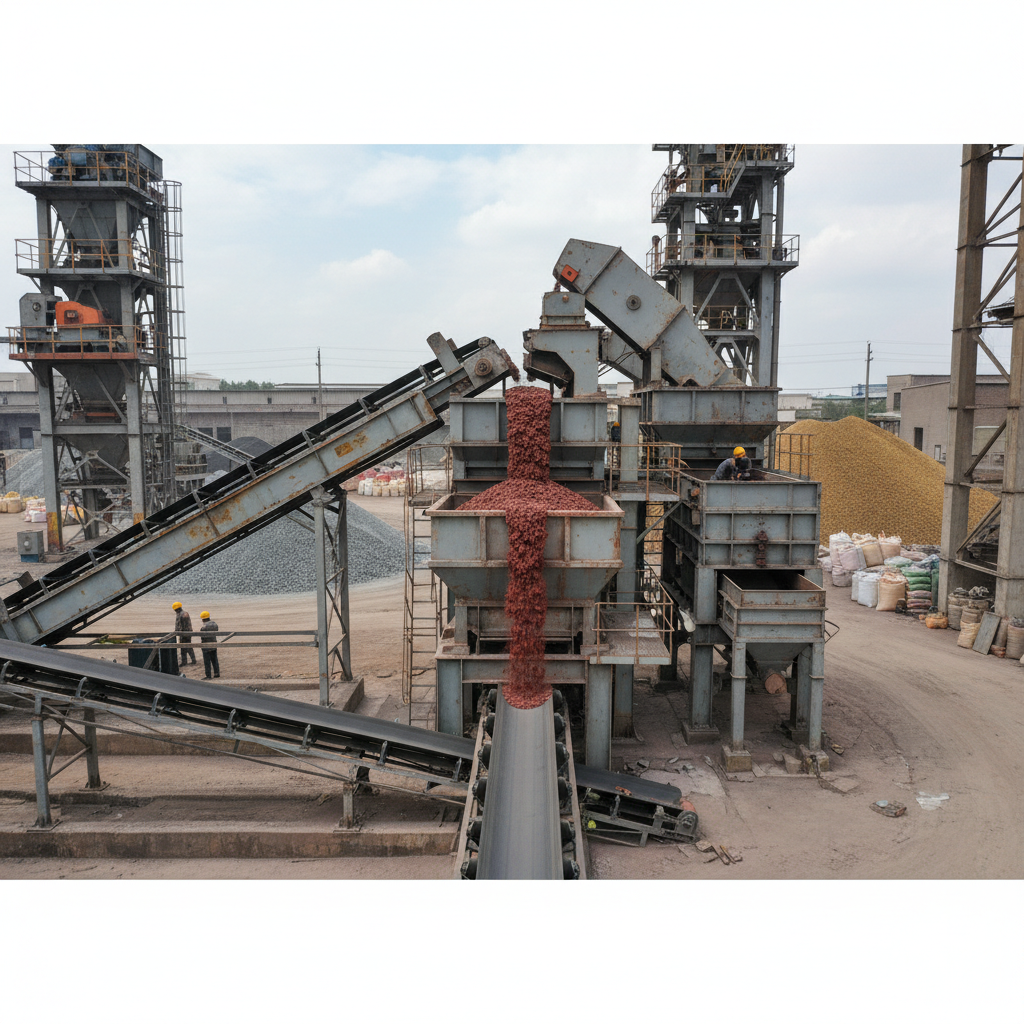
Floating pumice is typically harvested from the ocean surface after a volcanic eruption. Specialized vessels equipped with skimming equipment collect the pumice rafts. This process requires careful navigation and consideration of ocean currents and weather conditions. The harvested pumice is then washed, sorted, and processed based on particle size and quality. Sustainable harvesting practices aim to minimize environmental disturbance and ensure the long-term viability of the resource.
Can floating pumice be used in aquaponics systems?
Yes, floating pumice is an excellent growing medium for aquaponics systems. Its lightweight nature and high porosity provide excellent drainage and aeration, crucial for root health. It also acts as a natural biofilter, supporting the beneficial bacteria that convert fish waste into plant nutrients. Furthermore, it is inert and won’t decompose, offering a long-lasting and sustainable growing solution.
What are the advantages of sourcing from Baifeng Mining?
Baifeng Mining provides consistently high-quality floating pumice sourced responsibly. We offer a range of grades to meet diverse application requirements and provide detailed specifications to ensure product suitability. Our commitment to sustainable practices and efficient logistics ensures a reliable supply chain and excellent customer service. We strive to exceed customer expectations through quality, consistency, and environmental stewardship.
Related News