Understanding Pumice Types: A Comprehensive Guide
Pumice, a fascinating volcanic rock, is prized for its unique properties and diverse applications. From exfoliating skincare to industrial filtration, its lightweight and abrasive nature makes it incredibly versatile. But not all pumice is created equal! There are several pumice types, each with distinct characteristics that influence its suitability for specific uses. This article will explore the different categories of pumice, their formation, properties, and applications, helping you understand which type is best suited for your needs. We’ll delve into factors like density, particle size, and chemical composition, providing a comprehensive overview of this remarkable natural resource.
What Creates Different Pumice Types?
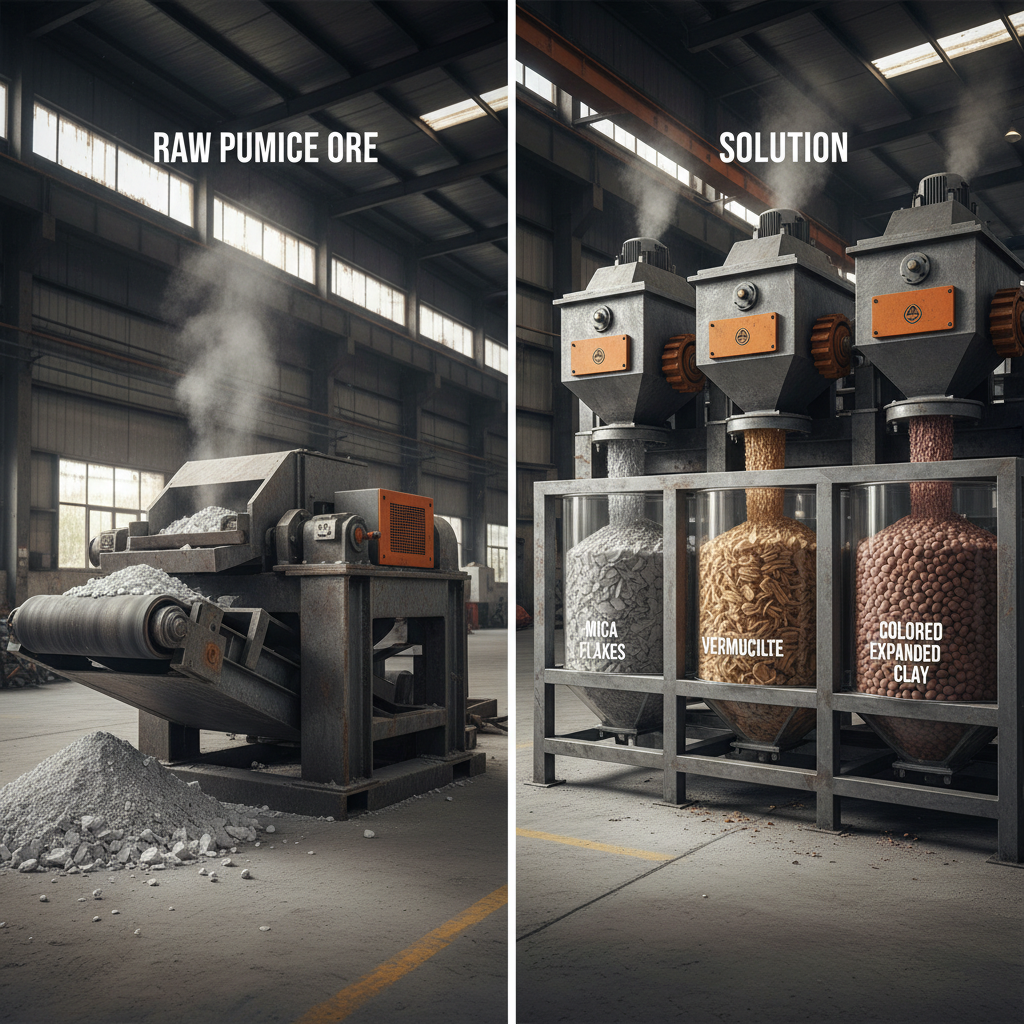
The variations in pumice types stem from the conditions under which they are formed. Pumice is created during explosive volcanic eruptions when gas-rich lava is ejected into the atmosphere. The rapid decompression causes the lava to expand dramatically, forming a frothy, vesicular rock. The composition of the lava (silica content, mineral content), the amount of dissolved gases, and the cooling rate all contribute to the final characteristics of the pumice. For example, pumice derived from rhyolitic lava tends to be lighter in color and finer-grained, while pumice from basaltic lava can be darker and more dense. Understanding these formative factors is key to appreciating the differences between the various pumice types available.
Key Factors in Pumice Formation: The composition of the lava, the amount of dissolved gases, and the cooling rate.
Common Pumice Types and Their Properties
Here’s a breakdown of some of the most common pumice types encountered in the market. Each possesses unique properties suited for different purposes:
Particle Size and Grading of Pumice
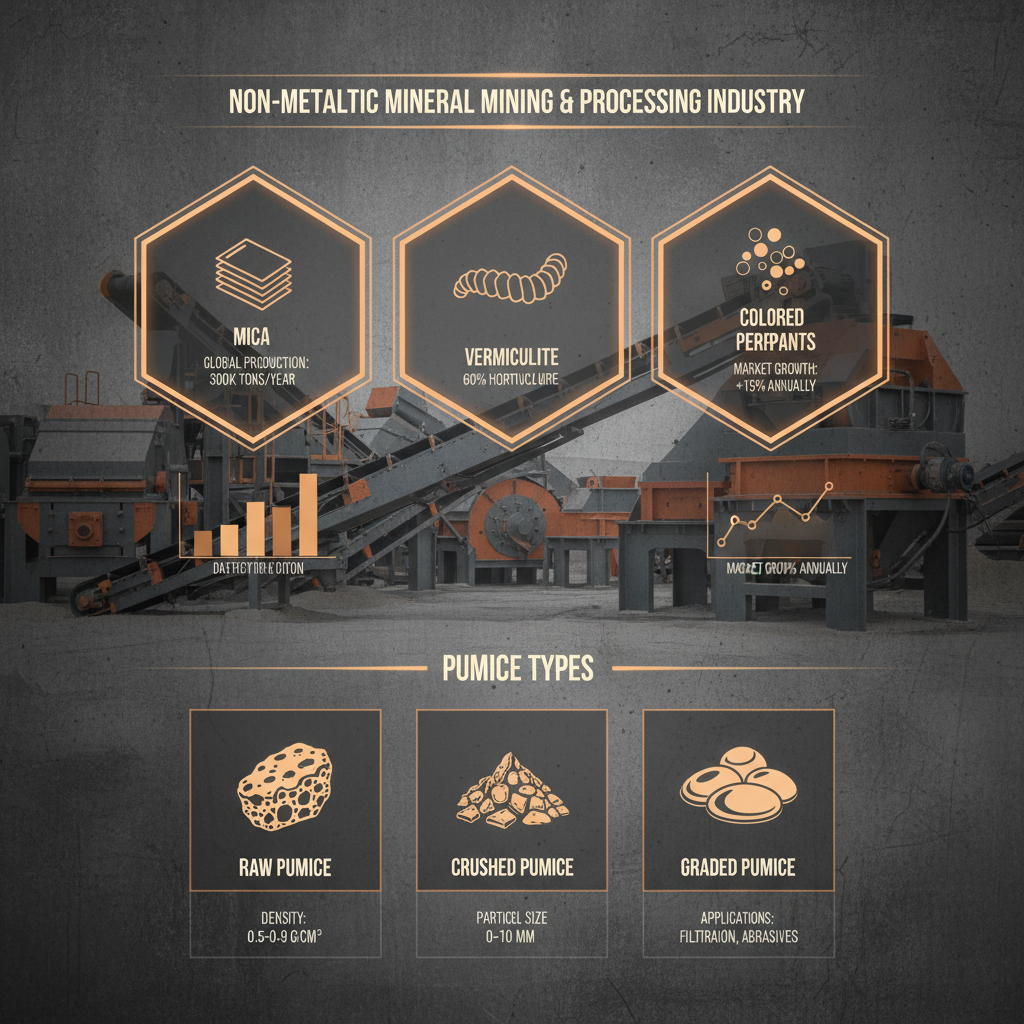
Beyond the broad categories, pumice is also classified by its particle size. This grading significantly impacts its performance in various applications. The most common grades include: coarse (larger particles, ideal for heavy-duty cleaning), medium (a versatile all-purpose grade), fine (suited for polishing and skincare), and powder (used in dental polishing compounds and specialized abrasives). Baifeng Mining offers a variety of pumice grades to meet specific customer requirements.
Pumice Applications: A Diverse Range of Uses
The versatility of pumice is remarkable. Its unique properties lead to applications in a wide range of industries. In the cosmetic industry, finely ground pumice acts as a natural exfoliant, removing dead skin cells. In construction, pumice is used as a lightweight aggregate in concrete, reducing weight and improving insulation. It is also a crucial component in industrial cleaning products, offering a non-toxic abrasive alternative to harsh chemicals. Furthermore, pumice plays a role in horticulture, improving soil aeration and drainage. The diverse uses of pumice truly showcase its remarkable qualities.
Choosing the Right Pumice for Your Needs
Selecting the appropriate pumice type depends entirely on your intended application. Consider factors like the required abrasiveness, desired particle size, and compatibility with other materials. For delicate applications like skincare, a fine-grade white pumice is ideal. For heavy-duty cleaning or abrasive blasting, a coarser-grade black pumice may be more suitable. Understanding these nuances will ensure you achieve optimal results.
Conclusion: The Power and Versatility of Pumice
Pumice is a remarkable natural resource with a wide range of applications. From its unique formation to its diverse types and grades, understanding pumice is essential for maximizing its potential. Whether you’re in the cosmetics industry, construction, or horticulture, selecting the right pumice type can significantly enhance your processes and products. Baifeng Mining is a trusted supplier of high-quality pumice, offering a comprehensive range of products to meet your specific needs.
Frequently Asked Questions (FAQs)
What are the main differences between white and gray pumice?
White pumice is generally lighter in density and has a finer particle size, making it ideal for applications requiring gentle abrasion, such as skincare or polishing delicate surfaces. Gray pumice, on the other hand, is denser and more abrasive, commonly used in industrial cleaning, filtration, and construction where a stronger abrasive action is needed. The color difference reflects variations in the lava composition during formation – white pumice typically originates from silica-rich lava, while gray pumice often comes from less silica-rich sources.
Is pumice an environmentally friendly material?
Yes, pumice is considered a very environmentally friendly material. It is a naturally occurring volcanic rock, requiring minimal processing. Unlike many synthetic abrasives, pumice is non-toxic and biodegradable. Its use can even contribute to sustainability by reducing the need for more harmful alternatives in cleaning and polishing applications. The mining of pumice also typically has a relatively low environmental impact compared to other mining operations.
Can pumice be used in gardening?
Absolutely! Pumice is an excellent addition to garden soil. Its porous structure improves drainage and aeration, creating a healthier environment for plant roots. It also helps retain moisture without becoming waterlogged. Red pumice is particularly well-suited for gardening, as it contains trace minerals that can benefit plant growth. It’s commonly used in potting mixes and as a top dressing for various plants.
Where can I source high-quality pumice?
Baifeng Mining is a leading supplier of high-quality pumice, offering a wide range of grades and sizes to meet diverse customer needs. We are committed to providing consistent quality and reliable service. Visit our website or contact us directly to discuss your specific requirements.
Related News