What Is Dolomite Powder for Agriculture and Why It Matters
Ever stumbled across dolomite powder for agriculture and wondered what exactly it is? In simple terms, it’s a naturally occurring mineral ground into fine powder, primarily composed of calcium magnesium carbonate. More than just a mineral deposit, it’s become a quiet hero in the vast world of farming, soil management, and sustainable agtech.
Why does it matter globally? Well, soil health is a cornerstone of food security, and dolomite powder helps bring that health back in areas where soils are acidic or mineral deficient. That’s crucial amidst rising challenges like climate change, shrinking arable land, and the growing demand for sustainable farming practices worldwide.
Understanding dolomite’s benefits offers farmers, agronomists, and environmental scientists a versatile tool to enhance crop yield, improve soil structure, and manage soil pH — a trifecta of wins when it comes to feeding a hungry world sustainably.
How Dolomite Powder Supports Global Agriculture Today
In global agricultural circles, dolomite powder for agriculture has gained attention due to its cost-effective and eco-friendly nature. Data from the FAO shows nearly 30% of the world's arable soils are acidic, directly impacting crop productivity. So treating these soils isn’t just a fad — it’s a necessity. That’s where dolomite comes in, raising soil pH levels gently without the harsher effects of pure lime, while adding essential magnesium and calcium nutrients.
Major farming regions — from the fields of Iowa to India’s expansive farmlands and even parts of Sub-Saharan Africa — employ dolomite powder to rehabilitate soils. This helps address nutrient depletion caused by both intensive agriculture and climate stress. Without such treatments, farmers face shrinking yields and poor soil health, which ultimately threatens local economies and food security.
The big question that often comes up is: how to manage soil amendments sustainably and efficiently — a challenge that dolomite answers with some finesse.
Defining Dolomite Powder in Agriculture: What You Should Know
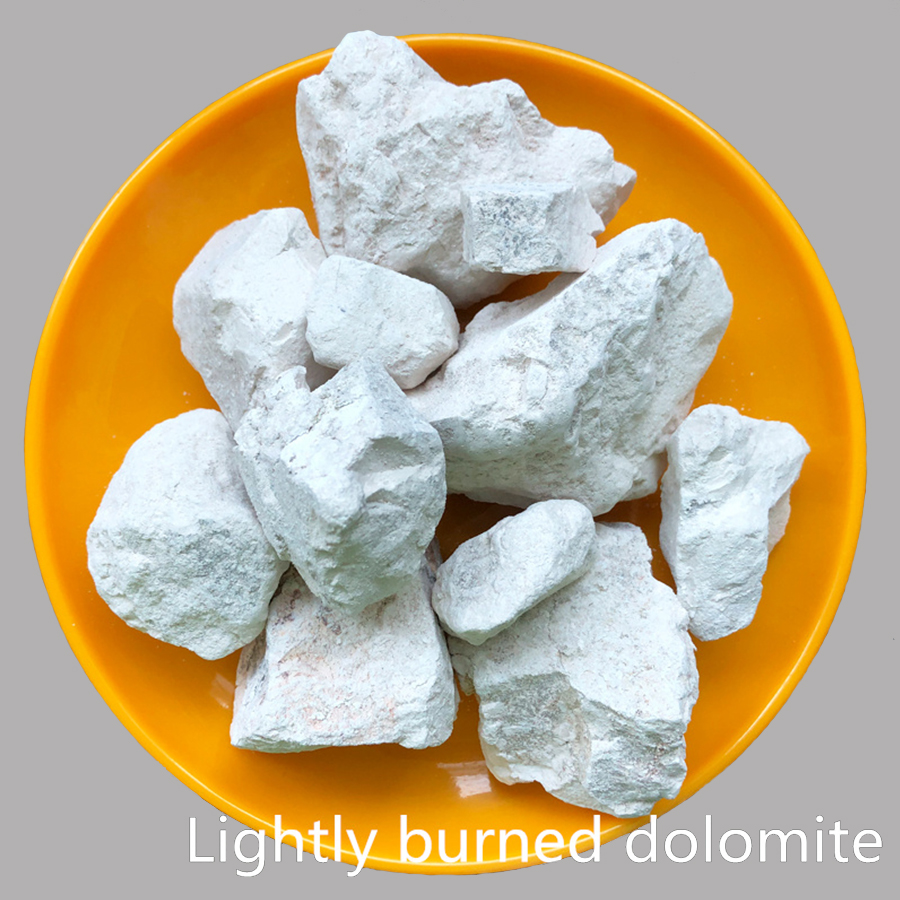
In essence, dolomite powder is the finely ground form of a sedimentary carbonate rock composed mostly of the mineral dolomite (CaMg(CO3)2). When applied to farmland, it acts as a slow-release source of calcium and magnesium — two key nutrients for plants. But that’s not all; it also works as a neutralizer to correct soil acidity, which fosters an environment where crops can thrive.
More subtly, dolomite can improve water retention in sandy soils and add structure to heavy clay soils, making it a versatile amendment for diverse farmland types. That’s why it’s often seen as more than just a lime substitute — it’s a vital player in modern sustainable agriculture.
With current agricultural focuses on reducing synthetic chemicals and enhancing organic inputs, dolomite powder fits neatly into these goals.
Core Qualities of Dolomite Powder for Agriculture
1. Soil pH Regulation
One of the primary reasons farmers use dolomite powder is for its liming effect — it increases soil pH by neutralizing excess acidity. Unlike pure calcium carbonate, dolomite adds magnesium, which crops need to build chlorophyll.
2. Nutrient Supplementation
Magnesium deficiency often flies under the radar but can stunt crops just as badly as nitrogen shortages. Dolomite offers a natural, balanced Mg and Ca source that promotes healthier plant growth.
3. Cost Effectiveness
Compared to alternative soil conditioners, dolomite powder is typically more affordable and readily available, especially in mineral-rich mining regions — which of course ties into local economic development.
4. Environmental Compatibility
Dolomite is non-toxic, environmentally friendly, and can be an organic input for certified farms. Its slow release quality means it doesn’t shock the soil ecosystem as some synthetic amendments do.
5. Versatility Across Soil Types
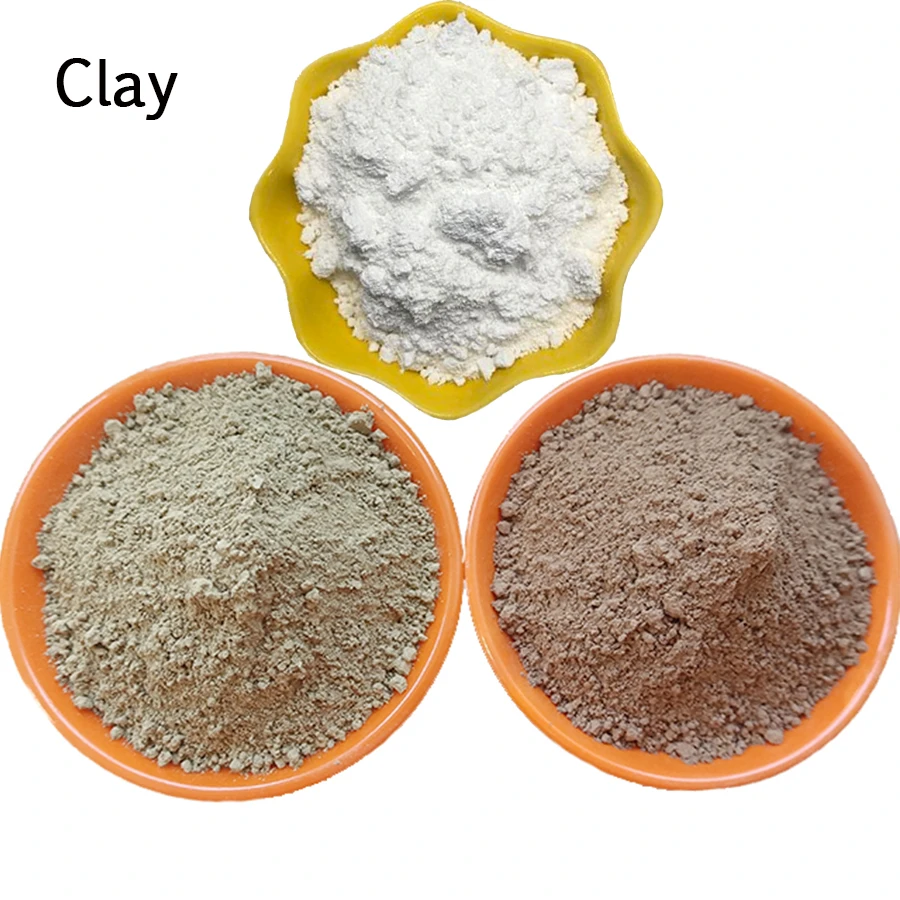
Whether used in sandy, acidic, or clay-heavy soils, dolomite powder can be customized (often blended with other materials) to improve texture, drainage, and nutrient retention.
How and Where Is Dolomite Powder Actively Used Globally?
Take Brazil’s vast soybean farms, for example: acidic tropical soils benefit tremendously from dolomite application balancing pH and improving crop resilience. Meanwhile, European vineyards use dolomite strategically to fine-tune soil nutrient profiles for optimal grape quality.
In parts of Africa, initiatives promoting sustainable agriculture leverage dolomite powder to restore degraded soils, thus enhancing farmers’ livelihoods and food security.
Even humanitarian aid organizations involved in post-disaster food production have found dolomite useful for rehabilitating devastated farmland quickly, turning back a crucial corner to normality.
If you’re curious about agricultural specifics, you might enjoy browsing dolomite powder for agriculture sources — there’s a lot of fascinating variation out there depending on geology and mining methods.
Product Specifications: Typical Dolomite Powder for Agriculture
| Parameter | Typical Value | Remarks |
|---|---|---|
| Calcium Carbonate (CaCO3) | 30–40% | Essential for neutralizing soil acidity |
| Magnesium Carbonate (MgCO3) | 18–25% | Boosts chlorophyll and photosynthesis |
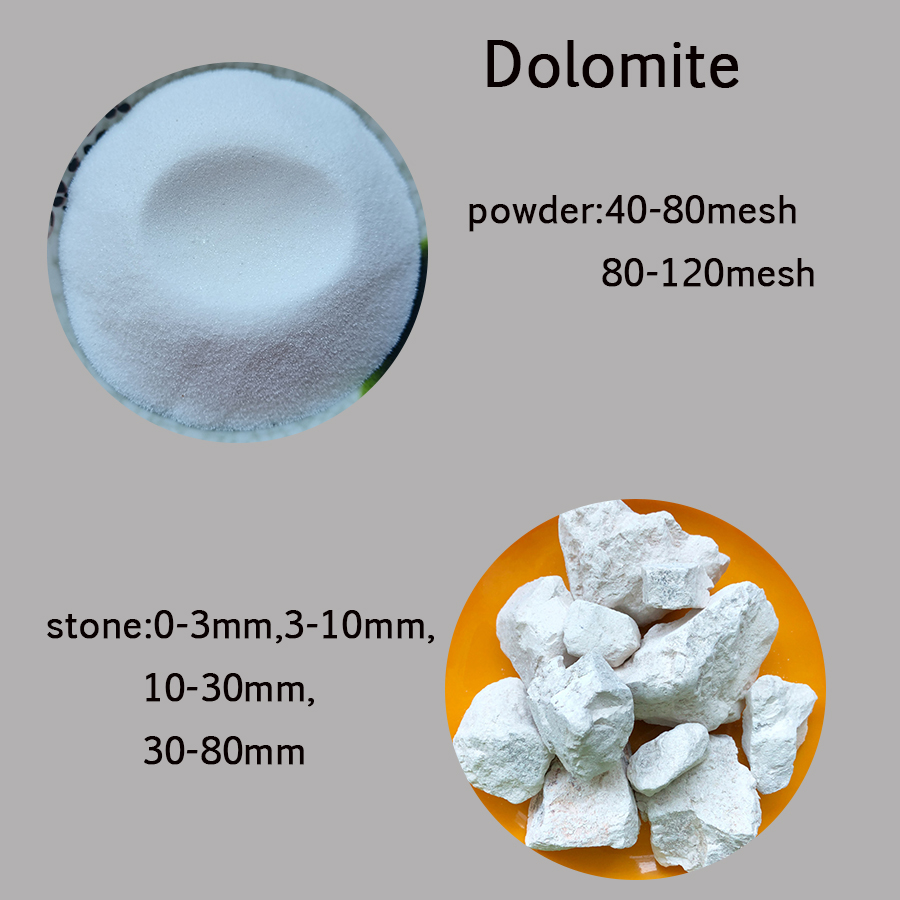
| Particle Size | Below 75 microns (200 mesh) | Fine powder ideal for fast soil action |
| Moisture Content | Low moisture ensures shelf stability | |
| pH (in water) | 8.5–9.5 | Slightly alkaline |
How Do Suppliers Compare? A Quick Look at Some Major Vendors
| Supplier | Source Location | Purity Range (%) | Particle Size | Typical Markets |
|---|---|---|---|---|
| Baifeng Mining | China | 38–42 | Below 75 microns | Agriculture, feed, pharma |
| Gulf Minerals | Middle East | 32–38 | 100 mesh | Soil amendment, fertilizer |
| EuroDolomite | Europe | 40+ | 50–75 microns | Premium ag markets, organic farms |
Why Dolomite Powder Brings Real Long-Term Advantages
First, let’s talk sustainability. Dolomite powder is natural, low-impact, and helps cut down the need for synthetic fertilizers — a win-win for farmers and the planet. Plus, its slow-release calcium and magnesium mean the soil stays balanced for longer periods, reducing the frequency of amendments.
Cost-wise, it keeps farming input expenses manageable — a crucial factor, especially for resource-strapped smallholders. It also supports soil microbial life by correcting harsh acidic conditions, which is vital for soil fertility beyond just mineral content.
On a human level, using dolomite can translate into better food crops, which means increased safety and dignity for farming communities. Sustainable yields mean security, and frankly, that matters more than any spreadsheet.
Looking Ahead: Innovations and Trends in Dolomite Use
The future of dolomite powder in agriculture runs alongside two major themes: sustainability and technology. Researchers are working on nano-processed dolomite formulations for even better soil availability. I heard some agronomists buzz about combining dolomite with biochar to maximize carbon sequestration while feeding soils.
Moreover, governments are beginning to back eco-friendly soil amendments with subsidies or incentives — a sign that dolomite’s role isn’t just remaining relevant but expanding.
And with the rise of precision farming, dolomite application can be fine-tuned using satellite data and soil sensors — meaning less waste, better economics, and more targeted soil care.
Common Challenges (And How Experts Suggest Overcoming Them)
Dolomite isn’t a miracle cure. Sometimes it releases nutrients slowly, which can frustrate farmers wanting quick fixes. Also, not all soils respond the same — excessive applications might cause magnesium overload, which can imbalance other nutrients.
The solutions? More precise soil testing beforehand, mixing dolomite with other soil conditioners, and timing applications to crop cycles are best practices. Some vendors now offer blended products tailored to specific soil profiles, which is pretty clever.
FAQ: Answers to Popular Questions About Dolomite Powder for Agriculture
- Q: Can dolomite powder be used on all soil types?
A: Dolomite powder is versatile but best suited for acidic soils needing pH adjustment and calcium-magnesium replenishment. Highly alkaline soils may not benefit and could get worse with its use. - Q: How long does it take dolomite powder to affect soil pH?
A: Typically, effects appear within 1 to 3 months depending on soil conditions and particle size. Finer powders act faster due to higher surface area for chemical reactions. - Q: Is dolomite powder safe for organic farming?
A: Yes, dolomite is widely accepted as an organic input since it is natural, non-toxic, and supports ecological balance in soil systems. - Q: How often should dolomite powder be applied?
A: Frequency depends on initial soil tests, crop requirements, and climatic factors. Many farmers apply it once every 2-3 years, but local recommendations will vary. - Q: Where can I buy high-quality dolomite powder?
A: Trusted suppliers like Baifeng Mining offer certified products with consistent quality tailored for agricultural use.
Summing It Up — The Value Dolomite Powder Brings to Agriculture
All in all, dolomite powder for agriculture is much more than a mineral additive. It’s a multi-purpose ally for sustainable farming, soil restoration, and food security. From improving soil chemistry to supporting crop nutrition, its long-term benefits are tangible both for the farmer’s wallet and ecological health.
If you’re considering improving your soil health, or working on a project to combat soil degradation, it’s well worth exploring what dolomite powder can do for you. Curious to dig deeper? Feel free to visit our official supplier website and explore detailed product ranges and expert advice.
Related News