Understanding Dolomite Powder: A Hidden Gem in Global Industry
Dolomite powder isn’t exactly the headline grabber you’d see on business news, but its impact is quietly profound worldwide. From agriculture to construction, this mineral derivative plays a significant role in supporting industries that underpin daily life. Knowing what it is and why it matters can unlock better applications, sustainability efforts, and economic benefits across many sectors. In a world increasingly focused on resource efficiency and green alternatives, dolomite powder’s relevance only grows.
The Global Context: Why Dolomite Powder Matters Today
According to the United Nations and World Bank data, industries worldwide face growing pressure to optimize raw materials while minimizing environmental damage. Dolomite powder comes into play as a versatile mineral product with applications ranging from soil amendment to industrial fillers, helping to meet various sustainable development goals. Growing urbanization and infrastructure development—especially in Asia, Africa, and South America—boost demand for materials like dolomite, which offer cost effectiveness without compromising quality.
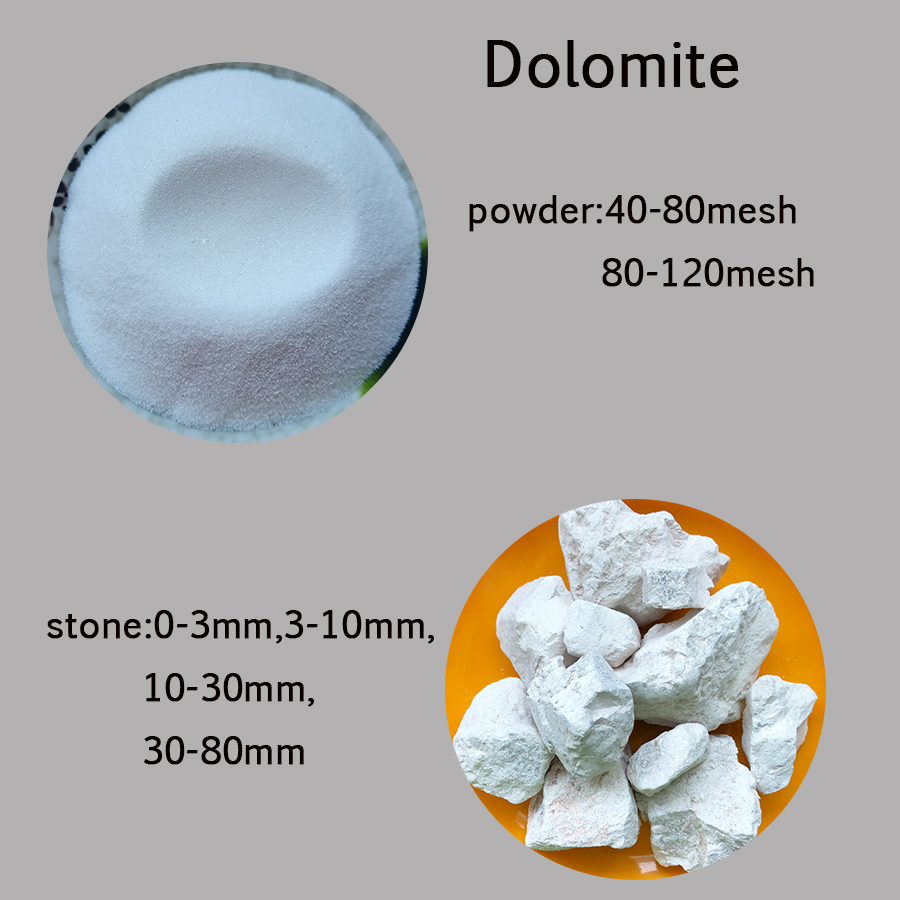
One challenge is balancing natural resource extraction with responsible usage. Excessive mining or poor processing methods can harm ecosystems, but advances in mining tech and processing have started addressing that. Dolomite powder is often cited in industrial forums as a mineral that, when responsibly sourced, offers a pragmatic middle ground for industries seeking both performance and environmental compliance.
Mini takeaway:
Dolomite powder’s significance extends beyond its mineral origins — it’s part of a bigger industrial puzzle emphasizing sustainability and economic development worldwide.
What Exactly Is Dolomite Powder?
Simply put, dolomite powder is finely ground dolomite rock, which is primarily a calcium magnesium carbonate mineral. It’s a naturally occurring substance quarried from deposits and then milled into a soft, white or grayish powder. Its unique composition—rich in both calcium and magnesium—makes it invaluable for correcting soil acidity, manufacturing refractory bricks, and serving as an inert filler in plastics or paints.
In modern industry, it bridges the gap between raw mineral extraction and specialized uses, often fulfilling needs that pure limestone or other carbonates cannot. Interestingly, humanitarian and agricultural stakeholders find dolomite powder a key material in boosting food security and rebuilding soils devastated by over-farming or disaster.
Mini takeaway:
Dolomite powder is more than just crushed rock—it’s a multi-faceted mineral ingredient essential for many industries’ sustainability and productivity.
Core Attributes That Make Dolomite Powder Practical
1. Purity and Composition
High-purity dolomite powder typically contains around 30-40% magnesium carbonate and 35-45% calcium carbonate. This exact balance ensures functionality across many applications, whether enhancing soil quality or serving as a flux in steel manufacturing.
2. Particle Size and Texture
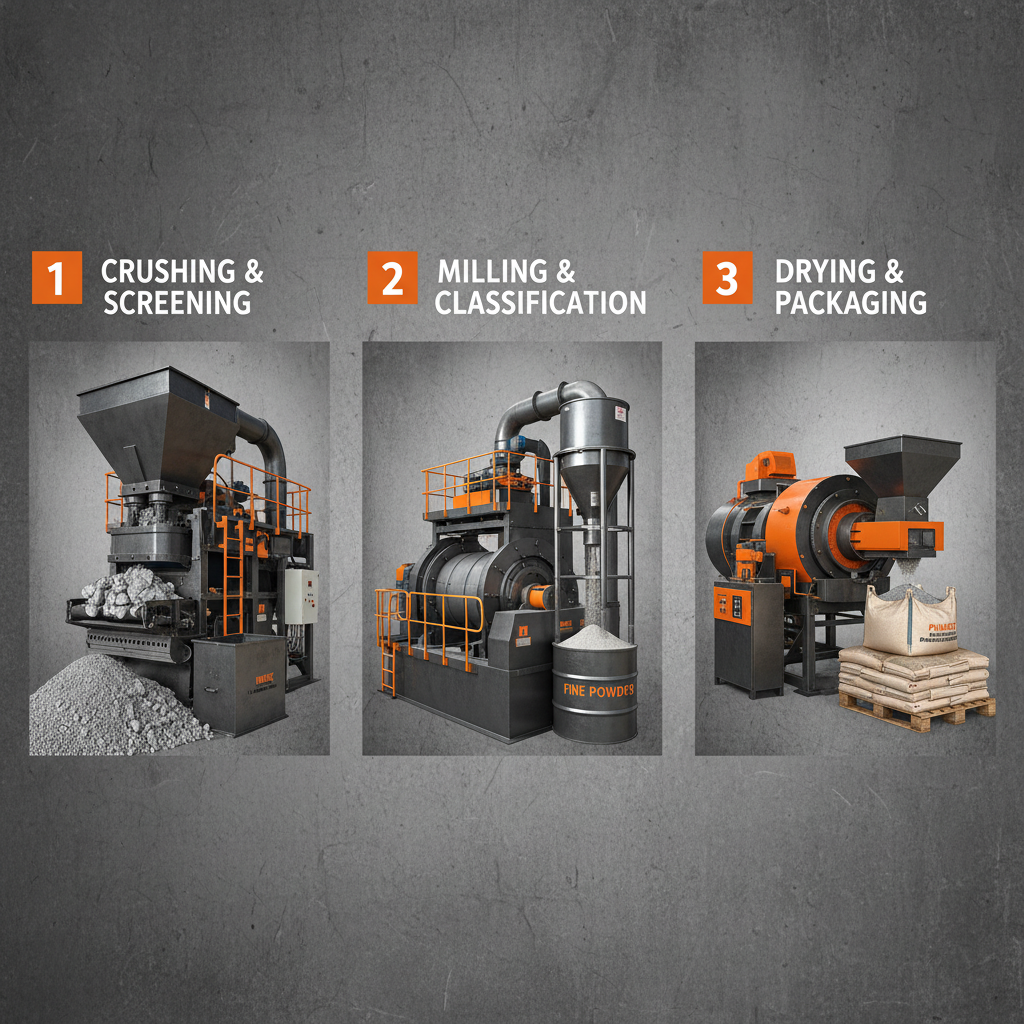
The milling process controls particle size from coarse granules to ultra-fine powders. Smaller particles increase surface area, improving reactivity—critical for agricultural or chemical uses.
3. Chemical Stability
Dolomite powder is chemically inert under normal conditions, meaning it doesn’t react aggressively with other materials. This stability is highly prized in fillers for plastics and rubber or in refractory linings exposed to high heat.
4. Cost Efficiency
Compared to synthetic mineral additives, dolomite powder is generally less expensive but still offers comparable or better performance in many contexts.
5. Environmental Compatibility
Being a natural mineral, it’s more biodegradable and less toxic than many man-made chemical additives, aiding industries striving to reduce their ecological footprint.
Mini takeaway:
The makeup and processing of dolomite powder give it a unique balance of purity, stability, and cost-effectiveness that fits diverse, often demanding, industrial roles.
How Is Dolomite Powder Used Around the World?
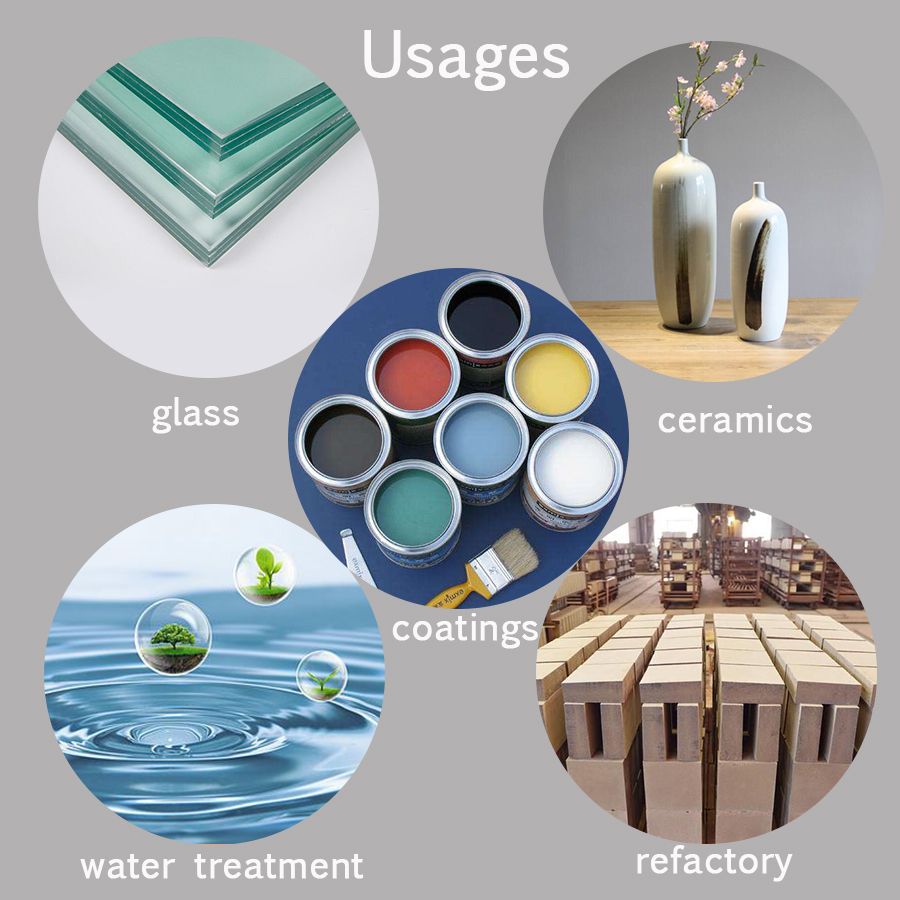
Its versatility shows up in surprisingly different corners of the globe. Here are some notable applications:
- Agriculture: In countries like India and Brazil, farmers use dolomite powder to correct acidic soils and improve magnesium levels, crucial for crop health.
- Construction: In North America and Europe, dolomite powder is mixed into cement and concrete as a filler, improving strength and durability while reducing material costs.
- Steel and Glass Manufacturing: Major industrial hubs in China and Russia employ dolomite powder as a fluxing agent during smelting.
- Environmental Uses: It serves as a neutralizing agent for acidic wastewater and flue gases, including operations in Japan and Canada.
For example, in post-disaster rebuilding efforts, applying dolomite-amended soil can accelerate land recovery, while in remote industrial areas, dolomite powder offers a reliable, multi-functional input reducing dependency on imported materials.
Mini takeaway:
Dolomite powder’s global footprint crosses agriculture, heavy industry, and environmental management, showcasing its cross-sector indispensability.
Advantages and Long-Term Benefits of Using Dolomite Powder
Industry insiders often highlight several reasons why dolomite powder remains a go-to material:
- Cost Savings: Lower material and processing costs without sacrificing efficacy.
- Environmental Sustainability: Natural origin and biodegradability align with green manufacturing policies.
- Improved Product Quality: Enhances physical properties in concrete, plastics, and glass.
- Social Impact: Enables better crop yields and soil restoration, indirectly improving food security.
- Reliability: Chemical inertness means consistent performance, reducing downtime or product recalls.
Besides logic, there’s an emotional dimension too—knowing that a tiny mineral powder plays a part in safer infrastructure or healthier soils feels oddly reassuring.
Mini takeaway:
Dolomite powder offers a blend of performance, sustainability, and social good, making it a favorite among engineers and environmentalists alike.
Future Trends: Innovations Around Dolomite Powder
Technology isn’t standing still, and neither is dolomite powder usage. Some exciting directions include:
- Green Mining Practices: Reducing environmental footprint during extraction with improved equipment.
- Nanotechnologies: Creating ultra-fine powders for high-precision applications in electronics and biotechnology.
- Composite Materials: Combining dolomite powder with polymers for lightweight, durable building materials.
- Renewable Energy: Research into using dolomite-based catalysts for biofuel production and carbon capture.
- Digital Quality Testing: AI-driven screening to ensure consistent chemical and physical profiles.
Mini takeaway:
Dolomite powder stands ready to benefit from and contribute to future tech and sustainability advances in multiple industries.
Challenges and Practical Solutions
Of course, all is not smooth sailing. Some hurdles remain:
- Variable Quality: Geographical differences in source deposits lead to inconsistent purity, affecting performance.
- Environmental Risks: Mining impacts if not responsibly managed can degrade local habitats.
- Processing Costs: Achieving ultra-fine powders requires energy-intensive milling, raising costs.
Industry leaders tackle these issues by:
- Implementing strict quality controls and certifications (ISO 9001, 14001).
- Investing in reclamation projects post-mining.
- Working on energy-efficient milling and renewable energy use in processing plants.
Mini takeaway:
While challenges exist, expert approaches and regulations foster more sustainable and efficient dolomite powder production.
Product Specification Table
| Specification | Typical Range | Unit |
|---|---|---|
| Calcium Carbonate (CaCO3) | 35-45 | % |
| Magnesium Carbonate (MgCO3) | 30-40 | % |
| Moisture Content | ≤1 | % |
| Bulk Density | 0.95-1.05 | g/cm³ |
| Particle Size (Max) | 75 | Microns |
Vendor Comparison Table
| Vendor | Purity (%) | Particle Size (Microns) | Sustainability Certifications | Price Range (USD/Ton) |
|---|---|---|---|---|
| Baifeng Mining Co. | 85-90 | 60-75 | ISO 14001, Responsible Mining | 90-120 |
| Global Minerals Ltd. | 80-85 | 50-70 | ISO 9001 | 85-110 |
| MineralTech Inc. | 78-83 | 40-65 | None | 75-100 |
Frequently Asked Questions About Dolomite Powder
1. What are the main benefits of using dolomite powder in agriculture?
Dolomite powder helps neutralize acidic soils by increasing pH levels, improving nutrient availability. It also provides magnesium and calcium, essential for healthy plant growth. Farmers worldwide appreciate it for improving crop yields and soil structure without expensive chemical fertilizers.
2. Can dolomite powder replace limestone in construction materials?
Dolomite powder can serve as a partial or full replacement for limestone fillers in cement, concrete, and asphalt mixtures. Its magnesium content sometimes offers enhanced qualities like improved durability and resistance to weathering. However, selection depends on project requirements and material availability.
3. Is dolomite powder environmentally safe for use near water bodies?
Generally, dolomite powder is inert and eco-friendly, but excessive use near sensitive ecosystems could alter water chemistry. Responsible application rates and local environmental assessments are recommended to avoid unintended effects.
4. How consistent is the quality of dolomite powder from different sources?
Quality can vary based on geographical origin and processing methods. Purity, particle size, and moisture content may differ, impacting performance. Choosing suppliers with robust quality controls and certifications ensures product reliability.
5. Where can I find reliable suppliers of high-grade dolomite powder?
Companies like Baifeng Mining offer certified, high-purity dolomite powder tailored for various industries. Check for sustainability certifications and product testing to ensure you’re getting value and environmental accountability.
Wrapping Up: The Value of Dolomite Powder in Tomorrow’s World
When I reflect on dolomite powder, it symbolizes how something seemingly simple—a mineral made millions of years ago—still holds the key to solving modern challenges. Its versatility, affordability, and environmental benefits make it a quietly indispensable part of the industrial ecosystem we rely on daily. For businesses eyeing sustainable growth and innovation, embracing materials like dolomite powder isn’t just smart; it’s nearly inevitable.
If you’re curious to explore more about sourcing or applications, visit our website to learn how this mineral can fit your needs.
References
Related News