Exploring the Versatility and Value of Pumice Red
In the world of industrial minerals and aesthetic landscaping, pumice red has emerged as a highly sought-after material due to its unique physical properties and striking visual appeal. Unlike standard white or grey pumice, the red variety offers a vibrant hue that blends functional utility with decorative elegance. Whether used in advanced horticulture, filtration systems, or architectural design, this volcanic glass provides a porous structure that is unmatched in efficiency. In this guide, we will examine why this specific mineral is becoming a preferred choice for global importers and industrial designers alike.
The Geological Origins of Pumice Red
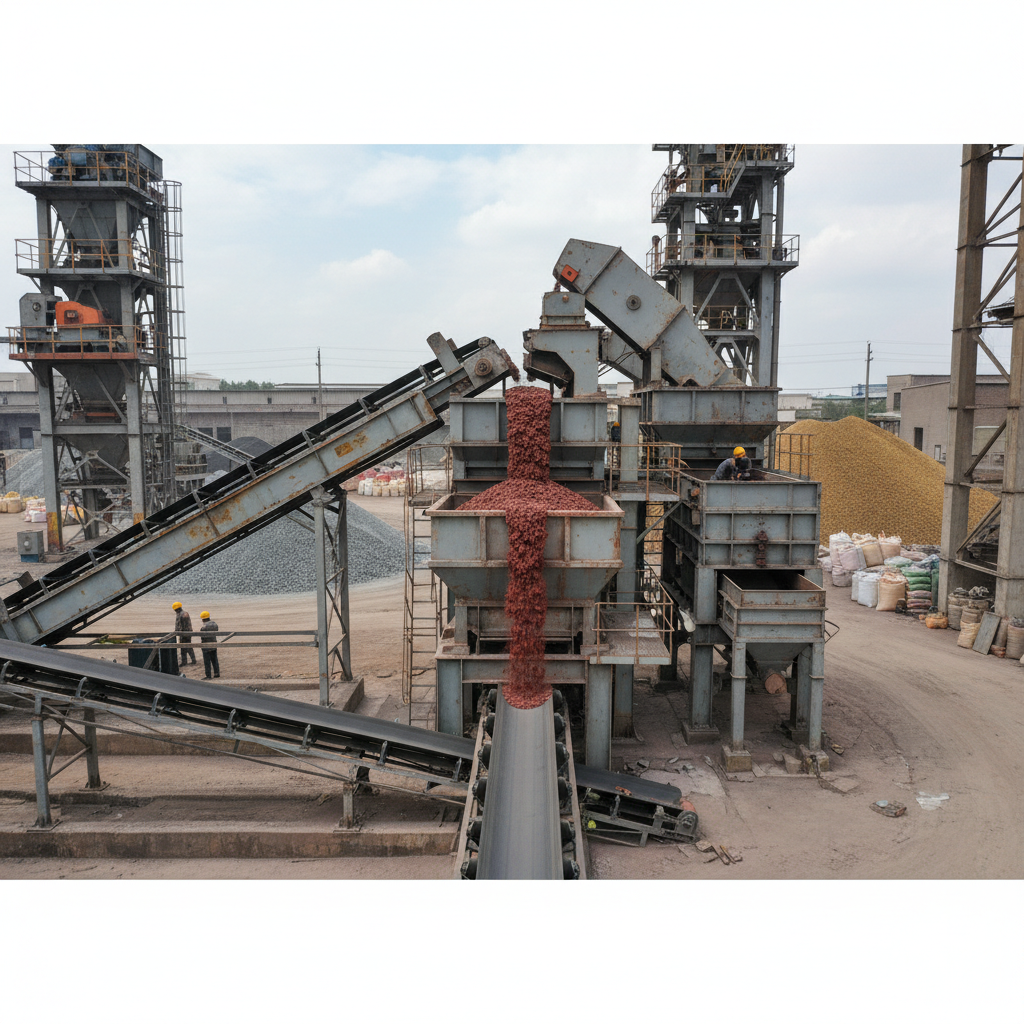
The formation of pumice red is a fascinating natural process. Born from explosive volcanic eruptions, this material is created when magma rich in iron and other minerals is rapidly cooled and depressurized, trapping gas bubbles within the glass structure. The characteristic red color is primarily attributed to the oxidation of iron minerals during the cooling process. This results in a lightweight, highly porous stone that retains strength despite its low density. Understanding the geological purity of the source is essential for ensuring a consistent color grade and structural integrity for industrial applications.
Key Insight: The higher the iron oxide content during the volcanic crystallization phase, the more intense the red pigmentation of the resulting pumice stone.
Industrial Applications of Pumice Red
The utility of pumice red extends far beyond its color. In horticulture, it is prized as a soil conditioner; its porous nature allows for excellent aeration and water retention, preventing root rot while providing essential mineral drainage. In the construction sector, it is often used as a lightweight aggregate to reduce the overall weight of concrete structures without sacrificing stability. Furthermore, its abrasive qualities make it an ideal medium for stone polishing and industrial scrubbing, where a controlled level of friction is required.
Comparing Pumice Red with Traditional Pumice
When deciding between different types of volcanic stone, it is important to understand the trade-offs between aesthetic value and specific chemical properties. While white pumice is often used for bleaching or high-brightness concrete, pumice red is preferred for landscape architecture and specialized filtration due to its unique mineral composition. The following table highlights the primary differences to help buyers make an informed decision.
Product Specifications for Pumice Red
For B2B procurement and engineering projects, having precise technical data is non-negotiable. Pumice red is typically graded by particle size to suit different needs, from fine powders for cosmetics to large aggregates for drainage. The porosity percentage is a key metric, as it determines the material's capacity for water absorption and air permeability. Below are the standard specifications usually provided for high-grade red pumice.
Sustainable Sourcing and Quality Control
As global demand for eco-friendly materials rises, the sourcing of pumice red must be balanced with environmental responsibility. Modern mining techniques focus on minimizing surface disruption and ensuring that the extraction process does not harm local biodiversity. Quality control involves rigorous screening to remove impurities and ensure a uniform color profile. This ensures that customers receive a product that meets both the aesthetic requirements for landscaping and the technical requirements for industrial filtration.
Quality Assurance Steps:
• Precision crushing for exact particle size distribution
• Color consistency testing via spectrophotometry
• Moisture content regulation for efficient shipping
• Third-party purity certification
Conclusion: The Strategic Choice of Pumice Red
In conclusion, pumice red is more than just a colorful stone; it is a high-performance mineral that bridges the gap between industrial utility and visual design. From enhancing soil health to providing lightweight structural support and stunning landscape aesthetics, its versatility is unmatched. By choosing a supplier committed to quality and sustainability, businesses can leverage the unique properties of this volcanic glass to create superior products and environments. Invest in the strength and beauty of red pumice for your next project.
Frequently Asked Questions (FAQs)
Is pumice red natural or dyed?
True high-quality pumice red is entirely natural. Its color is derived from the presence of iron oxides within the volcanic glass, which oxidize during the cooling process after a volcanic eruption. Unlike dyed stones, natural red pumice will not fade over time when exposed to UV rays or water, making it the ideal choice for outdoor landscaping and permanent architectural installations. Always verify with your supplier that the product is naturally pigmented to ensure long-term color stability.
How does pumice red benefit plant growth in horticulture?
Pumice red benefits plants primarily through its high porosity. It creates air pockets within the soil, which prevents compaction and allows oxygen to reach the roots more effectively. Furthermore, it acts as a reservoir, absorbing water and releasing it slowly to the plant, which reduces the frequency of watering. Because it is chemically inert, it does not significantly alter the pH of the soil, making it compatible with a wide variety of plant species, from succulents to tropical orchids. Its red color also adds an aesthetic layer to professional greenhouse displays.
Can pumice red be used for water filtration?
Yes, pumice red is an excellent medium for biological filtration. Its vast internal surface area provides a massive habitat for beneficial nitrifying bacteria, which break down harmful ammonia and nitrites in aquatic systems. It is commonly used in aquarium filters, pond systems, and even some industrial wastewater treatment processes. Its durability ensures that the filter bed does not collapse over time, maintaining a consistent flow rate while maximizing the purification efficiency of the system.
How should I store bulk pumice red to prevent degradation?
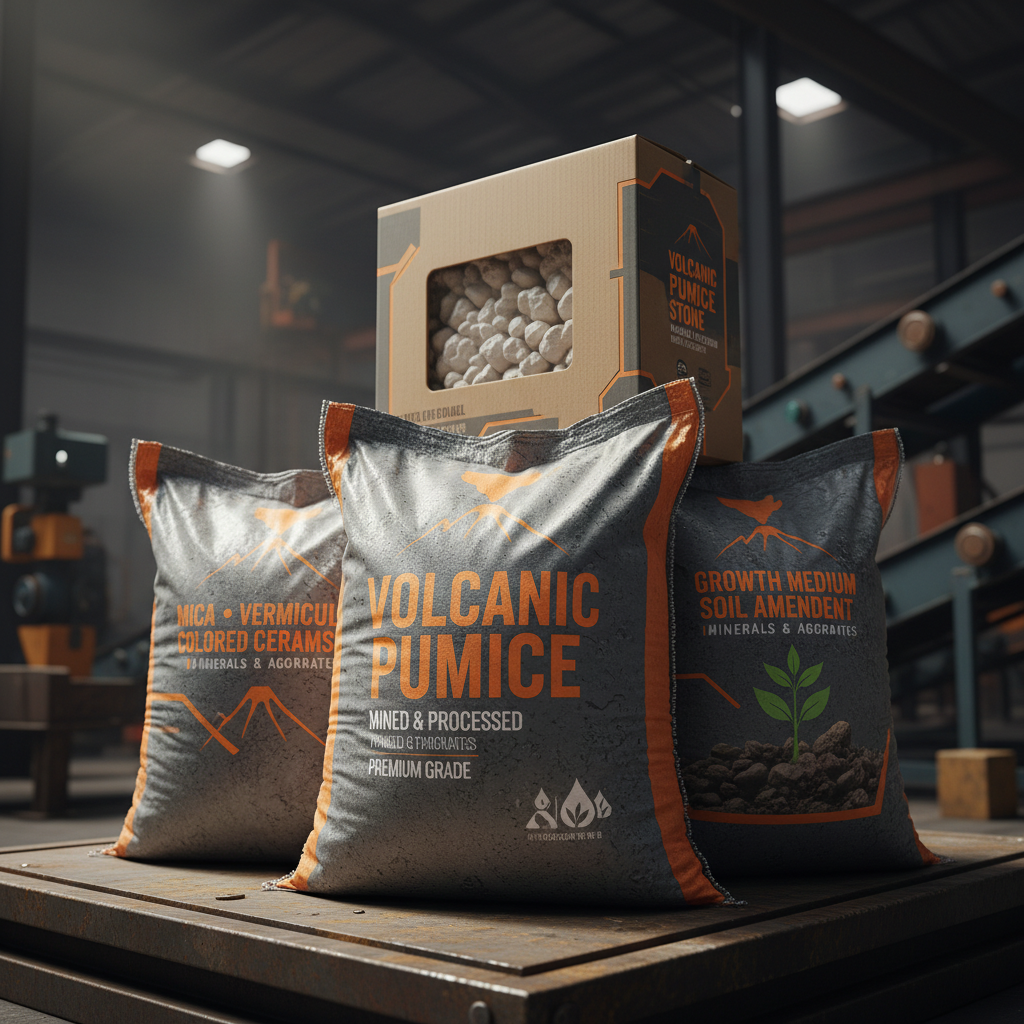
Pumice red is a very stable mineral and does not degrade like organic materials. However, to maintain its purity and prevent contamination, it should be stored in a dry, well-ventilated area. If stored in bulk piles, ensure the area is paved or lined to prevent the pumice from mixing with the ground soil. For smaller quantities, heavy-duty polypropylene bags are recommended to keep moisture and dust out. While it is not sensitive to temperature, keeping it away from strong chemical pollutants ensures that its ability to absorb water and nutrients remains optimal for horticultural use.
Related News