Understanding Dolomite Powder Suppliers: The Backbone of Many Industries
Dolomite powder suppliers might not make headlines like tech startups or renewable energy firms, but their role is quietly pivotal across the globe. At first glance, dolomite powder is just a simple mineral dust — but its suppliers form a crucial link between raw natural resources and numerous industrial applications, from construction and agriculture to environmental engineering. Why does this matter? Well, with increasing demand for sustainable and cost-effective materials worldwide, knowing who supplies dolomite powder, what quality standards they meet, and how their products are used can unlock smarter sourcing choices and better project outcomes — whether you’re building highways or improving soil health.
The Global Context: Why Dolomite Powder Suppliers Matter Today
Globally, the mineral industry, which dolomite powder is part of, contributes billions of dollars to economies and supports millions of jobs. According to the United Nations, sustainable mining and mineral supply chains are essential for achieving many Sustainable Development Goals (SDGs). Dolomite itself, rich in magnesium and calcium carbonates, is vital for industries in Asia, Europe, and the Americas, where infrastructure development and agriculture are booming.
However, the challenge lies in balancing extraction with environmental responsibility and ensuring the supply chain remains robust — fluctuating demand, variable ore quality, and rising logistics costs all put pressure on dolomite powder suppliers to evolve and innovate.
Mini takeaway: Sustainable, reliable dolomite powder supply is more than a commodity issue; it’s part of global efforts to build resilient and greener industries.
Defining Dolomite Powder Suppliers
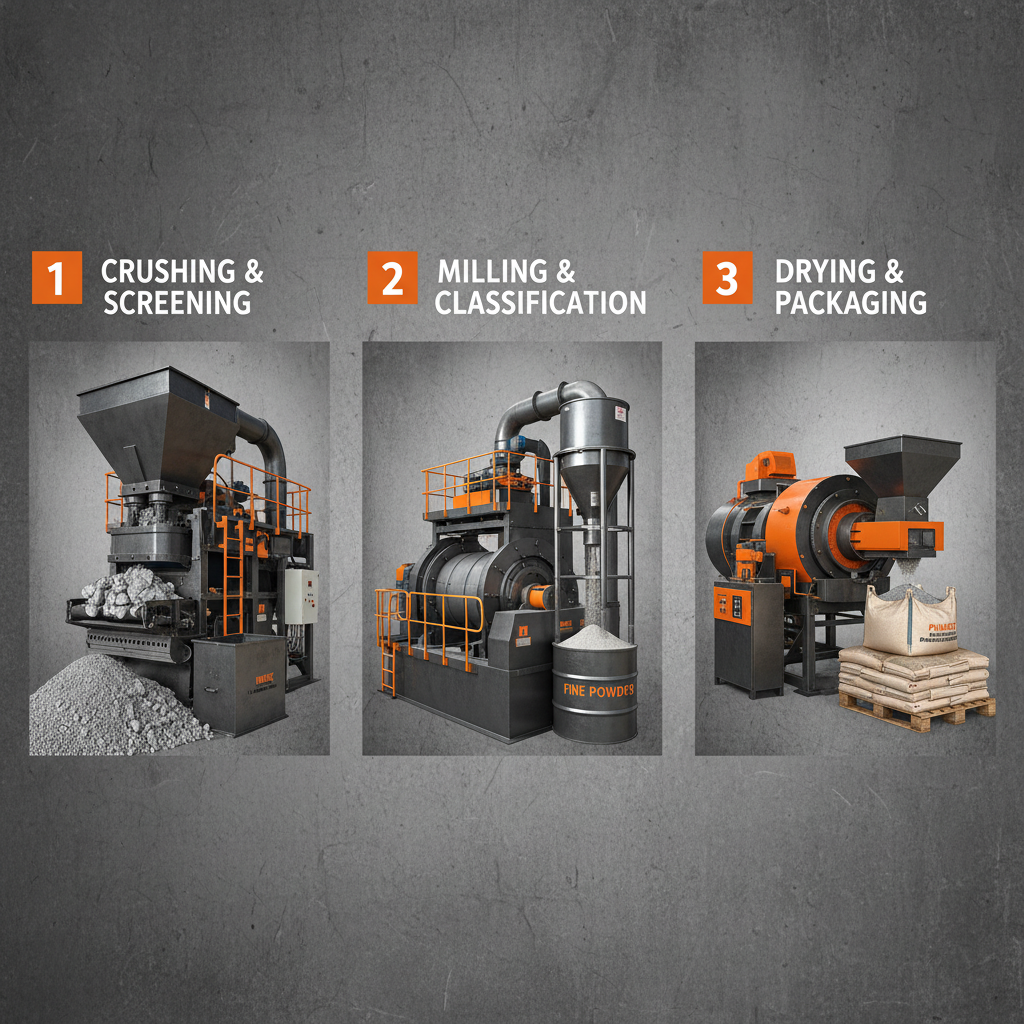
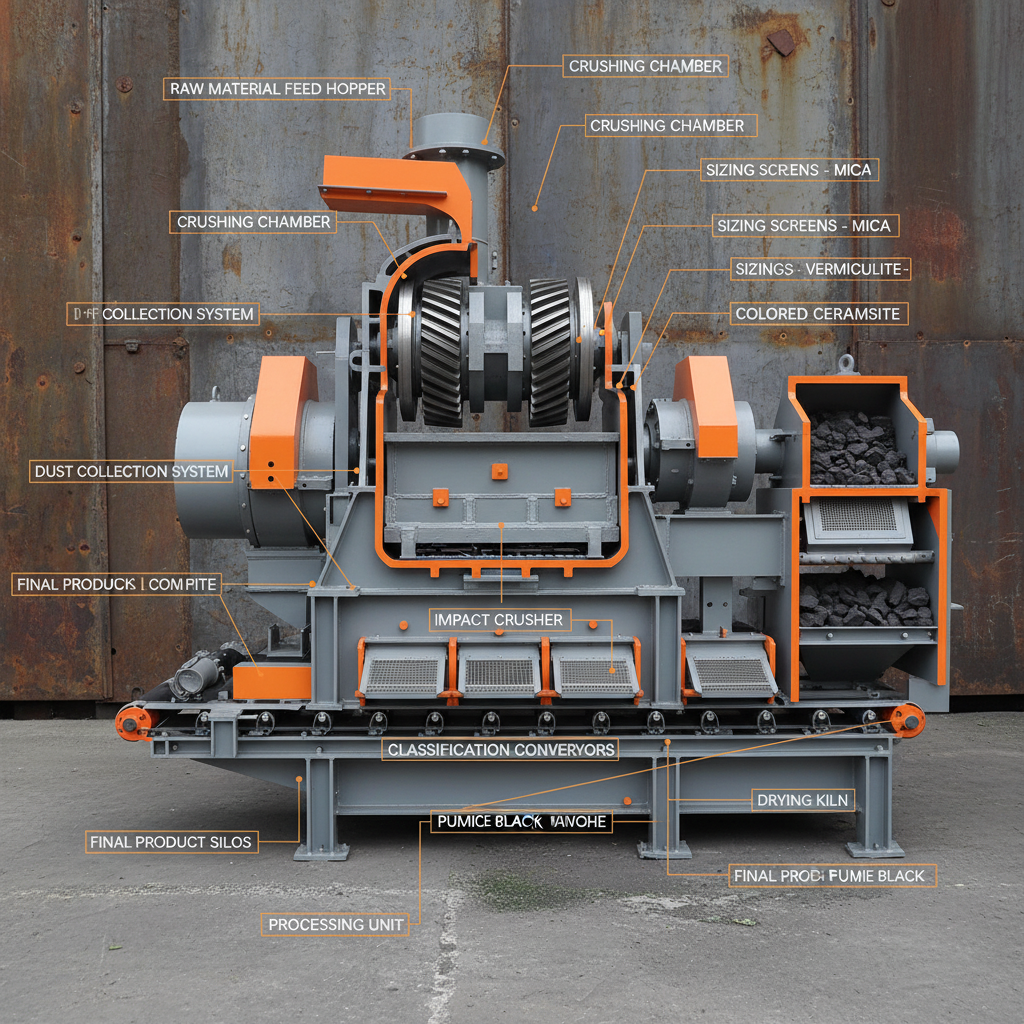
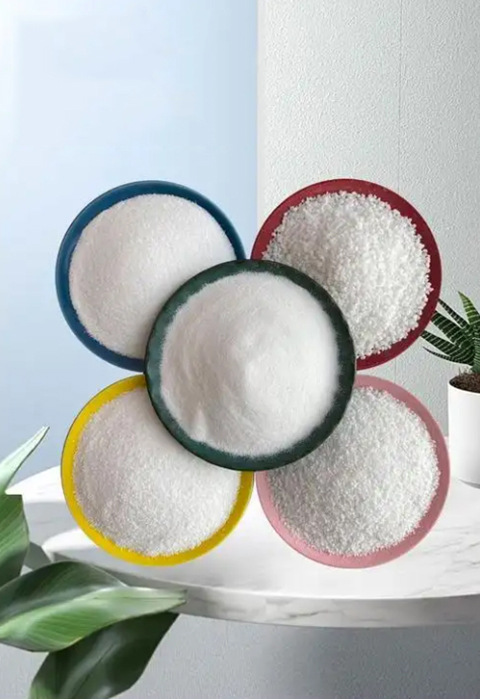
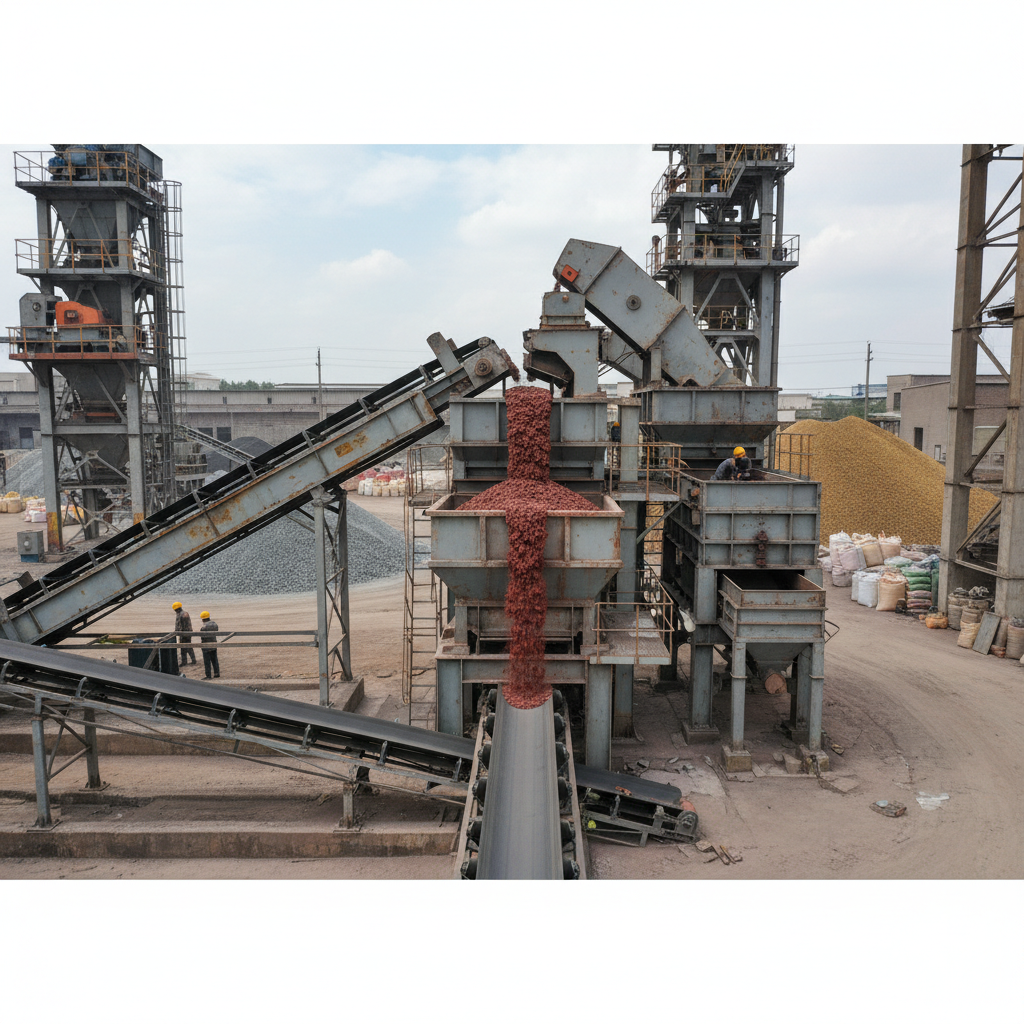
So what exactly do we mean by “dolomite powder suppliers”? In simplest terms, these are businesses or entities that mine dolomite rock, grind it into a fine powder, and deliver it tailored to client requirements. The significance lies in their ability to ensure consistent purity, particle size, and chemical composition — factors that influence how dolomite powder performs in end-use scenarios.
This product is intertwined with modern industries like steel manufacturing, agriculture (where it adjusts soil pH), or construction (serving as filler or aggregate). In a way, these suppliers act as the unsung heroes transforming a humble rock into highly valued raw material that supports everything from farming livelihoods to cutting-edge manufacturing.
Core Components of Dolomite Powder Supply Quality
1. Purity and Chemical Consistency
Quality is king. The ideal dolomite powder will have balanced levels of magnesium carbonate (MgCO3) and calcium carbonate (CaCO3), with minimal impurities. Suppliers who maintain rigorous testing protocols ensure their product meets industrial standards, avoiding mishaps in downstream uses.
2. Particle Size Distribution
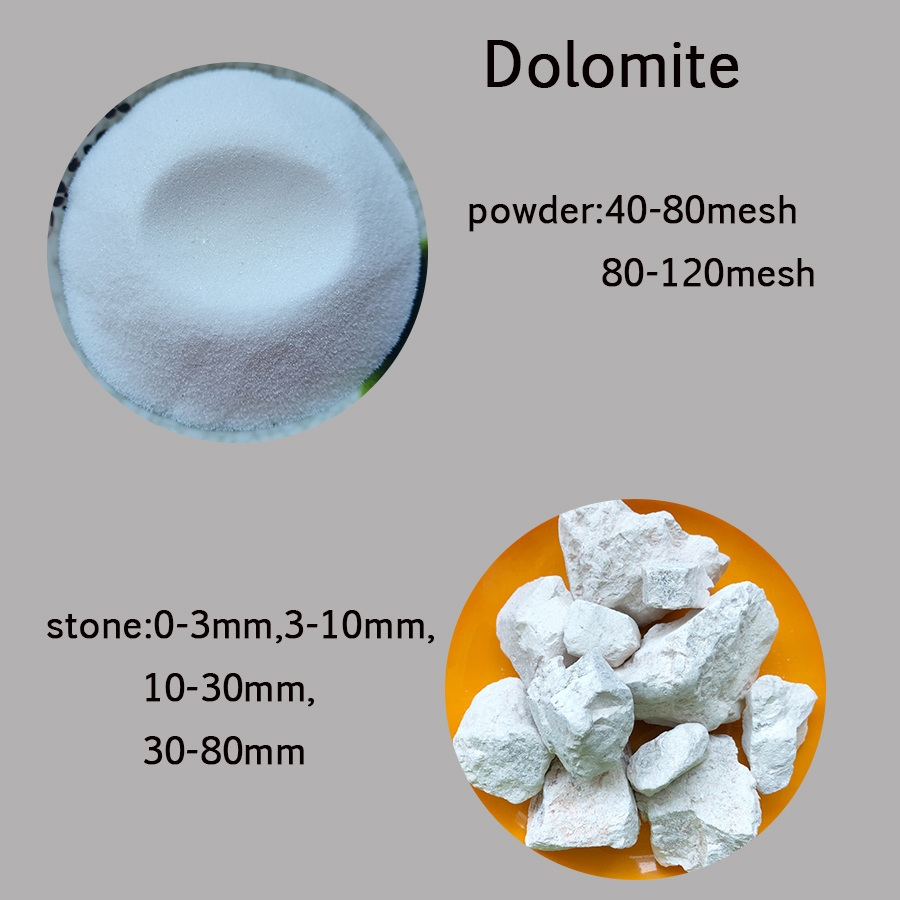
The fineness of the powder can drastically change how quickly it dissolves or reacts chemically. For example, agricultural uses require finer powder for better soil interaction, while construction fillers might tolerate coarser grades.
3. Supply Chain Reliability
Frequent delays or quality fluctuations can be costly, especially for large projects. Good dolomite powder suppliers invest in stable mining operations, efficient logistics, and customer communication to guarantee steady supply.
4. Sustainability Practices
Mining isn’t without environmental impact. Today, leading suppliers integrate responsible extraction methods, reclamation plans, and even carbon footprint tracking to meet increasing regulatory and consumer demands.
5. Customization and Service
Modern industrial clients often need custom blends, special packaging, or timely deliveries. Suppliers who offer flexible services tend to be preferred partners — because one size hardly fits all in such a diverse market.
Mini takeaway: When choosing dolomite powder suppliers, quality, reliability, and sustainability are key pillars — the kind that build trust beyond transactions.
Real-World Applications: Where Dolomite Powder Makes a Difference
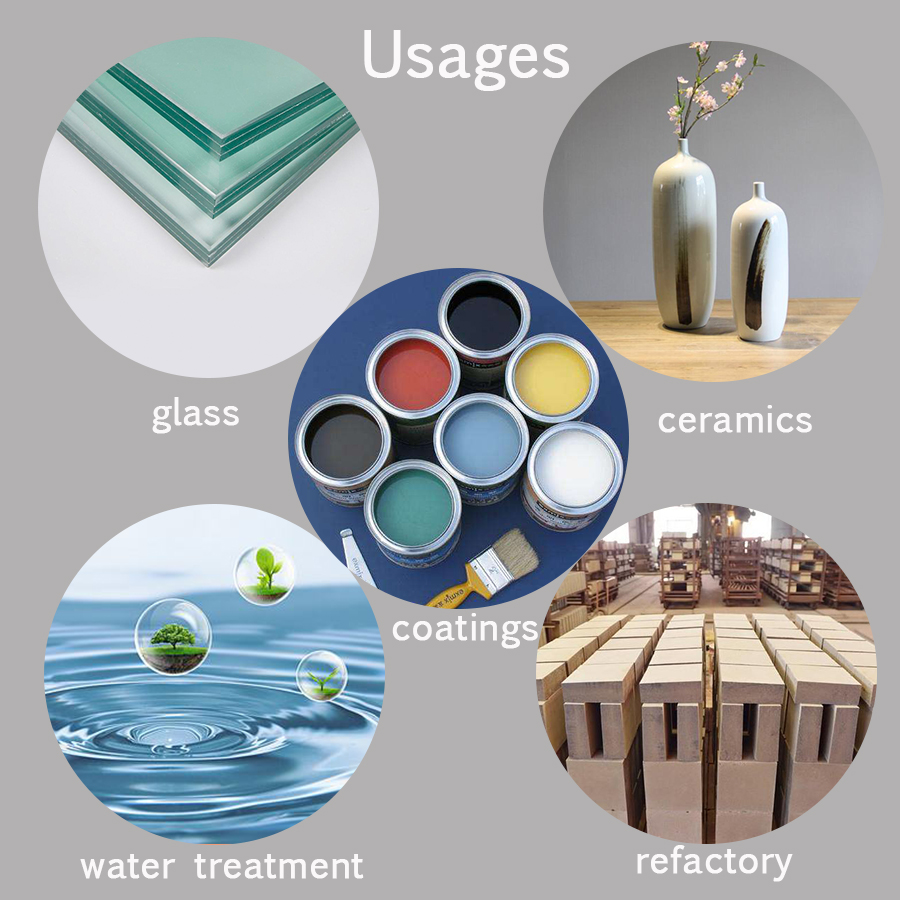
Across continents, dolomite powder finds use in both traditional and cutting-edge roles:
- Agriculture: It neutralizes acidic soils, improves magnesium levels, enhancing crop yields. Farmers in Southeast Asia and South America rely on consistent dolomite supply.
- Construction: Used as an aggregate and filler in cement and road base layers, dolomite powder contributes to durable infrastructure projects — take highway-building initiatives in Europe for instance.
- Environmental engineering: It can aid in wastewater treatment by balancing pH levels.
- Steel and glass manufacturing: The powder plays a role in fluxing and refining.
Funny enough, in some remote industrial zones, fast and reliable delivery of dolomite powder can mean the difference between project delays and timely completion.
Product Specification Table: Typical Dolomite Powder Characteristics
| Specification | Typical Range | Note |
|---|---|---|
| MgCO3 Content | 18-22% | Key for magnesium supply |
| CaCO3 Content | 30-35% | Calcium source in soil and industry |
| Particle Size (mesh) | -200 mesh (finer than 75 microns) | Fine powder for quick absorption |
| Moisture Content | Low moisture avoids clumping | |
| Bulk Density | 1.2 - 1.4 g/cm3 | Affects transport efficiency |
Comparing Leading Dolomite Powder Suppliers
| Supplier | Global Reach | Quality Certifications | Sustainability Initiatives | Customization Options |
|---|---|---|---|---|
| Baifeng Mining | Asia, Europe | ISO 9001, ISO 14001 | Eco-friendly extraction, reclamation | Particle size, packaging, delivery terms |
| Global Mineral Co. | Worldwide | ISO 9001, REACH | Carbon footprint tracking | Limited custom blends |
| EcoRock Suppliers | Europe, Americas | ISO 14001 only | Recycled mining waste use | Standard packaging only |
What Benefits Do Dolomite Powder Suppliers Bring in the Long Term?
The tangible perks of working with reliable dolomite powder suppliers go beyond just getting a consistent batch of mineral powder:
- Cost Efficiency: Bulk purchasing and repeat business often unlock better pricing, and consistent product quality means less waste and rework.
- Sustainability: Companies committed to green mining help reduce environmental footprints, which aligns with regulatory and consumer expectations.
- Social Impact: Responsible suppliers often invest locally, boosting communities.
- Trust and Reliability: In massive projects, peace of mind is priceless — knowing your mineral supply won’t suddenly vanish.
On an emotional note, there’s something reassuring about working with a vendor who doesn’t just push powder into a bag, but understands your challenges — whether it’s unpredictability in agriculture seasons or tight construction timelines.
Emerging Trends and Innovations in Dolomite Powder Supply
Innovations are creeping into this traditional field, driven by global pressures and tech advances:
- Green Mining: Solar-powered grinding plants and reduced-water extraction methods are becoming real.
- Digital Traceability: Blockchain-based tracking for product quality and ethical sourcing.
- Automation: From drone surveys of quarry sites to robotics in packaging and logistics.
- Material Science: Tailoring nano-scale particle sizes to unlock new reactive properties.
Frankly, keeping an eye on these shifts will give buyers a leg up when negotiations come around.
Addressing Challenges: How to Navigate the Dolomite Powder Market
Of course, no industry is without its snags. For dolomite powder suppliers, some issues include:
- Variable Ore Quality: Geological diversity means inconsistent batches if controls aren’t tight.
- Logistics Complexity: Heavy bulk material requires efficient transport to avoid cost overruns.
- Environmental Regulations: Stricter rules can slow down operations or add expenses.
Solutions? Expert buyers recommend long-term contracts, quality audits, and choosing suppliers who invest in local community relations and green technologies. The industry is, after all, quite adaptive.
FAQ: Practical Questions About Dolomite Powder Suppliers
What factors should I consider when selecting a dolomite powder supplier?
Look beyond price. Consider product purity, particle size, delivery reliability, certifications like ISO, and the supplier's sustainability initiatives. It’s question of quality consistency and partnership potential more than just cost.
How quickly can suppliers deliver in remote or international locations?
Delivery times vary with location and logistics networks. Top suppliers maintain stock in regional hubs to enable faster shipping. Always clarify lead times early to avoid project delays.
Is dolomite powder safe for agricultural use?
Yes, when sourced correctly, dolomite powder neutralizes acidic soils without harmful residues, providing essential magnesium and calcium. Ensure it’s free from contaminants by verifying supplier test reports.
Can suppliers customize particle sizes or blends?
Many suppliers offer tailored products. For specialized industries, they may modify grinding processes or mix dolomite with other minerals. Custom requests may affect pricing and lead times.
How do environmental policies impact dolomite powder supply?
Environmental regulations influence mining permits, extraction volume, and disposal. Suppliers compliant with local laws reduce risks of supply disruption and align with buyers' sustainability goals.
Conclusion: Why Partnering With the Right Dolomite Powder Supplier Pays Off
In sum, understanding the role of dolomite powder suppliers means appreciating the delicate interplay of quality, sustainability, and logistics that underpins whole industries. Choosing the right supplier isn’t just a transactional decision — it’s a long-term partnership that can save money, reduce environmental impact, and build trust. As the world leans more into sustainable industry and innovative technologies, these suppliers will be the quiet foundation supporting growth and resilience.
For those seriously scouting options or wanting to explore market-leading solutions, do visit Baifeng Mining for comprehensive options tailored to today’s dynamic industrial needs.
References
Related News