What Is White Dolomite Powder and Why Does It Matter?
If you’ve ever worked in materials sourcing or manufacturing, chances are you’ve come across white dolomite powder — that versatile mineral dust that seems to quietly do a lot behind the scenes. It’s more than just a bland white powder; it’s a key player in industries ranging from construction and agriculture to pharmaceuticals and environmental management. Understanding what it is, how it works, and why it’s globally significant can feel a bit niche, but trust me, the impact is pretty far-reaching, especially as we look towards sustainable and efficient material options worldwide.
Globally, the demand for mineral fillers and soil conditioners is growing, driven by a push for sustainable practices and industrial efficiency. According to the United Nations Environment Programme (UNEP), minerals like dolomite are crucial for greener industrial solutions and soil health (1). So the point isn’t just about knowing what it is — it’s about knowing why industries, regulators, and researchers keep turning their eyes to white dolomite powder for practical answers.
Setting the Scene: White Dolomite Powder in a Global Context
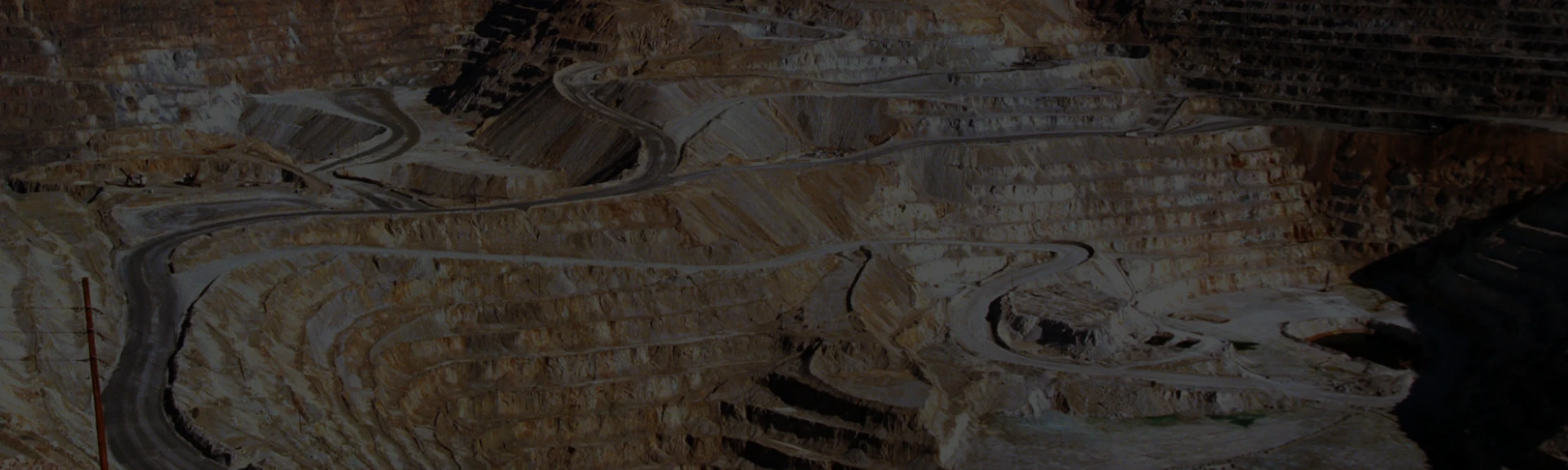
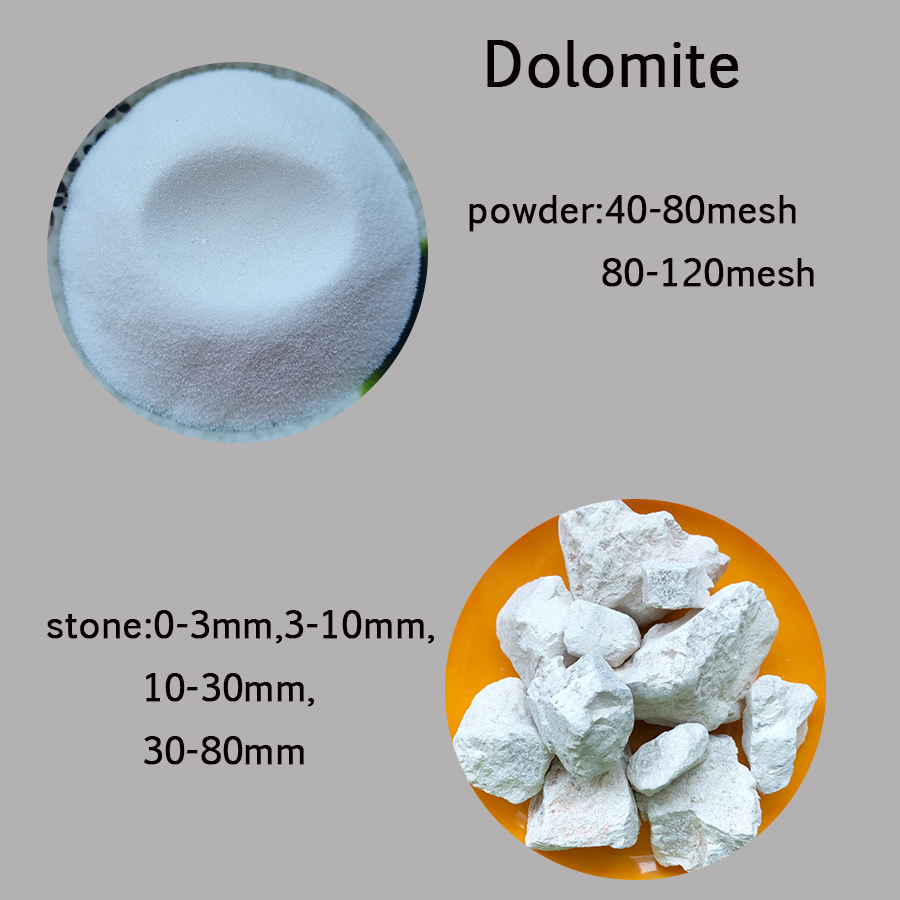
Dolomite, chemically calcium magnesium carbonate, is mined and processed worldwide to produce that fine white powder we call white dolomite powder. The powder serves as a raw material in construction, steel manufacturing, environmental remediation, and even agriculture. Based on ISO mineral classification (ISO 10693:2014), dolomite falls into a category valued for its dual composition, offering both calcium and magnesium — two elements essential for various industrial processes.
Countries with significant mining industries—like China, India, and certain European nations—export large volumes to meet global industrial demand. The World Bank’s recent mineral commodities report suggests that demand for magnesium-bearing materials, like dolomite, is expected to grow by nearly 3% annually due to their use in green technologies (2). Yet despite this apparent growth, the challenge remains: how do we sustainably extract, process, and use white dolomite powder in ways that don’t overburden the environment or local communities?
In real terms, this means companies and policymakers are looking to optimize production chains, minimize waste, and find new high-value applications to ensure dolomite remains a responsible mineral resource.
Defining White Dolomite Powder
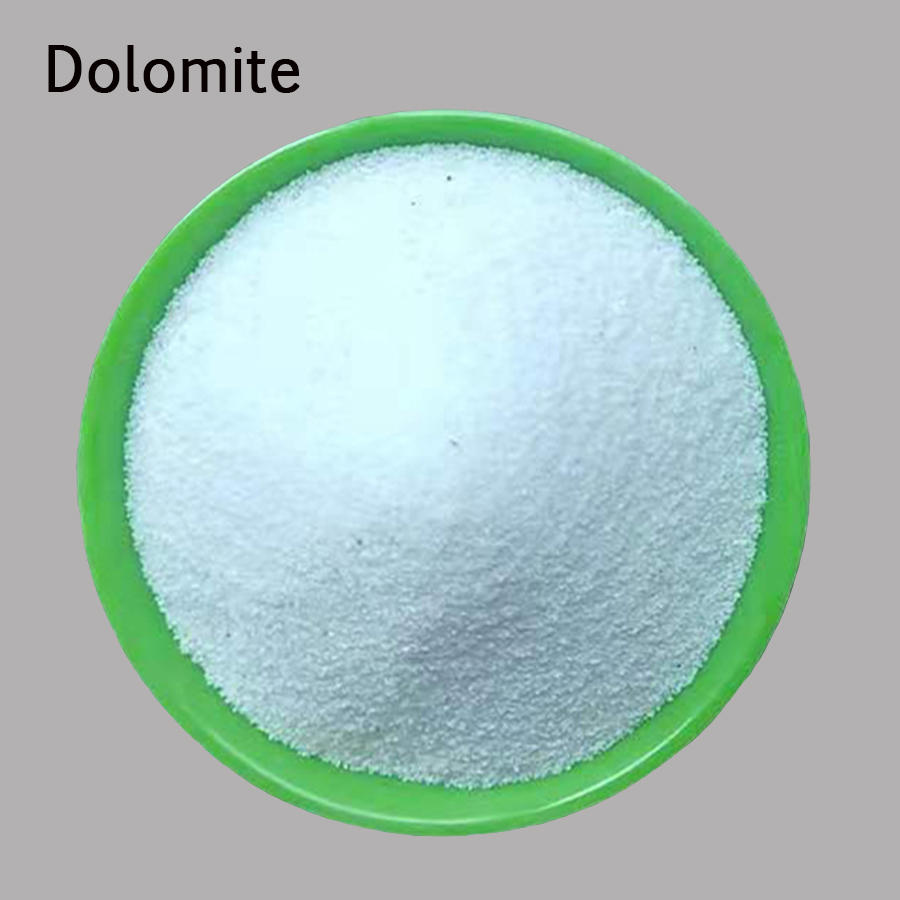
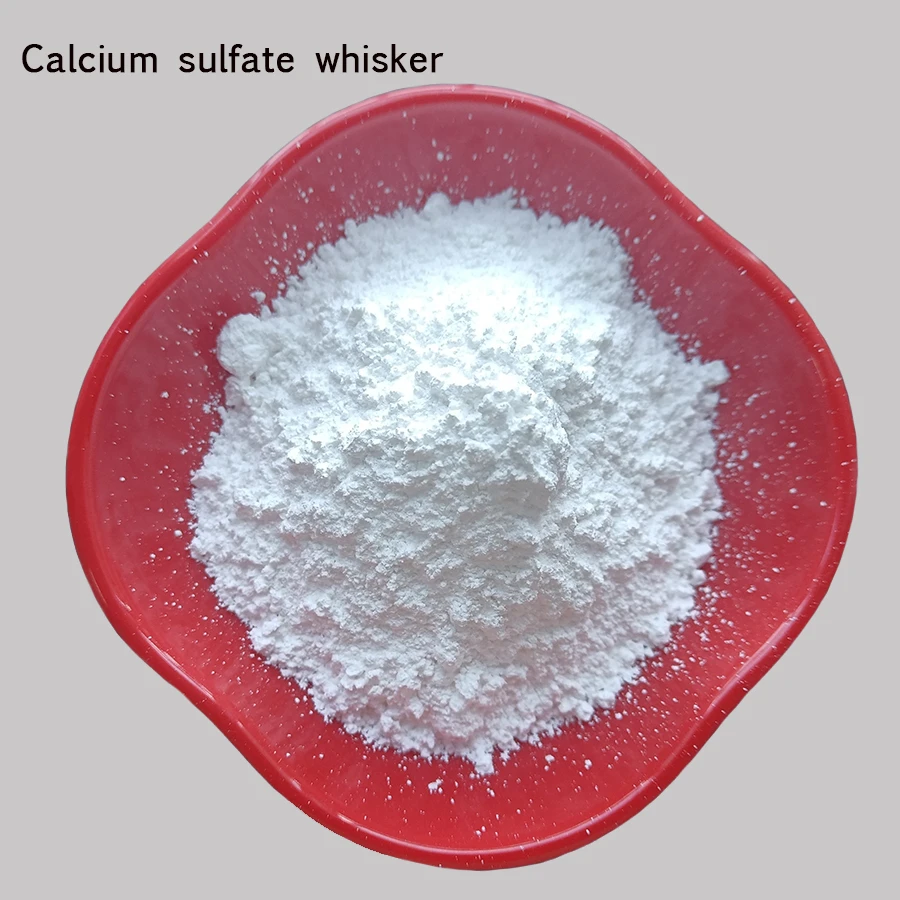
Simply put, white dolomite powder is a naturally occurring mineral ground into a fine, fluffy white powder. Its primary components are calcium carbonate (CaCO3) and magnesium carbonate (MgCO3), generally present in roughly equal amounts. What makes white dolomite different from other calcium carbonate powders—like limestone—is this magnesium content, which provides enhanced chemical stability and additional functional properties.
Industrially speaking, white dolomite powder acts as a mineral filler, pH neutralizer, or soil additive, among other things. For humanitarian needs, say in construction of sustainable rural housing or water filtration infrastructure, it offers durability and eco-friendliness. That blend makes it a quietly vital mineral across multiple sectors.
Key Characteristics of White Dolomite Powder That Keep It in Demand
1. Chemical Composition and Purity
High purity white dolomite powders typically contain over 90% combined calcium and magnesium carbonate, which ensures consistent performance in processes like steel fluxing or agricultural liming. Engineers often stress purity because impurities can affect reactivity and color—important for pigments and cosmetics as well.
2. Particle Size and Texture
The powder’s fineness usually ranges from 10 to 100 microns, tailored based on usage needs. Finer powders improve surface area for reactions but can be trickier to handle safely—dust control is a concern. Manufacturers balance particle size to hit a sweet spot between efficiency and workability.
3. Durability and Stability
Dolomite’s mineralogical structure gives it excellent chemical stability, meaning it doesn’t break down easily in neutral or alkaline environments. This makes it very useful in cement and construction materials, where long-term durability is critical.
4. Environmental Compatibility
Because it’s a natural mineral with neutral to slightly alkaline pH, dolomite powder can improve soil quality without harmful side effects. It also sequesters carbon dioxide in some applications, which is a neat bonus in sustainability conversations.
5. Cost-Effectiveness
Compared to synthetic mineral fillers or magnesium sources, white dolomite is relatively inexpensive thanks to ample global reserves and established mining and processing techniques.
Mini Takeaway
White dolomite powder combines natural abundance, chemical versatility, and environmental friendliness—qualities that sustain its status in industries big and small. Yet it’s not just what it is but how it’s produced and deployed that makes the real difference.
Real-World Uses: Where White Dolomite Powder Shines
From sprawling factories in China to small farms in Africa, white dolomite powder plays a multitude of roles:
- Construction industry: Used as an aggregate in concrete, a neutralizing agent in cement, and a filler in drywall and paints.
- Agriculture: Applies as a soil conditioner, improving pH balance and magnesium levels, which boosts crop health.
- Steel production: Serves as flux material that binds impurities, thereby enhancing steel purity and strength.
- Environmental management: Used for wastewater treatment and neutralizing acidic soils.
- Pharmaceutical and cosmetic sectors: Acts as a mild abrasive, bulking agent, or mineral supplement.

For example, in post-disaster relief construction, white dolomite powder can be part of rapidly produced, durable housing materials that are lightweight yet strong, offering refugees shelter with dignity and safety.
Table 1: Typical Specifications of White Dolomite Powder
| Property | Typical Value | Unit |
|---|---|---|
| Calcium Carbonate (CaCO3) | 35 - 40 | % |
| Magnesium Carbonate (MgCO3) | 40 - 45 | % |
| Purity (Ca + Mg carbonates) | ≥ 85 | % |
| Moisture | ≤ 1 | % |
| Median Particle Size | 20 - 60 | microns |
| Color | White to light gray | - |
Long-Term Value and Advantages of Using White Dolomite Powder
What’s interesting here is that white dolomite powder doesn’t just save money or improve product quality — it also promotes sustainability on several fronts. Here’s the rundown:
- Cost efficiency: Available abundantly, white dolomite powder often costs less than alternatives, especially synthetic magnesium sources.
- Environmental impact: Its natural origin and pH balancing properties improve soils and reduce harmful emissions in industrial processes.
- Reliability: Strong, stable chemical makeup means fewer surprises during production or field use.
- Social impact: Used in low-cost building materials and agricultural aids that empower local communities towards better living standards.
So, logically and emotionally, it’s a material that makes sense to stakeholders focused on trust, innovation, and lasting community benefits — not just short-term gains.
Vendor Comparison: Sourcing White Dolomite Powder
| Vendor | Purity (%) | Particle Size (microns) | MOQ (tons) | Typical Lead Time | Region |
|---|---|---|---|---|---|
| Baifeng Mining Ltd. | ≥ 90 | 15 - 50 | 10 | 2 weeks | China |
| EuroMinerals Corp. | 85 - 88 | 20 - 60 | 5 | 3 weeks | Europe |
| Magnesium Supplies Inc. | 88 - 92 | 10 - 40 | 15 | 1 week | USA |
What Does the Future Hold for White Dolomite Powder?
Looking ahead, the evolution of white dolomite powders will likely be shaped by environmental mandates and technological innovation. For instance, digital transformation in mining operations will promise higher-grade outputs with less waste. Green tech — like using dolomite in carbon capture or biochar production — offers breakthroughs for climate goals.
Moreover, automation might reduce production costs and allow for tailored specifications on demand. That means quicker adaptation for new green materials and applications in unexpected sectors (think biotech or nanomaterials). It’s an exciting, if somewhat unpredictable, horizon.
Common Challenges and Practical Solutions
White dolomite powder isn’t entirely free of challenges. Its mining and crushing can generate dust and environmental disruption, making responsible sourcing critical. Also, dealing with variable mineral quality depending on the source requires rigorous testing and quality assurance. But recent advances in processing tech and environmental regulations (ISO 14001) help mitigate many of these concerns.
On the application side, integrating dolomite into new composites or green products demands ongoing R&D and real-world piloting. Collaboration between suppliers and end-users becomes key. Companies that invest in transparent supply chains and adaptive specs tend to do better.
FAQ: Frequently Asked Questions About White Dolomite Powder
- What industries benefit most from white dolomite powder?
- Construction, agriculture, steel manufacturing, and environmental management are the main sectors using white dolomite powder due to its chemical properties and cost-effectiveness.
- Is white dolomite powder environmentally friendly?
- Generally yes. It is a natural mineral that improves soil pH and can reduce industrial emissions when used properly. However, mining must be responsibly managed to limit environmental impact.
- How do particle size and purity affect application?
- Finer powders increase surface area, improving reactivity in processes like cement or pigment production. Higher purity ensures consistent chemical behavior important for industrial quality.
- Can white dolomite powder be used in pharmaceutical products?
- Yes, due to its mild abrasive and bulking properties, it finds use in some pharmaceutical formulations, but only after strict purification standards.
- How to ensure quality when importing white dolomite powder internationally?
- Work with reputable suppliers, request material safety data, and verify testing reports for purity and particle size. Inspect compliance with international standards.
Final Thoughts
White dolomite powder is more than just a mineral filler or soil additive — it’s a cornerstone in sustainable industrial practices that balance cost, environmental responsibility, and social benefit. Its diverse applications and evolving tech promise lasting relevance in a rapidly changing world. For businesses or project managers seeking a dependable mineral resource, I’d say white dolomite powder should definitely be on the radar.
If you want to explore high-quality white dolomite powder for your needs, be sure to visit Baifeng Mining — they offer reliable sourcing backed by stringent quality controls.
References
- United Nations Environment Programme (UNEP) Mineral Sustainability Report, 2022
- World Bank Commodity Markets Outlook, 2023
- International Organization for Standardization (ISO) Mineral Classification 10693:2014
Related News