The Ultimate Guide to Pumice Stone from Volcano: Properties and Uses
Nature provides us with remarkable materials, and few are as versatile as pumice stone from volcano. Formed during explosive volcanic eruptions, this lightweight, porous volcanic glass has found its way into everything from high-end skincare and industrial abrasives to sustainable construction. Understanding the geological origins and the physical properties of pumice allows industries to leverage its unique abrasive and absorbent qualities. In this comprehensive guide, we will explore why this volcanic byproduct is highly valued globally and how to select the right grade for your specific application.
How Pumice Stone from Volcano is Formed
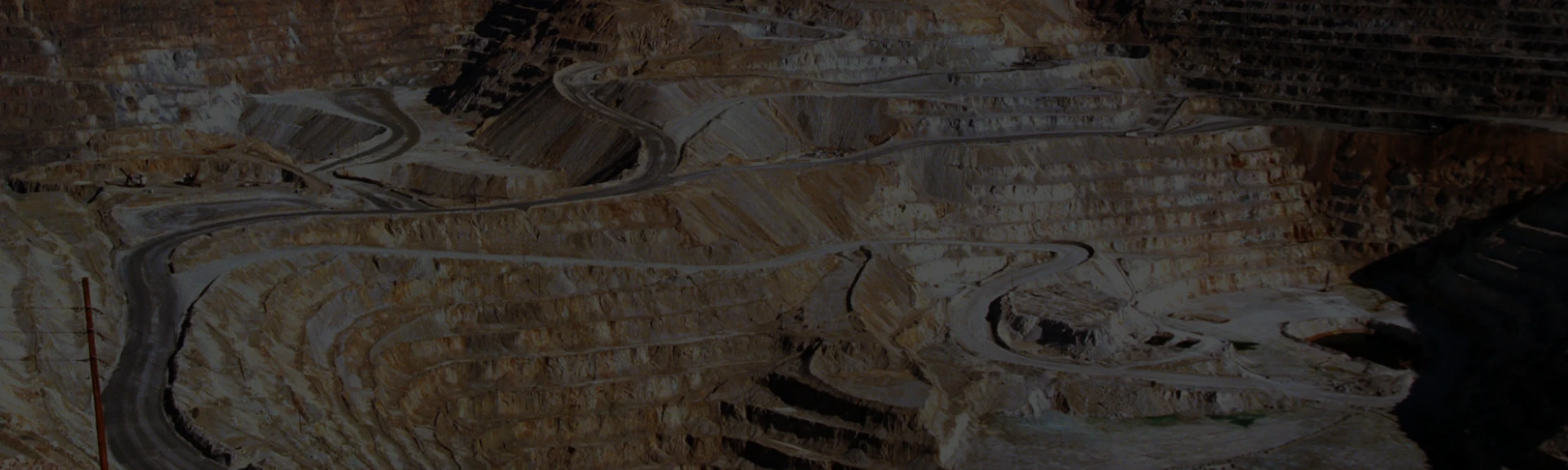
The creation of pumice stone from volcano is a violent yet fascinating geological process. When a volcano erupts, magma rich in dissolved gases is expelled. As the magma reaches the surface, the sudden drop in pressure causes these gases to expand rapidly, creating countless tiny bubbles—much like the carbonation in a soda. This "frothy" lava cools and solidifies almost instantly, trapping the gas bubbles and resulting in a highly porous, lightweight rock. Because it is essentially a solidified foam, pumice is one of the few rocks that can actually float on water, making it a unique asset for specialized industrial filters.
Industrial Applications of Volcanic Pumice
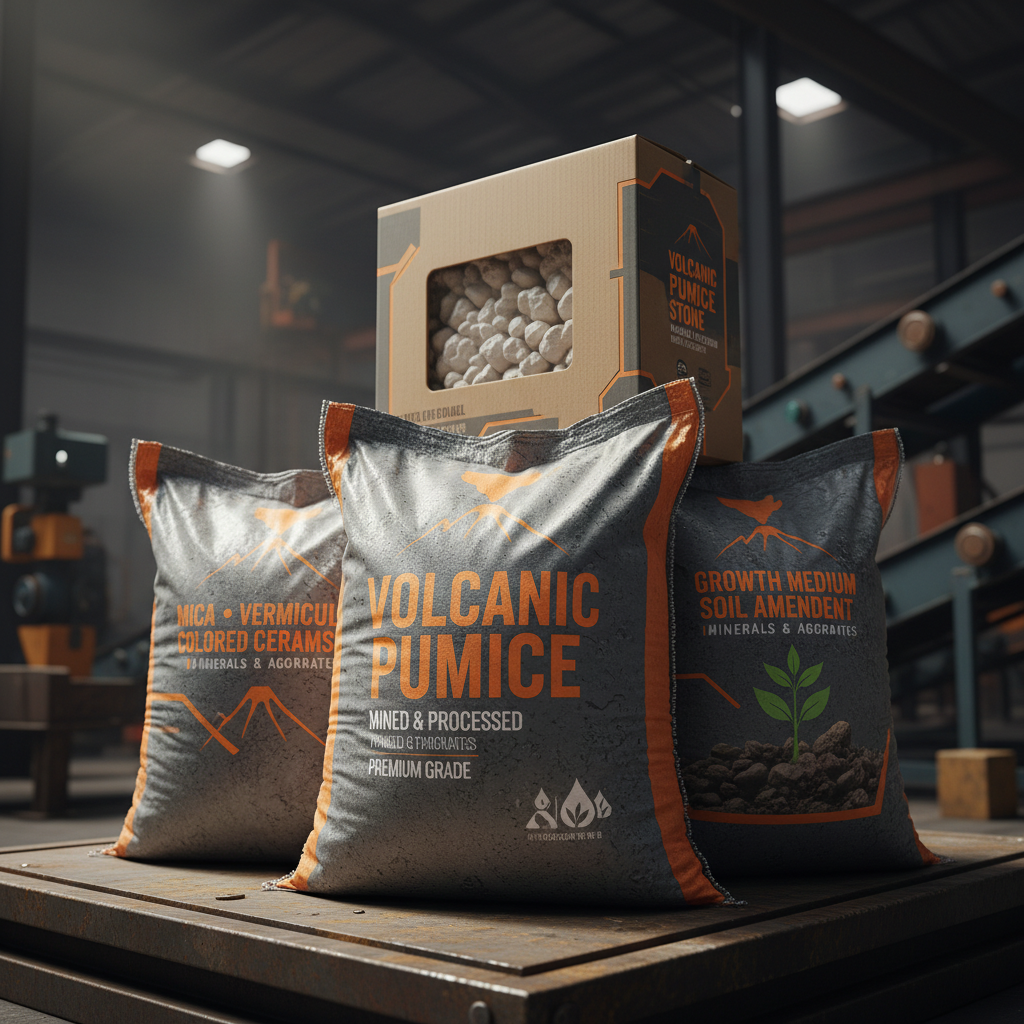
Due to its hardness and porous structure, pumice stone from volcano is utilized across multiple sectors. In the construction industry, it is used as a lightweight aggregate in concrete, reducing the overall weight of structures without compromising strength. In the beauty industry, its gentle abrasive nature makes it ideal for exfoliating dead skin. Additionally, it serves as a powerful medium for water filtration and as a carrier for agricultural nutrients. The chemical inertness of pumice ensures that it does not react with other substances, making it a safe and reliable choice for chemical processing.
Industry Insight: Pumice is often preferred over synthetic abrasives because it is an eco-friendly, naturally occurring mineral that is biodegradable and non-toxic to the environment.
Comparing Pumice Stone from Volcano with Other Abrasives
When selecting a material for polishing or scrubbing, it is essential to compare pumice stone from volcano against other options like sand or synthetic beads. While sand is highly abrasive and can be too aggressive for delicate surfaces, pumice offers a controlled grit that cleans effectively without causing deep scratches. Its unique cell structure also allows it to hold liquids or soaps, improving the efficiency of the cleaning process. For those seeking a balance between power and precision, volcanic pumice remains the gold standard.
Key Specifications for Sourcing Pumice Stone from Volcano
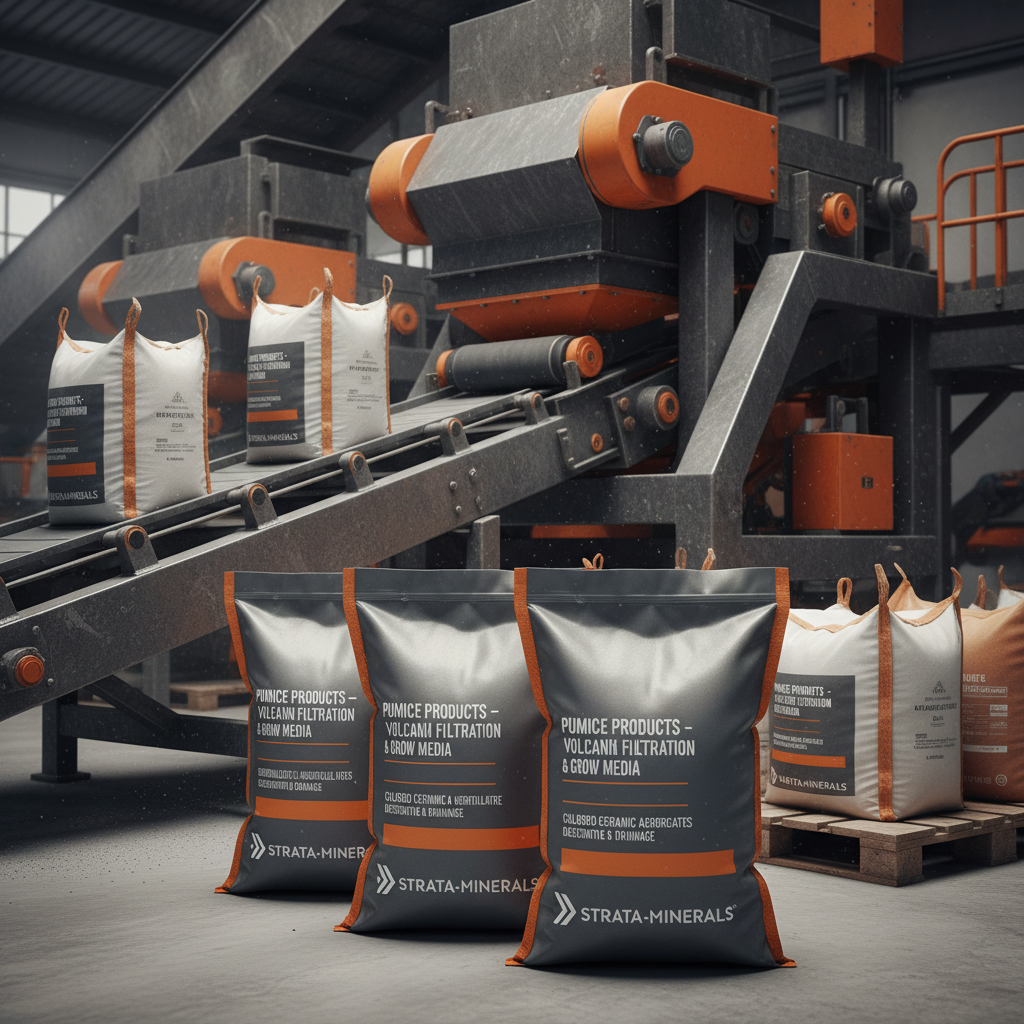
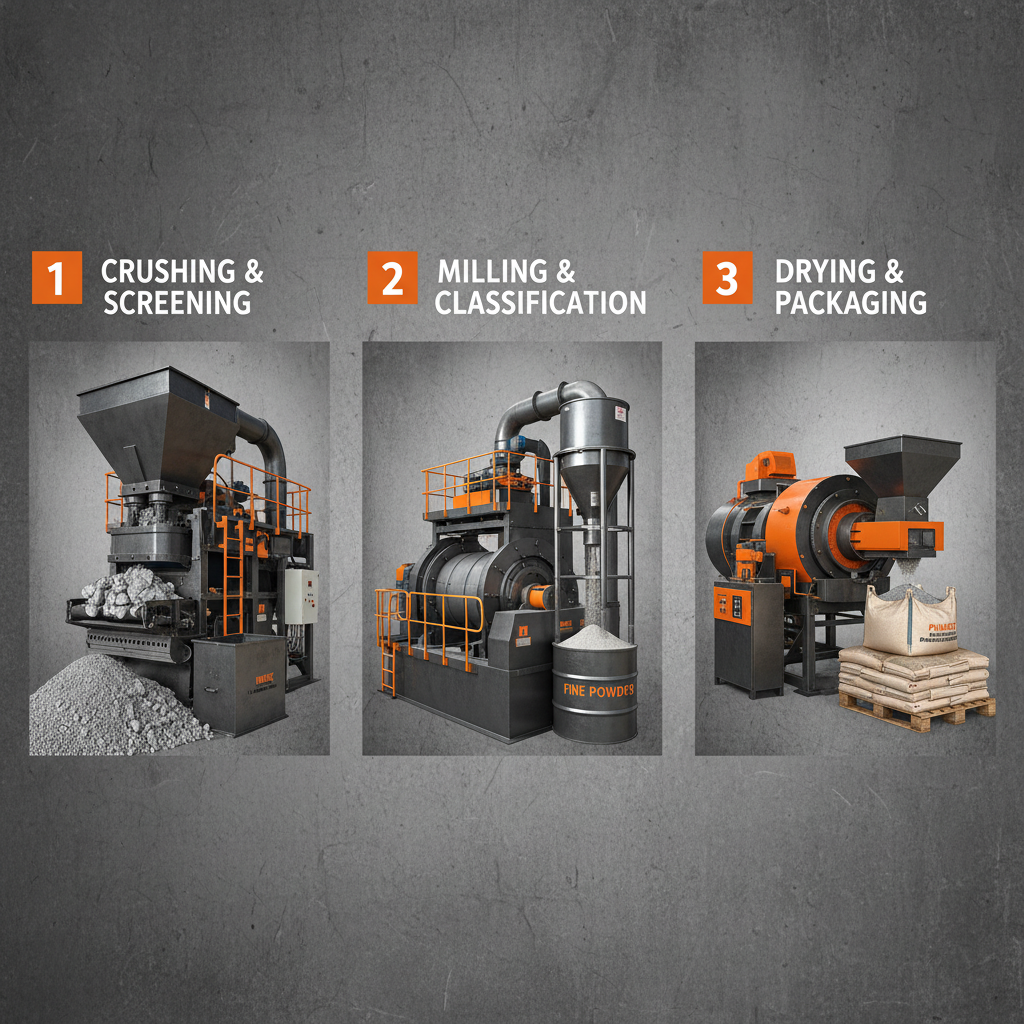
When sourcing pumice stone from volcano for commercial use, it is critical to look at the technical specifications. The grit size (mesh) determines the application—fine powder is used for cosmetics, while larger chunks are used for construction. Additionally, the purity of the stone, specifically the lack of organic contaminants, ensures the quality of the end product. At Baifeng Mining, we ensure that our volcanic minerals meet strict international standards to guarantee consistency across every shipment.
Sustainable Benefits of Using Volcanic Minerals
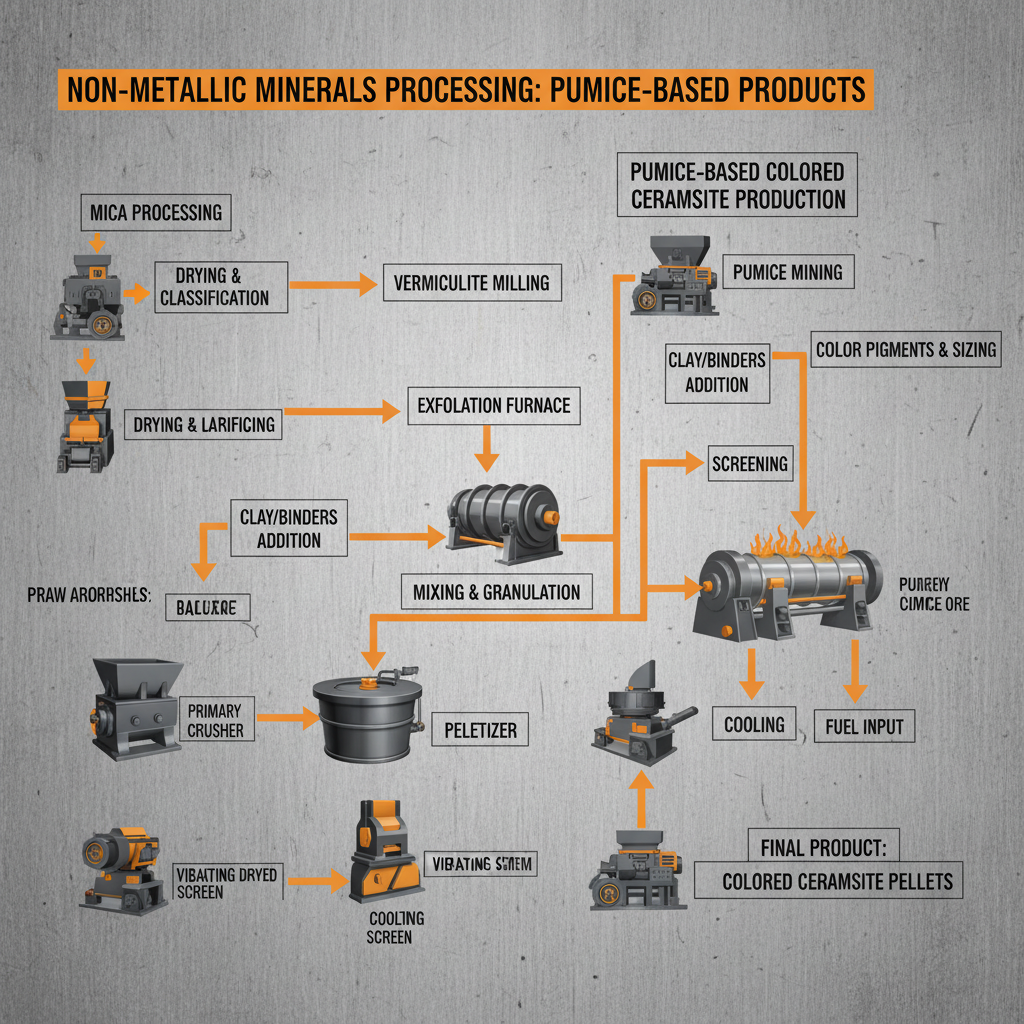
As the global economy shifts toward "green" materials, pumice stone from volcano offers a sustainable alternative to synthetic chemicals and plastics. Because it is mined directly from volcanic deposits, it requires minimal processing compared to man-made abrasives, significantly lowering its carbon footprint. In horticulture, pumice improves soil aeration and drainage, reducing the need for chemical soil conditioners. By choosing naturally sourced minerals, businesses can meet environmental regulations while maintaining high-performance standards in their products.
Selecting a Reliable Pumice Supplier
Not all pumice stone from volcano is created equal. The quality varies based on the specific volcanic region and the mining techniques used. A reliable supplier should provide detailed laboratory reports on chemical composition and grain size distribution. Furthermore, logistics play a huge role; since pumice is lightweight but bulky, efficient packaging and shipping are key to keeping costs down. Partnering with an experienced mining company ensures that you receive a consistent supply of high-grade volcanic rock tailored to your industrial needs.
Conclusion: The Timeless Value of Volcanic Pumice
From the depths of the earth to the forefront of modern industry, pumice stone from volcano remains an indispensable resource. Its unique blend of lightness, abrasiveness, and porosity makes it a superior choice for everything from eco-friendly construction to luxury skincare. By understanding its properties and sourcing from professional suppliers like Baifeng Mining, you can enhance your product quality while embracing sustainability. Invest in the power of nature's volcanic legacy today.
Frequently Asked Questions (FAQs)
Can pumice stone from volcano really float on water?
Yes, this is one of the most distinct characteristics of pumice. Due to the high volume of gas bubbles trapped during the rapid cooling of volcanic lava, the stone's overall density is lower than that of water. This allows it to float, which is why pumice rafts are sometimes seen drifting in the ocean after an underwater volcanic eruption. In industrial terms, this low density is highly beneficial for creating lightweight concrete and specialized filtration systems.
Is volcanic pumice safe for sensitive skin?
Pumice is generally safe, but its effect depends entirely on the grain size. For sensitive skin, finely ground pumice stone from volcano is used in exfoliating scrubs to gently remove dead cells without causing irritation. However, large, raw pumice stones are too abrasive for the face and are typically reserved for tougher areas like the heels of the feet. Always ensure you are using the correct mesh size for cosmetic applications.
How does pumice improve soil quality in gardening?
Pumice acts as a soil conditioner by improving aeration and water retention. Because of its porous nature, it prevents soil from compacting, allowing roots to breathe and grow more easily. It also holds onto water and nutrients, releasing them slowly to the plant, which reduces the frequency of watering and fertilization. Unlike perlite, pumice does not float to the surface over time, making it a more stable long-term additive for potted plants and garden beds.
What is the difference between pumice and lava rock?
While both are volcanic, they differ in density and formation. Lava rock (scoria) is typically darker (red or black) and has larger, more open vesicles, making it heavier and denser than pumice. Pumice is usually white or light grey and has a much finer, froth-like pore structure, which allows it to float. While lava rock is excellent for landscaping and heavy-duty drainage, pumice stone from volcano is preferred for lightweight construction and abrasive applications.
Related News