
Understanding Black Cobble Stones: A Global Perspective on Their Use and Benefits
Black cobble stones might sound like something old-fashioned or quaint at first — you know, something you’d find on a historic street in Europe. But frankly, these timeless stones are far more relevant worldwide than many realize. They play a surprisingly important role in construction, landscaping, and even environmental management across varied industries and regions.
Why does this matter globally? Well, these stones are about durability, aesthetics, sustainability — and they’re more widely used in modern development projects than you might guess. By understanding what black cobble stones are, their applications, and their value, stakeholders from city planners to environmentalists can harness a material that's both functional and enduring.
Global Relevance: Black Cobble Stones in Modern Infrastructure
Black cobble stones retain a significant place in global industry, especially in construction and landscaping sectors. According to the International Organization for Standardization, demand for natural stone products has been growing steadily due to urbanization and infrastructure expansions — prominently in Asia and Europe.
Yet, challenges remain. As cities grow, traditional paving materials face sustainability scrutiny. Black cobble stones offer an eco-friendlier alternative with lasting aesthetics and strength. For example, municipalities in cities like Lisbon and Cape Town are leveraging these stones to preserve historic charm while addressing durable use under heavy traffic.
What Are Black Cobble Stones?
Simply put, black cobble stones are small, rounded or roughly rectangular pieces of natural stone, predominantly basalt or granite, recognized for their black or very dark gray hues. They are often quarried and finished to have a smooth yet rugged surface, ideal for paving roads, walkways, and plazas.
These stones hold a special place in industries requiring durable, non-slip surfaces with a unique aesthetic appeal. Their natural composition contributes to excellent weather resistance and load-bearing capacity, which makes them invaluable in both modern urban settings and specialized humanitarian operations.
Key Attributes of Black Cobble Stones
- Durability: Black cobble stones are incredibly resilient against weathering, heavy traffic, and chemical exposures, often lasting several decades or more without major deterioration.
- Eco-Friendly: Being natural stones, they require minimal processing compared to synthetic materials, reducing their carbon footprint.
- Aesthetic Appeal: Their rich black tones add sophistication and timeless elegance to any project, enhancing urban and landscaped environments.
- Low Maintenance: Cobble stones are easy to repair by replacing individual stones rather than repaving the entire surface.
- Slip-Resistance: Their textured surface naturally improves traction — an important safety factor, especially in wet climates.
These aspects connect directly to practical uses — from pedestrian-friendly walkways, historic street restorations, to complex landscaping and drainage solutions that require permeability and durability.
Global Applications & Use Cases
Black cobble stones are not just quaint or decorative. Their real-world application spans continents and industries:
- Urban Renewal: Cities in Europe and North America leverage these stones in public squares and pedestrian zones to blend tradition with modern urban design.
- Post-Disaster Reconstruction: NGOs and relief agencies use black cobble stones to rebuild damaged infrastructure where durability and quick local sourcing matter.
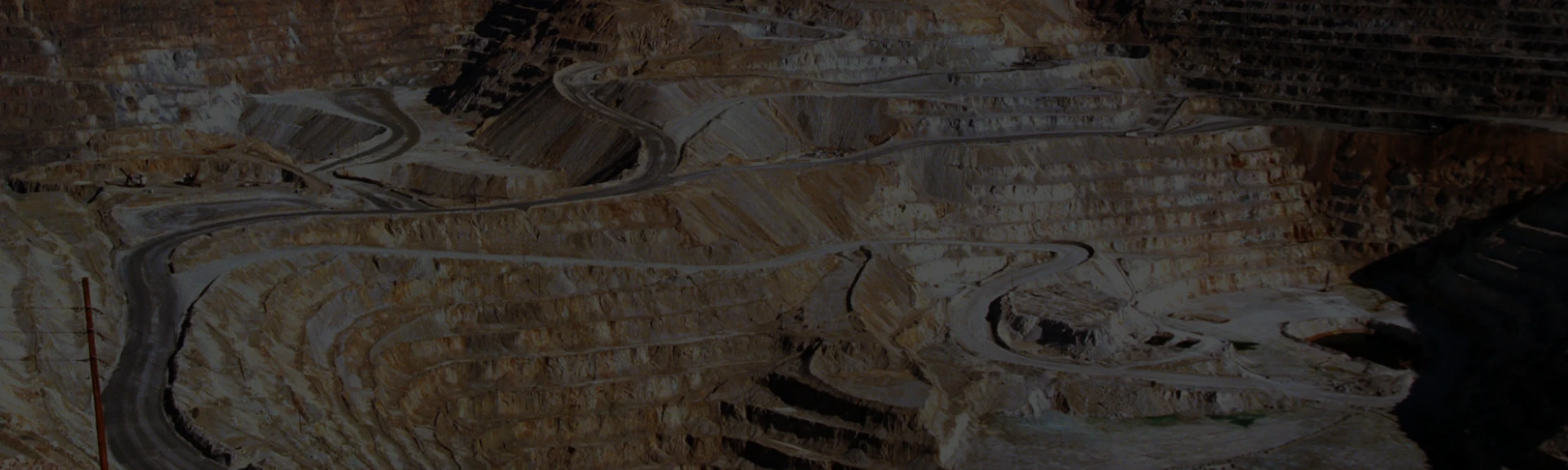
- Industrial Complexes: In remote mining or logistics areas, these stones create rugged pavements that endure heavy machinery and shifting terrain.
- Landscaping & Drainage: Their permeability aids green infrastructure efforts to combat flooding and improve stormwater management.
For instance, black cobble stones are a preferred choice in sensitive environmental zones needing non-toxic, easily sourced paving materials that don’t disrupt native ecosystems.
Advantages & Long-Term Value
Aside from the visible benefits of black cobble stones — beauty and strength — there are subtle but critical values often overlooked:
- Cost-Effectiveness: While upfront costs can be slightly higher than concrete or asphalt, the longevity and easy maintenance result in lower lifetime expenses.
- Sustainability: Their natural origin and minimal processing align with green building standards (think LEED certifications).
- Safety & Dignity: Especially in public spaces, the stones provide a dignified environment for inhabitants and visitors alike, enhancing social wellbeing.
In sum, black cobble stones offer a combination of logical benefits and emotional reassurance: safety, trust, and a sense of permanence.
Product Specification Table
| Feature | Specification |
|---|---|
| Material | Basalt / Granite |
| Typical Size | 50-100 mm length |
| Color | Black / Dark Gray |
| Compressive Strength | >200 MPa |
| Water Absorption | |
| Slip Resistance | High (Textured Surface) |
Future Trends & Innovations
Oddly enough, black cobble stones remain a surprisingly "low-tech" solution in an age dominated by digital innovation. But that's changing. Innovations include:
- Sustainable Quarrying: Using drone surveys and AI to minimize environmental impact.
- Green Infrastructure Integration: Combining cobble paving with rain gardens and permeable installations to reduce urban flooding.
- Recycled Material Blends: Research into mixing cobble stone fragments with concrete for eco-friendly composites.
- Automated Laying Machines: Robotics are beginning to assist in cobble paving, speeding up installation while preserving craftsmanship quality.
Vendor Comparison Table
| Vendor | Material Quality | Price Range | Shipping Availability | Sustainability Practices |
|---|---|---|---|---|
| Baifeng Mining | Premium basalt | Moderate | Global | ISO 14001 Certified |
| StoneWorld Inc. | Mixed granite | Low | Regional (Europe) | Basic |
| Everstone Supplies | High-grade basalt | High | International | Advanced Sustainability Program |
Challenges & Solutions
There are, of course, some hurdles with black cobble stones. The cost and labor intensity of installation can be high, especially compared to asphalt or poured concrete. Additionally, sourcing quality stones sustainably requires care to avoid environmental damage.
Experts recommend careful project planning to optimize material use, and the emerging automation technologies promise to ease labor burdens. Vendors like black cobble stones suppliers are actively improving sustainable quarrying and recycling processes, which should mitigate ecological concerns over time.
FAQ About Black Cobble Stones
- What makes black cobble stones superior to concrete pavers?
- Black cobble stones offer enhanced durability, better slip-resistance, and a timeless aesthetic. Unlike concrete, they can absorb loads better and are often longer-lasting with minimal maintenance.
- How sustainable are black cobble stones?
- Being natural stone, they usually require less processing and emit fewer greenhouse gases. Many suppliers also follow ISO 14001 standards for environmental management, ensuring responsible quarrying.
- Can black cobble stones be used in wet climates?
- Absolutely. Their textured surface improves traction, making them safe and effective even in rainy or icy conditions.
- How long can black cobble stones last in a high-traffic area?
- With proper installation and maintenance, black cobbles can last 50+ years, often outlasting alternative materials like asphalt or concrete.
- Are cobble stones customizable in size and shape?
- Yes, while traditional sizes exist, many vendors provide custom sizing and finishing options to suit different project requirements.
Conclusion
Black cobble stones combine resilience, environmental friendliness, and aesthetic appeal in a way few paving materials can match. From urban revitalization to industrial paving and disaster recovery, their applications span the globe.
If you’re exploring durable, sustainable, and beautiful paving solutions, I highly recommend checking out black cobble stones. Their enduring value pays dividends in safety, cost savings, and community pride — a truly solid investment.
In real terms, mastering the art and science of black cobble stone utilization feels like rediscovering an old friend with new tricks. It’s an invitation to blend tradition and technology in shaping our built environment.
Mini takeaway: Black cobble stones are reliable, sustainable paving solutions with deep roots and exciting future prospects in global infrastructure.
References:

Related News