Discovering Dolomite Powder for Sale: Why It’s More Important Than You Think
If you’ve ever stumbled across the term dolomite powder for sale in an industrial catalog or a minerals supplier’s flyer, you might have paused to wonder what exactly it is—and why it matters on a global scale. Dolomite powder isn’t just another rock byproduct; it sits at the crossroads of construction, agriculture, and even environmental sustainability.
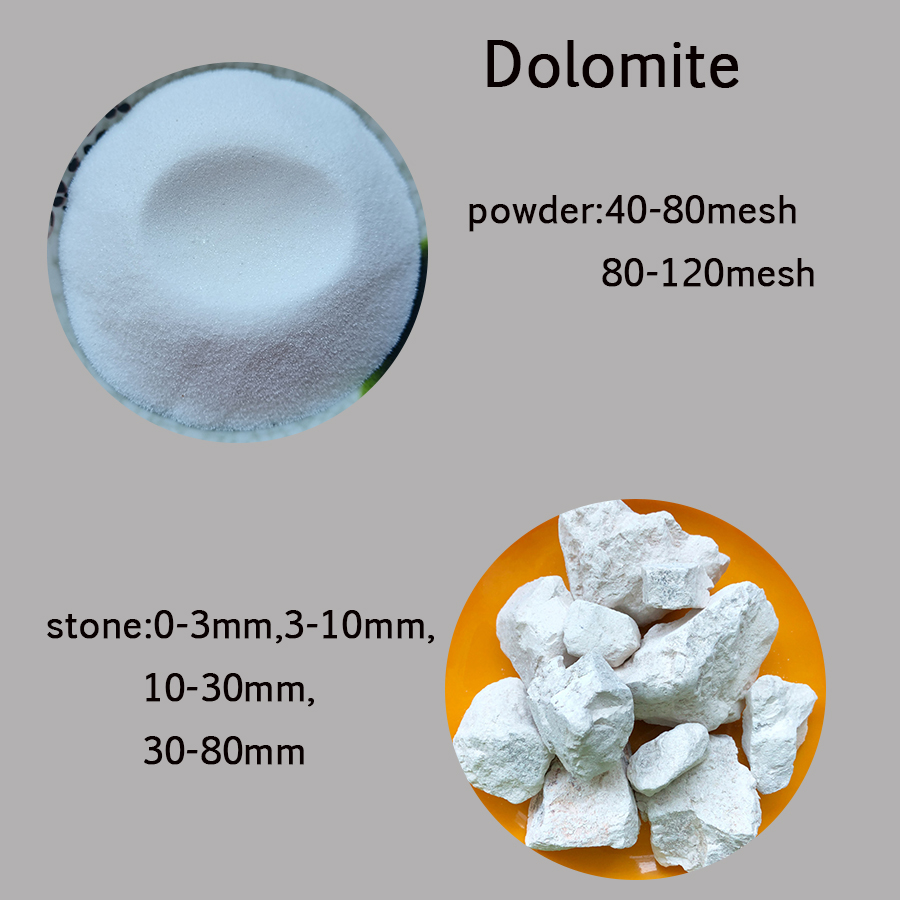
Understanding dolomite powder for sale means unlocking answers to questions about soil health, building materials, and industrial applications that impact millions worldwide. Its diverse utility also makes it a key resource as we strive to build more sustainable industries and healthier environments. So, what is this mineral powder, and why is it quietly becoming a staple?
The Global Landscape: Why Dolomite Powder Isn’t Just Another Commodity
Globally, mineral raw materials drive much of industrial growth. The United Nations and ISO data emphasize minerals’ role in infrastructure and agriculture, especially in growing economies. Dolomite, a carbonate mineral consisting of calcium magnesium carbonate, is plentiful but often underestimated.
According to the USGS and other bodies, dolomite is mined in countries like China, the US, and India, fueling a variety of sectors — but challenges remain. How do industries ensure consistent supply and quality? How can they meet rising demand without exhausting resources?
Dolomite powder addresses these by providing a versatile, cost-effective material that supports soil conditioning, steel manufacturing, and eco-friendly construction. In real terms, it helps improve crop yields, reduces heavier dependency on synthetic additives, and contributes to cutting carbon footprints.
Though not always in the limelight, its global importance aligns with sustainable development goals (SDGs), particularly in responsible consumption and production (SDG 12) and climate action (SDG 13).
So, What Exactly Is Dolomite Powder?
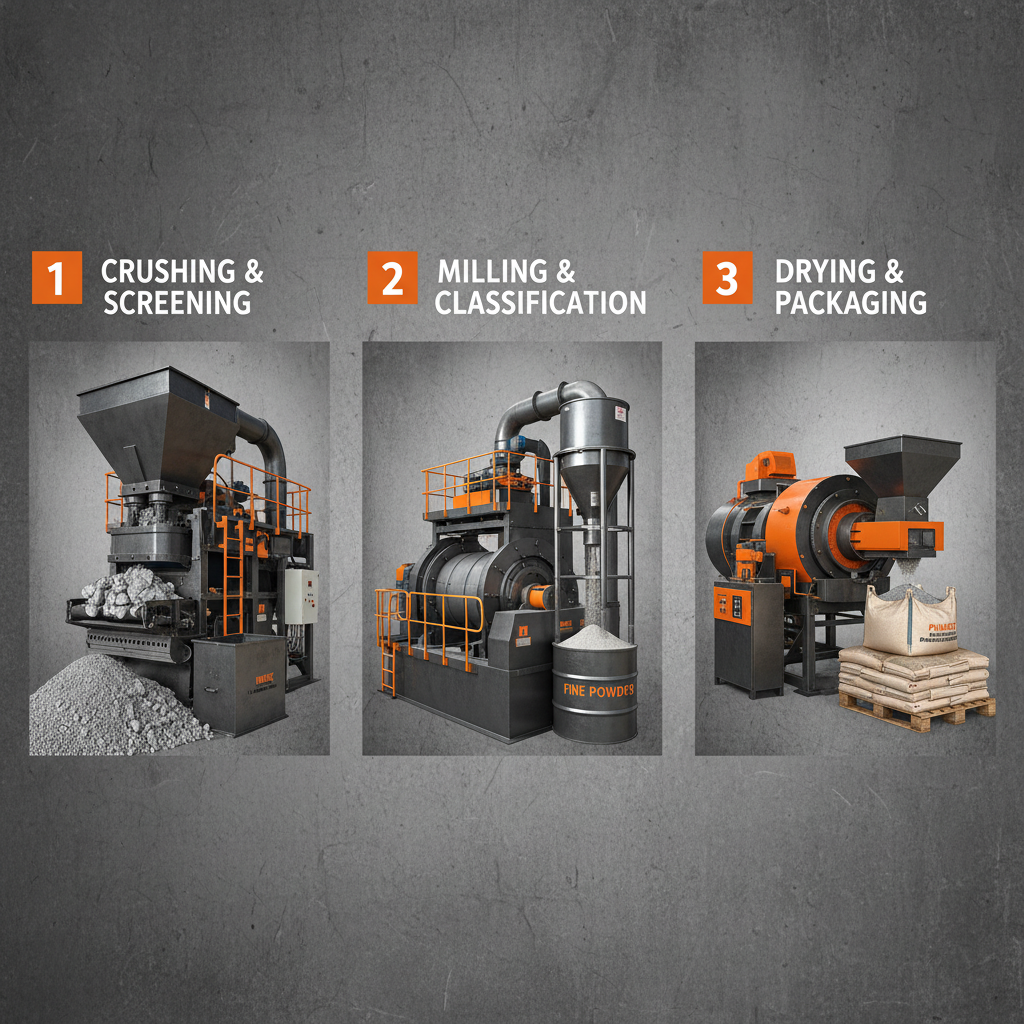
Simply put, dolomite powder for sale is finely ground dolomite rock, primarily composed of the mineral dolomite (CaMg(CO3)2). It’s produced through quarrying and grinding natural dolomite deposits.
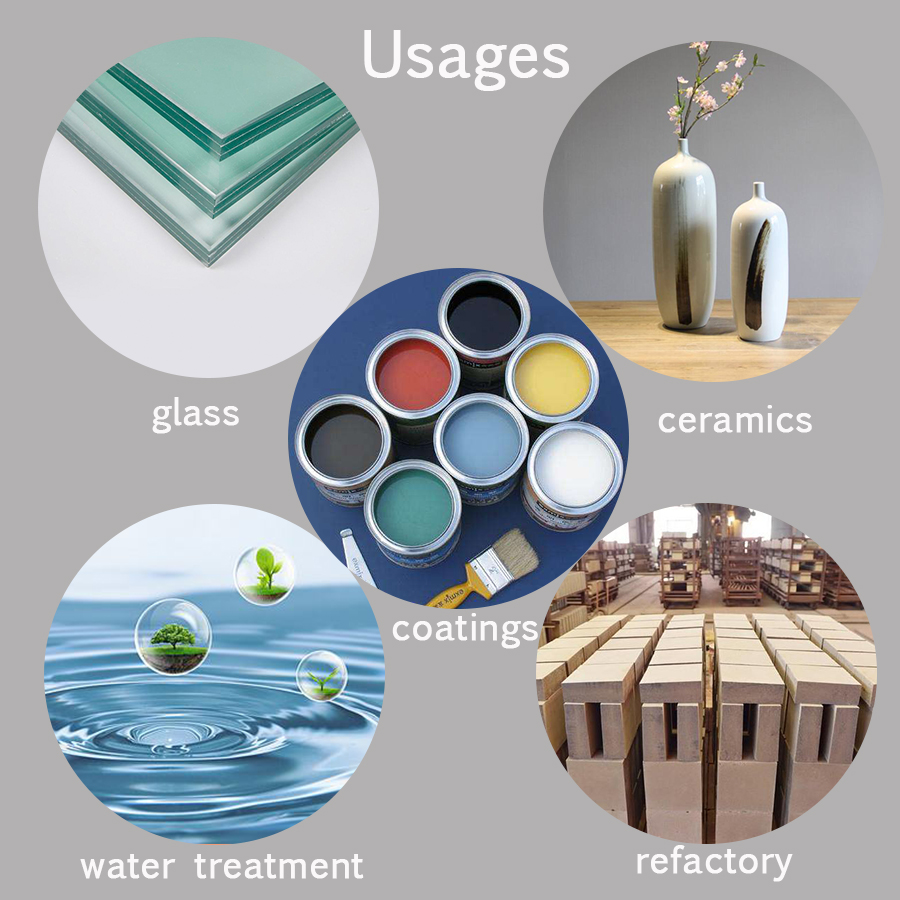
Industrially, it’s valued for being a non-toxic, mild alkaline substance. When added to soil, it helps balance pH, providing essential magnesium and calcium to plants — crucial for nutrient uptake and overall crop health. Beyond agriculture, its neutralizing properties make it a go-to for water treatment and flue gas desulfurization (think industrial smokestack filters).
Interestingly, modern industries ranging from glass manufacturing to animal feed supplements rely on dolomite powder’s multifaceted properties. It’s also a fundamental ingredient in producing magnesium oxide and refractory bricks, materials used in steel mills to line furnaces.
Key Characteristics Making Dolomite Powder So Useful
1. Chemical Composition & Purity
The effectiveness of dolomite powder depends largely on its purity levels—usually above 90% CaMg(CO3)2. Higher purity means better outcomes in agriculture and manufacturing.
2. Particle Size & Texture
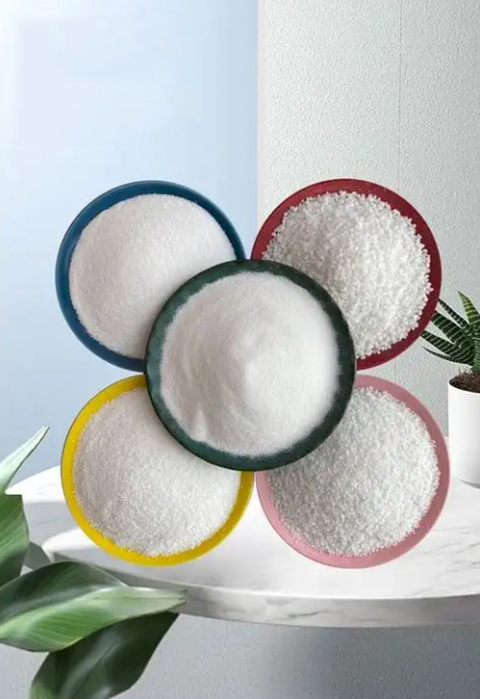
Fine to medium grain powders are preferred depending on the application. For soil amendments, uniformly ground particles improve absorption, while coarser grades are used in construction.
3. Alkalinity & pH Neutralization
Dolomite’s alkaline nature helps neutralize acidic soils, improving crop yields and mitigating acid rain effects when used in environmental applications.
4. Mineral Nutrient Supply
Unlike some liming agents, dolomite supplies magnesium, an essential plant nutrient often missing in soils.
5. Stability & Storage
Dolomite powder is chemically stable over time when stored properly, making it reliable for long-term industrial use.
| Specification | Typical Value | Industry Standard |
|---|---|---|
| Chemical Purity (CaMg(CO3)2) | 92% | ≥85% |
| Moisture Content | 1.0% | ≤2% |
| Particle Size (mesh) | 100–200 | Varies by application |
| pH (10% solution) | 8.3–9.0 | 7.5–9.5 |
Real-World Uses: Where Dolomite Powder Comes Alive
Whether you’re in the fertile fields of India or overseeing steel production in China, dolomite powder has a role. Here’s where it shines:
- Agriculture: Used as a lime fertilizer, it improves acidic soils and provides vital nutrients magnesium and calcium.
- Cement & Construction: Serves as a raw material for cement manufacturing and acts as a filler in concrete.
- Steel Industry: Used in refractory bricks that line furnace ovens, resisting high temperatures efficiently.
- Environmental Applications: Flue gas treatment to remove sulfur dioxide emissions, contributing to pollution control.
- Animal Husbandry: Sometimes added to animal feed for magnesium supplementation.
Regions with heavy industrial activity like Europe, North America, and East Asia rely heavily on dolomite powder. Even NGOs working in soil restoration in sub-Saharan Africa view it as an affordable, locally sourced improvement tool.
The Long Game: Advantages & Lasting Impact
Why do professionals keep turning back to dolomite powder? Beyond its obvious affordability, it’s about the long-term benefits:
- Cost Efficiency: Local deposits worldwide mean low price volatility and reliable supply.
- Sustainability: Natural, abundant, and eco-friendlier than synthetic alternatives.
- Health & Safety: Non-toxic and stable, safe for handling in various industries.
- Soil & Crop Health: Boosts yields and reduces dependency on chemical fertilizers.
- Industry Reliability: Consistent quality reduces downtime in metal production.
Oddly enough, while it’s a behind-the-scenes player, dolomite powder contributes significantly to food security and cleaner industry — topics close to global policymakers’ hearts.
Looking Ahead: Innovations Shaping The Future of Dolomite Powder
Industrial technologies are evolving, and so is dolomite powder. Some emerging trends include:
- Green Mining & Processing: Cleaner extraction methods reduce environmental footprints.
- Nano-Enhanced Powders: Research into nano-scale dolomite for advanced composites and coatings.
- Digital Supply Chains: IoT sensors now monitor quality from quarry to end-user improving traceability.
- Carbon Capture Integration: Using dolomite in innovative ways to trap CO2 emissions.
These developments suggest a growing role for dolomite powder not just as raw material but as a technological enabler in clean industries.
Common Challenges & Smart Solutions
Of course, not everything is rosy. Challenges include:
- Quality Variance: Natural deposits vary by source, affecting consistency.
- Logistics & Transport: Bulk material requires efficient handling to prevent cost spikes.
- Environmental Regulation: Mining must comply with stricter environmental protections.
Many suppliers now invest in quality control labs and partner with logistic firms specializing in minerals transport. Meanwhile, exploring local sourcing reduces carbon footprint and improves supply resilience.
FAQ: Quick Answers About Dolomite Powder for Sale
Q: How can I determine the quality of dolomite powder?
A: Look for chemical purity (ideally above 85%), particle size suited for your use case, and moisture content below 2%. Certifications or lab reports from suppliers help confirm these specs.
Q: Is dolomite powder safe to use in organic farming?
A: Yes, it’s generally considered safe and approved by many organic certification bodies as a natural soil amendment.
Q: Can dolomite powder help reduce soil acidity faster than lime?
A: Dolomite acts more slowly than pure lime but provides the added benefit of magnesium, which lime lacks. Many growers use it in tandem with other treatments.
Q: What packaging options exist for dolomite powder for sale?
A: Suppliers typically offer bulk bags (1 ton super sacks), small bags (25kg), or loose bulk deliveries by truck or rail, depending on volume and destination.
Q: Is it possible to source customized particle sizes?
A: Yes, many vendors provide grinding and screening services to meet specific industry needs.
Who's Who? Comparing Top Dolomite Powder Suppliers
| Supplier | Origin | Purity (%) | Packaging | Lead Time | Special Service |
|---|---|---|---|---|---|
| Baifeng Mining Co. | China | 92% | Bulk & bags | 2-4 weeks | Custom sizing & QC |
| Global Minerals Ltd. | USA | 88% | Bags only | 3-5 weeks | Organic certification |
| India Minerals Export | India | 90% | Bulk & bags | 4-6 weeks | Technical support |
In Conclusion: Why Dolomite Powder Is Worth Your Attention
When you look at the broader picture, dolomite powder for sale is more than just a mineral product on the shelf. It’s a quiet hero helping farmers achieve better harvests, manufacturers cut costs, and environmentalists reduce pollution. Its versatility and steady supply make it a reliable choice in a world that constantly demands more sustainable solutions.
Curious to explore how this mineral can fit your industry’s needs? Visit https://www.baifengmining.com to check current offerings, request samples, or consult with experts who understand the science and application of dolomite powder like few others.
It’s always fascinating: a simple stone’s powder sprinkled just right can impact entire industries—and maybe even the planet’s health—one granule at a time.
References
Related News