- Afrikaans
- Albanian
- Arabic
- Belarusian
- Bengali
- Czech
- Danish
- Dutch
- English
- Finnish
- French
- Galician
- German
- Greek
- Hebrew
- Hungarian
- Indonesian
- irish
- Italian
- Japanese
- Javanese
- kazakh
- Khmer
- Rwandese
- Korean
- Kyrgyz
- Lao
- Latin
- Latvian
- Lithuanian
- Malay
- Maltese
- Mongolian
- Myanmar
- Norwegian
- Persian
- Polish
- Portuguese
- Romanian
- Russian
- Serbian
- Slovak
- Spanish
- Swedish
- Tagalog
- Thai
- Turkish
- Ukrainian
- Vietnamese
- Welsh

Cas no of calcium carbonate is the unique chemical identifier for this essential mineral, helping industries ensure consistency and safety across applications. For manufacturers of cement and plaster, using cas no of calcium carbonate guarantees that the raw material has the expected chemical composition, reducing production errors. In the food industry, it ensures supplements, baking powders, and other fortified foods contain safe levels of calcium. Even in environmental applications, such as water treatment, referencing the cas no of calcium carbonate allows engineers to select high-purity calcium carbonate for neutralizing acidic waters. Knowing this number also helps in international trade, ensuring that suppliers and buyers are aligned on product quality, chemical stability, and regulatory compliance. Using cas no of calcium carbonate reduces risks, improves operational reliability, and ensures the final product meets global standards.
Cas Number For Calcium Carbonate In Industry
The cas number for calcium carbonate is a critical reference for chemical documentation, industrial standards, and supply verification. In the plastics industry, manufacturers check the cas number for calcium carbonate to confirm that the filler material matches performance requirements for rigidity, thermal resistance, and printability. Chemical production plants rely on it to confirm the purity of calcium carbonate for adhesives, paints, and coatings. The cas number for calcium carbonate also aids quality control, helping prevent contamination or variations that could compromise product performance. For companies involved in agriculture, construction, and environmental solutions, referencing the cas number for calcium carbonate ensures consistent results, reduces waste, and supports sustainable manufacturing practices. Using this number makes sourcing more transparent and reliable.
Colloidal Calcium Carbonate Applications
Colloidal calcium carbonate is a fine, stable suspension of calcium carbonate particles, prized for uniform distribution and enhanced performance. In the paper industry, colloidal calcium carbonate is added to pulp to improve whiteness, smoothness, and printability without affecting strength. Paint and coatings manufacturers use colloidal calcium carbonate to achieve consistent opacity and fine texture, ensuring a premium finish. In agriculture, colloidal calcium carbonate disperses evenly in soil, improving nutrient absorption and reducing the need for chemical fertilizers. Many cosmetic companies also rely on colloidal calcium carbonate in facial powders and skincare formulations due to its smooth texture and chemical stability. Its versatility across industries makes colloidal calcium carbonate a preferred choice for high-quality, efficient, and environmentally friendly production.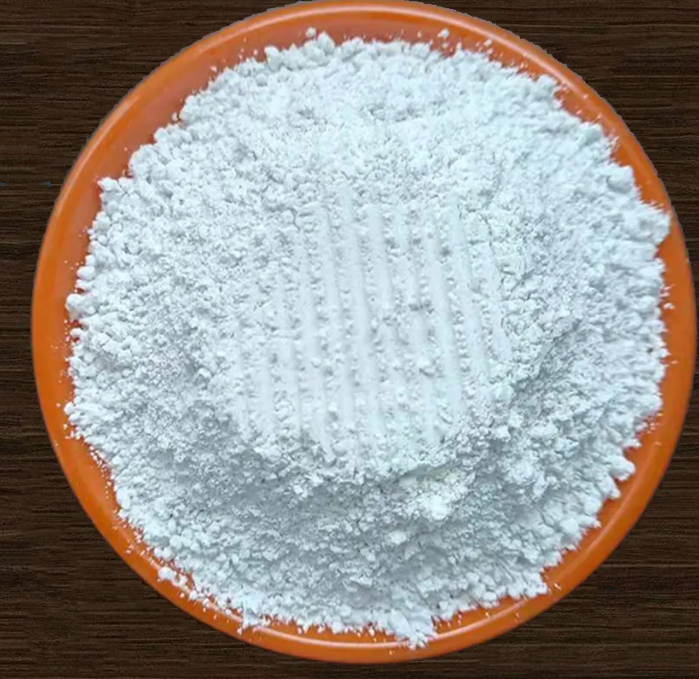
Superfine Calcium Carbonate Benefits
Superfine calcium carbonate has extremely small, uniform particles that enhance material performance in precision applications. In plastics, superfine calcium carbonate increases rigidity, heat resistance, and surface smoothness, making it ideal for molded products and packaging materials. In construction, superfine calcium carbonate is blended into cement and plaster to produce ultra-smooth finishes, improving workability and reducing cracks. For coatings, adhesives, and sealants, superfine calcium carbonate ensures even particle distribution, stability, and enhanced bonding. It is also used in cosmetic powders and toothpaste for uniform texture and safe ingestion. Manufacturers who choose superfine calcium carbonate benefit from higher product consistency, reduced waste, and improved efficiency, making it a cost-effective solution for industries demanding precise quality.
Calcium Powder Uses And Advantages
Calcium powder is one of the most versatile forms of calcium carbonate, used in food, healthcare, and industrial applications. In the food sector, calcium powder fortifies baked goods, chewing gums, and beverages, serving as a reliable source of dietary calcium. In healthcare, it is a key ingredient in antacids and dietary supplements, supporting bone health and digestive balance. Industrially, calcium powder is a filler in plastics, rubber, and paper, enhancing mechanical properties, surface finish, and cost-efficiency. Many agricultural applications use calcium powder to improve soil structure and nutrient absorption. Its fine particle size ensures even distribution in all these applications. For manufacturers and consumers alike, calcium powder represents a practical, high-quality mineral that meets everyday health and industrial needs.
Calcium Carbonate FAQs
What is the cas no of calcium carbonate used for?
The cas no of calcium carbonate ensures consistent quality and safe use in food, construction, plastics, and chemical manufacturing, allowing industries to meet regulatory standards.
How is the cas number for calcium carbonate applied in manufacturing?
The cas number for calcium carbonate helps manufacturers confirm purity and chemical composition, preventing contamination and ensuring product performance in industrial and agricultural applications.
What industries use colloidal calcium carbonate?
Colloidal calcium carbonate is widely used in paints, coatings, paper, cosmetics, and agriculture for improved texture, opacity, whiteness, and nutrient distribution.
Why choose superfine calcium carbonate for high-precision applications?
Superfine calcium carbonate offers uniform particle size, high purity, and chemical stability, enhancing surface finish, heat resistance, and material integration in plastics, cement, cosmetics, and coatings.
What are the main applications of calcium powder?
Calcium powder is used as a dietary supplement, antacid, industrial filler, and soil amendment, providing health benefits and improving product performance in plastics, paper, and rubber.
For all your calcium carbonate needs, whether cas no of calcium carbonate, colloidal calcium carbonate, superfine calcium carbonate, or calcium powder, our company offers premium solutions tailored to every industry. Calcium Carbonate (CaCO₃) is a naturally occurring mineral with broad industrial significance, providing cost-efficiency, stability, and environmental friendliness across plastics, food, construction, and chemical manufacturing. Visit our website today to explore our full selection, get expert guidance, and place your order. Experience the practical benefits of top-quality calcium carbonate—enhancing your products, improving sustainability, and supporting reliable industrial performance.


Related News