Understanding Dolomite Powder Price: Why It Matters Globally
If you've ever dabbled in manufacturing, construction, or even agriculture, chances are you've come across dolomite powder — a mineral with a quietly massive footprint worldwide. But beyond just a commodity, understanding the dolomite powder price opens a window into a global market influenced by geology, industry demand, and environmental shifts. Why should you care? Because dolomite isn’t just “powder” — it’s a key ingredient in steelmaking, soil conditioning, water treatment, and even carbon capture. Tracking its price helps industries plan investments, manage costs, and anticipate supply chain hiccups.

In a world increasingly focused on sustainability and resource efficiency, grasping the nuances of dolomite powder price can be the difference between thriving and simply surviving in sectors that depend on this mineral.
The Global Significance of Dolomite Powder Pricing
Let’s put this in perspective. According to the United Nations Environment Programme (UNEP), minerals like dolomite play a growing role in supporting green technologies and sustainable agriculture — and as demand spikes, price volatility naturally follows. The World Bank reports that global mineral prices have seen significant fluctuations over the past decade, influenced by geopolitics, trade policies, and raw material availability.
Dolomite powder price is no exception. For example, increased infrastructure projects in Asia and Africa have pushed demand higher, squeezing supplies and tweaking pricing mechanisms. On the flip side, economic slowdowns lead buyers to negotiate harder or seek substitutes — sometimes with mixed results.
One challenge industries face is balancing affordability with quality. Cheaper dolomite powders might mean impurities or inconsistent granularity, which can have downstream effects on products. So understanding the price point is both a financial and technical checkpoint.
What Exactly is Dolomite Powder Price?
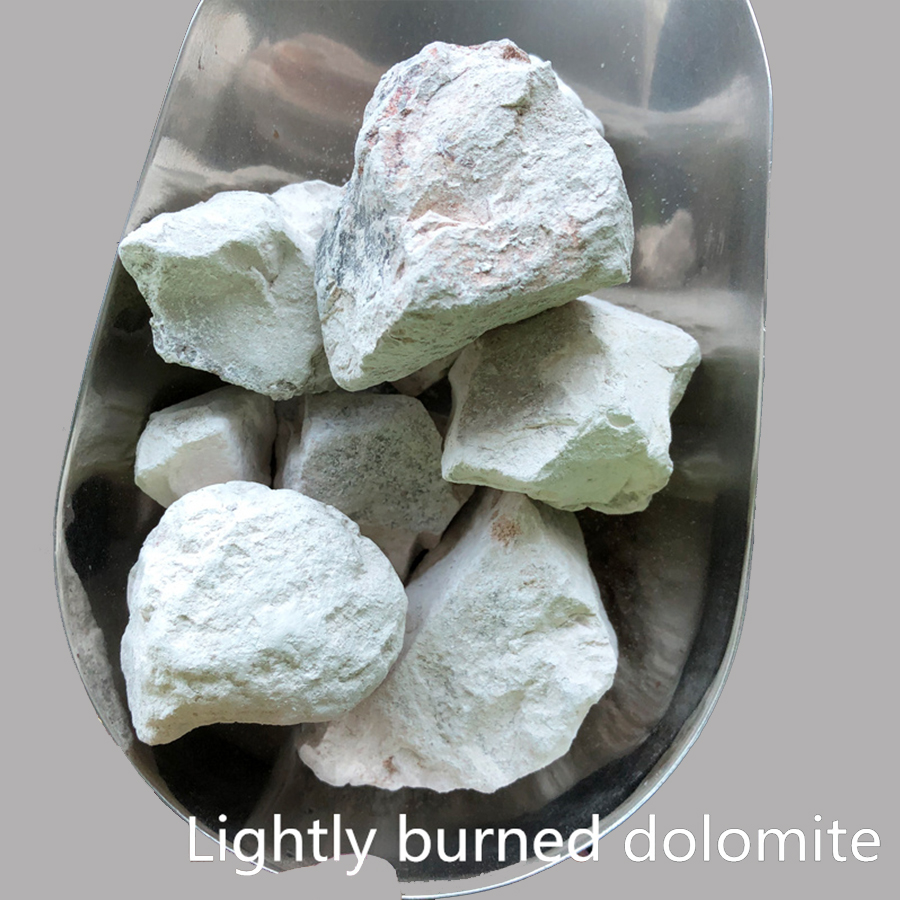
At its core, the dolomite powder price is the market cost per unit weight—usually per metric ton—of finely ground dolomite mineral. Dolomite itself is a sedimentary carbonate rock composed mainly of calcium magnesium carbonate (CaMg(CO₃)₂). When processed into powder, it serves multiple industrial functions:
- As a flux in steel and glass manufacturing
- Soil pH conditioner and fertilizer
- Ingredient in environmental remediation
- Filler or abrasive in manufacturing processes
Its price isn’t a simple static figure—it tracks raw material extraction costs, processing overhead, transportation fees, and market demand. The quality and particle size distribution also play major roles. This price is vital for industries to forecast budgets and maintain product standards while adapting to changing supply conditions.
Core Influencers on Dolomite Powder Pricing
1. Raw Material Quality and Source
The purity of the dolomite ore and its geographical origin heavily influence price. High purity with minimal contaminants (like silica or iron) commands premium pricing because the powder performs better in applications like glassmaking or steel fluxing.
2. Processing and Milling Techniques
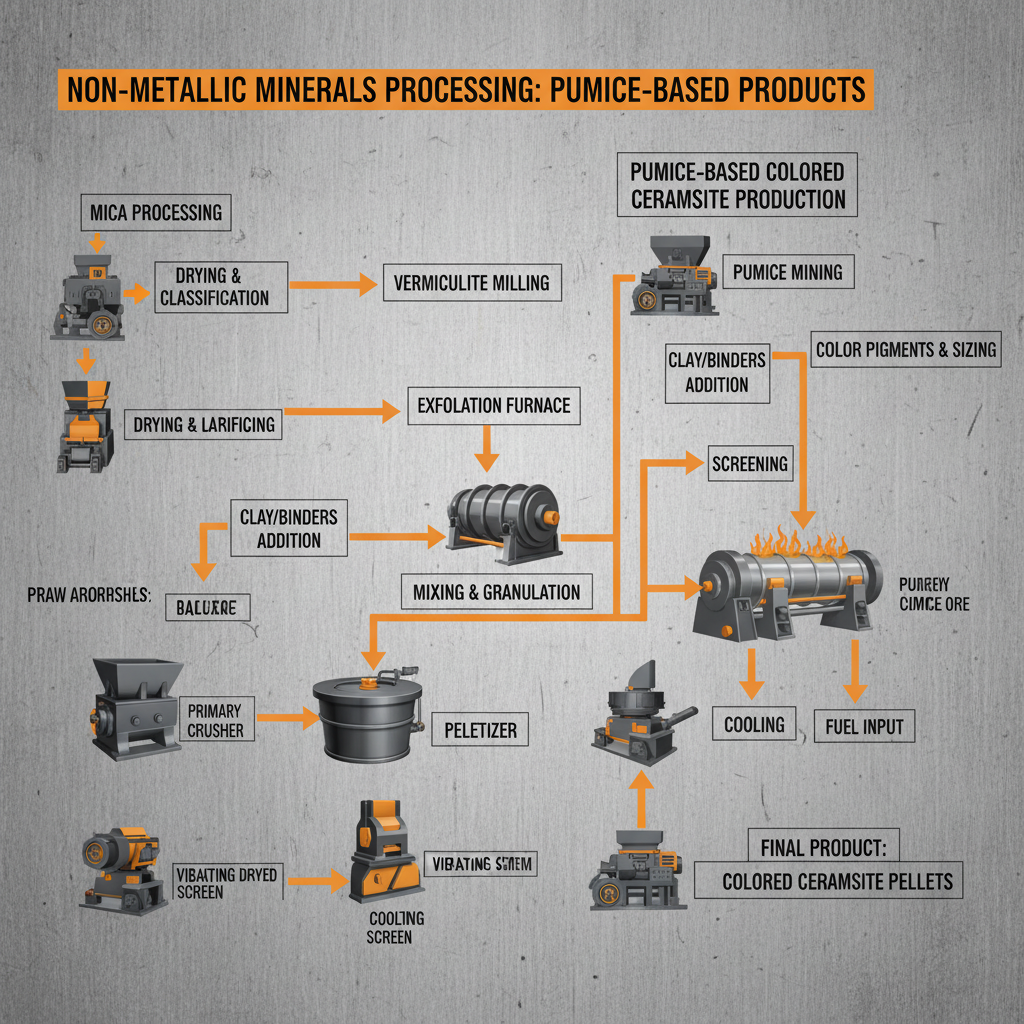
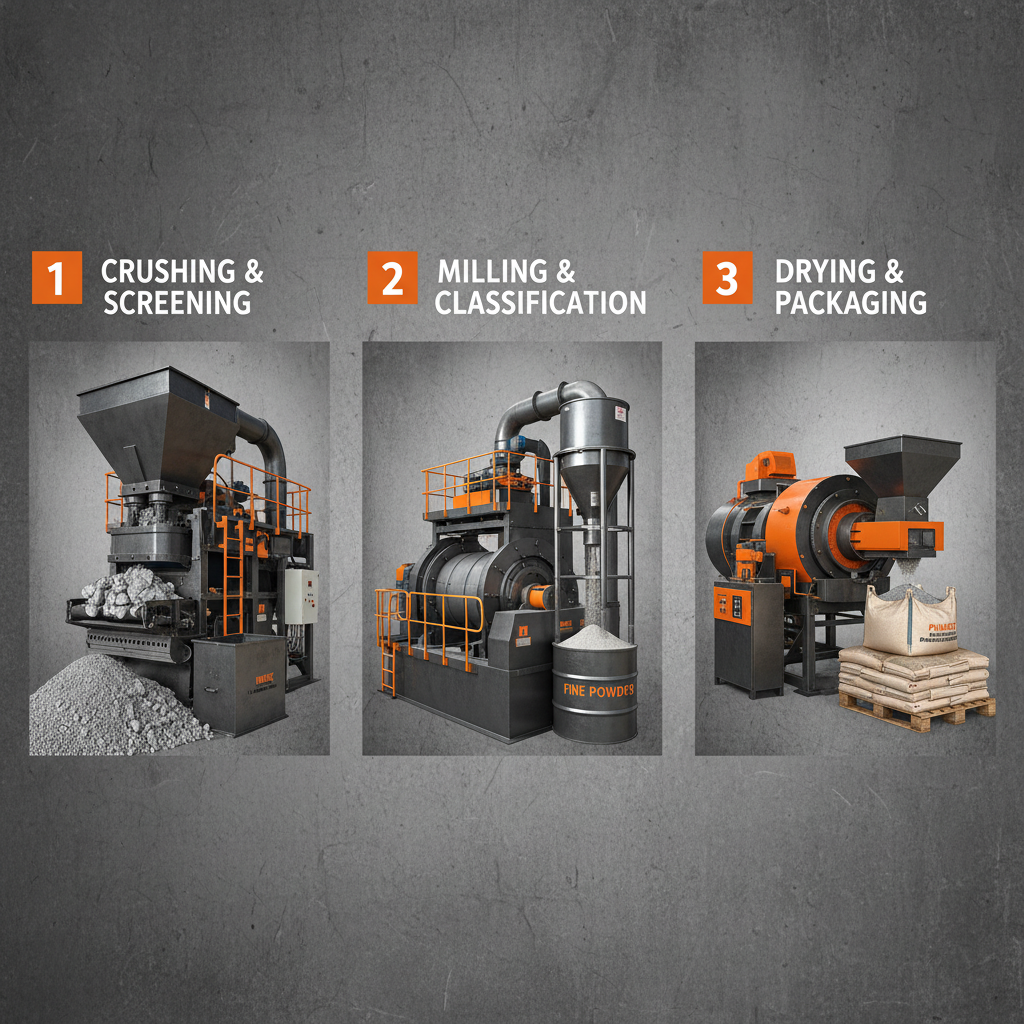
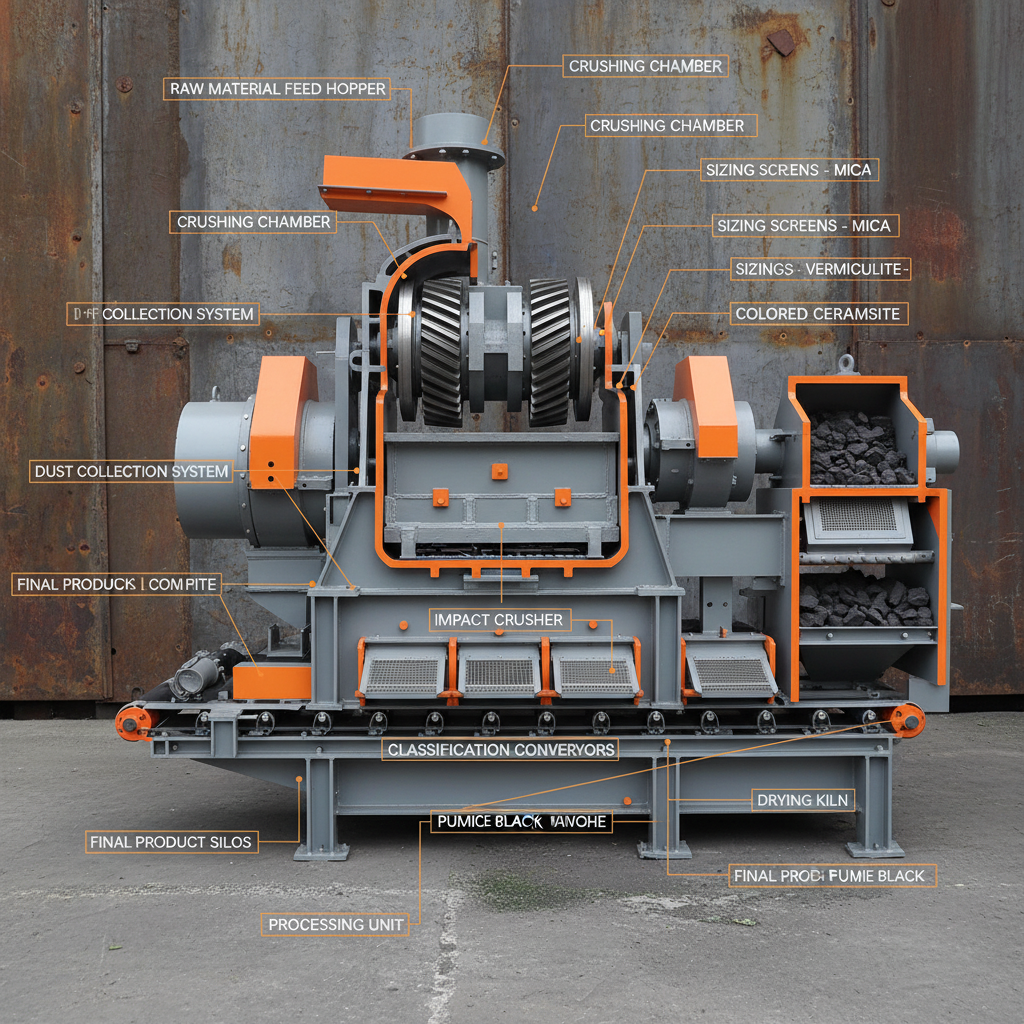
Powder fineness and consistency come from milling technology. Modern crushing and grinding methods yield more uniform particle sizes but at higher production costs. That precision impacts the final dolomite powder price directly.
3. Transportation and Logistics
Given how bulky minerals can be, shipping costs form a great chunk of the price. For instance, exporting dolomite powder from the Middle East or India to Europe affects landed cost, compared to domestic suppliers in those regions.
4. Market Demand and Seasonal Fluctuations
Prices tend to spike around construction booms or agricultural planting seasons, then level off. Unexpected global disruptions (like a pandemic or geopolitical tensions) might also cause sharp ups and downs.
5. Environmental Regulations
Mining constraints, emissions rules, and worker safety laws can increase production expenses, nudging prices upward. Yet they also push industries toward greener processes, sometimes adding value to the powdered product.
6. Currency Exchange Rates
For international buyers and sellers, currency fluctuations introduce pricing uncertainties. A weaker local currency might push export prices lower but raise import costs.
Mini takeaway: Knowing these factors helps you read subtle market movements and anticipate shifts in dolomite powder price that affect your procurement or sales strategy.
Global Applications and Use Cases of Dolomite Powder
Countries worldwide rely on dolomite powder across industries:
- Steel Production: In China and India, two of the largest steel producers, dolomite powder acts as a flux to remove impurities. Small barges bringing dolomite to furnace sites is a daily sight along coastal regions.
- Agriculture: In Brazil and the U.S., dolomite powder is valued as a soil conditioner, adjusting pH and providing magnesium and calcium fertilizers.
- Water Treatment Plants: European plants use dolomite powder for neutralizing acidic waters, improving clarity and safety.
- Environmental Cleanup: After industrial spills or acid rain events, dolomite powder aids in neutralization and soil rehabilitation.
Interestingly, NGOs in post-disaster regions sometimes employ dolomite powder for temporary soil stabilization — a simple but effective use not often highlighted.
Specification Table: Typical Dolomite Powder for Industrial Use
| Property | Typical Value | Units |
|---|---|---|
| Purity (CaMg(CO₃)₂) | 95–98 | % |
| Moisture Content | ≤ 1 | % |
| Particle Size (<75 μm) | 90+ | % |
| Bulk Density | 1.5 | g/cm³ |
| pH (in water) | 8.5–9.5 | – |
Comparing Key Vendors in Dolomite Powder Market 2024
| Vendor | Origin | Price Range (USD/ton) | Purity (%) | Typical Applications |
|---|---|---|---|---|
| Baifeng Mining | China | $110–130 | 96–98 | Steel flux, agriculture, water treatment |
| Dolomit GmbH | Germany | $140–160 | 97+ | Precision glass, pharma fillers |
| MagnaDol | USA | $120–140 | 95–97 | Soil amendments, livestock feed |
Main Advantages & Long-Term Value of Monitoring Dolomite Powder Price
So, why obsess over the intricacies of dolomite powder pricing? Simply because it cascades through various layers of industrial decision-making. Here’s why it really matters:
- Cost Efficiency: Knowing when prices dip or rise allows businesses to time purchases optimally — sometimes saving thousands per shipment.
- Predictable Supply Chains: Awareness of price drivers helps anticipate shortages or oversupply, avoiding production stalls or excess inventory.
- Sustainability: A stable price supports investments in greener extraction and milling methods, reducing environmental footprints long term.
- Social Impact: Fair pricing ensures mining communities and workers share benefits without exploitative pressures.
Underlying it all is a broader theme of trust — between producers, traders, and end-users — all relying on transparent, fair, and data-backed pricing.
Future Innovations Shaping Dolomite Powder Pricing
Looking ahead, a few trends are reshaping the landscape:
- Digital Transformation: Blockchain and IoT-powered supply chain tracking can increase transparency in pricing and provenance.
- Green Mining: Automation and cleaner energy sources in mining reduce volatile costs tied to oil and labor shortages.
- Material Science Advances: Research into nano-dolomite powders with unique properties may create new premium products, shifting value paradigms.
- Carbon Markets: As carbon capture tech matures, dolomite’s role as a CO₂ absorber might become a monetized service, influencing prices.

Challenges in Managing Dolomite Powder Price & How to Overcome Them
However, it’s not all sunshine. Common challenges include:
- Price volatility due to demand spikes and supply chain disruptions
- Quality inconsistencies with cheaper dolomite suppliers
- Environmental restrictions tightening mining operations
Experts suggest strategic stockpiling during low-price periods, thorough supplier audits, and embracing new sustainable mining techniques as practical solutions. Partnering with transparent vendors like Baifeng Mining also reduces risks.
FAQ: Frequently Asked Questions About Dolomite Powder Price
1. What factors most influence fluctuations in dolomite powder price?
The biggest influencers are raw material quality, global demand shifts (especially from steel and agriculture), processing costs, and transportation logistics. External economic factors such as currency exchange rates and geopolitical tensions also play significant roles.
2. How can businesses ensure they're getting quality dolomite powder within budget?
Regular supplier audits, requesting detailed specifications, and testing samples can ensure quality. Timing purchases during market dips and negotiating long-term contracts with trusted vendors help manage costs effectively.
3. Is dolomite powder price expected to rise with sustainability trends?
Likely yes. As regulations push mining operations to adopt greener processes and as demand for high-purity dolomite grows, production costs may increase, influencing prices. However, tech innovation could mitigate some cost pressures.
4. Can fluctuations in dolomite powder price affect end-product pricing?
Absolutely. Since dolomite powder is a key raw material in many industries, its cost impacts final product pricing, especially in steel and fertilizer markets. Businesses often pass these changes downstream.
5. Where can international buyers find reliable dolomite powder suppliers?
Several global players like Baifeng Mining offer verified product lines. It's important to vet suppliers for certification, logistics capabilities, and quality guarantees before committing to international purchases.
Conclusion: Why Keeping an Eye on Dolomite Powder Price is Smart Business
So, what’s the real takeaway here? Tracking dolomite powder price is more than a purchasing detail; it’s a strategic move in a complex global market. It shapes industries, sustains communities, and even ties into the future of sustainable technology. For businesses and stakeholders alike, staying informed means turning raw data into tangible value — cost savings, supply reliability, and greener operations.
If you want to dive deeper into current market rates or find trustworthy suppliers, don’t hesitate to visit Baifeng Mining’s official site — a practical next step toward smarter procurement.
References
- United Nations Environment Programme (UNEP)
- World Bank Commodity Price Data
- International Organization for Standardization (ISO) Mineral Standards
Related News