- Afrikaans
- Albanian
- Arabic
- Belarusian
- Bengali
- Czech
- Danish
- Dutch
- English
- Finnish
- French
- Galician
- German
- Greek
- Hebrew
- Hungarian
- Indonesian
- irish
- Italian
- Japanese
- Javanese
- kazakh
- Khmer
- Rwandese
- Korean
- Kyrgyz
- Lao
- Latin
- Latvian
- Lithuanian
- Malay
- Maltese
- Mongolian
- Myanmar
- Norwegian
- Persian
- Polish
- Portuguese
- Romanian
- Russian
- Serbian
- Slovak
- Spanish
- Swedish
- Tagalog
- Thai
- Turkish
- Ukrainian
- Vietnamese
- Welsh
A Buyer’s Guide to Glass Powder/Granule in 2025
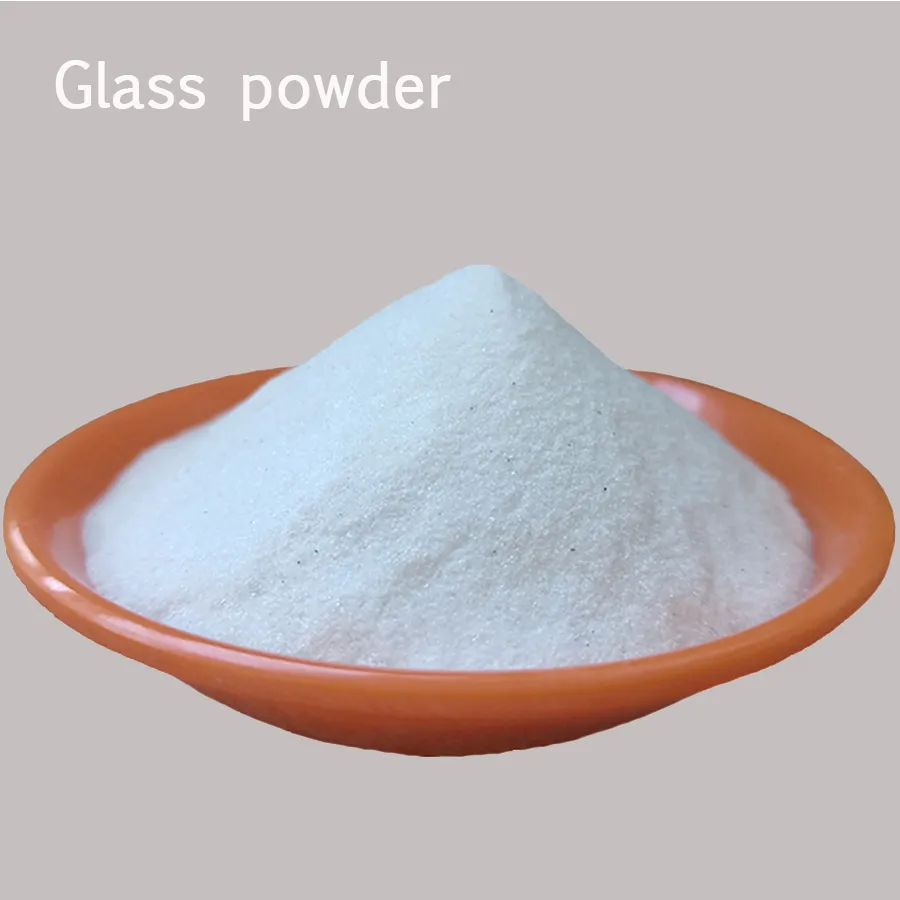
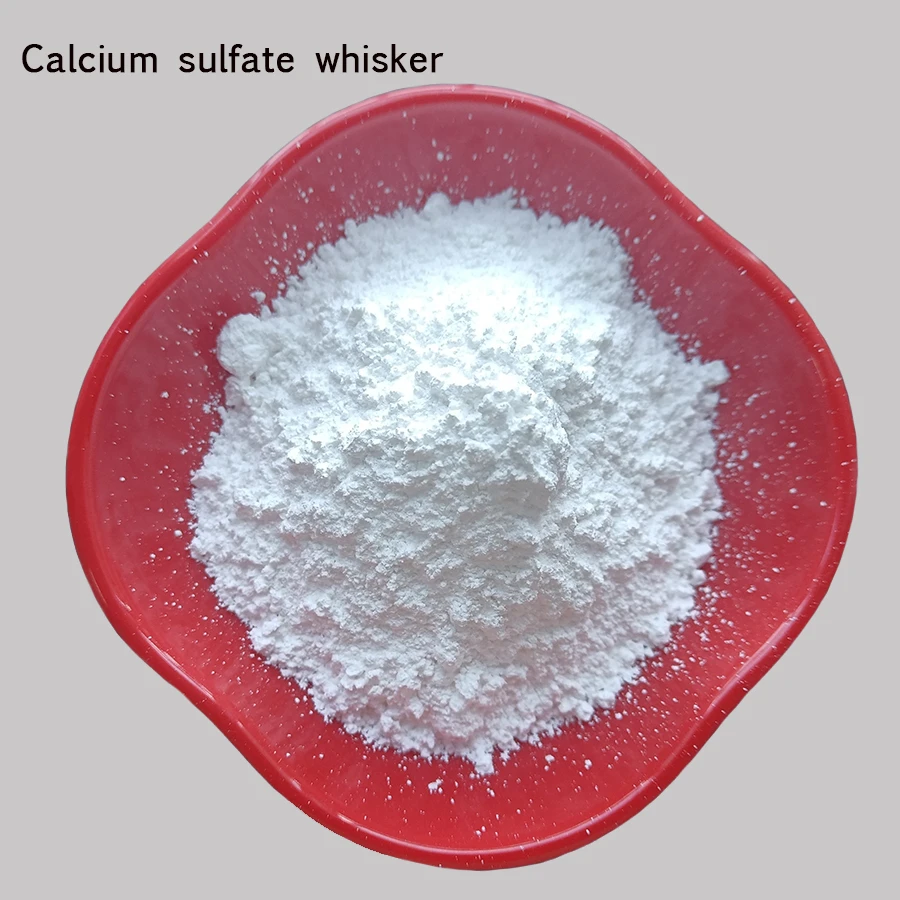
If you work in coatings, terrazzo, composites, or even low-carbon concrete, you’ve likely noticed the quiet surge in demand for Glass Powder/Granule. It’s not hype; it’s practicality. Customers keep telling me they want cleaner filler systems, better whiteness, tighter particle control—and less supply drama. This material, sourced here from Lubai Mountain Village, South Yanchuan, Lingshou County, Shijiazhuang City, Hebei, China, has been ticking those boxes, sometimes surprisingly well.
What’s Trending
Two things stand out: tighter particle size distributions for smoother films and more consistent granules for terrazzo and landscape in-fills. Also, ESG audits are getting real—traceability plus low heavy metals is no longer “nice to have.” To be honest, consistent whiteness is still a common pain point in the market; when it’s right, the difference in final gloss is obvious.
Product Specs (fast glance)
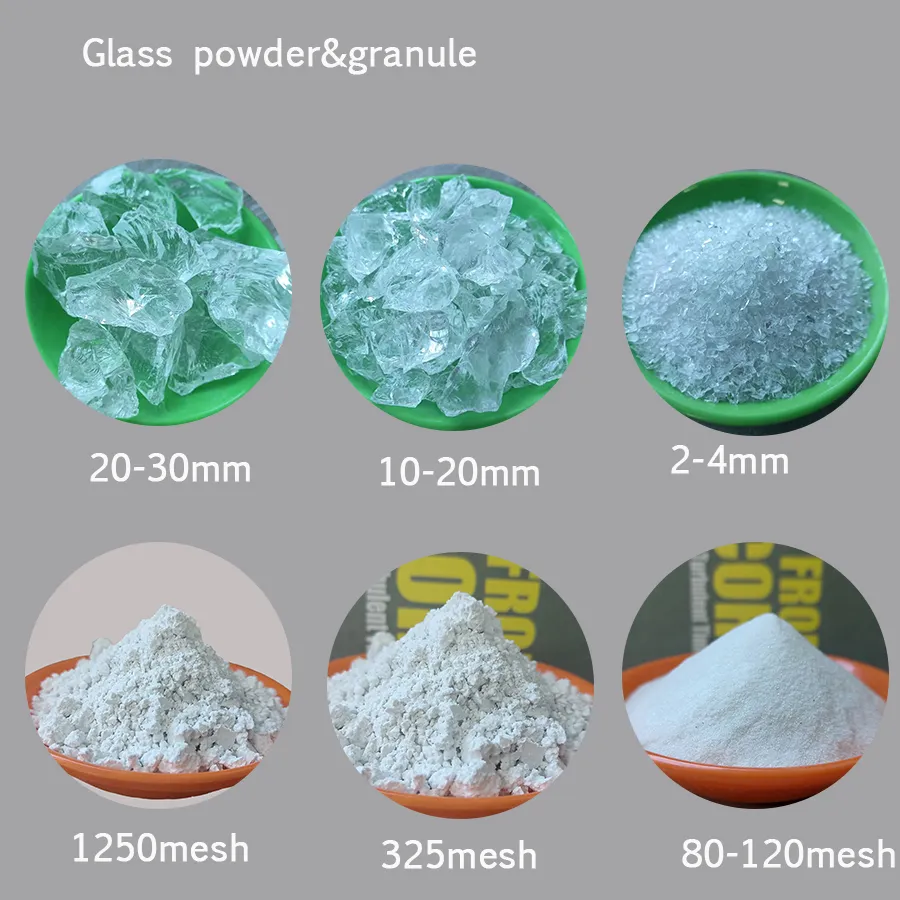
| Form | Sizes | Chemistry (typical) | Color |
|---|---|---|---|
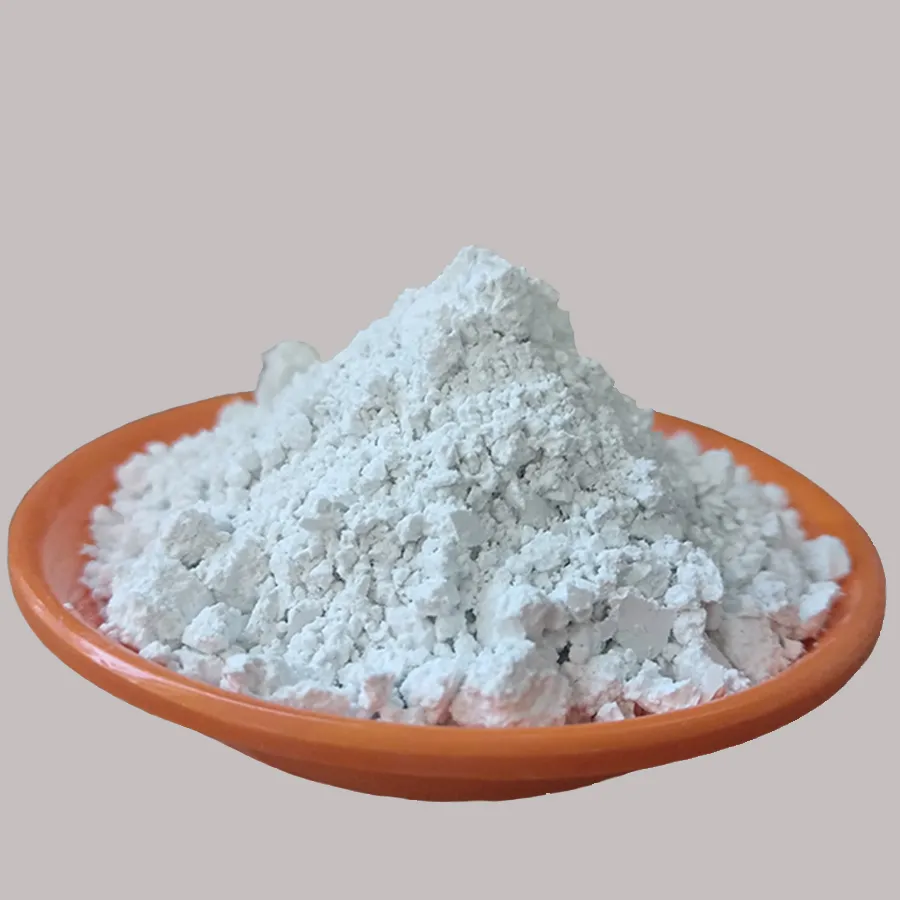
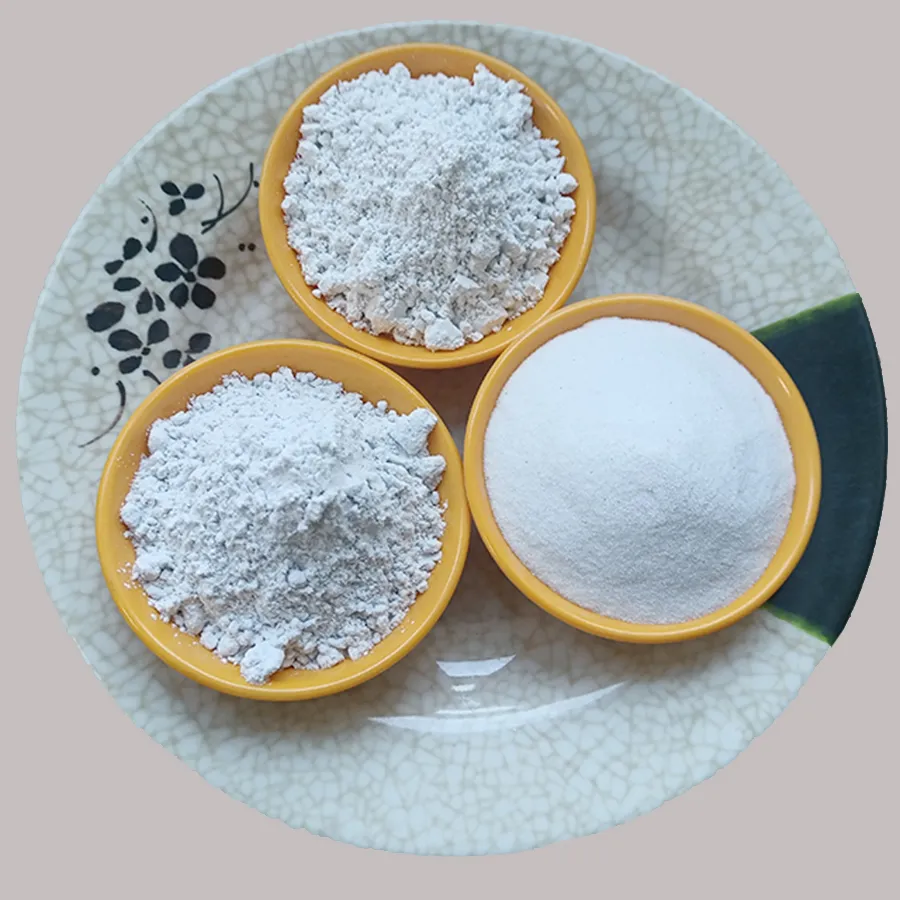
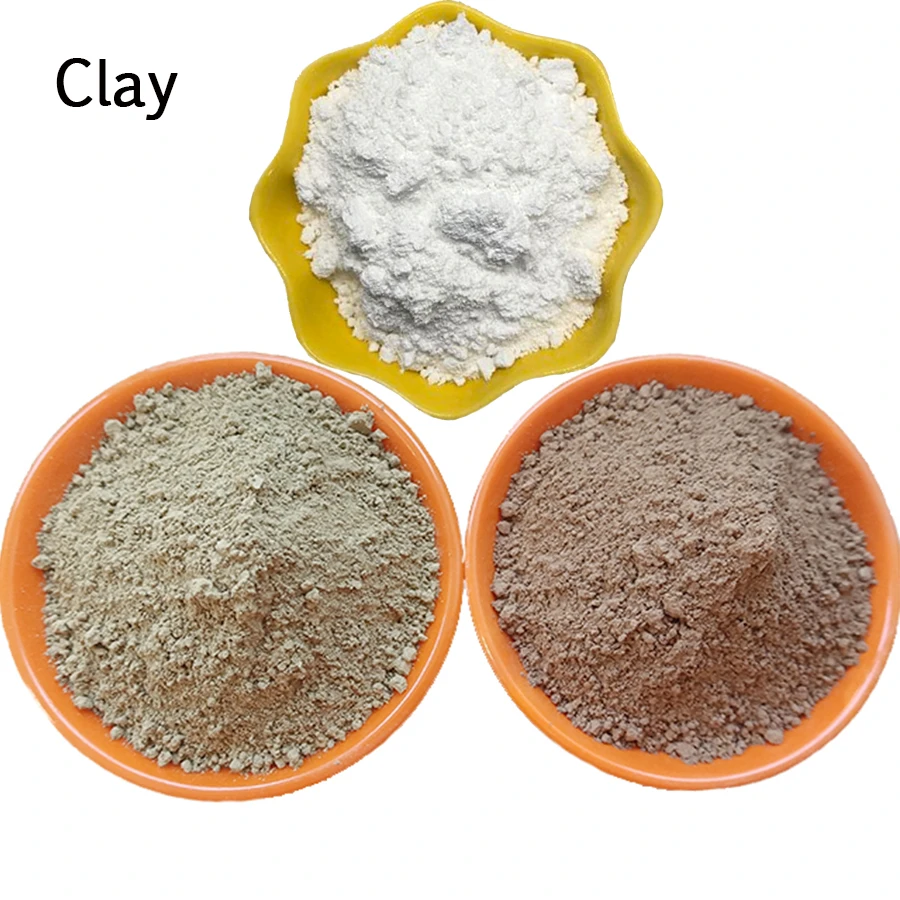
| Powder | 80–120 mesh, 325 mesh, 1250 mesh | SiO2 ≈ 68–72%; Al2O3 ≈ 1–3%; TiO2 ≤ 0.5% (real-world use may vary) | White |
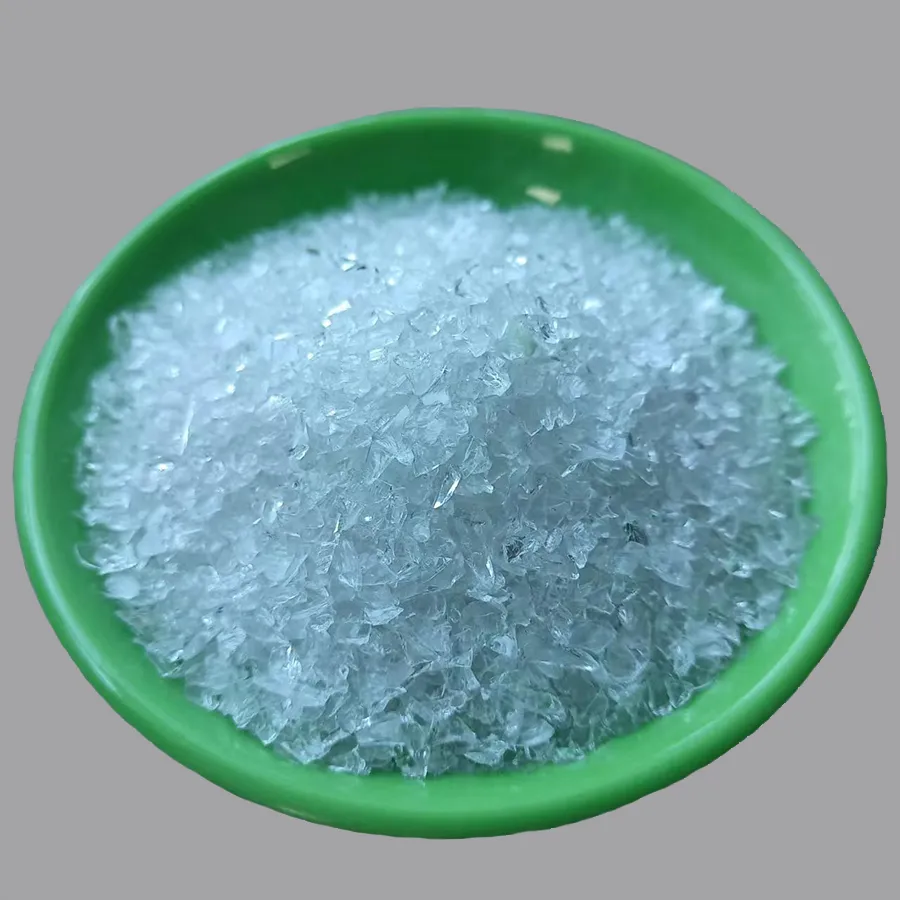
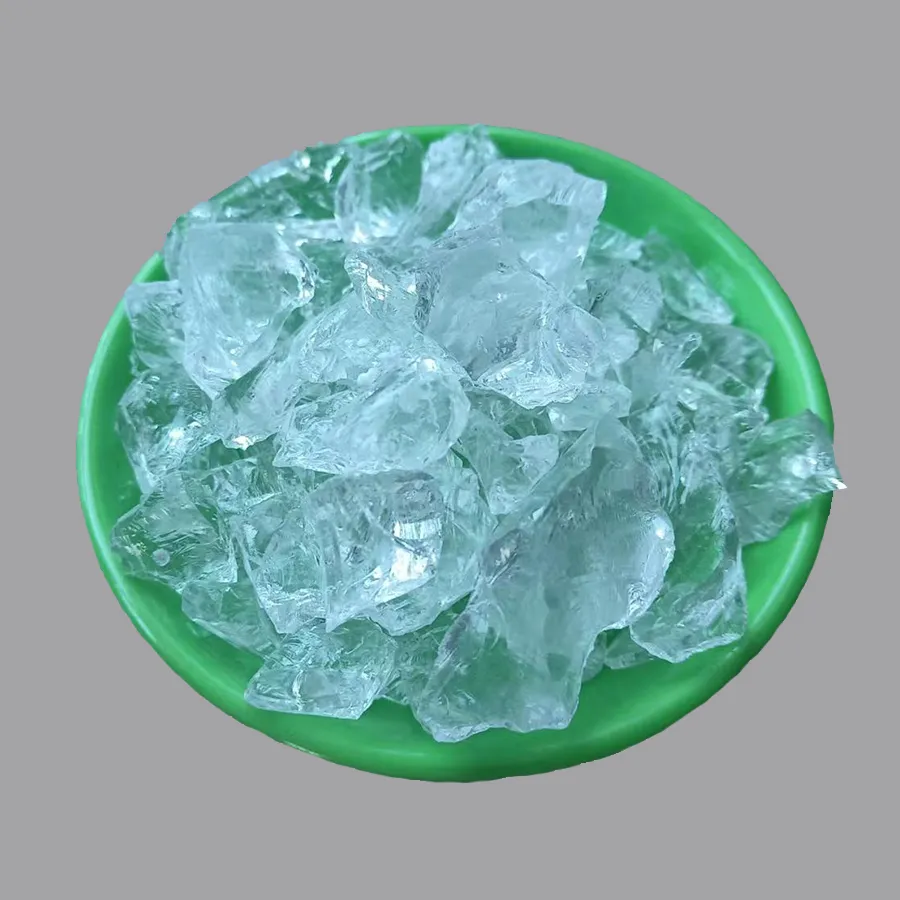
| Granule | 2–4 mm, 1–2 cm, 2–3 cm | Same base glass; low heavy metals | White |
Process Flow and QC (how it’s made)
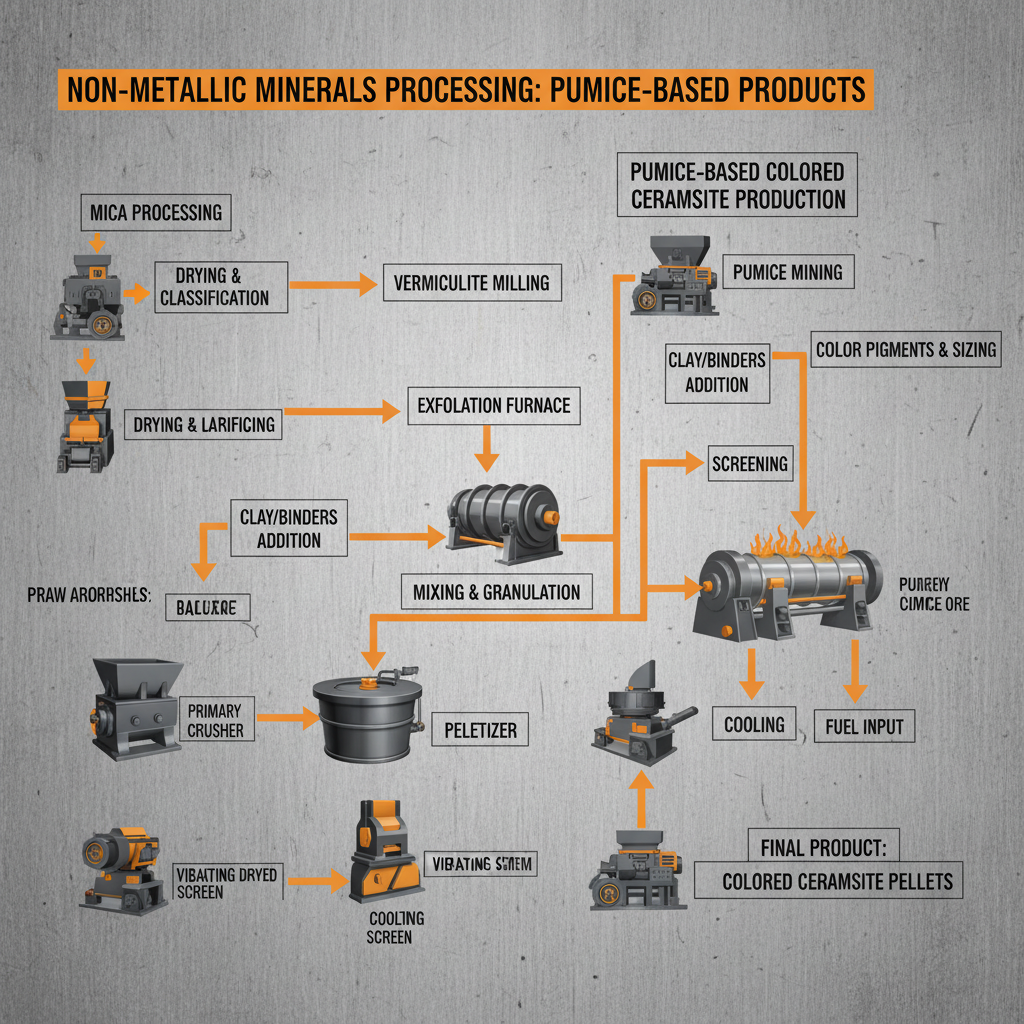
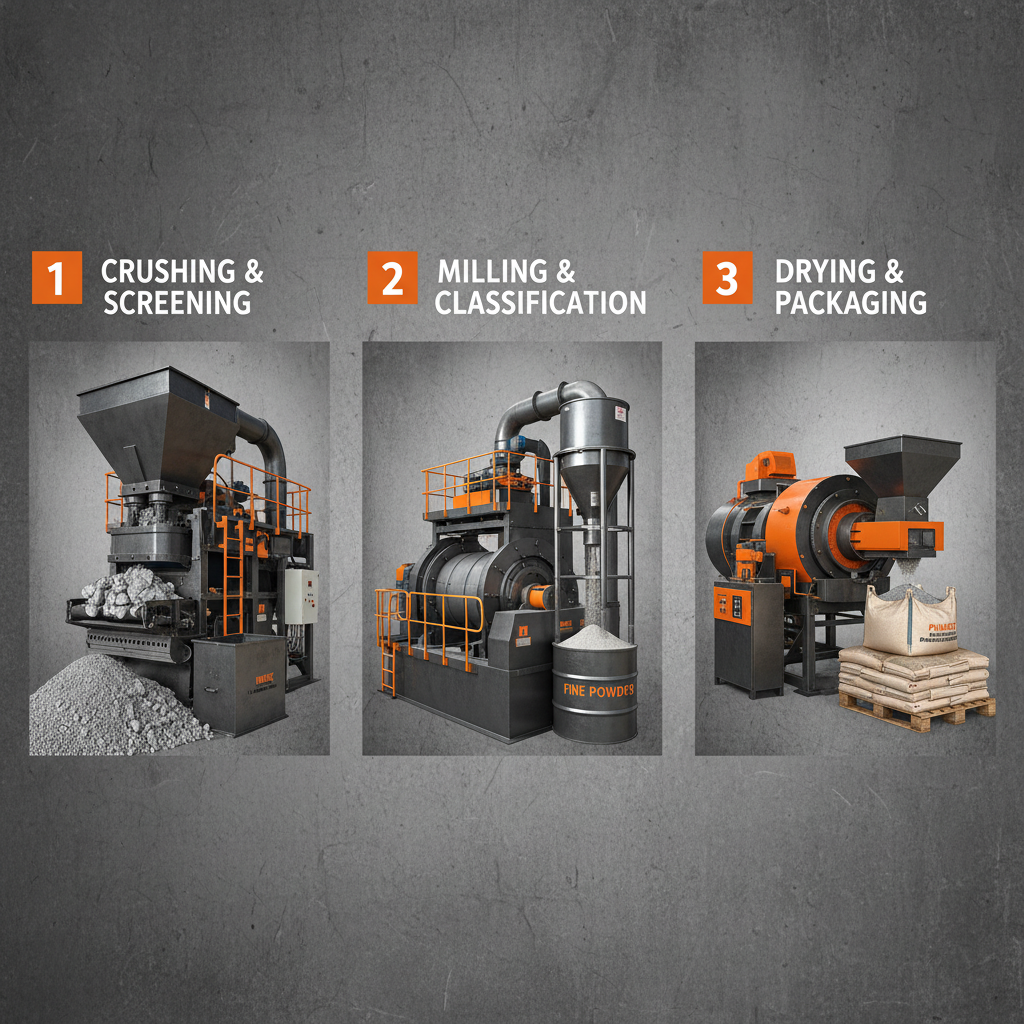
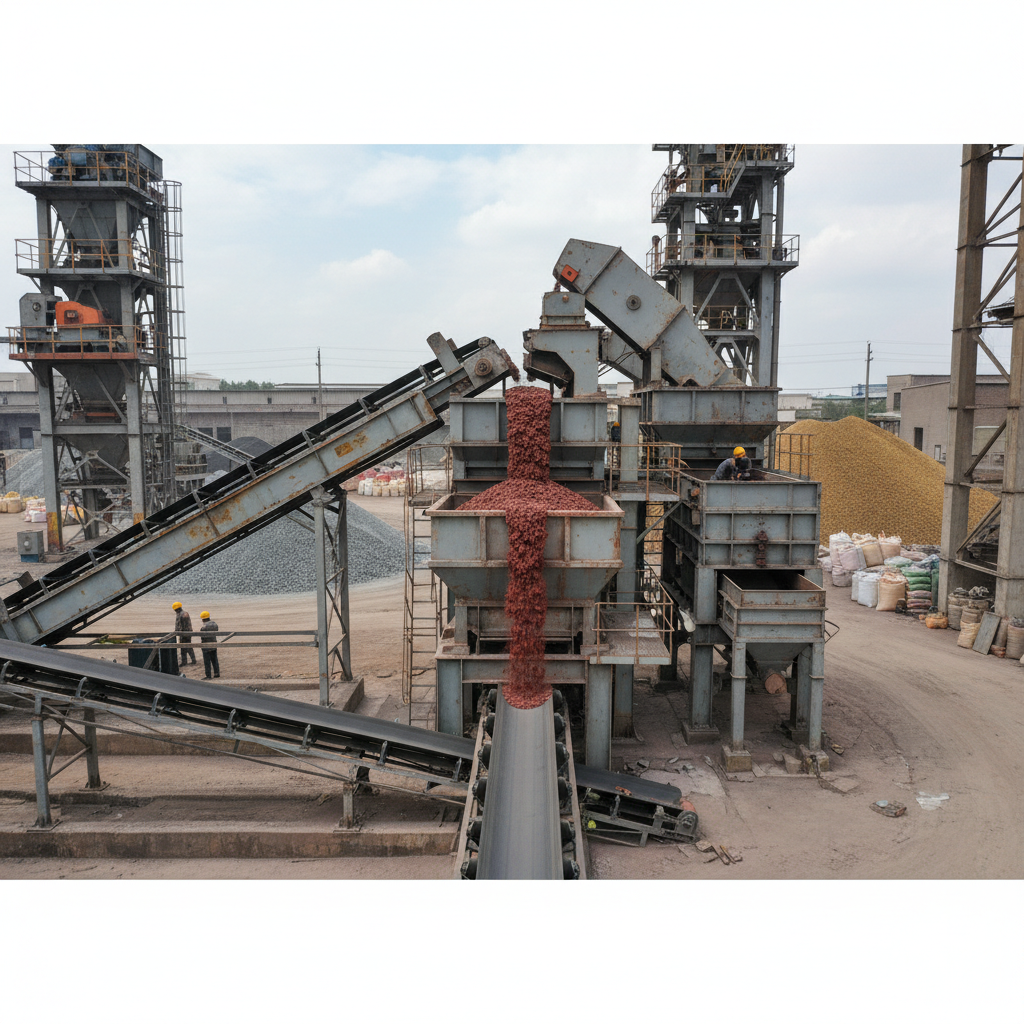
Raw materials: refined glass cullet rich in SiO2 with controlled Al2O3 and TiO2. Methods: crushing → ball/jet milling (powders) or controlled breaking (granules) → multi-deck sieving → magnetic separation → dedusting → optional silane treatment for polymer compatibility. Testing: particle size by laser diffraction (ISO 13320), whiteness index (ASTM E313), moisture (oven at 105°C), and heavy metals screening to RoHS protocols (IEC 62321). Typical density ≈ 2.5 g/cm³; Mohs hardness ~6.
Where It’s Used
- Coatings and inks: matting, burnish resistance, whiteness stability.
- Terrazzo and decorative concrete: clean white granules; vivid chip effects.
- Composites/plastics: dimensional stability, abrasion resistance.
- Cement and UHPC: ground-glass pozzolan for lower clinker factor; ASR mitigation.
- 3D printing (binder jet): flowable, inert filler—pretty handy, actually.
Service life: in epoxy floors, fillers like Glass Powder/Granule can help maintain gloss and wear for ≈ 8–12 years (conditions matter); in concrete, ground glass used per ASTM C1866 has been shown to support long-term durability by reducing permeability.
Why Buyers Choose It
- High whiteness and low yellowness (E313 WI often ≥ 90).
- Clean PSD for smooth films and stable rheology.
- Low heavy metals; RoHS-oriented testing.
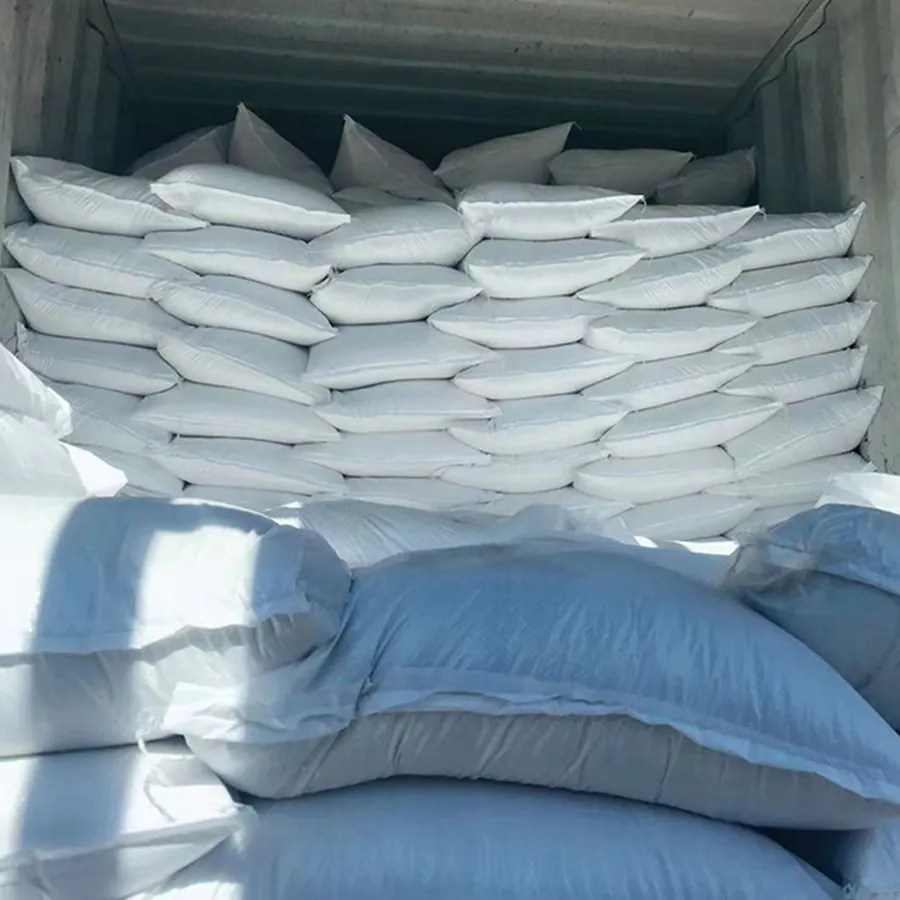
- Consistent supply from Hebei with realistic MOQs.
Vendor snapshot (what I’m hearing)
| Vendor | Certifications | Lead Time | Customization | Notes |
|---|---|---|---|---|
| Baifeng (Hebei) | ISO 9001/14001 (vendor-provided); RoHS test reports | 7–15 days | PSD, silane-treated, moisture ≤ 0.2% | Strong on whiteness consistency |
| Vendor A | ISO 9001 | 15–25 days | Basic PSD only | Cost-first approach |
| Vendor B | — | 10–20 days | Limited | Fluctuating whiteness, per buyers |
Customization
Available in 80–120, 325, 1250 mesh powders and 2–4 mm, 1–2 cm, 2–3 cm granules. Options include: silane coupling (for PA/PP/epoxy), low-Na variants, moisture control ≤ 0.2%, and tight PSD windows (e.g., D50 around 12 μm for high-gloss coatings). Many customers say the tight-window approach cuts grind time—makes sense.
Case Notes
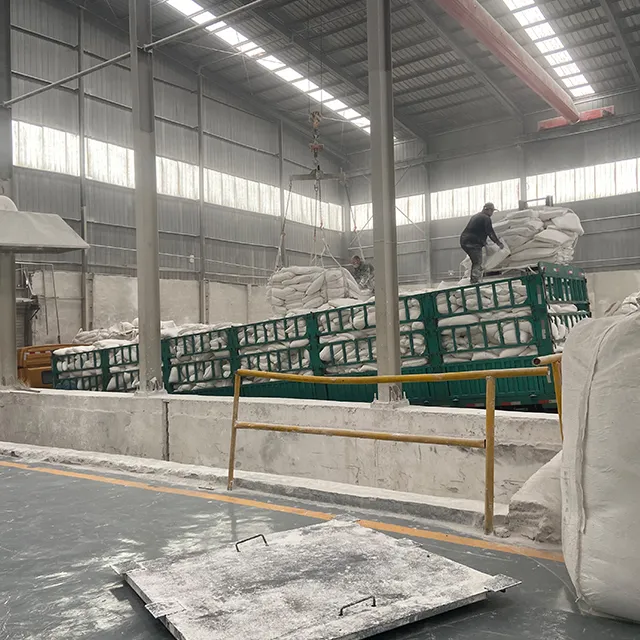
Epoxy flooring maker, SEA: switching to 325 mesh Glass Powder/Granule (silane-treated) boosted 60° gloss by ≈ 4–6 GU and reduced burnish marks after 6 months. Terrazzo panel plant, EU: 1–2 cm white granules improved chip definition and reduced yellowing complaints; installers liked the “cleaner cut.” Small sample size, sure, but signals are good.
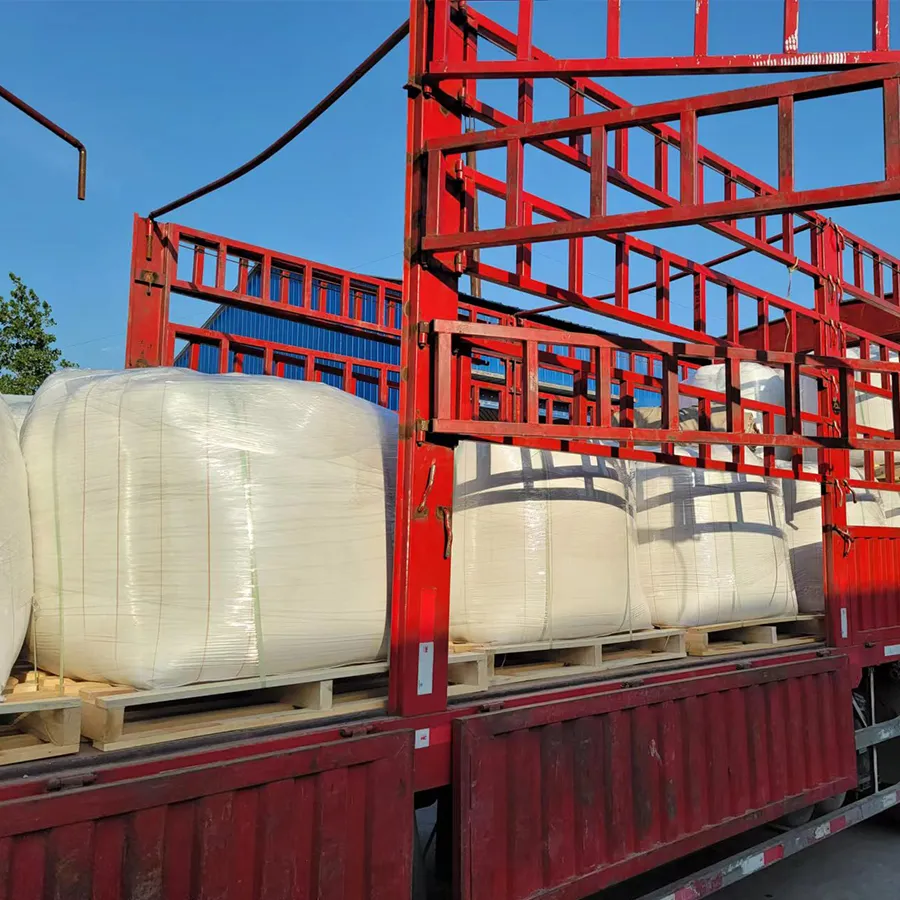
Compliance & Test Data (sample)
- Heavy metals (IEC 62321): Pb, Cd, Hg all below RoHS thresholds; typical Pb
- Whiteness (ASTM E313): WI ≥ 90 on coated-grade powder.
- PSD (ISO 13320): custom D50 targets available; e.g., D50 ≈ 12 μm or ≈ 35 μm.
- Concrete use: aligns with ASTM C1866 ground-glass pozzolan guidance.
References
- ASTM C1866/C1866M – Standard Specification for Ground-Glass Pozzolan for Use in Concrete.
- ISO 13320 – Particle size analysis — Laser diffraction methods.
- ASTM E313 – Standard Practice for Calculating Yellowness and Whiteness Indices.
- IEC 62321 – Determination of certain substances in electrotechnical products (RoHS testing).
Related News