Limestone manufacturers are critical entities in the global industrial supply chain, specializing in the extraction and processing of calcium carbonate-rich sedimentary rocks. These producers transform raw geological deposits into a wide array of essential materials used in construction, agriculture, and chemical synthesis, ensuring that industrial sectors have access to the precise mineral grades required for their specific applications.
Selecting a reliable supplier is often challenging due to variations in mineral purity, logistical complexities, and the stringent technical requirements of downstream industries. Many procurement managers struggle with inconsistent particle size distributions or chemical impurities that can compromise the structural integrity of cement or the efficiency of metallurgical processes, making the evaluation of manufacturer capabilities a top priority.
This comprehensive analysis explores the operational standards of professional limestone manufacturers, provides a technical framework for assessing product quality, and outlines key selection criteria. Readers will gain the necessary insights to optimize their procurement strategies and identify partners capable of delivering high-purity minerals with consistent technical specifications.

1Understanding the Role of Limestone Manufacturers

Limestone manufacturers operate at the intersection of mining engineering and materials science. Their primary role is to extract limestone from quarries and refine it into usable forms—such as crushed stone, powdered calcium carbonate, or quicklime. The process requires a deep understanding of geology to ensure the raw material extracted meets the chemical composition required for the final product.
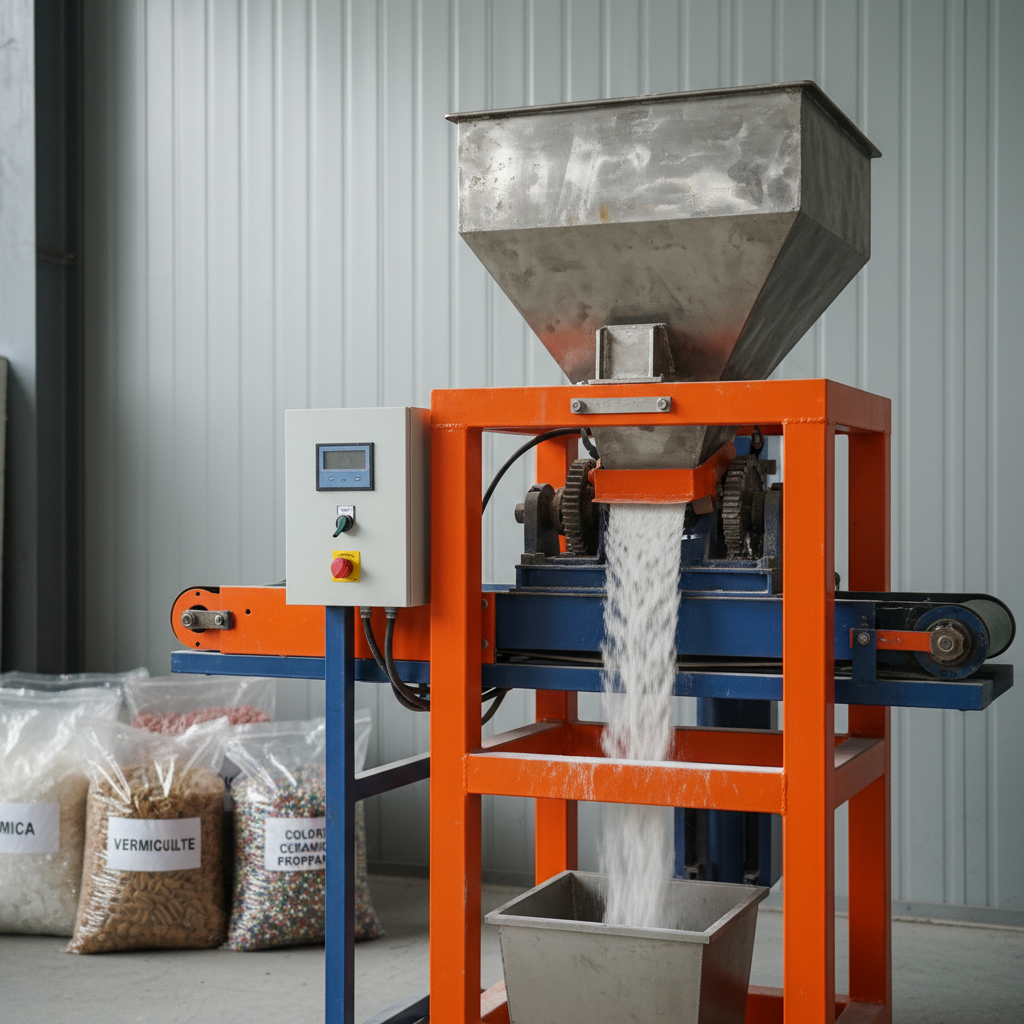
Modern manufacturers utilize advanced crushing and grinding circuits to achieve precise granulometry. By controlling the milling process, they can produce materials ranging from coarse aggregates for road bases to micronized powders used as fillers in the plastics and paper industries.
The value added by professional manufacturers lies in their ability to maintain batch-to-batch consistency. This is achieved through rigorous sampling and laboratory analysis, ensuring that the percentage of CaCO3 remains within a narrow tolerance range, which is vital for industrial reactions.
2Core Technical Specifications and Quality Grades
The quality of limestone is primarily defined by its chemical purity and physical properties. Manufacturers categorize their output based on the concentration of calcium carbonate and the presence of impurities like magnesium, silica, and iron oxides. For high-end applications, purity levels exceeding 98% are often required.
Physical specifications include the "Los Angeles Abrasion" value, which measures the resistance of the stone to wear and tear, and the moisture content, which affects the weight and flowability of the material during transport and processing.
Furthermore, the brightness or "whiteness" of the limestone is a critical metric for manufacturers serving the paint and coating sectors. This is measured using spectrophotometers to ensure that the mineral filler does not alter the color profile of the final consumer product.
3Primary Industrial Applications and Use Cases
The versatility of limestone allows it to be utilized across diverse sectors. In the construction industry, it serves as a fundamental component of Portland cement and as a high-strength aggregate for concrete. Its chemical stability makes it an ideal base for large-scale infrastructure projects, including dams and highways.
In metallurgy, limestone is used as a flux in blast furnaces. It reacts with impurities in the iron ore to form a liquid slag, which can then be easily removed from the molten metal, thereby increasing the purity of the resulting steel.
Beyond heavy industry, micronized limestone is employed as a functional filler in the production of PVC pipes, rubber tires, and high-quality paper. It provides structural reinforcement and reduces the overall cost of raw polymers without compromising the material's mechanical properties.
4Performance Analysis of Processing Technologies
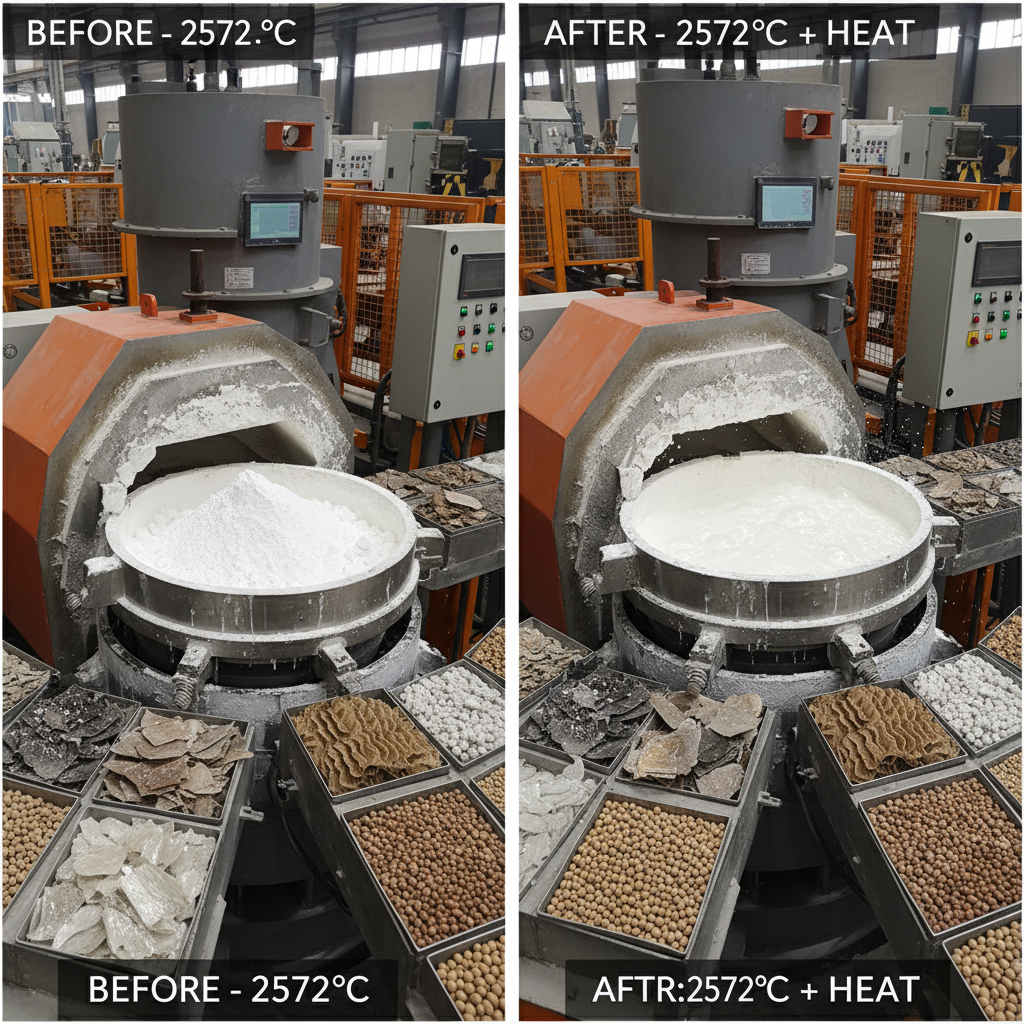
The efficiency of limestone manufacturers is heavily dependent on their processing equipment. The transition from traditional ball mills to vertical roller mills (VRM) has significantly reduced energy consumption while improving the precision of particle size distribution.
Advanced airflow milling and Raymond mills allow producers to reach the "superfine" range, which is essential for pharmaceutical and cosmetic applications. The ability to control the surface area of the particles directly influences the reactivity and dissolution rate of the calcium carbonate.
limestone manufacturers Performance Metrics
Operational performance is also measured by the recovery rate during the beneficiation process. High-performing manufacturers utilize magnetic separators and flotation cells to remove iron and other contaminants, ensuring a product that meets the most stringent international standards.
5Procurement Strategies and Supplier Evaluation
When sourcing from limestone manufacturers, procurement teams must look beyond the price per ton. A total cost of ownership (TCO) approach considers the impact of purity on production yields, the reliability of delivery schedules, and the technical support provided by the supplier.
Evaluation should include an audit of the manufacturer's quality control laboratory. A supplier with in-house X-ray fluorescence (XRF) and laser diffraction particle size analyzers is far more likely to maintain strict adherence to technical specifications.
Logistics also play a pivotal role. Because limestone is a heavy, low-value-per-weight commodity, the proximity of the quarry to the transport hub or the end-user can be the deciding factor in the overall economic viability of the supply chain.
6Sustainability and Environmental Compliance Trends
The mining industry is under increasing pressure to reduce its carbon footprint. Limestone manufacturers are now adopting "green mining" practices, such as optimizing blast patterns to reduce explosive use and implementing dust suppression systems to protect local air quality.
Water recycling is another critical focus. Modern processing plants use closed-loop water systems to minimize the withdrawal from local aquifers and prevent the discharge of alkaline runoff into the surrounding environment.
There is also a growing trend toward the use of alternative fuels in lime kilns, replacing coal with biomass or waste-derived fuels. This not only reduces GHG emissions but also allows manufacturers to offer "low-carbon" mineral products to eco-conscious clients.
7Comparative Analysis of Mineral Grade Selection
Choosing the right grade of limestone depends entirely on the intended application. A mistake in grade selection can lead to catastrophic failures in construction or inefficient chemical reactions in industrial processes.
The following table provides a comparative overview of common limestone grades and their optimal application scenarios, helping procurement officers make data-driven decisions.
| Mineral Grade | Key Characteristic | Primary Application | Critical Limit |
|---|---|---|---|
| High-Calcium | CaCO3 > 95% | Chemical Synthesis | Low Mg Content |
| Dolomitic | High MgCO3 | Agriculture/Refractory | Silica Purity |
| Industrial Aggregate | High Hardness | Road Construction | Abrasion Value |
| Micronized Powder | Fine Particle Size | Plastic Fillers | Whiteness/Brightness |
| Agricultural Lime | Reactive Surface | Soil pH Correction | Particle Uniformity |
| Fluxing Grade | Thermal Stability | Steel Production | Alumina Level |
Ultimately, the most successful partnerships are formed when manufacturers collaborate closely with users to customize the mineral's physical and chemical properties, ensuring a perfect fit for the specific production workflow.
Frequently Asked Questions
Conclusion
Navigating the complexities of mineral procurement requires a balanced understanding of geological quality, processing capabilities, and logistical efficiency. By focusing on purity, consistency, and the technical infrastructure of limestone manufacturers, industrial users can mitigate operational risks and optimize their material performance across various applications.
For procurement teams and engineers seeking reliable mineral solutions, evaluating a partner's commitment to quality control and sustainability is paramount. Those interested in reviewing available product specifications and industry-grade mineral solutions can explore the detailed information at www.baifengmining.com.