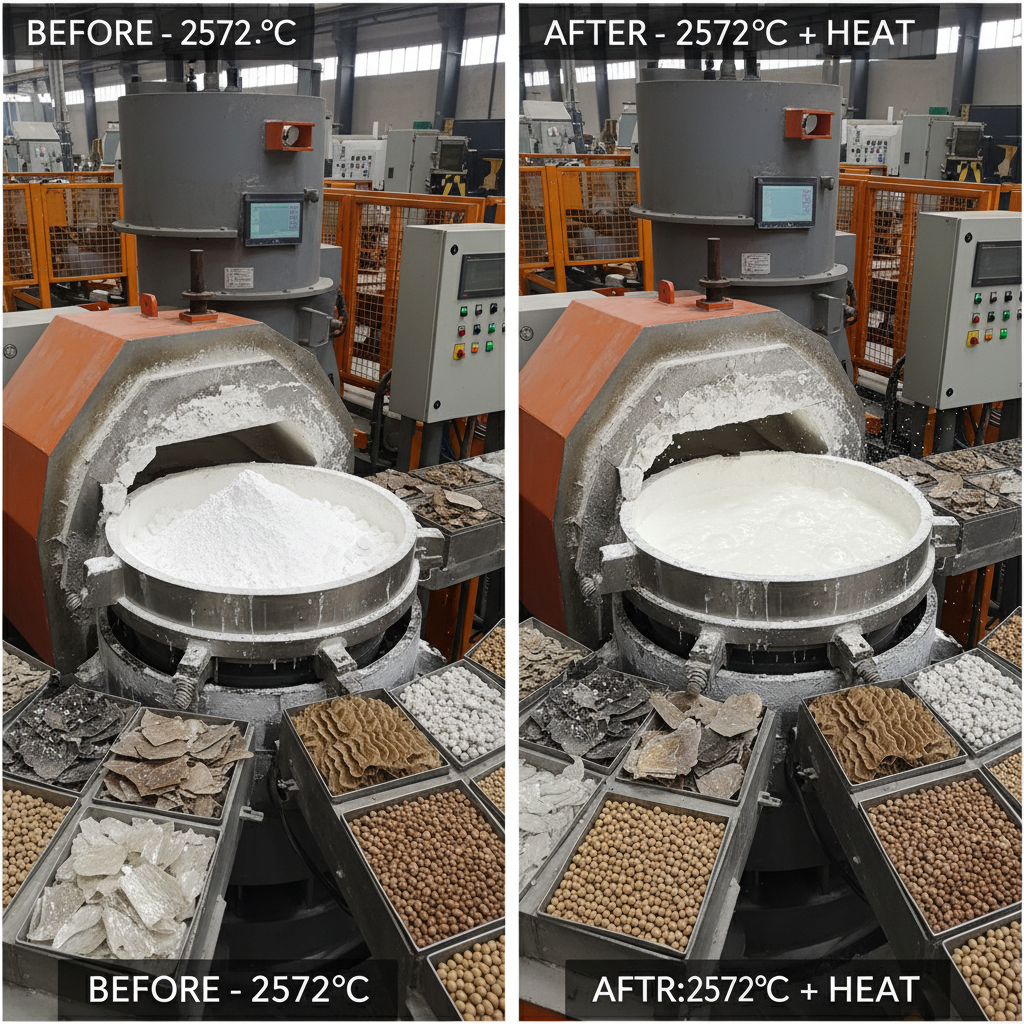
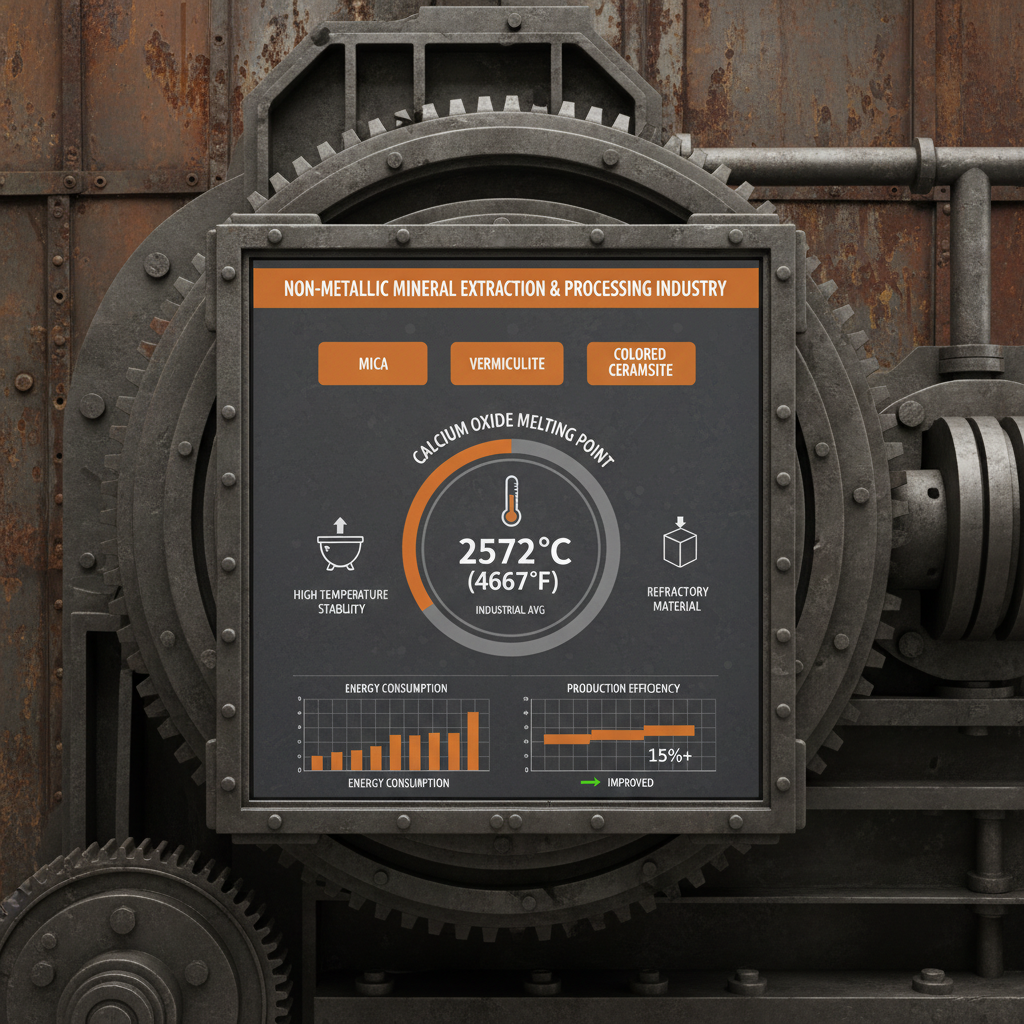
Understanding the calcium oxide melting point is fundamental for engineers and materials scientists working with high-temperature refractories and chemical synthesis. As a critical thermal threshold, this parameter dictates how quicklime behaves under extreme heat, influencing everything from the stability of blast furnace linings to the efficiency of steel production.
Globally, the ability to manipulate and withstand the thermal limits of calcium oxide allows industries to push the boundaries of metallurgy and glass manufacturing. When the calcium oxide melting point is accurately accounted for in industrial design, plants can reduce energy waste and prevent catastrophic structural failures caused by unexpected phase transitions.
Whether it is used in the production of specialty oxides or as a flux in smelting, the thermal properties of CaO are non-negotiable. By exploring the nuances of the calcium oxide melting point, businesses can optimize their material selection, ensuring long-term reliability and operational safety in the most demanding thermal environments.
Global Significance of Calcium Oxide Melting Point
On a global industrial scale, the calcium oxide melting point serves as a benchmark for the design of high-temperature furnaces. According to international standards for refractory materials, maintaining a temperature safely below the melting point of the primary oxide is crucial to prevent "slagging" or the premature erosion of kiln walls, which can lead to millions of dollars in unplanned downtime.
In regions with heavy concentrations of steel and cement production, such as China and India, the precise control of heat relative to the calcium oxide melting point is essential for optimizing energy consumption. By leveraging the extreme heat resistance of CaO, manufacturers can operate more efficient processes that minimize carbon footprints while maximizing the purity of the final mineral output.
Technical Definition and Thermal Properties
The calcium oxide melting point is defined as the temperature at which the crystalline structure of quicklime transitions from a solid to a liquid phase, typically occurring around 2,572°C (4,662°F). This incredibly high threshold makes it one of the most stable oxides known, providing the thermal backbone for various non-metallic mineral applications.
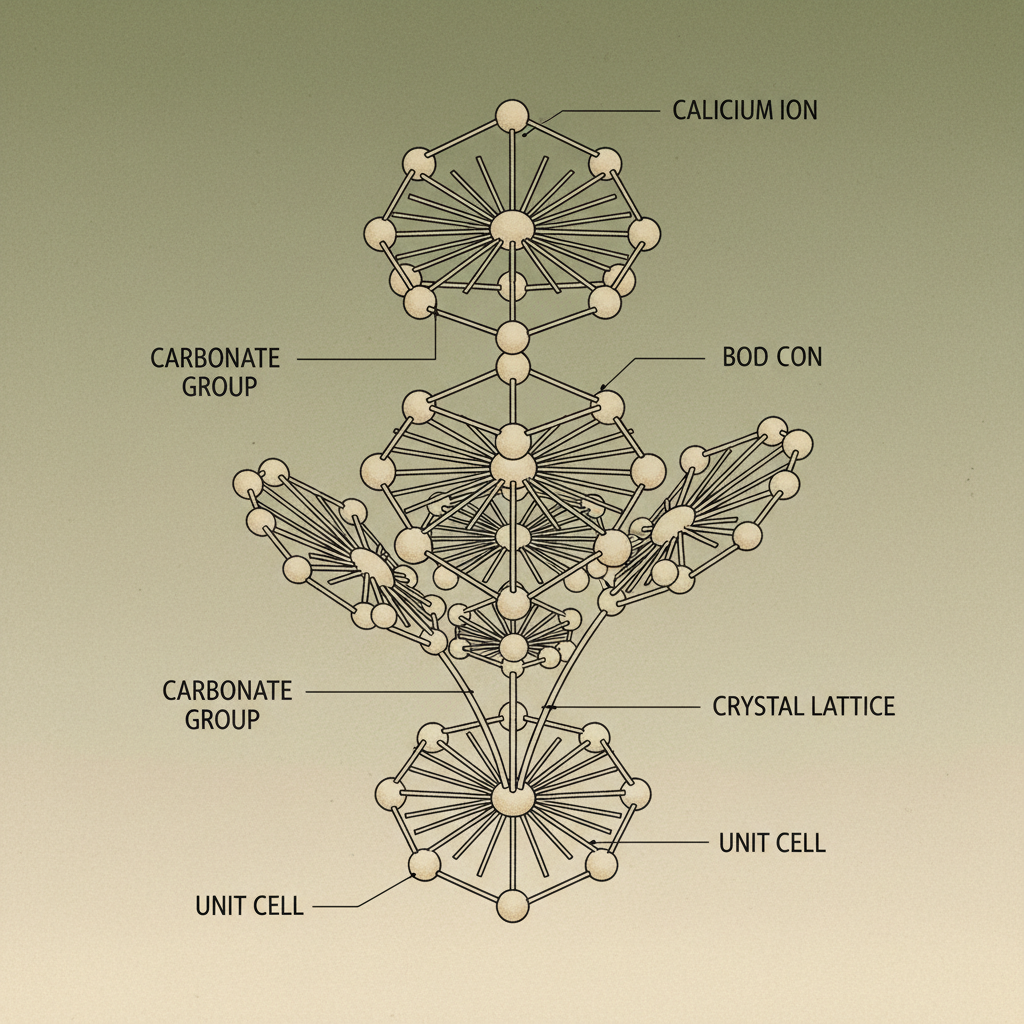
From a molecular perspective, this high melting point is a result of the strong electrostatic attraction between the calcium (Ca2+) and oxygen (O2-) ions in a cubic lattice. This bond strength ensures that the material does not degrade or soften under typical industrial heating cycles, making it an ideal candidate for lining reactors that handle aggressive chemical reactions.
In modern industry, understanding this specific thermal limit is not just a matter of chemistry but a humanitarian necessity regarding safety. Failure to account for the calcium oxide melting point in containment vessel design could lead to thermal runaway or structural breach, emphasizing the need for rigorous adherence to thermal data in engineering specifications.
Core Factors Influencing Thermal Stability
One of the primary factors affecting the operational calcium oxide melting point is the presence of impurities. Elements such as magnesium, silica, or alumina can create eutectic mixtures, which significantly lower the effective temperature at which the material begins to soften, thereby compromising the structural integrity of the refractory.
Purity levels are paramount; high-grade calcium oxide maintained at 99% purity ensures that the calcium oxide melting point remains consistent across the material bulk. This consistency prevents "hot spots" within a furnace, where localized melting could occur if impurities are unevenly distributed throughout the oxide layer.
Furthermore, atmospheric pressure and the chemical environment (such as the presence of CO2 or H2O) can influence the phase stability. While the calcium oxide melting point is a physical constant under standard conditions, the interaction with other minerals in a complex mix can lead to the formation of new compounds with lower melting thresholds.
Industrial Applications and Heat Management
The application of the calcium oxide melting point is most evident in the production of specialty glass and ceramics. In these processes, CaO is used to adjust the viscosity of the melt; because its melting point is so high, it can be introduced into a molten bath without prematurely altering the thermal equilibrium of the rest of the batch.
In the realm of metallurgy, specifically in basic oxygen furnaces, the high calcium oxide melting point ensures that the basic lining remains solid while the slag—which has a much lower melting point—flows freely to remove impurities from the steel. This differential in melting points is the cornerstone of modern steel purification.
Comparative Thermal Efficiency based on Calcium Oxide Melting Point Analysis
Long-term Value in Refractory Engineering
The long-term value of leveraging the calcium oxide melting point lies in the significant reduction of operational risk. When engineers design systems around the maximum thermal limits of CaO, they create a "safety buffer" that protects the plant from unexpected temperature spikes, thereby ensuring the dignity and safety of the workforce operating the machinery.
Furthermore, the sustainability of using high-melting-point oxides is found in the extended lifespan of industrial components. By reducing the frequency of refractory replacement, companies lower their raw material consumption and decrease the amount of industrial waste sent to landfills, aligning commercial profit with ecological responsibility.
Future Innovations in High-Temp Oxides
Looking ahead, the integration of digital twin technology is allowing engineers to simulate the calcium oxide melting point within complex multi-component systems in real-time. This allows for "predictive melting" analysis, where the system can warn operators if the internal temperature is approaching a critical phase transition point.
Moreover, the move toward green hydrogen in steelmaking is shifting the thermal profiles of furnaces. This necessitates a re-evaluation of the calcium oxide melting point and its interaction with new reducing agents, leading to the development of nano-structured oxides that offer even greater thermal resistance.
Automation in the mining and refining sectors is also ensuring that the purity of calcium oxide is more consistent than ever. By removing human error from the calcination process, the resulting material consistently hits the theoretical calcium oxide melting point, providing a reliable standard for global supply chains.
Overcoming Thermal Degradation Challenges
A common challenge in the field is "thermal shock," where rapid temperature changes cause the material to crack long before it reaches the calcium oxide melting point. While the melting point is high, the coefficient of thermal expansion can lead to mechanical failure if the heating cycle is not carefully managed.
To solve this, industry experts suggest the use of composite minerals—blending calcium oxide with other refractory oxides like MgO. This doesn't necessarily raise the calcium oxide melting point, but it improves the overall toughness and shock resistance of the material during extreme thermal fluctuations.
Another innovative approach is the application of advanced coatings that protect the CaO surface from volatile gases. These coatings prevent the chemical reaction that leads to the formation of low-melting-point phases, ensuring that the bulk material remains stable up to its theoretical calcium oxide melting point.
Thermal Stability Analysis of Calcium Oxide Variants
| Material Grade |
Effective Melting Point |
Purity Level |
Industrial Suitability |
| Ultra-Pure CaO |
~2,572°C |
99.9% |
Lab Research / Specialty Glass |
| Industrial Grade A |
~2,550°C |
97% |
Steel Refractories |
| Commercial Lime |
~2,400°C (est) |
90% |
Construction/Agriculture |
| CaO-MgO Blend |
~2,300-2,500°C |
Mixed |
High-Shock Furnaces |
| Sintered Calcium Oxide |
~2,560°C |
98% |
Kiln Linings |
| Impure Calcined Lime |
~2,100°C |
80% |
General Waste Treatment |
FAQS
The theoretical calcium oxide melting point is approximately 2,572°C (4,662°F). However, in real-world industrial applications, the effective melting point may be lower due to the presence of impurities or the formation of eutectic mixtures with other oxides in the furnace.
Higher purity generally ensures that the material remains stable up to its maximum melting point. Impurities like silica or alumina can introduce lower-melting phases, which cause the material to soften or "slag" at temperatures far below 2,572°C, potentially leading to structural failure.
It is critical because CaO is used as a basic flux. Its high melting point allows the furnace lining to remain solid and protective while the impurity-laden slag melts and is removed, ensuring the furnace is not consumed by the process itself.
The melting point of a pure substance is a physical constant and cannot be increased. However, by creating composite materials or utilizing advanced sintering techniques, engineers can improve the thermal stability and resistance to degradation at high temperatures.
If the temperature exceeds the calcium oxide melting point, the refractory lining will liquefy. This leads to immediate structural failure, leakage of molten metal or glass, and significant safety hazards for personnel, often resulting in the total loss of the equipment.
It is recommended to source from specialized non-metallic mineral suppliers who provide certified assay reports. This ensures the material's purity is sufficient to maintain the required thermal threshold for your specific industrial application.
Conclusion
In summary, the calcium oxide melting point is more than just a chemical statistic; it is a cornerstone of high-temperature industrial engineering. From its role in ensuring the stability of steel furnaces to its application in the synthesis of specialty glass, the extreme thermal resistance of CaO enables the creation of materials and metals that define the modern world. By understanding the impact of purity and the risks of thermal shock, industries can optimize their operations for maximum safety and efficiency.
As we move toward a future of greener energy and smarter manufacturing, the strategic use of high-melting-point oxides will continue to evolve. We suggest that engineers prioritize high-purity materials and integrate real-time thermal monitoring to push the limits of productivity without compromising safety. For those seeking premium mineral solutions and technical expertise in non-metallic oxides, we invite you to explore our capabilities. Visit our website: www.baifengmining.com