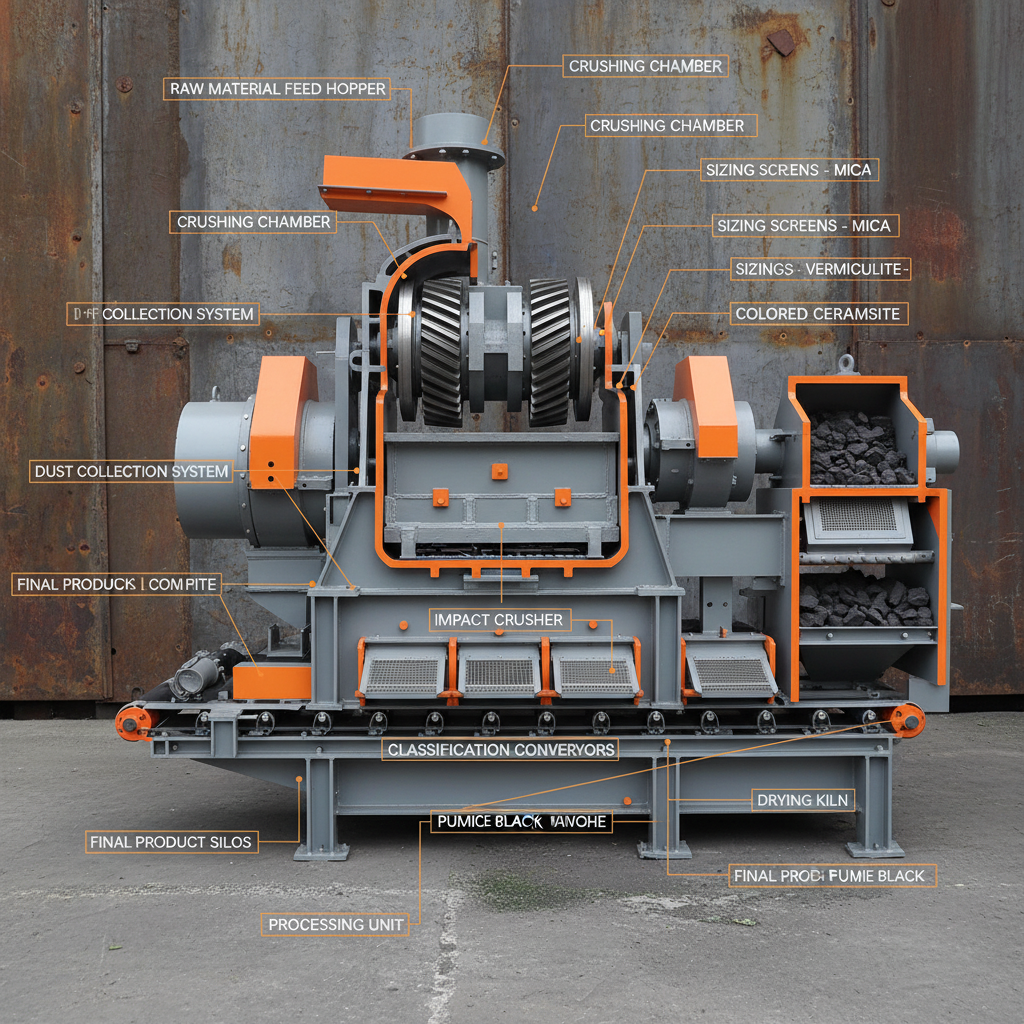
The Foundation: Understanding Caco3 Calcium Carbonate
17 . Dec, 2025
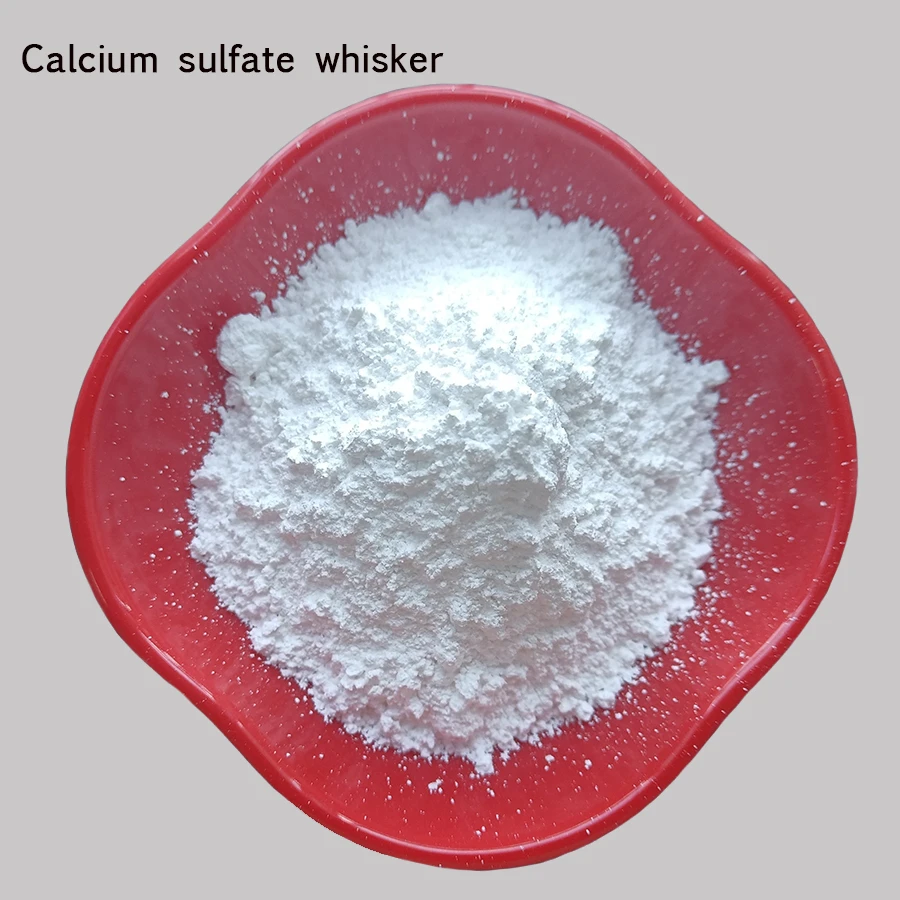
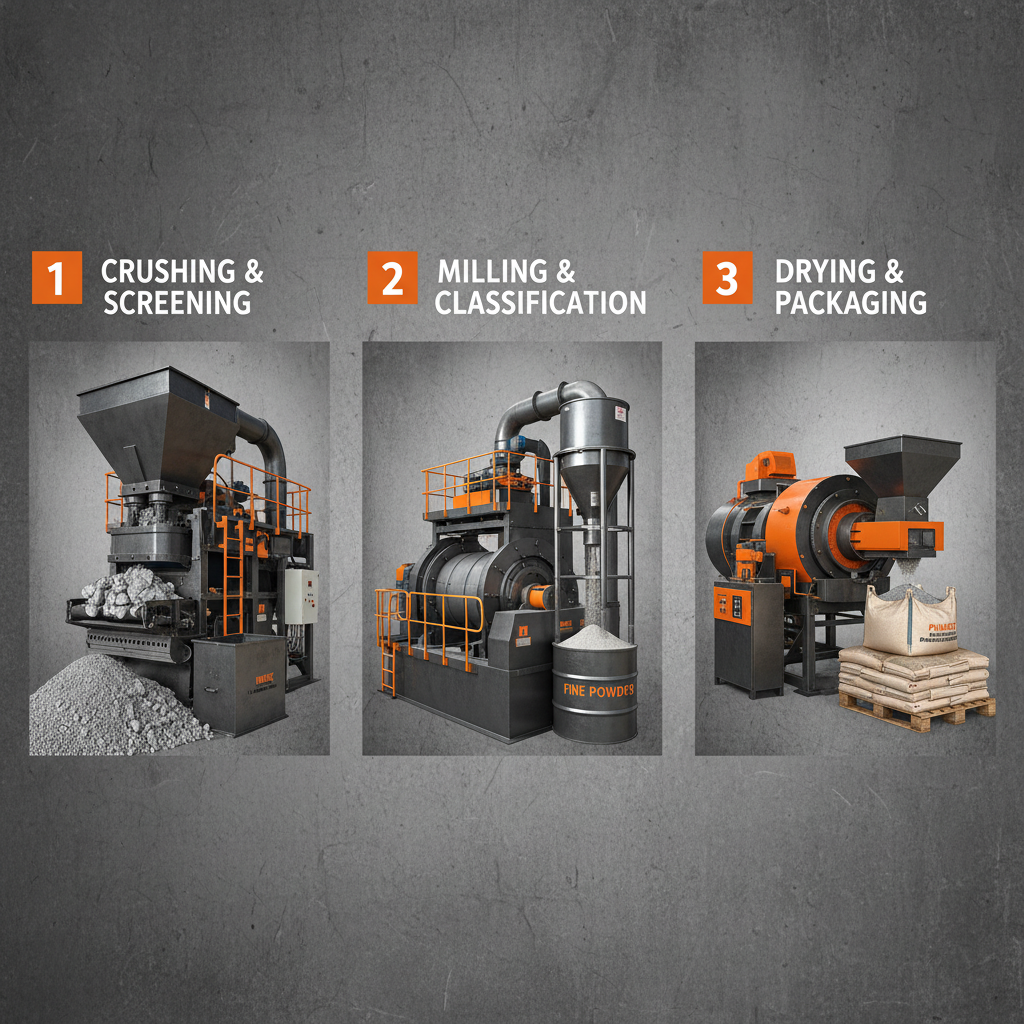
At its core, the chemical formula caco3 calcium carbonate represents one of the most abundant and useful compounds on Earth. It’s a simple combination of calcium, carbon, and oxygen, but its applications are incredibly complex. In its pure form, caco3 calcium carbonate is a white powder that is tasteless, odorless, and virtually insoluble in water. It’s the primary component of limestone, marble, and chalk—substances that have been used by humanity for millennia in construction and art. In modern industry, caco3 calcium carbonate is a true workhorse. Its utility stems from key properties: it acts as a filler to add volume and reduce costs in products like plastics, paints, and paper; it serves as a pH buffer to neutralize acidity in soil, water, and industrial processes; and it provides a source of bioavailable calcium. The journey of caco3 calcium carbonate begins in geological formations. Companies like Shijiazhuang Baifeng Mining Co., Ltd., located in the rich non-metal mineral region of Lingshou County, Hebei, extract high-purity ore. This raw material is then processed—crushed, ground, and classified—into powders of specific particle sizes, creating the natural calcium carbonate that feeds countless supply chains. Understanding the fundamental nature of caco3 calcium carbonate is the first step to appreciating its value across the global economy.
From the Earth: The Role of Natural Calcium Carbonate
Natural calcium carbonate (GCC) is the product derived directly from mining and milling natural deposits of limestone, marble, or chalk. It hasn’t undergone the chemical transformation that creates precipitated calcium carbonate; instead, its properties are defined by the geology of its source. High-quality deposits yield a natural calcium carbonate that is prized for its brightness, purity, and relatively low cost. The quality of natural calcium carbonate is paramount. Impurities like silica, iron, or manganese can affect its color and performance in sensitive applications. This is why sourcing from reputable regions is critical. The area around Shijiazhuang in Hebei Province is renowned for its high-purity calcite and limestone deposits. Producers here process the ore to create various grades of natural calcium carbonate, distinguished by particle size distribution (from coarse grits to super-fine powders) and brightness. The major use of natural calcium carbonate is as a functional filler. In the plastics industry, it increases stiffness and heat resistance while reducing material costs. In paper manufacturing, it fills the spaces between wood fibers, creating a smoother, brighter, and more opaque sheet. In paints and coatings, it improves durability, sheen control, and weathering resistance. In adhesives and sealants, it modifies viscosity and strength. Its natural abundance and beneficial physical properties make natural calcium carbonate a cornerstone material for improving product performance and manufacturing efficiency in a sustainable, cost-effective way.
Enhanced Performance: The Power of Activated Calcium Carbonate
While natural calcium carbonate is excellent, its surface chemistry can be a limitation. The pure mineral particles are hydrophilic (water-loving) and have low compatibility with organic materials like plastic polymers or rubber. This is where activated calcium carbonate comes in. Activated calcium carbonate is natural calcium carbonate that has undergone a surface treatment, typically with stearic acid or other coupling agents. This process coats the individual particles with a thin, hydrophobic (water-repelling) organic layer. This activation is a game-changer. The treated surface of activated calcium carbonate dramatically improves its dispersion within organic matrices. In rubber products (like tires, shoe soles, and hoses), it bonds much more effectively with the polymer chains, leading to vastly improved tensile strength, tear resistance, and abrasion resistance. It acts as more than just a filler; it becomes a reinforcing agent. In plastics, activated calcium carbonate improves impact strength and allows for much higher loading levels without sacrificing the material’s mechanical properties. This enables manufacturers to create stronger, more durable products or to significantly reduce the amount of more expensive resin used. The activation process transforms caco3 calcium carbonate from a simple volume-extender into a high-performance additive that unlocks new possibilities in material science, making it essential for advanced polymer and composite applications.
The Vital Nutrient: Calcium Calcium Carbonate in Health and Beyond
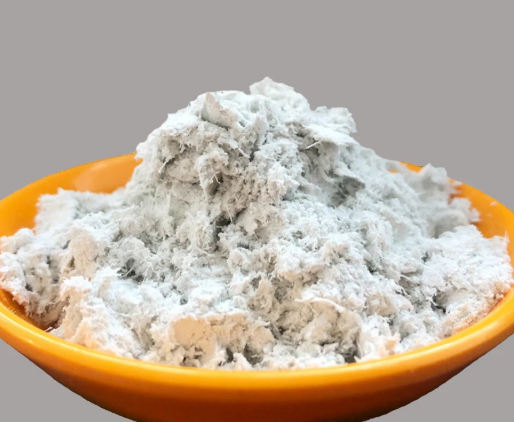
Beyond its industrial might, caco3 calcium carbonate is fundamentally a vital source of calcium, the most abundant mineral in the human body. In nutritional and pharmaceutical contexts, we often refer to it simply as calcium calcium carbonate or calcium supplement. This form provides about 40% elemental calcium by weight, making it a highly concentrated and cost-effective source. As a dietary supplement, calcium calcium carbonate is crucial for building and maintaining strong bones and teeth. It’s also essential for proper muscle function, nerve signaling, and heart health. It is the primary active ingredient in most over-the-counter antacids, where it rapidly neutralizes stomach acid to relieve heartburn and indigestion. The effectiveness of calcium calcium carbonate as a supplement depends on its bioavailability—how well the body can absorb the calcium. It is best absorbed when taken with food, as stomach acid aids in its dissolution. This application underscores the compound’s dual nature: a robust industrial mineral and a benign, beneficial substance for human health. The same purity standards sought for industrial fillers are critical for food and pharmaceutical grades. The caco3 calcium carbonate used in these sensitive applications must meet stringent pharmacopoeia standards for heavy metals, microbial counts, and other impurities. It bridges the gap between geology and wellness, demonstrating that the same fundamental compound that strengthens buildings and plastics also strengthens our bodies.
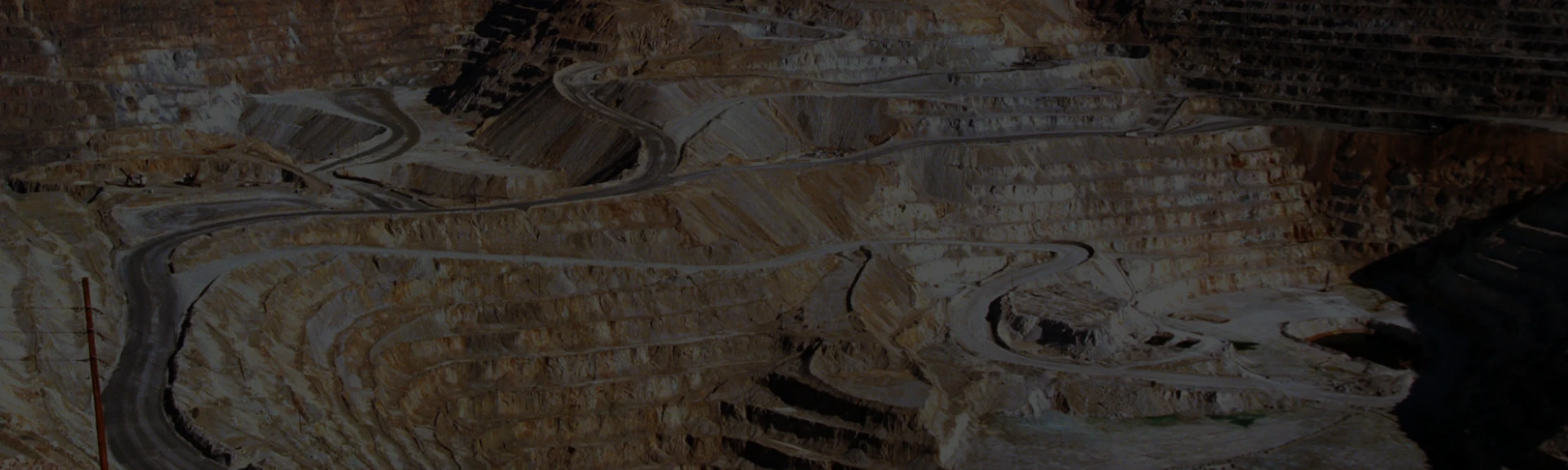
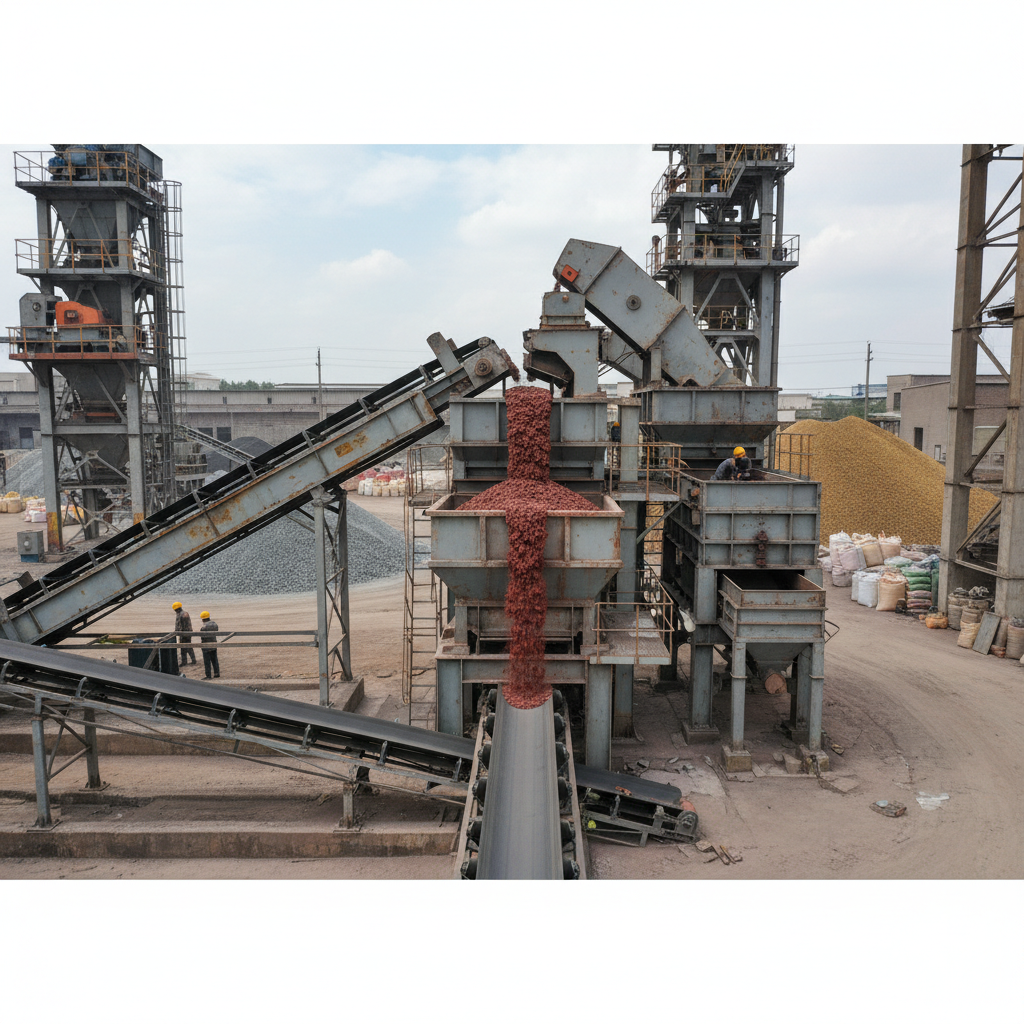
Sourcing consistent, high-quality calcium carbonate is the foundation for any downstream application. This is where expertise and location matter. Shijiazhuang Baifeng Mining Co., Ltd. is strategically located in Lingshou County, Shijiazhuang City, Hebei Province—a region famous as one of China’s primary hubs for non-metallic minerals. This location provides direct access to some of the country’s highest purity calcium carbonate deposits. The company leverages this natural advantage with professional processing capabilities. From the raw ore, they produce a wide spectrum of natural calcium carbonate products. These range from coarse granules used in construction and agriculture to finely ground powders tailored for plastics, paints, paper, and adhesives. Through further processing, they can provide activated calcium carbonate for the demanding rubber and advanced plastics industries. Their product portfolio addresses the core needs of modern manufacturing: providing materials that enhance product performance, improve production efficiency, and support sustainable practices by replacing more energy-intensive or less abundant resources. For industries as diverse as construction, agriculture, plastics, paints, and pharmaceuticals, a reliable supply of quality caco3 calcium carbonate is not a commodity—it’s a critical input. Partnering with a producer like Shijiazhuang Baifeng, rooted in a mineral-rich region and committed to quality processing, ensures stability and performance for your operations.
Are you looking to improve the quality, performance, or cost-structure of your products? The solution may lie in the right grade of calcium carbonate. Whether you need a reliable filler, a performance enhancer, or a source of vital minerals, we have the material for you.Visit our website to explore the full range of calcium carbonate solutions from Shijiazhuang Baifeng Mining. Learn about the specifications of our natural calcium carbonate grades, discover the benefits of our activated calcium carbonate for polymers, or inquire about specialty products for your industry. Our technical team is ready to help you select the perfect grade—considering particle size, brightness, surface treatment, and purity—to meet your specific application challenge.Don’t treat calcium carbonate as just a powder. Treat it as a strategic material that can add value to your entire production process. Contact us today for samples, detailed technical data sheets, and a consultation. Let’s discuss how the essential mineral, caco3 calcium carbonate, can work for you.
Calcium Carbonate FAQs
What is the main difference between GCC and PCC?
GCC (Ground Calcium Carbonate) is natural calcium carbonate produced by physically grinding and refining mined limestone, marble, or chalk. PCC (Precipitated Calcium Carbonate) is synthesized through a chemical process, producing very fine, uniform particles with high purity. GCC is generally more cost-effective for many filler applications, while PCC offers superior properties for specialized uses like high-quality paper coating or ultra-fine rubber reinforcement.
Why would I choose activated calcium carbonate over the natural form?
You would choose activated calcium carbonate when you need the filler to have a strong chemical interaction with an organic material, like rubber or plastic resin. The surface treatment allows it to bond with the polymer matrix, significantly improving the composite material’s mechanical properties (strength, toughness). For simple filling or where chemical bonding is not needed, untreated natural calcium carbonate is perfectly suitable and more economical.
Is the calcium calcium carbonate used in supplements safe?
Yes, when produced to pharmaceutical or food-grade standards. The caco3 calcium carbonate used in supplements and antacids undergoes rigorous purification and testing to ensure it is free from harmful levels of contaminants like lead, arsenic, or other heavy metals. It is recognized as safe by health authorities worldwide (e.g., FDA GRAS status) when used as directed.
How does particle size affect the performance of natural calcium carbonate?
Particle size is a critical specification. Coarser grades are used in applications like animal feed, construction materials, or acid neutralization where high surface area is not needed. Finer grades provide better reinforcement, higher brightness, and smoother finish in plastics, paints, and paper. Ultrafine grades are used for their high opacity and as a partial replacement for TiO2. The correct particle size distribution is chosen based on the desired properties in the final product.
Can calcium carbonate support environmental goals?
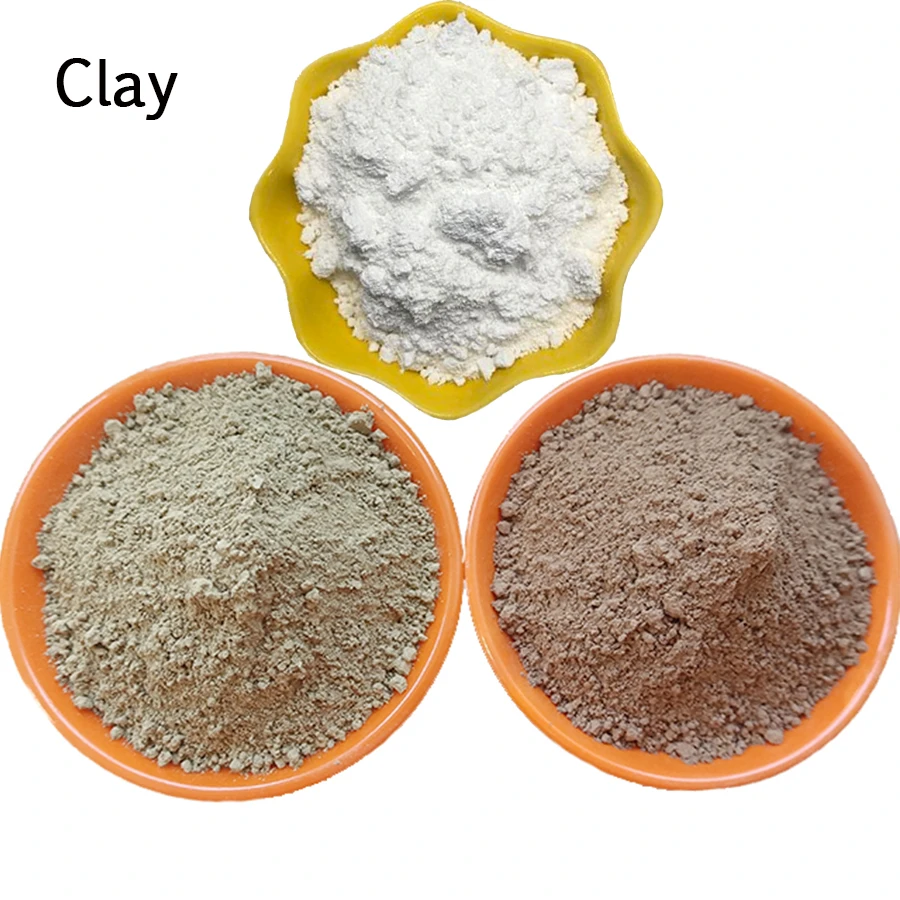
Absolutely. Natural calcium carbonate is an eco-friendly material. Its use as a filler reduces the consumption of more energy-intensive plastics or resins. In agriculture, it amends acidic soil, reducing the need for chemical fertilizers. In flue gas desulfurization, it captures sulfur emissions. Its role in carbon capture utilization and storage (CCUS) technologies is also being actively explored. Using it is a step towards more sustainable industrial practices.