Understanding the Basics: Exploring the Different Types of Pumice Stone
17 . Dec, 2025
When you hear "pumice stone," you might first think of the small, gray block for your feet. But the world of pumice is much larger! The term different types of pumice stone refers to the wide variety of this volcanic rock, categorized by its origin, color, texture, and density. Pumice is formed when super-heated, highly pressurized rock is violently ejected from a volcano. The rapid cooling and depressurization trap countless tiny air bubbles inside, creating a rock that is remarkably lightweight and porous. The different types of pumice stone you encounter are primarily defined by the chemical composition of the original lava and the specific conditions of the eruption. This leads to variations in color—common hues include white, gray, pale yellow, and even reddish or black. More importantly, it leads to differences in hardness, porosity, and abrasive quality. Some types of pumice stone are very soft and crumbly, perfect for gentle exfoliation. Others are much harder and more durable, ideal for industrial abrasives or as an aggregate in construction. Understanding these different types of pumice stone is the first step to selecting the right grade for your personal care routine, horticultural project, or industrial application. It’s a 100% natural, sustainable resource that offers solutions where synthetic materials fall short.
From Personal Care to Industry: A Guide to Pumice Stone Types
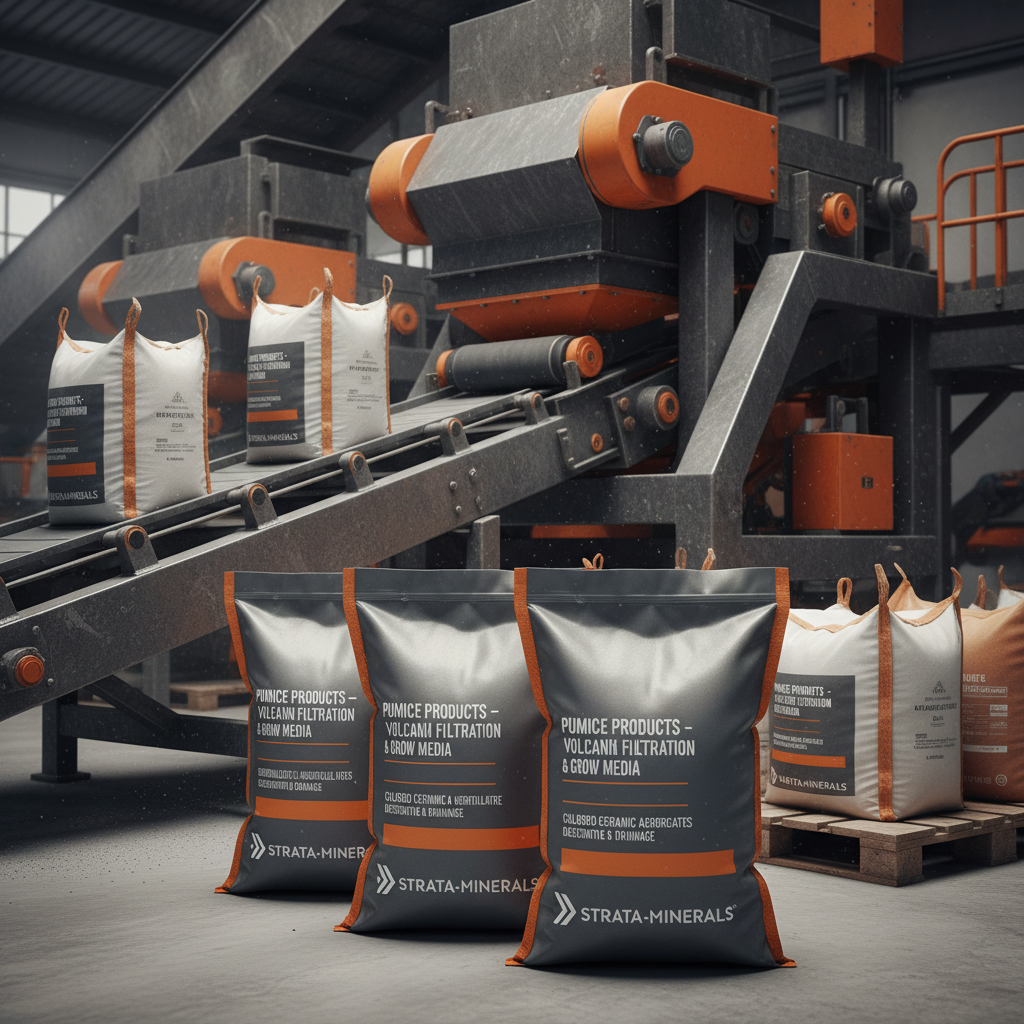
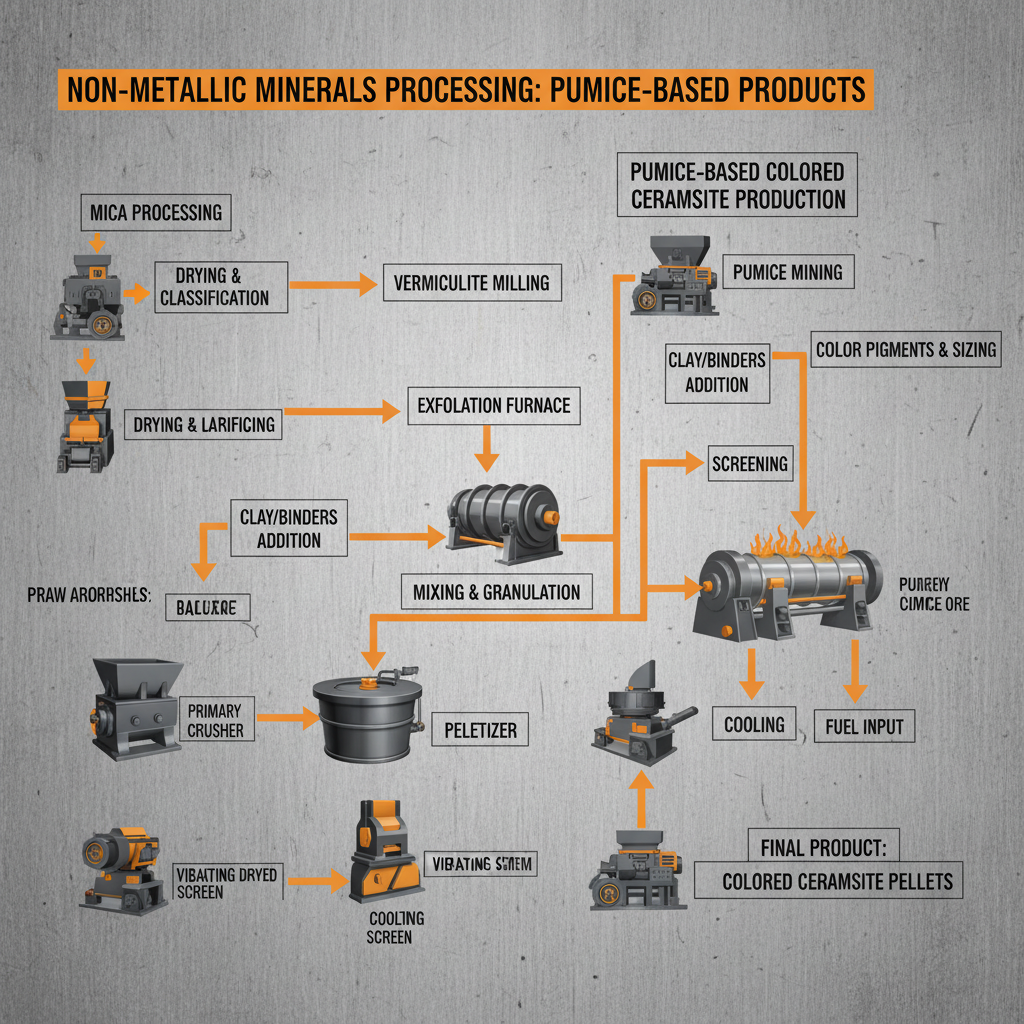
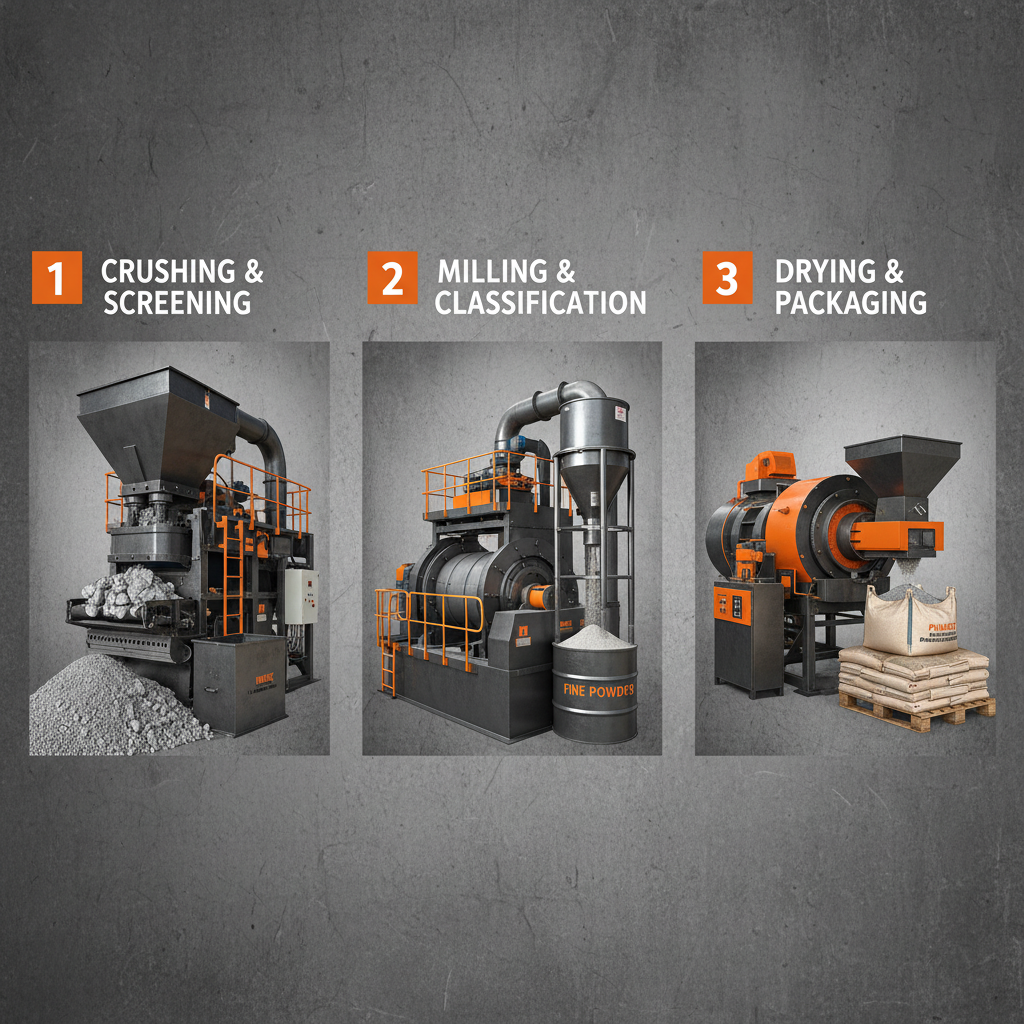
The pumice stone types you’ll find on the market are tailored for specific uses. Let’s break them down. For personal care and pedicures, the most common type is a hand-sized, irregularly shaped gray or tan stone. It’s porous, relatively soft, and designed to be used with water to gently abrade and remove dead skin, especially on heels and elbows. Some are mounted on handles for easier grip. Then there are horticultural and agricultural pumice stone types. These are usually sold as small granules or chunky pieces. They are prized for their ability to aerate soil, improve drainage, and retain some moisture and nutrients. Adding pumice to potting mixes prevents soil compaction and creates a healthy root environment for plants, especially succulents and cacti. In construction and landscaping, you’ll find larger aggregate sizes. One of the most valuable pumice stone types here is lightweight pumice aggregate, used to make concrete blocks, panels, and poured concrete that is significantly lighter than standard concrete, reducing structural load. It’s also used as a decorative mulch in landscaping for its attractive color and water retention properties. Finally, industrial pumice stone types include finely milled powders used as a mild abrasive in cleaners, polishes, and "stone-washing" jeans, as well as in filtration systems. Each of these pumice stone types is processed (tumbled, cut, crushed, or milled) from raw volcanic rock to optimize it for its intended purpose.
A World of Variety: Diving into the Various Pumice Types
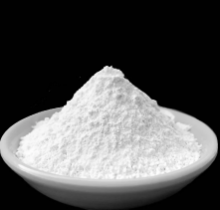
Beyond the common gray stone, the natural world produces a fascinating array of pumice types. The color and density are the easiest ways to distinguish them. White pumice is typically the lightest and most porous. Its high silica content and extreme vesicularity (bubble formation) make it float on water. This type is excellent for ultra-lightweight applications, fine abrasives, and as a soil amendment for plants that demand exceptional drainage. Gray pumice is the most common and versatile of all pumice types. It has a balanced density, making it suitable for a wide range of uses from personal care stones to construction aggregate and general horticulture. Red or reddish-brown pumice gets its color from higher iron oxide content. It is often denser and harder, valued in landscaping for its decorative color and in some industrial applications where a slightly more abrasive quality is needed. There’s also a rarer black pumice, which is very dense with a low porosity, closer to obsidian. It’s less common in consumer markets but has specialized industrial uses. Another way to categorize pumice types is by grain size: from large, fist-sized rocks for landscaping, to pea-sized gravel for horticulture, coarse sand for mixing, and super-fine powders for polishing. A knowledgeable supplier, like Shijiazhuang Baifeng Mining, can provide all these pumice types, ensuring you get the precise color, density, and grain size your project requires.
Matching Material to Task: Choosing Between the Types of Pumice
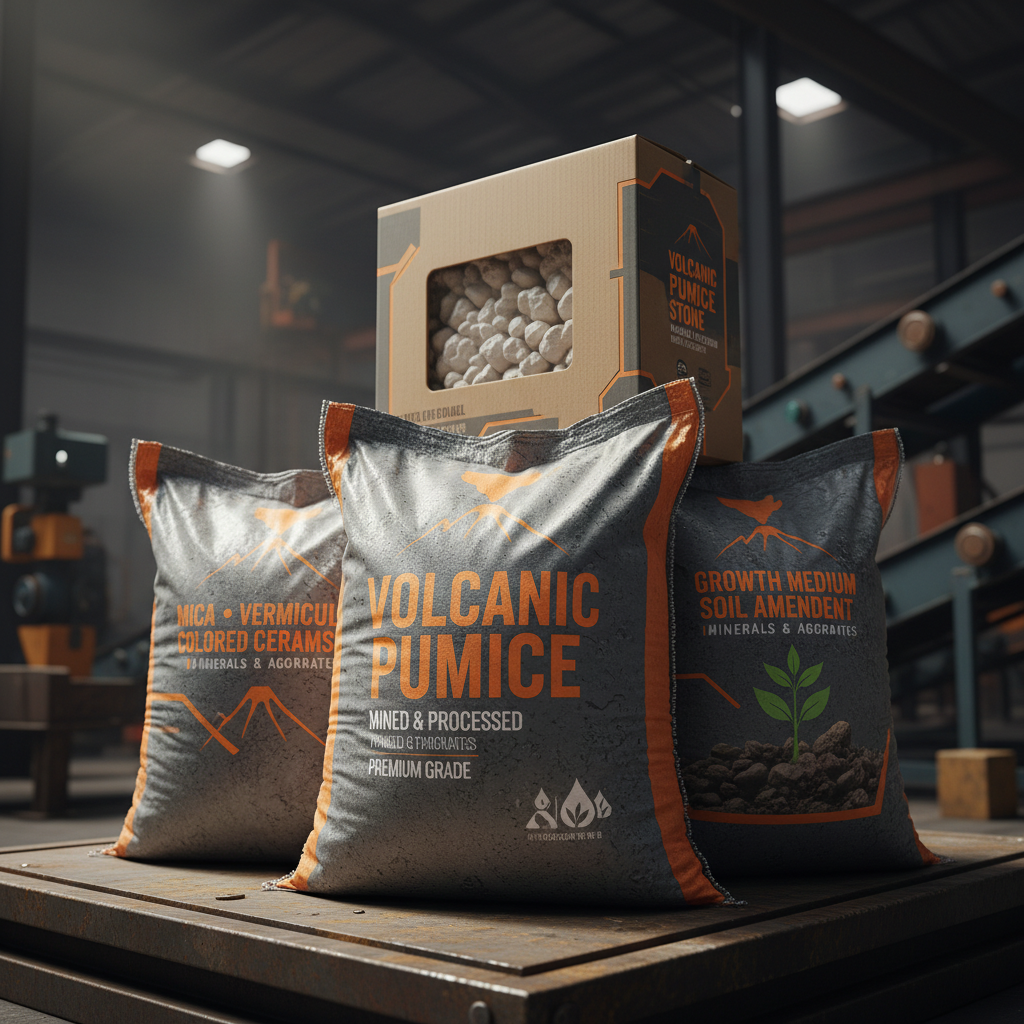
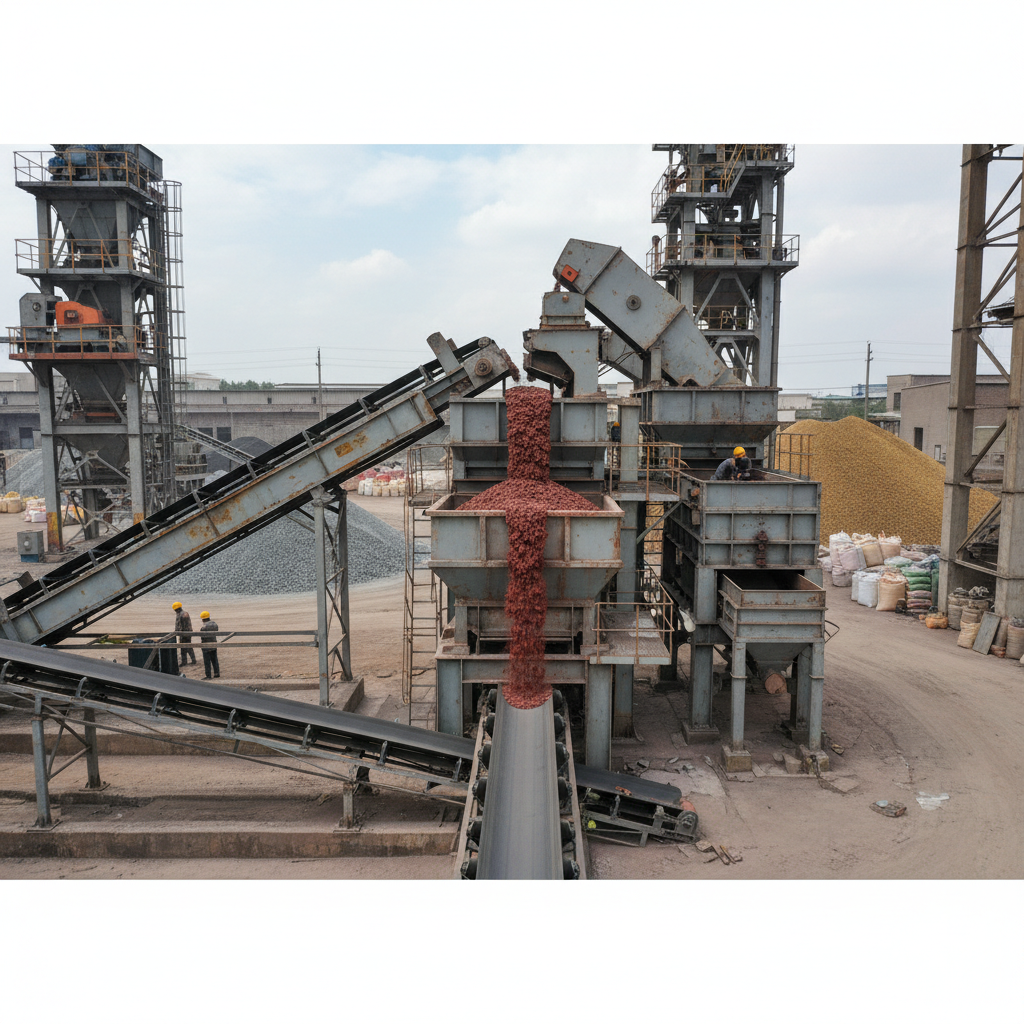
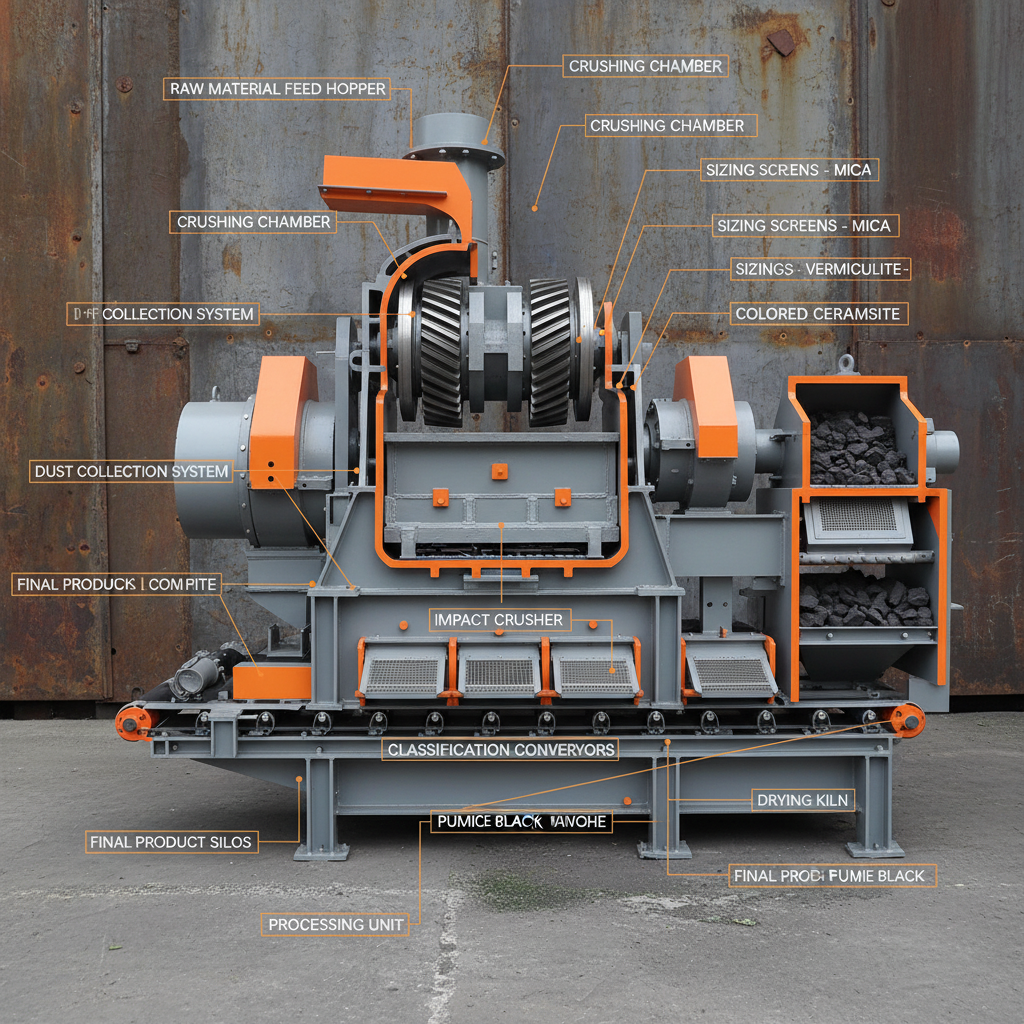
With so many options, how do you choose? Selecting the right types of pumice comes down to understanding the core property you need: abrasiveness, porosity, or lightweight structure. For Abrasive Tasks: If you need to remove, clean, or polish, the hardness matters. For gentle exfoliation on skin, a softer, more porous gray pumice is perfect. For scrubbing tough stains from ceramics or stone-washing denim, a harder, more consistently graded pumice powder is used. The right types of pumice for abrasives are carefully milled to a specific grit size. For Porosity and Drainage: This is the key for horticulture and filtration. All pumice is porous, but the types of pumice with the highest void space (like white pumice) provide the best aeration and water retention. Horticultural grades are screened to remove dust and provide an open structure that won’t break down or compact over time, creating permanent pores in the soil. For Lightweight Structure: In construction, the primary goal is to reduce weight while maintaining integrity. Here, the types of pumice used are typically gray aggregates that are strong enough to provide structural value in concrete or block but are filled with enough air pockets to make the final product buoyant and easy to handle. The wrong choice can lead to failure—a pumice that’s too soft will crumble in concrete; one that’s not porous enough will drown plant roots. By defining your need—smoothing, growing, or building—you can narrow down the ideal types of pumice for your job.Sourcing consistent, high-quality pumice is essential for predictable results, whether you're a manufacturer or a gardener. This is where expertise and reliable supply chains matter. Shijiazhuang Baifeng Mining Co., Ltd. is a professional producer and supplier located in Lingshou County, Hebei—a major hub for non-metallic minerals in China. Established in 2008, the company operates from a 5,000-square-meter facility and manages the entire process from sourcing raw volcanic rock to processing it into various pumice stone types. Their strength lies in their ability to provide the full spectrum of pumice types. They process raw pumice into specific products: from floating pumice stone (the lightest grade) for specialized applications to pumice sand and various aggregate sizes for construction and horticulture. They understand that different industries require different specifications—a cosmetics company needs a sterile, fine powder, while a concrete plant needs clean, consistently sized aggregate. With a dedicated team of R&D and quality control personnel, Baifeng ensures that each batch of their types of pumice stone meets strict standards for size, density, purity, and performance. For businesses, this means a stable supply of a consistent raw material. For bulk buyers in construction, landscaping, agriculture, or industry, partnering with a direct supplier like Baifeng provides cost efficiency, quality assurance, and the technical support to select the best types of pumice for any application.Ready to harness the natural power of pumice? Don’t waste time with inconsistent suppliers or the wrong material. Whether you need a gentle exfoliant, a superior soil amendment, a lightweight building aggregate, or an industrial abrasive, the perfect pumice stone type is waiting for you.Visit the Shijiazhuang Baifeng Mining website to explore their full product range. Learn about the properties of their different pumice types, from white horticultural grades to dense gray aggregates. Review technical specifications, request samples to test quality firsthand, and get a competitive quote tailored to your volume needs. Their expert team can help you identify the ideal product, whether you’re ordering a pallet for a landscaping project or a container-load for manufacturing.Make the natural choice. Choose pumice—the versatile, sustainable, and effective material that has served humanity for centuries. Connect with a trusted source and experience the difference that quality and expertise make. Click to contact Baifeng Mining and get the right pumice for your project today.
Pumice Stone FAQs
What are the main types of pumice stone used in gardening?
In gardening, the most common types of pumice stone are small granules or chunky pieces, typically in the 1/8-inch to 1/2-inch size range. It is usually the porous gray variety. This size and type are ideal for improving soil aeration and drainage without altering pH. It’s a key ingredient in succulent and cactus mixes and is used to prevent compaction in container gardens and raised beds.
Is there a difference between a pumice stone for feet and other pumice types?
Yes. A pumice stone for personal care is specifically selected and processed. It is a softer, more uniformly porous gray pumice that is tumbled to smooth edges for safe use on skin. Other pumice types, like those for industrial abrasives or landscaping, are often harder, sharper, and not processed for human contact. Always use a product intended for personal care on your skin.
Can I use any pumice stone type in my aquarium?
No. Only aquarium-specific pumice should be used. It is thoroughly washed and processed to be inert (not altering water chemistry) and free of dust or impurities that could cloud the water or harm fish. General horticultural or construction pumice may contain fines or minerals that could leach into the water. Always choose a product marketed for aquarium use.
Why are there different colors like white, gray, and red in pumice types?
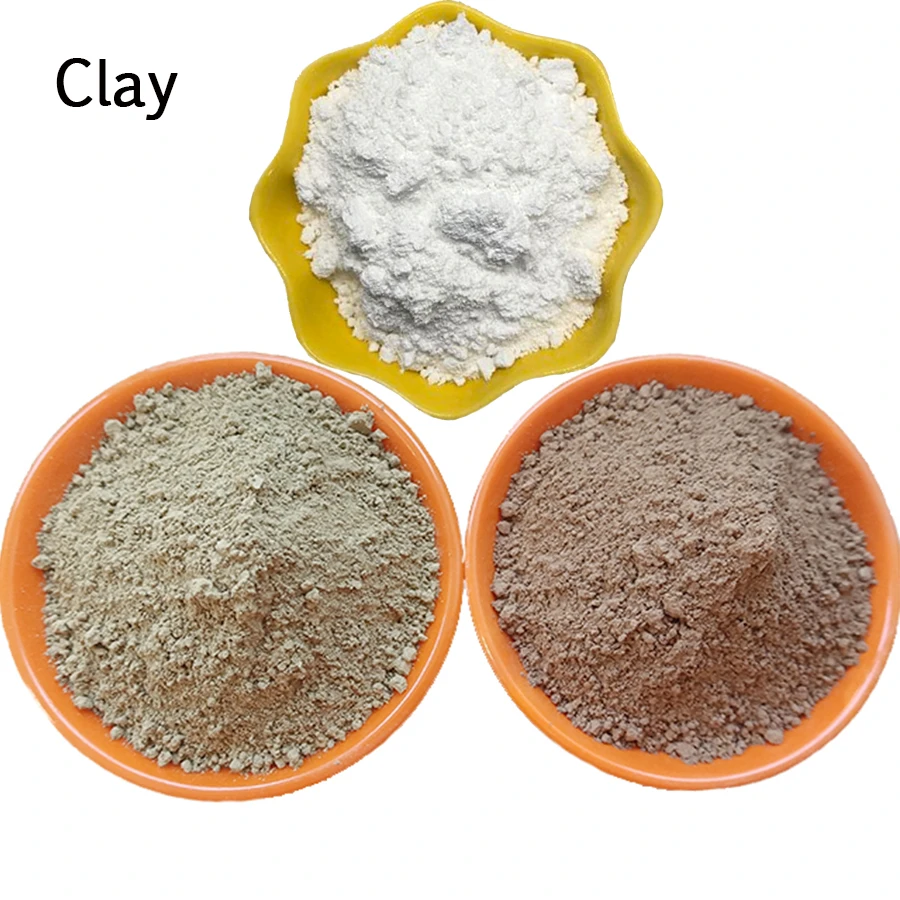
The color variation in pumice types is due to differences in mineral content from the original volcanic eruption. White pumice is high in silica. Gray pumice has a more balanced mineralogy. Red or brown hues come from iron oxide. The color often correlates with density and hardness, with white being the lightest/softest and red/black varieties being denser and harder.
How do I choose the right types of pumice for a DIY concrete project?
For DIY lightweight concrete, you need a structural-grade pumice aggregate, typically a gray pumice in a 1/4" to 3/8" size. It must be strong enough to provide aggregate lock-up in the mix. Avoid soft, crumbly white pumice. Consult with your supplier (like Baifeng) for the recommended aggregate type and mix ratios. Using the wrong types of pumice can result in weak, non-structural concrete.